Have you ever looked at the ingredients that are in your commercially made toothpaste. You know, the stuff that is made to be absorbed by porous mouth tissue?
Clove Toothpaste Recipe Personalizer Tool
Tap every statement that matches your oral health goal. The tool customizes the base recipe with the right add-ins for your case.
Oral Health Issues Are Rarely Truly Local
Gum bleeding, decay-prone enamel, and recurring infections almost always trace back to systemic factors. Heavy metal load weakens enamel from the inside, mold biotoxins inflame the gum line, parasite-driven mineral depletion accelerates decay, and adrenal burnout drops salivary protection. A great clove toothpaste helps. Knowing the upstream driver helps more. The 90 second Toxic Load Tool finds which one is driving yours.
Use The Toxic Load ToolMaybe you have finally realized that fluoride should have no place in your mouth. After all, hazmat suits are required for anyone who handles it. The good news: you can buy toothpaste that is non-toxic, natural, and without fluoride.
Why not make it yourself? There are so many amazing options on how to make toothpaste, and it doesn’t have to be stored in a tube if that is what is making you hesitant.
The more natural the toothpaste, the better
A lot of people have been researching alternative options for toothpaste for a while now. The more they learn about the ingredients in store-bought toothpaste, the more alarmed people become.
6 common chemicals in commercial toothpaste that should be avoided, not counting fluoride
SLS (Sodium Lauryl Sulfate): A foaming agent used to create lather, it can be irritating to the eyes and skin.
Propylene Glycol: Used as a humectant to keep the toothpaste moist, this glycol has been linked to organ system toxicity.
Bentonite, charcoal, chelation, cilantro, mercury chasing — these protocols all assume heavy metals are your dominant toxic load. For some people they are. Plenty of others land in this kind of work suspecting metals when adrenal exhaustion, parasites, or mold are actually doing more of the damage, and the protocols look very different depending which one is yours. If you want to sort it out before committing to weeks of binders, the 2-minute What's Draining Your Brain Tool places you in one of four root cause types so the next thing you try has a real chance of working.
Titanium Dioxide: This inorganic material gives toothpaste its white color, but some studies show that it could be potentially carcinogenic when inhaled or ingested in large amounts.
Flavorings: Toothpastes usually contain a variety of flavorings, from artificial sweeteners like saccharin to natural essences like peppermint oil.
Triclosan: This antibacterial ingredient is added for the purpose of cleansing your mouth and reducing gum disease, although prolonged use has been linked with hormone-disrupting effects and antibiotic resistance.
Sodium Hydroxide: Also known as lye. This caustic alkaline substance is used as a pH adjuster in some toothpastes. It can cause irritation on sensitive skin or eyes
There’s a better way to optimum oral health!
Many people seeking a better solution to oral care have come across reports of people having to wear hazmat suits when handling certain ingredients in commercial oral products, especially fluoride!
This was enough to get the masses seeking less toxic alternatives. Research has led the natural health community to look into natural toothpastes and other homemade alternatives.
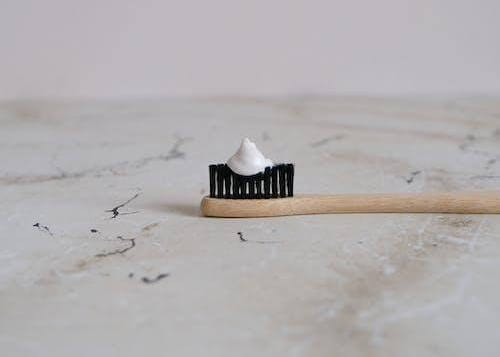
- Many of these recipes use simple and safe ingredients like: baking soda
- coconut oil
- sea salt
- essential oils
- cloves
- other natural ingredients.
The benefits of homemade or natural toothpastes
Natural toothpaste recipes are easy to make at home without any specialized equipment or storage needs.
And best of all, with regular use, these natural recipes could provide the same cleaning power as store-bought toothpastes without any added risk from harsh chemicals or fluoride!
Clove toothpaste is an effective and all-natural way to take care of your oral hygiene. In addition to its antiseptic qualities and ability to reduce inflammation, clove toothpaste also has flavor profiles that make it enjoyable to use.
Here’s a simple, natural toothpaste recipe for clove and cinnamon toothpaste by Priya Koundinya’s GFCF Kitchen

What are five health risks of using fluoride in toothpaste?
- Fluoride can cause dental fluorosis, a condition in which tooth enamel becomes discolored and brittle.
- Fluoride can damage the nervous system and lead to cognitive decline.

- High levels of fluoride exposure have been linked to an increased risk of developing cancer.
- Fluoride has been found to accumulate in the body, which can also lead to adverse health effects over time.
- Fluoride has been shown to interfere with thyroid function, leading to potential weight gain, fatigue, and depression.
Contrary to what dentists are taught and what the TV advertises to us, fluoride is not beneficial to keeping teeth strong.
Contrary to popular belief, fluoride is not the miracle solution for cavities that dentists and TV advertisements make it out to be. In fact, research has shown that long-term exposure to fluoride can have adverse health effects.
Studies have found that fluoridated water can lead to dental fluorosis, which is the weakening of the enamel, not the strengthening of it.

Enamel discoloration of the teeth caused by overexposure to fluoride.
Additionally, studies have linked high levels of fluoride intake with an increased risk of developing cancer and thyroid dysfunction [1]. On top of this, research suggests that fluoride may interfere with cognitive function and lead to cognitive decline [2].
Sources
[1] https://www.ncbi.nlm.nih.gov/pmc/articles/PMC2848837/
[2] https://www.mdpi.com/1099-4300/15/4/1416
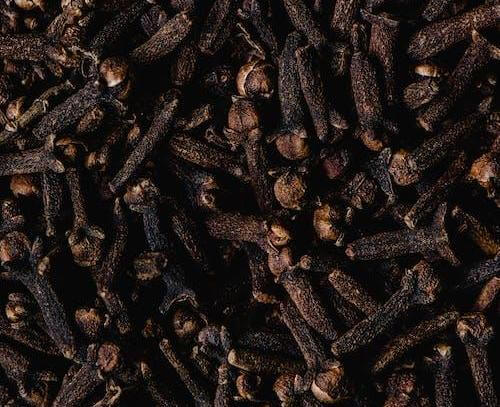
It can be used alone or as part of a more comprehensive dental care routine. Read on for all the information you need on clove toothpaste.
What Is Clove Toothpaste?
Clove toothpaste is a type of natural toothpaste that incorporates ground cloves in its formula.
Why use ground cloves in toothpaste?

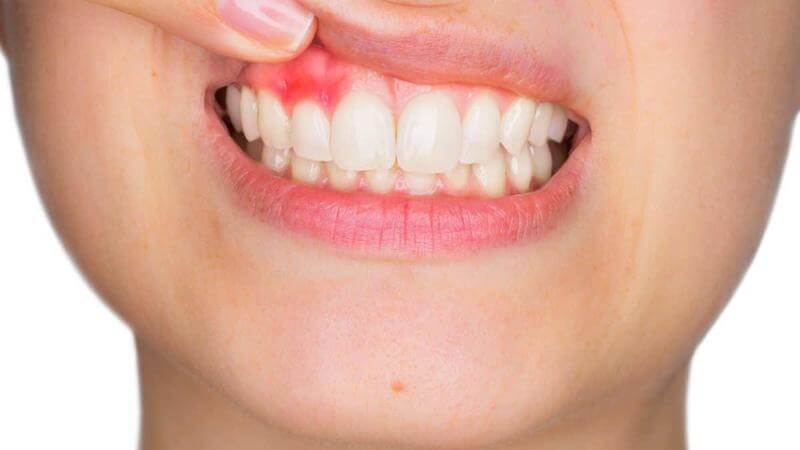
Cloves, which are native to Indonesia, contain eugenol, which is a compound with powerful anti-inflammatory, analgesic, and antiseptic properties. This makes clove toothpaste ideal for treating gum inflammation or pain caused by broken teeth or cavities.
Cloves also add an enjoyable flavor to homemade toothpastes. Many people prefer that taste over conventional commercial brands. It’s naturally sweet without added sugar or artificial sweeteners.
Cloves have been used for hundreds of years as part of traditional medicine in Asia. There’s no shortage of natural recipes online. You can try them out to make your own clove toothpaste.
Benefits Of Clove Toothpaste
Clove toothpaste has several benefits that make it an attractive alternative to conventional commercial brands:
- Eugenol helps reduce inflammation and provides relief from sensitive teeth and gums
- The flavor profile is surprisingly refreshing – they often include a mixture of other flavors along with the clove such as peppermint oil or turmeric extract
- It can be used as part of a more comprehensive dental care routine such as regular flossing and brushing with hydrated silica particles
- Can be used alongside ayurvedic remedies like neem powder for additional protection against bacteria buildup
- Cloves are known to contain antibacterial properties that can help stop the spread of disease-causing bacteria in the mouth, as well as help whiten teeth by removing stains.
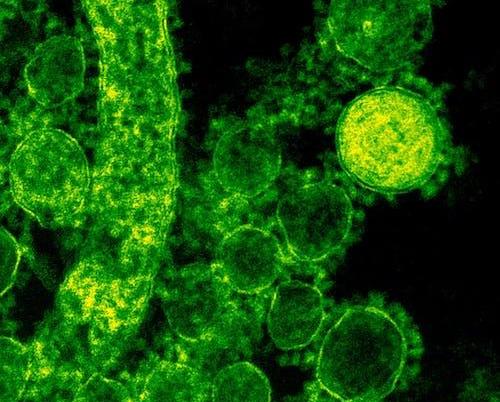
- The active ingredients in clove powder help reduce inflammation and prevent bacterial overgrowth in the mouth by killing off harmful bacteria that cause bad breath.

- How To Make Your Own Clove Toothpaste
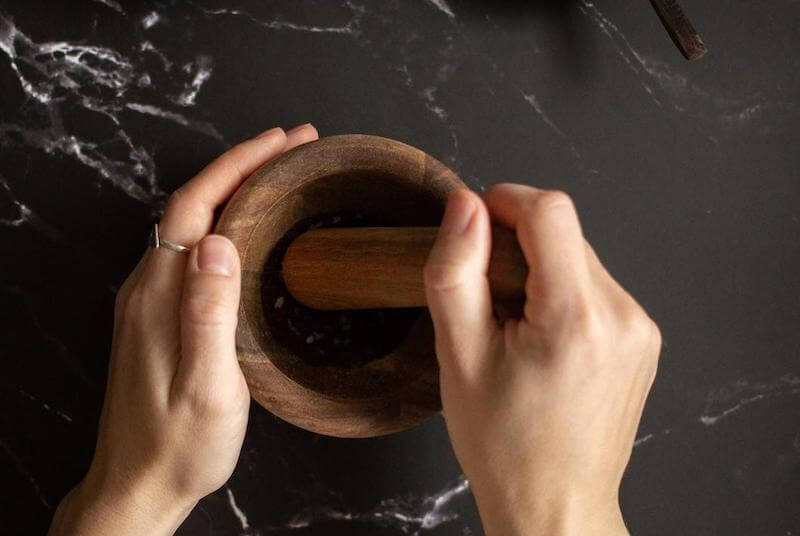
If you’re interested in trying out clove toothpaste but don’t want to purchase an off-the-shelf version from the store then why not try making your own? Here’s what you need:
- 1 teaspoon ground cloves (or 2 tablespoons powdered cloves)
- 2 tablespoons baking soda
- ½ tablespoon hydrogen peroxide
- 1 tsp sea salt
- 3 tablespoons coconut oil
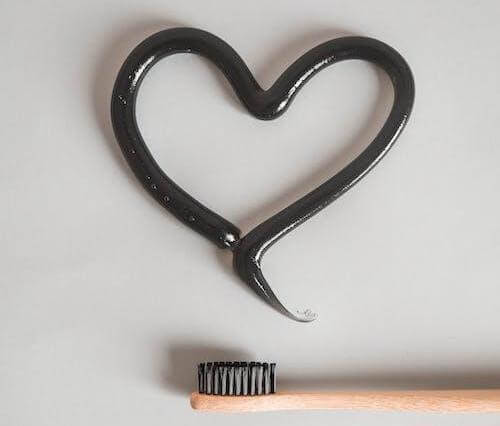
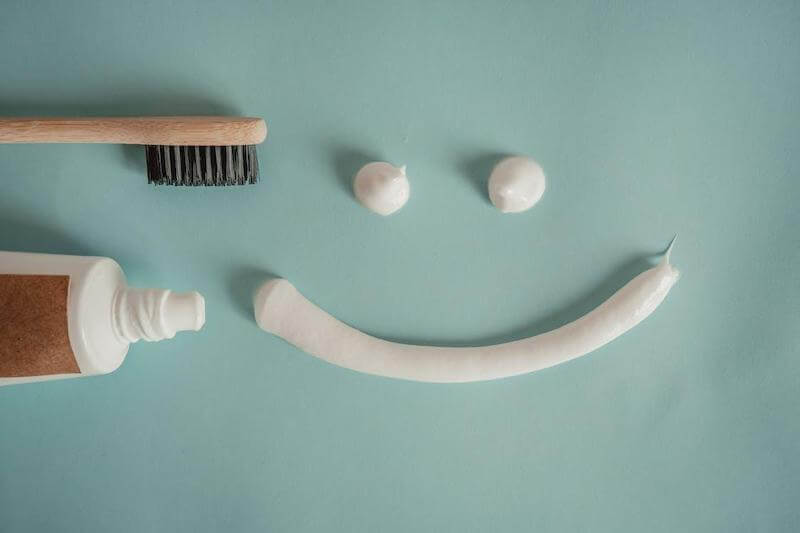
Mix the ingredients together until they form a paste then brush two times daily just like any other type of toothpaste! You can adjust the ratios slightly depending on how thick or thin you want your final product.
FAQs About Clove Toothpaste, You are going to want to try this!
Q: Does Clove Toothpaste Really Work?
A: Yes! Studies show eugenol in cloves may have powerful anti-inflammatory and antimicrobial properties. It may help reduce pain from infected teeth or gums. It may also help control plaque buildup for good oral hygiene.
Q: Are There Any Potential Side Effects Of Using Clove Toothpaste?
A: As long as you follow usage instructions there should be no side effects when using this natural remedy.
Some people may experience slight irritation due to its strong flavor if they are not accustomed to it, but be patient, use it gradually. Clove powder mixed in a natural toothpaste will heal inflamed gums and calm pain from tooth issues, it is really quite a powerful natural remedy and tooth cleaner!
Sources
[1] https://www.ncbi.nlm.nih.gov/pmc/articles/PMC2848837/
[2] https://www.mdpi.com/1099-4300/15/4/1416
More from thewellthieone.com
The links used on thewellthieone.com are affiliate links, which may provide a small commission. This does not increase the price of the goods for the consumer whatsoever. What it does is ensure that useful content like this can continue to be produced. Thank-you for enjoying our content and allowing us to continue to provide more.
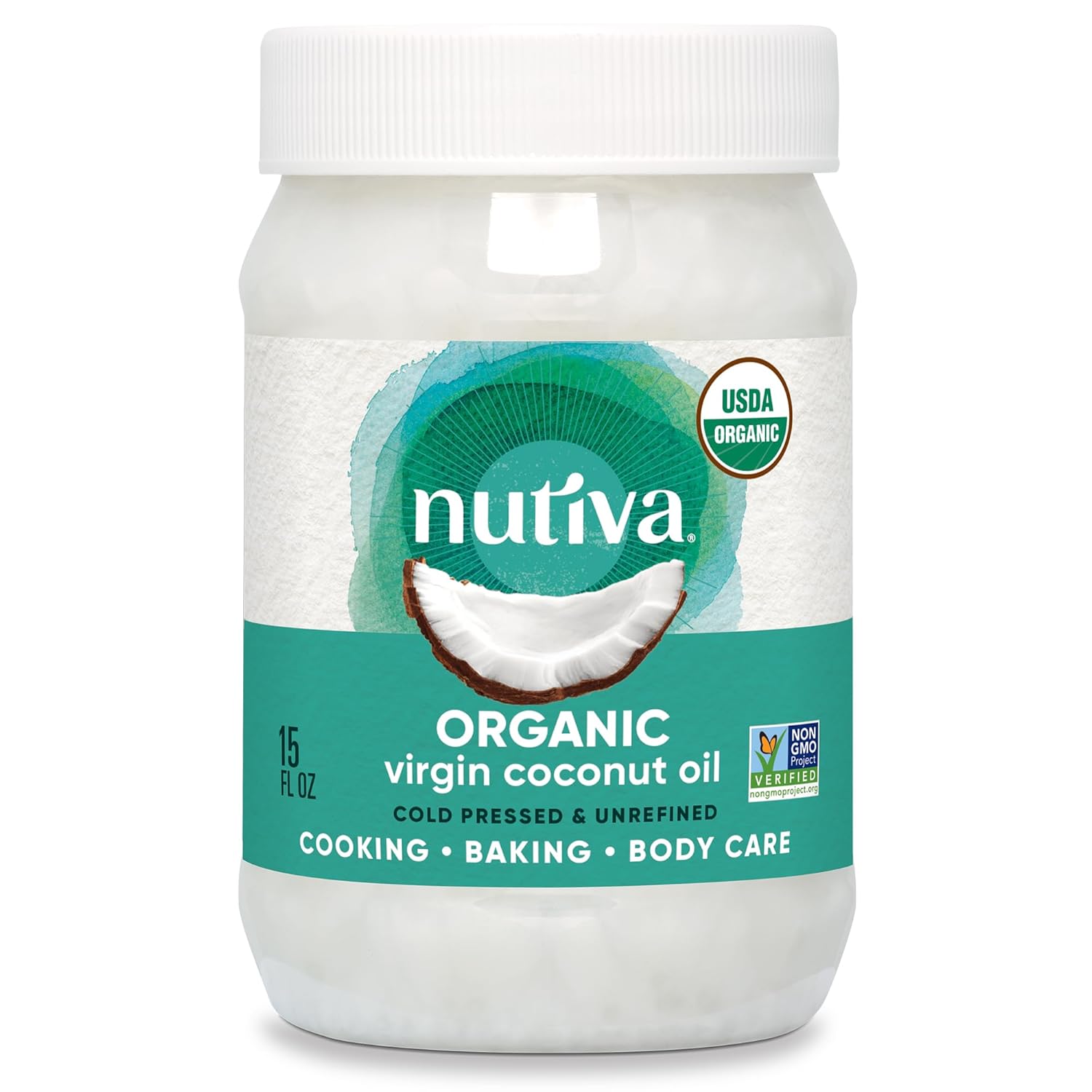
The base of every clove toothpaste recipe is virgin coconut oil. Refined coconut oil is stripped of the lauric acid that gives the toothpaste its antimicrobial muscle. Nutiva is the gold standard, USDA Organic, cold-pressed, unrefined, non-GMO, and shelf-stable in glass:
Nutiva Organic Virgin Coconut Oil (Cold-Pressed, Unrefined)
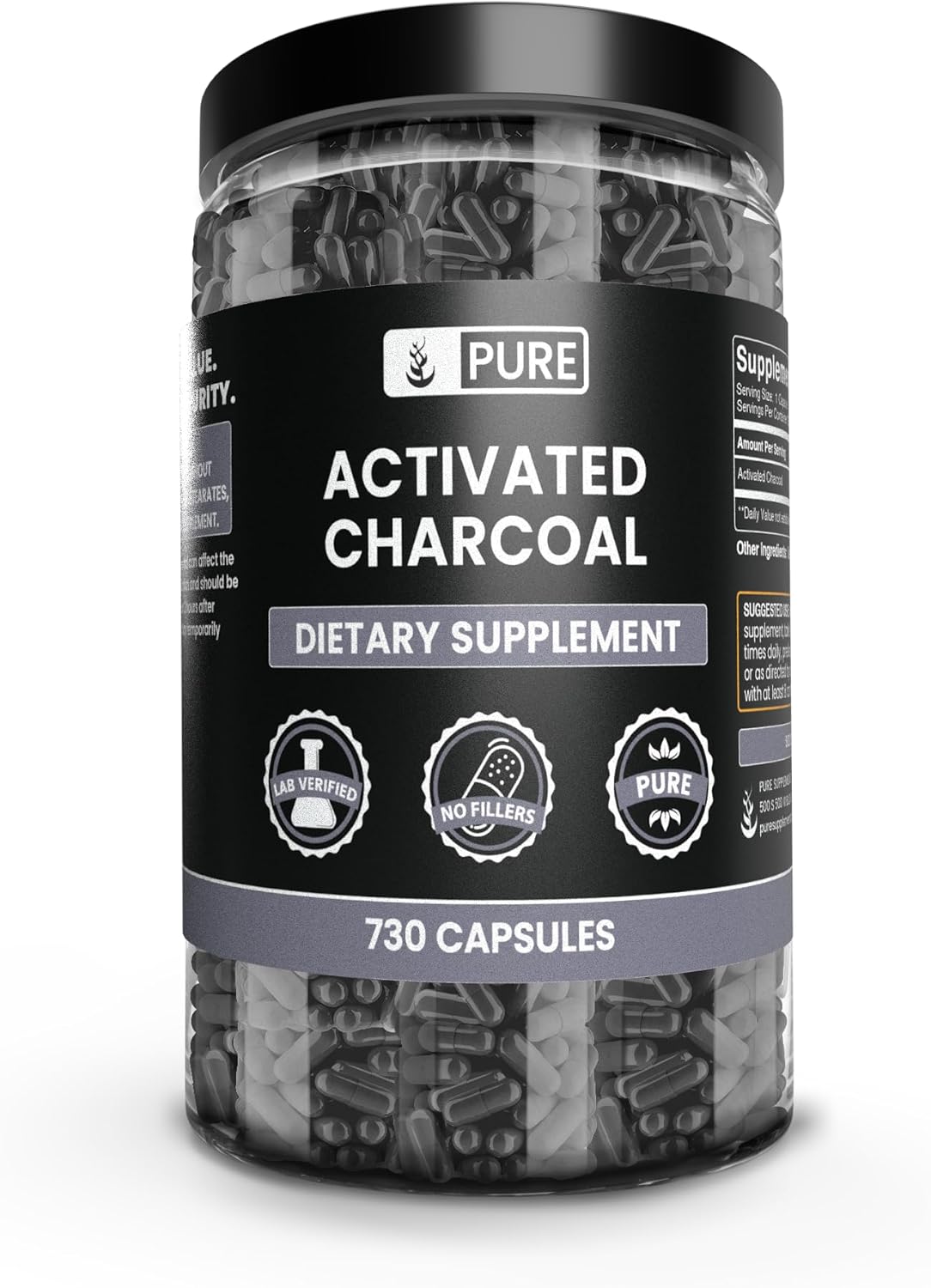
If you select the Whitening Version of the recipe above, you need food-grade activated charcoal. Pure Original Ingredients makes the cleanest option we have used. Single ingredient, no fillers, lab verified. Open a capsule and use the powder, or buy the powder direct:
Pure Original Ingredients Activated Charcoal
Related Reading
- Teeth Whitening Near Me + Find A Dentist Tool
- Dental Bridges Near Me: Find A Holistic Dentist Tool
- How To Avoid A Root Canal
- How To Detox Anesthesia After Dental Surgery
Frequently Asked Questions
Is clove toothpaste safe to use every day?
Yes for adults, with one caveat. Clove essential oil is potent. Stick to the recipe amounts (1 teaspoon ground clove OR 2 drops clove essential oil per batch, not both). Daily use of the baseline recipe is safe long-term. The whitening (charcoal) and amalgam-neutral versions have different daily-use rules covered in the Personalizer Tool above.
Can children use homemade clove toothpaste?
Yes for ages 6 and up using the Kid-Safe Version from the Personalizer Tool (half the clove dose, no essential oils except clove, xylitol for taste). Do not use on children under 2 because they may swallow significant amounts. For ages 2 to 6, supervise brushing and use only a pea-sized amount. Clove oil at the recipe dose is safe at this body weight.
Does clove toothpaste whiten teeth?
Mildly yes. Clove itself does not whiten, but the recipe combination (coconut oil for biofilm lift plus optional baking soda for surface stain plus optional charcoal in the whitening version) shifts most adults 0.5 to 1.5 shades over 4 to 6 weeks. For more dramatic whitening, see the Teeth Whitening Near Me article in the related reading section.
Why does my clove toothpaste solidify?
Coconut oil solidifies below 76 degrees Fahrenheit. This is normal and not a sign of spoilage. Store the jar at room temperature on the bathroom counter. If it is fully solid, scoop a small amount onto your wet brush and it will soften from the heat of your mouth. A glass jar with a wide mouth makes this easier than a tube.