About 49,500 people search for a teeth whitening dentist near them every month. Most of them have already tried the strips, the LED kits, and the charcoal trend, and have decided to do it properly. The catch is that the gap between a thoughtful dental-supervised whitening and a kiosk in a mall with a UV light is huge, and the side effects are not interchangeable. Done wrong, whitening etches enamel that does not grow back.
The tool below maps providers near your ZIP code, gives you the 8 credential questions to ask before booking, and walks through the at-home natural protocol that gets most people 70 percent of the visible result without touching enamel at all.
Find A Dentist For Teeth Whitening Near You
Map dentist-supervised whitening providers near your ZIP code, get the 8 credential questions to ask before booking, and the natural at-home routine to start tonight.
Enter your ZIP code or city. Opens Google Maps filtered for dentist-supervised whitening, not the mall kiosk results that often show up first.
In your map results, prioritize listings that say:
- “Dentist supervised” or “DDS / DMD”
- “Cosmetic dentistry” with whitening listed as a specialty
- “Holistic” or “biological” dentistry (often natural-medicine aligned)
- “Zoom” or “Boost” branded whitening systems (mainstream, dentist-only)
- “Custom take-home trays” (lower risk than in-office light)
Tap each question to see why it matters. Ask all 8 before you commit. A real dentist welcomes these questions and answers them clearly.
Bentonite, charcoal, chelation, cilantro, mercury chasing — these protocols all assume heavy metals are your dominant toxic load. For some people they are. Plenty of others land in this kind of work suspecting metals when adrenal exhaustion, parasites, or mold are actually doing more of the damage, and the protocols look very different depending which one is yours. If you want to sort it out before committing to weeks of binders, the 2-minute What's Draining Your Brain Tool places you in one of four root cause types so the next thing you try has a real chance of working.
These 7 steps give most people a 1 to 2 shade visible brightening over 30 days, without touching enamel. Run them as a baseline before booking any professional whitening, or as the ongoing maintenance routine after a professional session.
If you have active gum disease, exposed dentin, or pre-existing enamel erosion, get those addressed first. Whitening on a damaged surface makes the damage worse and the result uneven.
Stubborn Yellowing Often Has An Internal Driver
If your teeth re-yellow within weeks of whitening, or if you have yellowing that no surface treatment touches, the staining is often coming from inside the body, not from coffee. Tetracycline exposure, heavy metal load, mold biotoxins, and chronic liver overload all show up in tooth color before they show up in lab work. The 90 second Toxic Load Tool finds which one is driving yours.
Use The Toxic Load ToolWhat Teeth Whitening Actually Does
Whitening agents (hydrogen peroxide or carbamide peroxide) work by oxidizing the carbon-based staining molecules trapped in the tiny pores of enamel. The peroxide breaks those molecules into smaller pieces that no longer absorb visible light, so the tooth looks lighter. The enamel itself does not get whiter. The stains inside the enamel get bleached.
This matters because three things follow from how the chemistry works. First, the peroxide cannot tell the difference between a staining molecule and a healthy soft tissue cell, which is why gums burn if the gel touches them. Second, the peroxide also temporarily opens the enamel pores wider, which is why teeth feel chalky and ultra-sensitive for 24 to 48 hours after whitening, and why coffee re-stains faster during that window. Third, no whitening product can lighten a tooth past the genetic color of its dentin layer underneath, which is why some people cap out at a certain shade no matter how aggressive the treatment.
In-Office vs Custom Trays vs Drugstore Kits
In-office light treatment ($300 to $1,000). 25 to 40 percent hydrogen peroxide applied for 60 to 90 minutes, often with an LED or UV light to heat the gel. Fastest visible result (2 to 6 shades in one session). Highest sensitivity risk. The light itself does almost nothing therapeutic, but it speeds the reaction so the appointment is shorter.
Custom dentist-fit take-home trays ($300 to $500). 6 to 10 percent peroxide, worn 30 to 60 minutes daily for 2 to 4 weeks. Same total result as in-office, gentler ride, far fewer sensitivity issues. For natural-leaning patients this is usually the best option. The trays are reusable for touch-ups indefinitely.
Drugstore strips and gels ($20 to $60). 6 percent peroxide or less, applied via one-size-fits-all strips or gel-in-tray formats. Works, but uneven coverage (the strips slip), gum irritation is common, and the cumulative time to see meaningful change is longer. Crest 3D Whitestrips are the most reliable of this category.
Mall kiosks and salon whitening bars ($75 to $200). Often the lowest-tier hydrogen peroxide or even just photoluminescent paint, applied under non-dental supervision. Almost no clinical benefit. The “result” is largely surface hydration that fades within 48 hours. This category is what the tool above is specifically designed to help you avoid.
Natural at-home routine ($30 startup). Coconut oil pulling, hydroxyapatite toothpaste, periodic activated charcoal, diet modification. Gets you 1 to 2 visible shades over 4 to 6 weeks. Will not get you to celebrity-white from a deeply yellowed starting point. Will get you to the natural shade your body is supposed to have, sustainably, without enamel damage.
Who Should Skip Peroxide Whitening Entirely
Whitening is not for everyone. Skip it (or do natural-only) if any of these apply:
Active gum disease or recession. Peroxide on exposed root tissue causes severe pain and can permanently sensitize the area. Get the gum issue addressed first.
Multiple visible front-tooth restorations. Crowns, veneers, and composite bondings do not whiten. The whiter your natural teeth get, the more your restorations look dark against them. Plan the whole front-tooth aesthetic before whitening.
History of eating disorder, acid reflux, or daily kombucha and lemon-water habits. All thin enamel from the inside. Whitening on already-thin enamel can break it through to dentin, which is irreversible.
Pregnant or breastfeeding. Limited safety data. Postpone.
Existing amalgam (mercury) fillings on whitening contact zones. Peroxide degrades amalgam and can release mercury vapor. A biological dentist can sequence removal before whitening if you want to proceed.
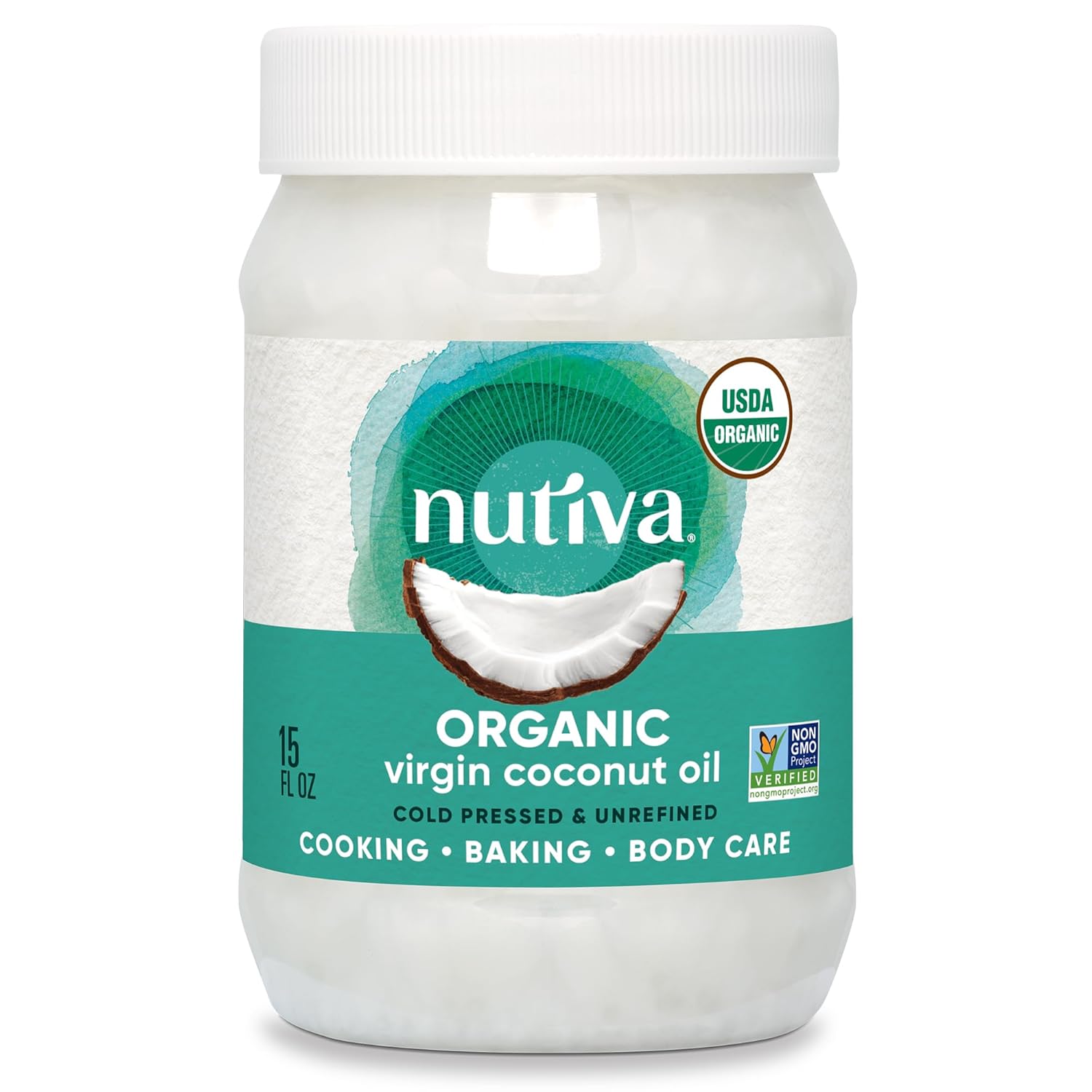
Oil pulling is the single highest-leverage at-home whitening practice for the natural-first crowd. Ten minutes of swishing virgin coconut oil between your teeth first thing every morning lifts the protein biofilm that holds yellow staining. The lauric acid is the active ingredient. Unrefined virgin coconut oil retains the lauric acid that refined versions strip out. Nutiva is USDA Organic and the established gold standard for this:
Nutiva Organic Virgin Coconut Oil (Cold Pressed, Unrefined, Non-GMO)
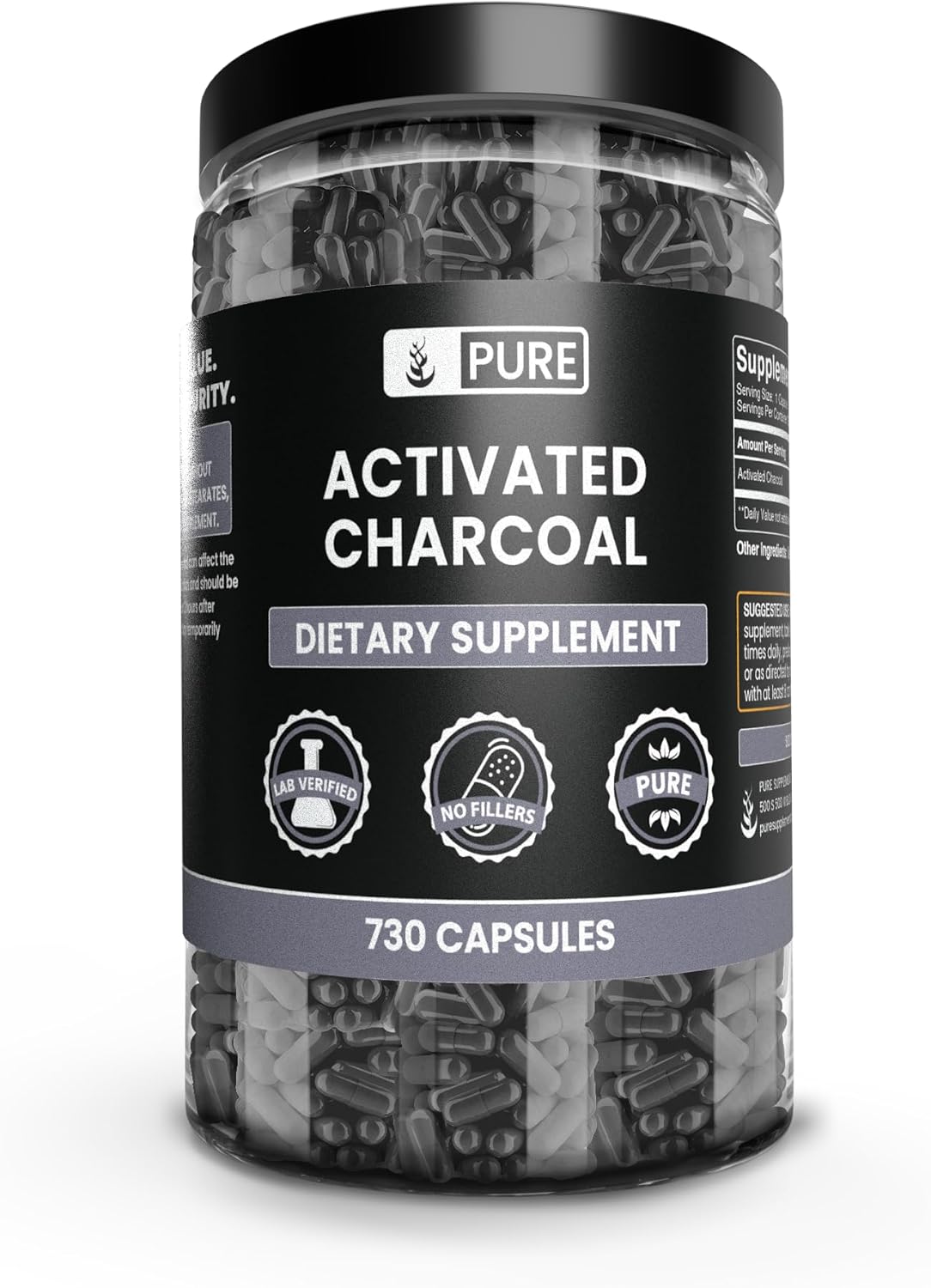
For the weekly activated charcoal finishing step (not daily, because charcoal is mildly abrasive over time), open a single capsule and use the powder on a wet brush. Pure Original Ingredients is the cleanest option we have used. Single ingredient, no fillers, no sweeteners hidden in the formulation:
Pure Original Ingredients Activated Charcoal (730 Capsules, No Fillers)
Frequently Asked Questions
How much does teeth whitening cost near me?
In-office light whitening ranges 300 to 1,000 dollars per session in 2026. Custom take-home dentist trays run 300 to 500 dollars for the initial fitting plus refill gel. Drugstore strips (Crest 3D, Lumineux) are 30 to 60 dollars per kit. Mall kiosk whitening is 75 to 200 dollars but has limited clinical benefit and is usually not worth the price for the result. The natural at-home routine in the tool above costs about 30 dollars in supplies and delivers 1 to 2 shades of brightening over 4 to 6 weeks.
Is teeth whitening safe for enamel?
Dentist-supervised whitening with appropriate peroxide concentration is safe for healthy enamel. Done daily without supervision (drugstore strips for months, or constant kiosk visits), it thins enamel and increases sensitivity. The natural at-home routine in the tool above does not damage enamel because it does not use peroxide. The question to ask any practitioner before booking: what is the peroxide concentration, and how is it adjusted to my specific enamel condition.
Why are my teeth still yellow after whitening?
Three common reasons. First, your existing fillings or crowns do not whiten and now look darker against newly-white surrounding teeth. Second, your dentin (the layer under enamel) has a naturally yellow color, and you have hit the genetic floor for what whitening can change. Third, internal staining from tetracycline exposure, heavy metal load, or fluoride excess affects the tooth from the inside and surface treatments cannot reach it. The Deeper Pattern card above explores the internal-staining cause.
Can I whiten my teeth naturally without a dentist?
Yes, for 1 to 2 visible shades of brightening over 4 to 6 weeks. The natural at-home routine in the tool above (oil pulling, hydroxyapatite toothpaste, weekly charcoal, diet) works without enamel damage and is sustainable long term. It will not take a deeply yellowed smile to celebrity-white, but it will get most people to the shade their teeth are supposed to be. For dramatic changes, dentist-supervised whitening is the safest fast path.