
Ringworm is one of the most common skin infections, and it’s notoriously difficult to treat. The fungus that causes ringworm, called dermatophytes, thrives in warm, moist environments.
Recurring fungal issues can reflect deeper imbalance
Build My Ringworm Treatment Protocol




If your ringworm keeps recurring, your immune resilience is the lever — not stronger antifungal
This includes the hair follicles and sebaceous glands (the oil-producing areas on the face), which makes ringworm a very challenging condition to manage.
What are some of the most common ways to get ringworm?
The most common ways to get ringworm are direct contact with an infected person or animal, contact with contaminated surfaces, or through the air.
Ringworm is a fungus that can infect the skin, scalp, nails, and feet. It’s a very contagious infection and can be spread through close contact with an infected person or animal, by touching contaminated surfaces or objects, and even through the air.
What does ringworm look like?
Ringworm is a type of skin infection that gets its name from the distinctive red, circular rash it produces. The rash is caused by a fungus that lives on the surface of the skin and can spread quickly. While ringworm can occur anywhere on the body, it’s most commonly found on the scalp, feet, and groin.
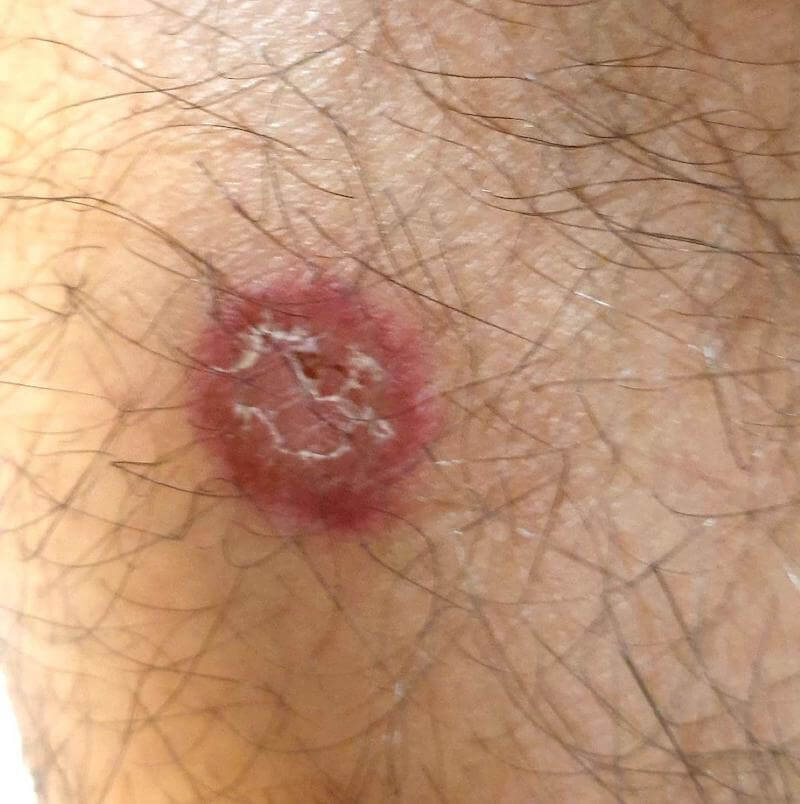
Symptoms of ringworm include:
– A red, circular rash with a raised border
– Itching or burning sensation around the area of the rash
Parasite work helps some people enormously and leaves others wondering why nothing changed after a full cleanse. The usual reason is that the dominant toxic load wasn't actually parasites — heavy metals, mold, or chronic adrenal drain was sitting underneath, and parasite protocols can't reach what isn't the bottleneck. Before another round, it's worth knowing which load is actually yours. The 2-minute What's Draining Your Brain Tool sorts you into one of four root causes so you stop chasing the wrong cleanse.
– Scaly skin patches in the affected area
– Hair loss around the rash
Related Blogs
Does Hand Sanitizer Kill Ringworm
Why is it so hard to get rid of ringworm?
There are a few factors at play that make ringworm a difficult condition to get rid of.
- Ringworm thrives in warm and moist environments, which the human body and its crevices are ideal for.
- Ringworm can live off dead skin cells; antifungal drugs only work against certain types of fungi; and repeated doses often aren’t as effective as initial doses because the fungal population becomes resistant over time.
- It is caused by a fungus, and fungi are very hard to kill. In fact, fungi are some of the most resilient organisms on Earth. Fungi have developed ingenious ways to survive in hostile environments. For example, they can produce spores that can remain viable for many years, even in the absence of a food source. They can also form thick protective walls around their cells that make them resistant to many disinfectants.
- Some fungi produce powerful enzymes that can break down even the toughest organic materials like wood or bone. This makes them very difficult to eradicate from a living organism, such as a human being.
What essential oils are good for ringworm?
Ringworm is a skin infection caused by the fungus dermatophyte. It most commonly affects the scalp, but can also occur on other parts of the body. Ringworm is notoriously difficult to treat and can be extremely contagious, so it’s important to take action as soon as you notice symptoms.
Nature has provided some excellent ringworm remedies in the form of essential oils derived from powerful plants.If you are interested in skipping the pharmacy and the ointments requiring a prescription that come with all sorts of unwanted side effects, read on.
If you are ready to try essential oils for ringworm, read on. You’ll learn which oils work well, especially in combination, to fight the fungus.
We will also disclose the two best 100% natural ointments made with a blend of the essential oils mentioned here that are specifically formulated for clearing up ringworm infections.
Related Blogs
Does Hand Sanitizer Kill Ringworm
What essential oils are good for ringworm?
Here are several essential oils that have been shown to be effective in treating ringworm. We will introduce the top 5:
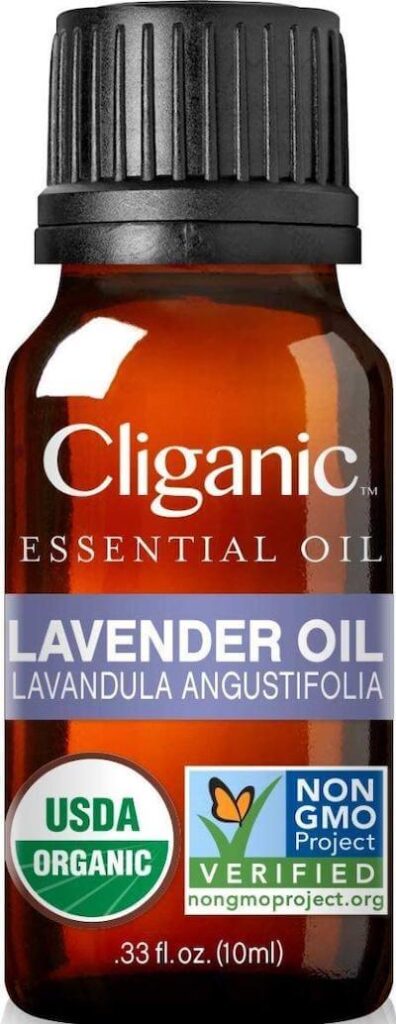
1. Lavender
Lavender is known for its many health benefits, one of which is helping to eliminate ringworm fungus. Ringworm is a type of fungal infection that can be uncomfortable and difficult to treat. Lavender oil has antifungal properties that help fight off the fungus.
To use lavender oil as a treatment for ringworm, mix it with coconut oil or olive oil and apply it topically to the skin twice daily.
1. Cliganic USDA Organic Lavender Essential Oil – 100% Pure Natural Undiluted
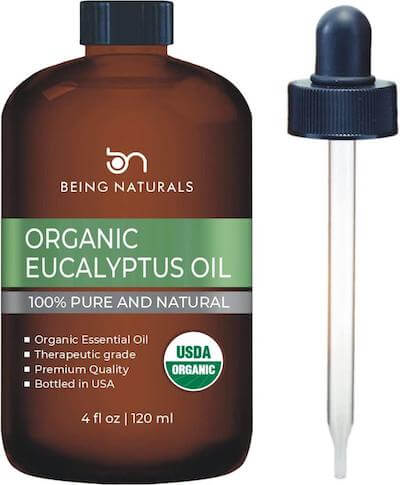
2. Eucalyptus
Eucalyptus essential oil is a popular choice for many people looking to eliminate fungus, particularly ringworm fungus. This powerful extract has anti-fungal properties that can help clear the infection and restore healthy skin. This natural remedy works by killing the fungi directly and preventing it from reproducing.
To use eucalyptus oil to treat ringworm fungus, apply it topically to the infected area several times per day.
2. Organic Eucalyptus Essential Oil – Huge 4 FL OZ – 100% Pure & Natural
3. Tea Tree
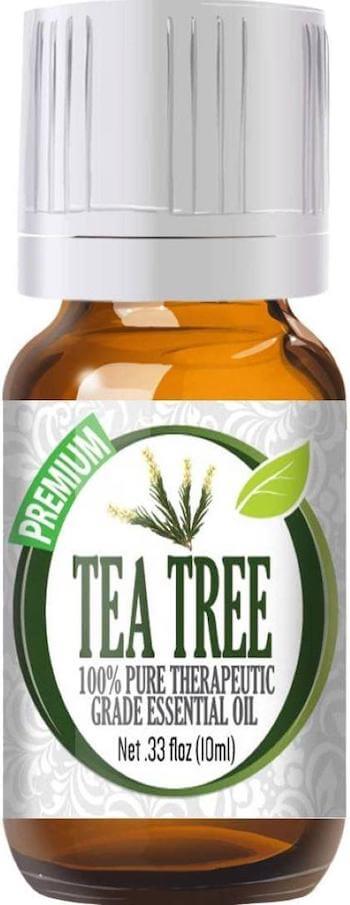
Tea tree oil is a natural extract from the leaves of the Melaleuca alternifolia tree. It has been used for centuries to treat a variety of skin and hair problems, including ringworm fungus.
Tea tree oil works by killing the fungi cells that cause ringworm infection. The essential oil also kills other bacteria on the skin, which helps prevent future fungal growth.
To use tea tree oil as an antifungal agent, apply it to areas where you suspect fungus is present. The scalp, nails, or feet are common places. Massage it into your skin and repeat once or twice per day.
Wuvezrub Tea Tree Essential Oils 10ML, 100% Pure and Natural Essential
4. Oregano
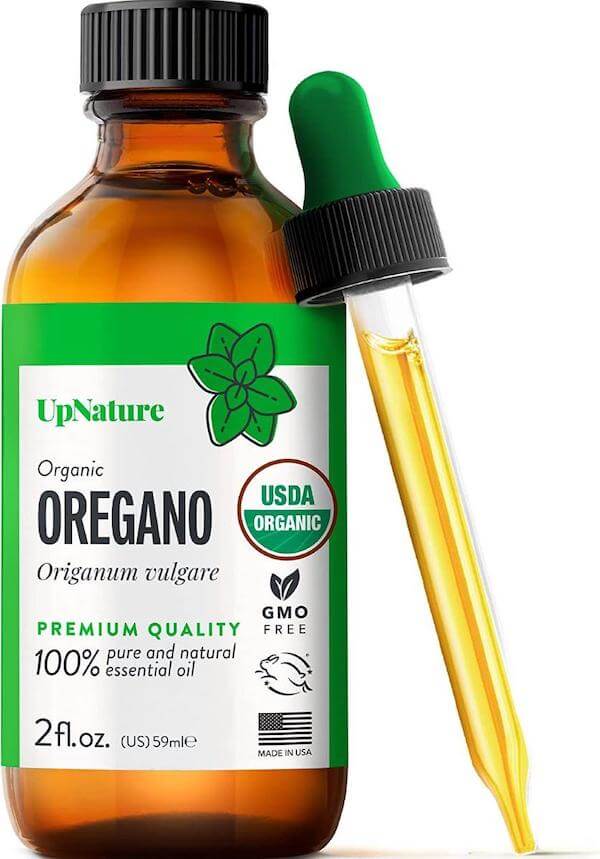
Oregano oil is a popular choice for people looking to treat various health problems. Oregano oil has antiviral, antibacterial, and antifungal properties that make it ideal for fighting infection.
One of its best-known benefits is its ability to eliminate ringworm fungus.
Ringworm is a fungal infection that primarily affects the skin and scalp but can also affect other parts of the body (including the nails). It’s usually treated using topical medications, but oregano oil may be an effective alternative.
One study published in The Journal of Antipyretic, Anti-inflammatory, and Analgesic Drugs found that oregano oil was as effective as ketoconazole (a commonly prescribed antifungal agent) in treating ringworm. In addition, oregano oil was found to be safe and noninvasive when used topically on the skin.
4. Organic Oregano Essential Oil 2 OZ, USDA Certified Organic, Pure Oregano Oil
All of the above essential oils can treat ringworm quite effectively. Mixing them together in a balm helps secure them to the skin and makes their absorption into the skin most effective.
2 highly rated essential oi balms for ringworm that will get rid of it fast!
Below are two excellent essential oil balm ointments that are highly rated on Amazon. They are blended carefully together in the right proportions to target the ringworm fungus and get rid of it fast.
Balms like these get the job done, and they smell great too!
1. Remedy Tea Tree Oil Balm
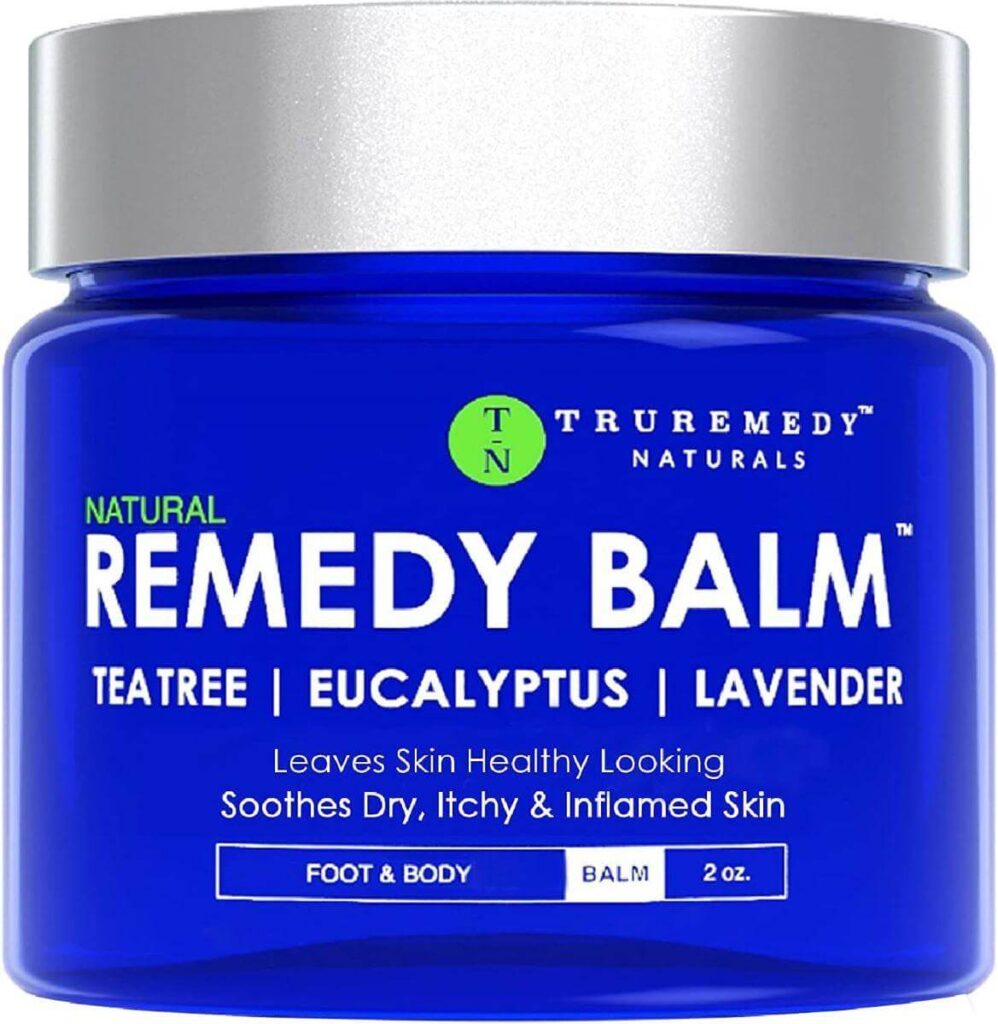
Why we love Natural Remedy Balm to treat ringworm naturally:
- Premium and organic essential oils blended together- tea tree, eucalyptus and lavender.
- Powerful balm defends the skin, nails against fungal infections like ringworm
- 100% organic and natural
- Smells fresh
- 100% satisfaction guarantee
- Highly rated on Amazon
2. Tea Tree Oil Balm for Skin, Extra Strength, Pair Well with Ringworm Plant Powered Wonder Balm
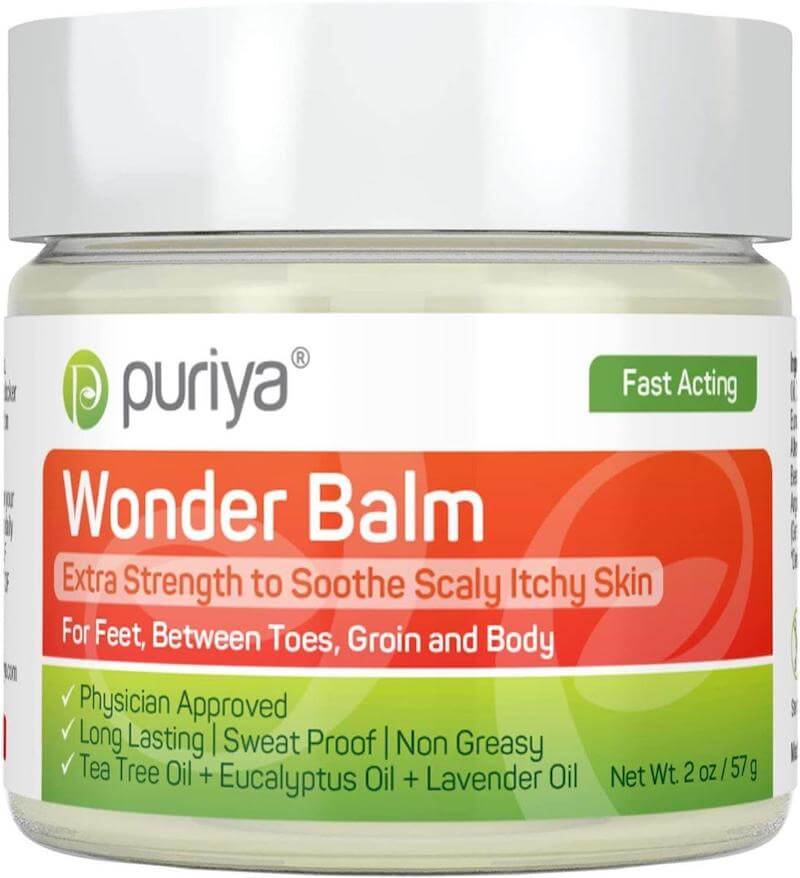
Why we love Puriya Wonder Balm to treat ringworm:
- Fast acting tea tree balm and eucalyptus
- Forms a defensive layer on the skin
- Sensitive skin approved
- Sweatproof
- Lightweight
- Smells clean and fresh
- Highly rated on Amazon
Ringworm can be a difficult fight to win. Pharmaceutical options are often offered by doctors, but they do not know too much about natural options.
If you want to try something natural, like essential oils that won’t over-burden the liver with chemicals, this article will guide you through. We hope the information provided in this article was helpful, and we wish you well as you get rid of ringworm quickly!
More from the wellthieone.com
What the research says
There is reasonable support here. According to PubMed, tea tree (Melaleuca) oil has documented antifungal activity, including against the kinds of yeasts and fungi that affect the skin (Gupta et al., 2004, American Journal of Clinical Dermatology, DOI). That makes diluted tea tree a sensible complementary option for mild ringworm — but widespread, scalp, or stubborn cases need a doctor and proper antifungal treatment.
Frequently asked questions
Does tea tree oil kill ringworm?
Tea tree has real antifungal activity and may help mild, localized ringworm when diluted and applied consistently. It is best seen as a complement to, not a replacement for, proven antifungal treatment, especially for spreading or scalp cases.
How do you use essential oils for ringworm?
Dilute tea tree (and optionally lavender) in a carrier oil, apply to the area two to three times daily with a clean cotton pad, and wash hands after. Patch test first and keep it off broken skin and the eyes.
When should I see a doctor for ringworm?
If it spreads, affects the scalp or nails, does not improve within a couple of weeks, or you have a weakened immune system, see a doctor for proper antifungal treatment.
Frequent Fungal Flare-Ups Can Signal Toxic Load
New to essential oils? Start with our complete, safety-first guide to using essential oils — the best oils for each concern, how to use them, and what the research shows.
The links used on thewellthieone.com are affiliate links, which may provide a small commission. This does not increase the price of the goods for the consumer whatsoever. What it does is ensure that useful content like this can continue to be produced. Thank-you for enjoying our content and allowing us to continue to provide more.
The research behind tea tree oil for ringworm (PubMed citations)
-
Laffleur F, Ataii M, Nagler M. (2021). Evaluation of cellulose based films comprising tea tree oil against dermatophytes and yeasts. European Journal of Pharmaceutical Sciences, 167:105989. [DOI]
Direct testing of tea tree oil against Trichophyton rubrum (the most common dermatophyte causing ringworm and athlete’s foot). Confirms why tea tree oil is the primary essential oil recommended in the protocol builder above.
-
Chaftar N, et al. (2016). Comparative evaluation of the antimicrobial activity of 19 essential oils. Advances in Experimental Medicine and Biology, 901:1-15. [DOI]
Compared 19 essential oils against bacteria and fungi including dermatophytes (Trichophyton species). Oregano (high carvacrol content) and thyme demonstrated the strongest antifungal activity — supporting the protocol’s aggressive-case recommendation of oregano oil.
-
López V, et al. (2017). Exploring Pharmacological Mechanisms of Lavender (Lavandula angustifolia) Essential Oil on Central Nervous System Targets. Frontiers in Pharmacology, 8:280. [DOI]
Documented lavender oil’s NMDA-receptor binding and antioxidant activity in skin cells (SH-SY5Y). Supports the protocol’s use of lavender for sensitive areas (face, groin) where harsher EOs would irritate.