Around 27,100 people search for a dental bridge dentist near them every month, and most pick the first practice that takes their insurance. That works if your bridge is straightforward and you have no sensitivity to dental metals. It does not work if you have amalgams already in your mouth, autoimmune flares around dental work, or want a non-fluoride, non-mercury approach to your whole oral health picture.
The tool below maps holistic and biocompatibility-trained dentists near your ZIP code, gives you the 8 credential questions to ask before booking, and links you to the anesthesia detox protocol you will want to start within 24 hours of the procedure.
Find A Holistic Dentist For Bridge Work Near You
Map biocompatibility-trained dentists near your ZIP code, get the credential questions to ask before booking, and the anesthesia detox protocol to start within 24 hours of the procedure.
Enter your ZIP code or city. Opens Google Maps with a search optimized for biological / holistic / IAOMT-friendly dentists, not just the closest conventional practice.
In your map results, prioritize listings that mention:
- “IAOMT” or “biological dentist” or “holistic dentist”
- “Biocompatibility testing” or “Clifford test”
- “Metal-free” or “mercury-free” or “amalgam-free”
- “Zirconia” or “all-porcelain crowns and bridges”
- “SMART amalgam removal” (IAOMT protocol)
Tap each question to see why it matters. Ask all 8 at the consultation. A holistic dentist welcomes these questions. A conventional one may push back.
Bentonite, charcoal, chelation, cilantro, mercury chasing — these protocols all assume heavy metals are your dominant toxic load. For some people they are. Plenty of others land in this kind of work suspecting metals when adrenal exhaustion, parasites, or mold are actually doing more of the damage, and the protocols look very different depending which one is yours. If you want to sort it out before committing to weeks of binders, the 2-minute What's Draining Your Brain Tool places you in one of four root cause types so the next thing you try has a real chance of working.
Start steps 1 and 2 the morning of your bridge appointment. The other steps add in over the following 7 to 14 days. The full deep-dive on this protocol with phase-by-phase guidance is in our 7-step anesthesia detox guide.
If you are on blood thinners, immunosuppressants, or have a history of severe reaction to dental anesthesia, run this protocol past your prescribing dentist or functional medicine practitioner before starting.
Dental Infections Are Rarely Truly Local
A dental bridge is replacing teeth that died from something. Root canal failure, untreated decay, periodontal disease, or trauma. The reason that something happened is usually not local to the mouth. Heavy metal load weakens enamel and dentin from the inside, mold biotoxins inflame the gum line, parasite-driven mineral depletion accelerates decay, and adrenal burnout drops salivary protection. The 90 second Toxic Load Tool finds which one is driving yours.
Use The Toxic Load ToolDetox Anesthesia After Your Bridge Procedure
Dental bridge work usually involves at least local anesthesia and often sedation. Lipid-soluble agents bind to fat tissue and recirculate through the liver for 2 to 6 weeks. Start the 7-step protocol within 24 hours of the procedure to cut that recovery to 2 to 3 weeks. The two highest-leverage steps are hydration with electrolytes and activated charcoal (timed 2 hours from any meds).
Read The Full 7-Step Anesthesia Detox ProtocolBridge Material Options Compared
Zirconia (all-ceramic). Strongest non-metal option, biocompatible, no metal allergy risk, holds color well over time. Best for back-of-mouth bridges where bite force is high. Cost is higher than PFM. The right choice for most natural-first patients.
All-porcelain (lithium disilicate, E.max). Most natural-looking, best translucency for front teeth. Slightly less durable than zirconia for back-of-mouth work. Good for cosmetic bridges where appearance matters most.
Porcelain-fused-to-metal (PFM). The most common conventional option. Contains a metal substructure (nickel-cobalt, palladium, or gold alloys) under a porcelain shell. Cheaper than zirconia. The metal can leak ions into surrounding tissue over years. Avoid if you have any metal sensitivity history, autoimmune conditions, or existing amalgams.
Gold (full-cast). Old-school option, still used occasionally. Highly durable. Visible if placed in front teeth. Considered relatively biocompatible because gold is inert, but the alloy may include other metals you do not want.
Maryland (resin-bonded) bridge. Conservative option that bonds to adjacent teeth with wings rather than crowning them. Lasts 5 to 10 years. Lower-cost. Best for front-of-mouth bridges in patients with healthy adjacent teeth.
What Dental Bridges Cost
Pricing varies significantly by material, region, and practitioner type. Reasonable 2026 ranges for a single 3-unit bridge in the United States:
PFM bridge at a conventional practice: $1,500 to $3,500 (often insurance-covered)
Zirconia bridge at a holistic or biological dentist: $2,500 to $5,500 (often partial insurance coverage)
All-porcelain bridge: $3,000 to $6,000
Maryland bridge: $1,000 to $2,500
Full-cast gold bridge: $3,500 to $7,000
A biological dentist who does biocompatibility testing typically charges $300 to $600 for the testing on top of the bridge cost, but this is a one-time test that informs all your future dental material choices, not just this bridge.
When To Choose A Bridge vs An Implant
The implant-vs-bridge decision is not just about cost. It is about jawbone health, immune profile, and how much disruption your body can absorb in the next 6 months.
Bridge wins if: the adjacent teeth already need crowns anyway (the bridge work piggybacks); you have decent jawbone density but not enough for implant placement; you are immune-sensitive and want to avoid the titanium load of an implant; you need the result completed in 2 to 4 weeks rather than 4 to 9 months.
Implant wins if: the adjacent teeth are healthy and untouched (a bridge would require grinding them down unnecessarily); your jawbone is dense or can be augmented; you want a 25-plus year solution rather than the 10 to 15 year lifespan of a bridge; you are not sensitive to titanium (zirconia implants exist as a biocompatible alternative).
For natural-first patients, the question to take to your consult is: “Given my immune profile and my goal of minimal mouth surgery over my lifetime, would you actually recommend bridge or implant for THIS gap?” A good dentist gives a clear answer, often with reasoning that includes more than just dental considerations.
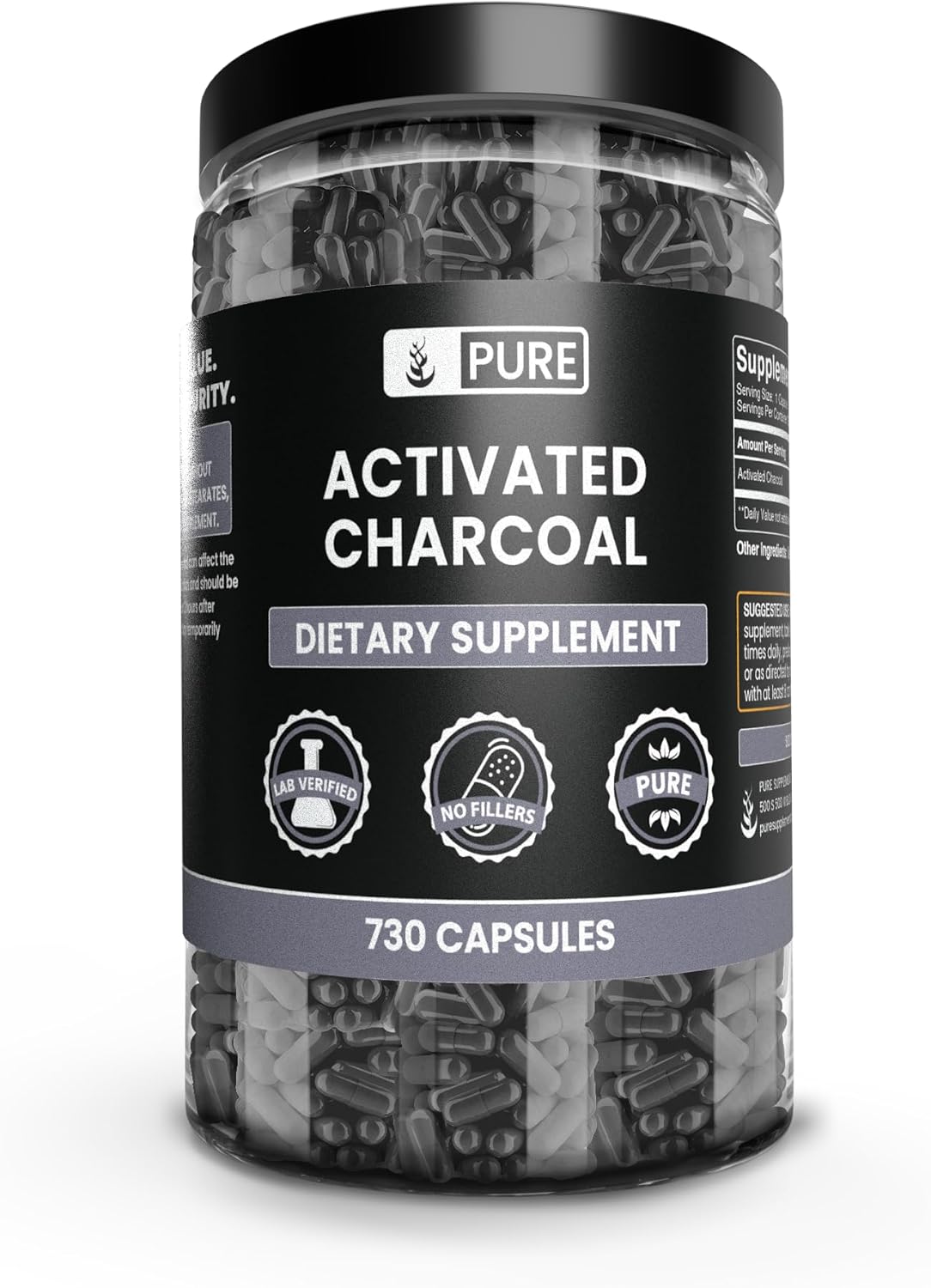
Step 2 of the anesthesia detox protocol calls for activated charcoal twice daily starting the morning of your procedure. The choice matters because most charcoal supplements are cut with magnesium stearate, rice flour, or silica fillers that reduce binding power. Pure Original Ingredients lists charcoal as the single ingredient, no excipients, lab verified for quality. Keep a jar in the medicine cabinet, it doubles as the household emergency binder:
Pure Original Ingredients Activated Charcoal (730 Capsules, No Fillers)
Step 4 of the anesthesia detox protocol uses glutathione, the master antioxidant the liver needs to finish detoxing anesthesia metabolites. Liposomal liquid form absorbs intact, unlike standard oral glutathione which mostly gets destroyed by stomach acid. Rho Nutrition produces a clean liposomal liquid with no artificial flavors or sweeteners. One teaspoon under the tongue daily for 2 to 4 weeks post-procedure:
Rho Nutrition Liposomal Glutathione

Related Reading
- How To Detox Anesthesia After Dental Surgery: The 7-Step Protocol
- Teeth Whitening Near Me: Find A Dentist Tool
- How To Avoid A Root Canal
- Activated Charcoal After Surgery: When It Helps Detox Anesthesia
Frequently Asked Questions
How much do dental bridges cost near me?
A 3-unit zirconia bridge at a holistic or biological dentist ranges 2,500 to 5,500 dollars in 2026. PFM bridges at conventional practices run 1,500 to 3,500. All-porcelain bridges 3,000 to 6,000. Maryland (resin-bonded) bridges 1,000 to 2,500. Biocompatibility testing adds 300 to 600 dollars but informs all future dental material decisions, not just this bridge.
Are dental bridges safer than implants for someone with autoimmune issues?
Sometimes. Bridges avoid the titanium load of an implant, which matters if you have an autoimmune condition triggered by metals. But bridges require grinding down the adjacent teeth, which is its own immune disruption. Zirconia implants exist as a metal-free alternative. The right call depends on your specific autoimmune profile and the health of the adjacent teeth. Biocompatibility testing before either procedure is the highest-leverage step.
What dentist should I see for a dental bridge if I have amalgams?
An IAOMT-certified or IABDM-certified biological dentist. These practitioners follow the SMART (Safe Mercury Amalgam Removal Technique) protocol if any amalgams need replacement adjacent to your bridge work, and they use biocompatibility testing to pick non-reactive bridge materials. A conventional dentist may inadvertently disturb existing amalgams during bridge preparation, releasing 4 to 5 times more mercury vapor than necessary.
How long does it take to detox anesthesia after a dental bridge?
Local anesthetics clear in 4 to 8 hours. Sedation agents and lipid-soluble general anesthetics (if used) take 2 to 6 weeks for full clearance from fat tissue. Starting the 7-step anesthesia detox protocol within 24 hours of the procedure typically cuts that to 2 to 3 weeks. The protocol is linked above in the green callout box.