
Bentonite clay toothpaste is the natural-medicine answer to the modern toothpaste question. The clay does three things at once: it binds heavy metals on contact (the same negative-ionic-charge mechanism that makes bentonite useful in detox baths), it delivers calcium and silica that enamel can use for remineralization, and it scours plaque without the abrasive scratching that baking soda alone causes. Made correctly, it is one of the best things you can do for your teeth.
Made wrong, it can over-strip your oral microbiome or barely do anything. The Personalizer Tool below picks the right variant for your specific case (heavy metal binding, sensitive teeth, gum support, remineralizing, kid-safe) and walks you through the recipe with measurements, method, and use frequency.
Bentonite Clay Toothpaste Recipe Personalizer Tool
Tap every statement that matches your situation. The tool returns a structured recipe card with ingredients, method, use frequency, and notes.
Choosing Bentonite Often Means You Suspect Toxic Load
Most people reach for bentonite toothpaste because they have amalgams, brain fog, or symptoms they suspect are toxin-related. The toothpaste helps locally but the bigger lever is identifying which upstream driver is dominant in your case. Heavy metal load, mold biotoxins, parasites, and chronic adrenal depletion each call for different layered protocols alongside the toothpaste. The 90 second Toxic Load Tool finds which one is driving yours.
Use The Toxic Load ToolWhy Bentonite Clay Belongs In Toothpaste
Bentonite is a volcanic ash clay with a strong negative ionic charge. That charge gives it two superpowers relevant to oral care.
First, heavy metal binding. Mercury (from amalgam fillings), lead (from older water lines and lipsticks), aluminum (from many conventional toothpastes ironically), and other positively-charged metal ions bind to the clay on contact. The clay then carries them out of the mouth when you spit. This makes bentonite particularly useful for patients with amalgams because the constant low-level mercury exposure from the amalgams gets reduced at the source.
Bentonite, charcoal, chelation, cilantro, mercury chasing — these protocols all assume heavy metals are your dominant toxic load. For some people they are. Plenty of others land in this kind of work suspecting metals when adrenal exhaustion, parasites, or mold are actually doing more of the damage, and the protocols look very different depending which one is yours. If you want to sort it out before committing to weeks of binders, the 2-minute What's Draining Your Brain Tool places you in one of four root cause types so the next thing you try has a real chance of working.
Second, gentle remineralization. Bentonite contains naturally occurring calcium, magnesium, silica, and iron — the same trace minerals enamel uses to rebuild. Combined with hydroxyapatite (the synthetic version of the calcium-phosphate mineral that makes up 97 percent of enamel), bentonite toothpaste actively rebuilds microscopic enamel erosions instead of just preventing new damage.
The standard concern about bentonite — that it is too abrasive — is usually misplaced. Bentonite has a relative dentin abrasivity (RDA) score around 8, whereas most commercial whitening toothpastes score 150 to 200. Bentonite is gentler than baking soda alone.
Calcium Bentonite Vs Sodium Bentonite (Use The Right One)
There are two main bentonite types and they are NOT interchangeable for oral use.
Calcium bentonite (the right one for toothpaste). Aztec Secret Indian Healing Clay is the most well-known brand. The calcium content makes it gentle enough for daily oral use and adds mineral support for enamel. This is what every recipe on this page uses.
Sodium bentonite (the wrong one for toothpaste). Sodium bentonite has a stronger pull and is what you want for bath protocols where you are targeting heavy metals systemically. Used daily in the mouth it can be too aggressive on the oral microbiome and pulls minerals out of the enamel faster than they can be replaced. Save sodium bentonite for the bath. See our Bentonite Clay Detox Bath guide for that protocol.
Bentonite Vs Baking Soda Abrasivity
The most common pushback on natural toothpaste is “but baking soda is abrasive.” That is true for baking soda. It is NOT true for bentonite.
Relative Dentin Abrasivity (RDA) scores published by the ADA:
RDA 0 to 70: low abrasivity (safe for daily use). Bentonite clay sits around RDA 8. Plain water rinse is RDA 4. Most hydroxyapatite-based natural toothpastes are RDA 30 to 50.
RDA 70 to 100: medium. Most standard fluoride toothpastes (Colgate Total, Crest Cavity Protection) sit around RDA 70.
RDA 100 to 150: high. Baking soda alone is RDA 7 to 30 surprisingly low, but most baking-soda-plus-peroxide whitening toothpastes hit RDA 120 to 150.
RDA 150+: damaging with daily use. Crest 3D Whitening hits RDA 168. Charcoal toothpastes vary from RDA 50 to 250+ depending on particle size.
Bentonite at RDA 8 is one of the gentlest mechanically active toothpastes you can use. The concern people have about “scrubbing with dirt” is anchored in not knowing the RDA numbers. Bentonite is mechanically gentler than the toothpaste they are using now.
When To Skip Bentonite Toothpaste
Bentonite toothpaste is safe for most adults, but skip it or modify your approach if any of these apply:
Active root canal infection. Get the infection clinically resolved first. Topical care does not address infections beneath the gum line.
Severe enamel erosion to dentin. Hydroxyapatite alone is the better choice until enamel is at least partially restored. Bentonite can be added once enamel thickness improves.
Immediately post-orthodontic adjustment. Wait 48 hours after orthodontist visits before using gritty clay-based toothpaste.
Children under age 2. Use a soft cloth with plain water until age 2, then introduce the Kid-Safe Version above.
The bentonite of choice for the recipe is Aztec Secret Indian Healing Clay, which Andrea’s family has used for the bentonite bath protocol and now in this toothpaste recipe. It is calcium bentonite (not sodium), 100 percent pure with no additives, and well within food-grade purity specs. One pound lasts about 4 months of daily toothpaste making:
Aztec Secret Indian Healing Clay (Calcium Bentonite)

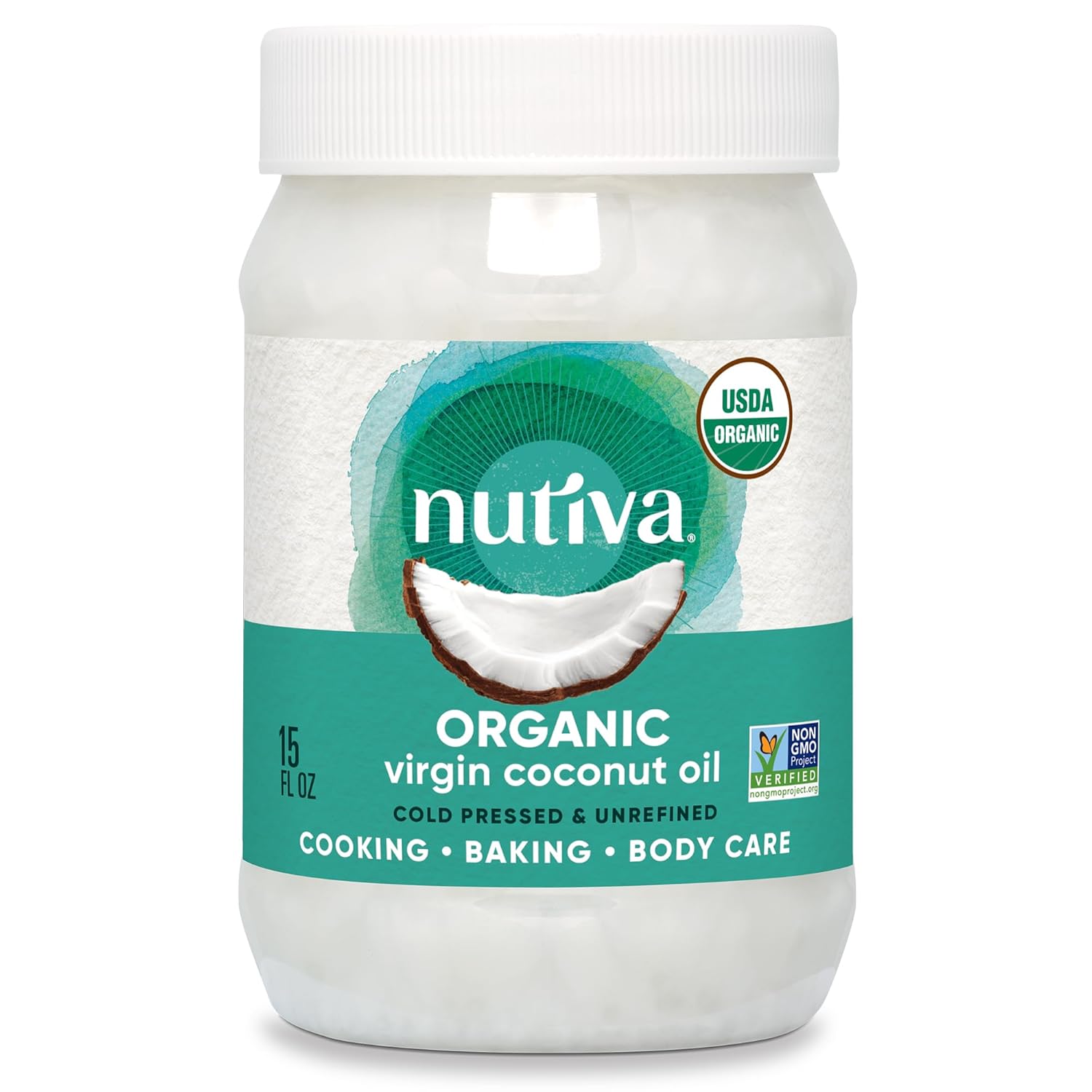
The coconut oil base matters because refined coconut oil is stripped of the lauric acid that gives the toothpaste its antimicrobial muscle. Nutiva Organic Virgin Coconut Oil is the gold standard: USDA Organic, cold-pressed, unrefined, non-GMO. One 15-oz jar makes about 8 batches of bentonite toothpaste, lasting 4 to 6 months for a single adult:
Nutiva Organic Virgin Coconut Oil (Cold-Pressed, Unrefined)
Related Reading
- Homemade Clove Toothpaste Recipe + Free Personalizer Tool
- Hydroxyapatite Toothpaste Benefits + Free Picker Tool
- Can Gum Disease Kill You? Stage Identifier Tool
- Bentonite Clay Detox Bath + Free Protocol Picker Tool
- Dental Bridges Near Me + Find A Holistic Dentist Tool
- How To Detox Anesthesia After Dental Surgery
Frequently Asked Questions
Is bentonite clay safe to use as toothpaste daily?
Yes, calcium bentonite clay (not sodium bentonite) is safe for daily oral use. It scores RDA 8 on the dental abrasivity scale, making it gentler than most commercial toothpastes (which score RDA 70 to 168). The clay binds heavy metals on contact, scours plaque without scratching enamel, and contributes trace minerals enamel uses to rebuild. The key is using CALCIUM bentonite specifically (Aztec Secret), not sodium bentonite which is too aggressive for daily mouth use.
Will bentonite toothpaste really pull out heavy metals from my mouth?
Yes, at the surface level. Bentonite has a strong negative ionic charge that binds positively-charged metal ions on contact. This is well-documented in detox protocols and works the same way in the mouth. People with amalgam fillings often notice a faint metallic taste in the first week of bentonite toothpaste use; this is the clay mobilizing surface mercury. It does NOT pull metals out of fillings themselves (the metals are bound in the amalgam matrix), but it does reduce the constant low-level vapor exposure from those fillings.
Why does my bentonite toothpaste need to be mixed in a glass bowl?
Bentonite is electrically active. When it contacts metal (stainless steel bowl, metal spoon, aluminum container) the clay's negative ions discharge against the metal, neutralizing its binding capacity before it ever reaches your mouth. Use glass or wooden mixing bowls and non-metal spoons. Store in glass jars. This is the single most common mistake people make with bentonite recipes.
How often should I make a new batch?
A standard 2-tablespoon batch lasts 3 to 4 weeks for a single adult using it twice daily. The recipe stays fresh for 4 to 6 weeks in a glass jar at room temperature. Make the batch on a Sunday for the upcoming month, store in a clean glass jar with a wooden scoop, and you have a turnkey daily ritual. Larger batches are not recommended because essential oils and coconut oil quality degrade past the 6-week mark.