
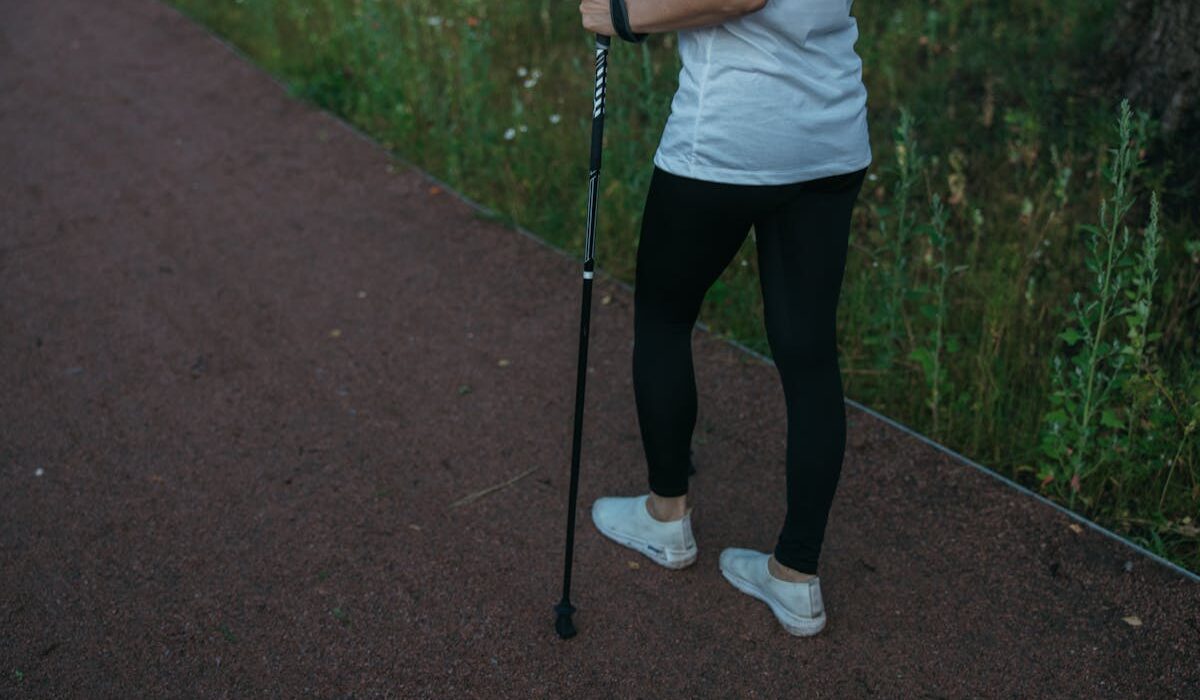
A packed calendar full of conference room meetings drains the body and the mind. Sitting for hours also flattens creative energy. A walking meeting for creativity changes that. You step outside, start talking, and the conversation moves with your feet. Many teams find the best ideas come in the first fifteen minutes of a walk.
This guide covers why walking meetings unlock creative thinking. You will learn how to plan one, who to invite, and what tools help you capture great ideas on the move.
What you will learn in this video:
- Why movement fuels divergent thinking and new ideas
- How a short walk changes the tone of a hard conversation
- Simple ways to replace a sit-down meeting with a walk
- Tips to make walking meetings work for remote teams too
Why Walking Meetings Spark Creativity
A Stanford study found that people produced sixty percent more creative output while walking. Movement boosts blood flow to the brain. Fresh air and changing scenery also loosen mental ruts. That shift is the core of why walking meetings feel different.
Walking also softens power dynamics. You are side by side, not across a table. Eye contact is gentle rather than intense. People tend to open up more freely on a walk.
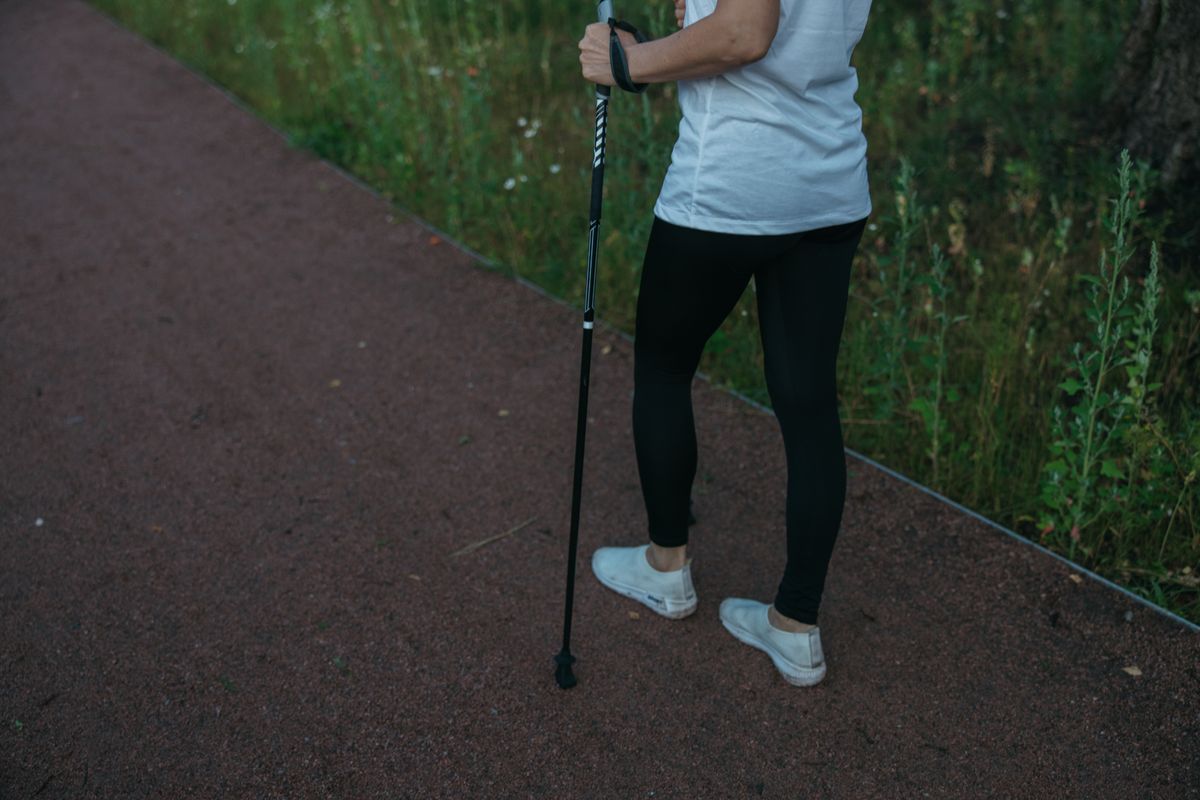
When to Use a Walking Meeting
Walking meetings shine for brainstorming and one-on-one check-ins. They also fit well for coaching talks and vision-level planning. They are less useful for meetings that need shared screens or notes. Save those for the desk.
A thirty-minute walk is a strong default. That is enough for one or two real topics. Shorter walks work for quick syncs.
The Tool Problem: Capturing Ideas on the Move
The best idea of the week often arrives mid-stride. Without a way to capture it, that spark can fade before you reach your desk. A small voice recorder or pocket notebook solves the problem. It keeps you present during the walk and the conversation.
HiDock P1 AI Voice Recorder

Source: amazon.com
Pocket AI recorder that transcribes conversations automatically.
The Wellthie One Review
HiDock P1 Voice Recorder Attributes
- AI-powered transcription into searchable notes
- Pairs with a phone over Bluetooth for calls
- Small enough to clip onto a pocket or shirt
- Long battery life for full days of meetings
This recorder is a clear upgrade from scrambling to type notes on a tiny phone keyboard. You press record, walk, talk, and get a clean transcript later. The audio quality handles outdoor wind better than a phone memo. It is the tool to beat for outdoor knowledge work.
How to Plan a Walking Meeting for Creativity
Start with a clear prompt rather than a vague agenda. Share the question you want to explore before the walk. That lets ideas marinate on the way to the meeting. It also prevents the first ten minutes from being warm-up chatter.
Keep the group small. Two or three people is the sweet spot. Larger groups fragment on sidewalks and lose thread. If you need a larger group, split into pairs and compare notes at the end.
Pick the Right Route
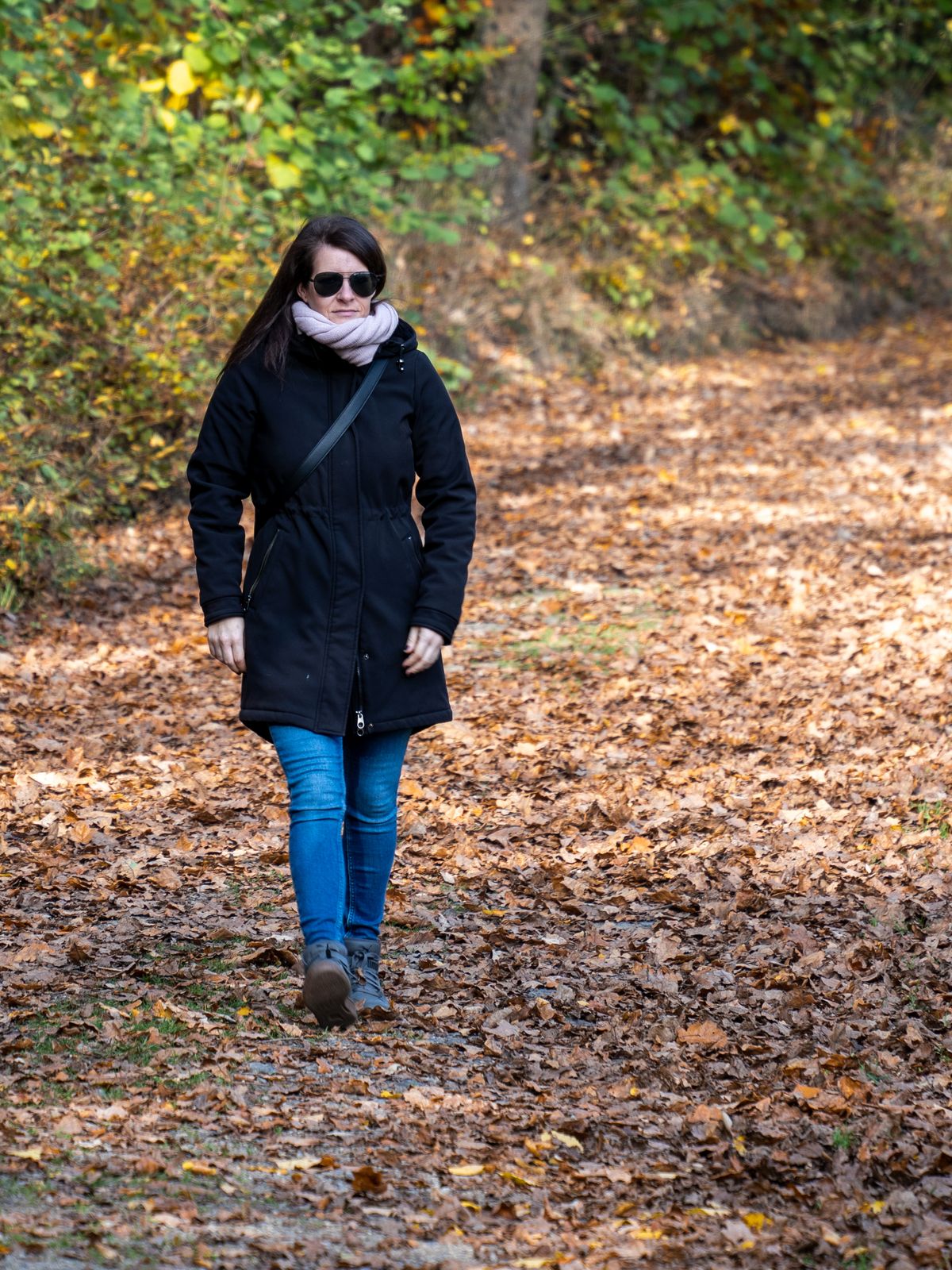
Choose a loop that ends where you started. Parks and quiet streets beat busy sidewalks. You want steady movement, not constant stops at lights. A familiar route frees the mind to wander toward ideas.
Time the loop to match your meeting length. A fifteen-minute loop fits a quick check-in. A thirty to forty-five minute loop fits a real brainstorm.
Capture Ideas Without Breaking Flow
Paper still wins for many people. A small pocket notebook stays useful even when your phone battery fades. It also makes the other walker feel less like they are being transcribed live.
Field Notes Original Kraft Memo Books (3 Pack)

Source: amazon.com
Classic kraft pocket notebooks sized to fit a back pocket or jacket.
The Wellthie One Review
Field Notes Memo Book Attributes
- Three 48-page notebooks in a durable kraft cover
- Small enough to slide into a back pocket
- Graph or ruled pages for quick sketching of ideas
- Made in the USA on recycled paper
Field Notes are a classic for a reason. They survive a jacket pocket and a light rain. Grab one, stash a pen, and you are set for any walking meeting. The constraint of a small page forces tighter, clearer notes.
Walking Meeting Etiquette That Respects Everyone
Check the weather before you suggest a walk. Rain or extreme heat can ruin the vibe. Share the planned pace in advance so no one feels rushed. Match your pace to the slower walker, not the faster one.
Dress code matters too. Not everyone wants to wear heels or tight shoes for a walking meeting. Offer it as optional, not a requirement. Give people a day of notice to pick comfortable footwear.

Remote Teams Can Walk Together Too
Remote walking meetings work with a simple phone call. Both people walk in their own neighborhood. You talk on speakerphone or earbuds. The rhythm is almost the same as walking together.
Use open-ear earbuds so you stay aware of traffic and people around you. Closed earbuds can dull the sounds that keep you safe on a sidewalk. Safety first, always.
TOZO OpenEarRing Open Ear Wireless Earbuds

Source: amazon.com
Open-ear design that keeps you aware of surroundings during calls.
The Wellthie One Review
TOZO OpenEarRing Attributes
- Open ear design leaves ear canal clear for ambient sound
- Lightweight hook fits comfortably over long calls
- Water resistant for unexpected drizzle
- Clear call quality for walking conversations
These open-ear buds are ideal for walk-and-talk calls. You can hear traffic and still hold a focused meeting. The hook stays put when you pick up the pace. It is a thoughtful choice for anyone who takes calls on the move.
Structuring a One Hour Creative Walk
Try this simple structure for a sixty-minute creative walking meeting.
- Minutes 0 to 10: frame the problem or question.
- Minutes 10 to 30: free brainstorm with no editing.
- Minutes 30 to 45: narrow down the top two or three ideas.
- Minutes 45 to 55: define next steps and owners.
- Minutes 55 to 60: cool down and recap out loud.
The recap at the end matters. Speak the key decisions aloud while still walking. That reinforces memory and prevents details from slipping away.

Pair It With Other Focus Habits
A walking meeting also pairs well with time-blocking on your calendar. You can line up a walk with your next Pomodoro block. See our guide on how to use the Pomodoro technique for deep work for one clean way to structure focus time.
Walk earlier in the day whenever you can. Morning walks tend to produce fresher ideas than afternoon ones. Fewer interruptions also mean more steady flow.
Frequently Asked Questions
How long should a walking meeting be? Thirty minutes is a great default for most brainstorms and one-on-ones.
Do I need notes? Yes, but brief ones. A pocket notebook or voice recorder captures ideas without breaking flow.
Is this okay for serious topics? Yes, many managers use walks for feedback and coaching conversations. Side-by-side helps.
Can I do this alone? Solo creative walks are a classic practice for writers and founders alike.
The Bottom Line
Walking meetings for creativity turn wasted commute steps into idea time. You get better conversations, warmer relationships, and sharper thinking. Pick a route, invite one person, and pack a small tool to catch ideas. The first walk is the hardest; after that, it is routine.
This post may contain affiliate links, which means we may receive a small commission, at no cost to you, if you make a purchase through a link.


