
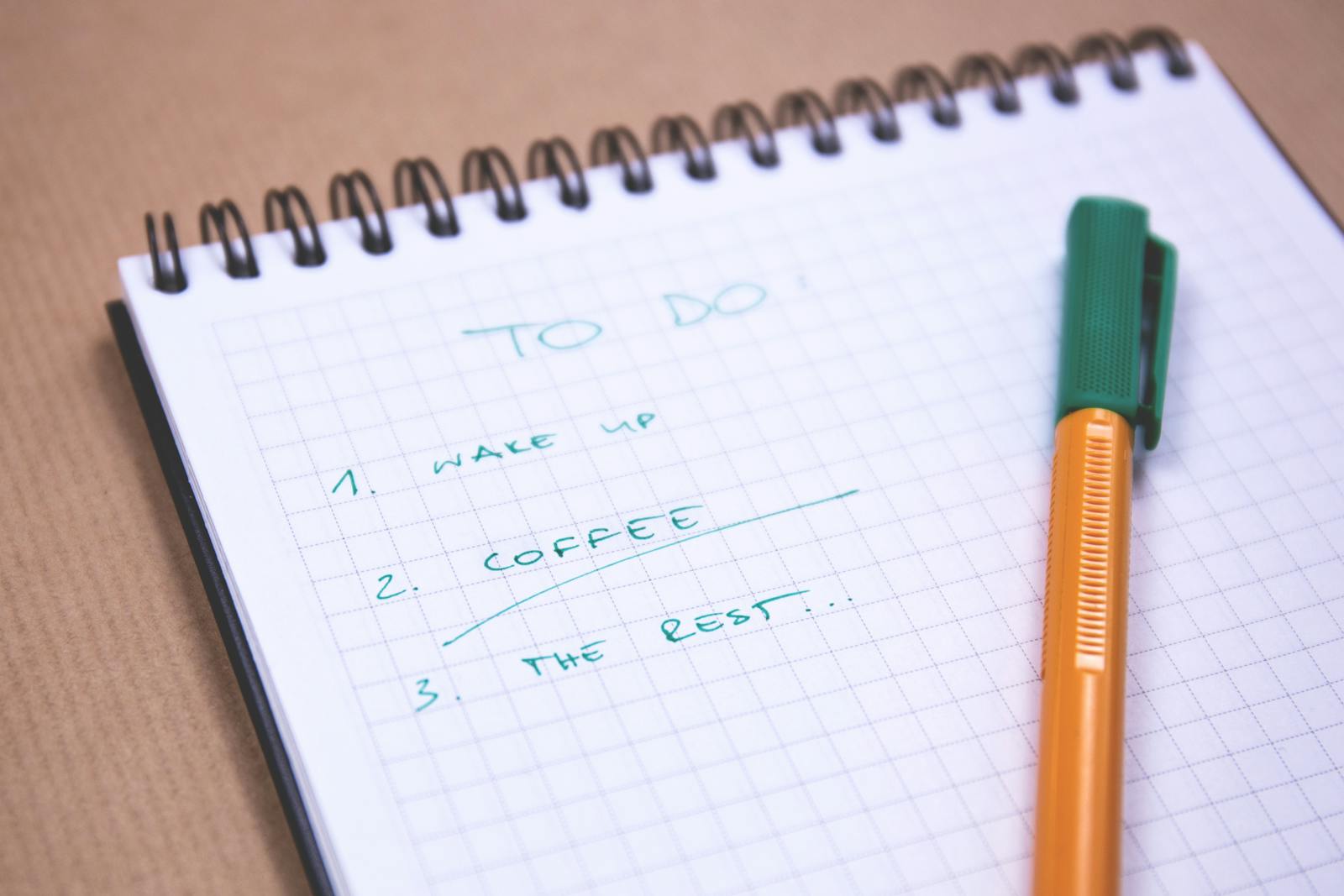
If your daily to-do list keeps ballooning into a stress monument, the Ivy Lee method for daily productivity is the calm, century-old fix to try first. The system has only six rules. You can run it tonight with a sticky note. It works because it forces you to choose, in advance, what actually matters.
Below you will find the original method, the small tweaks that make it stick in 2026, plus the simple tools that turn a quiet evening ritual into compounding daily wins.
What Is the Ivy Lee Method?
The Ivy Lee method is a focus and prioritization system created by productivity consultant Ivy Lee in 1918. He taught it to Charles M. Schwab and the team at Bethlehem Steel. Schwab reportedly paid Lee the modern equivalent of about half a million dollars after seeing the results.
The method has only six rules:
- At the end of each workday, write down the six most important things you must do tomorrow.
- Rank them in order of true importance.
- The next morning, work on item number one until it is finished. No switching.
- Then move to item two. Repeat the same single-task discipline.
- At the end of the day, move any unfinished items to a fresh list of six.
- Repeat every working day.
That is the entire system. No app, no productivity philosophy, no morning miracle. Just a written six and the courage to do them in order.
Why the Ivy Lee Method for Daily Productivity Still Works
Most modern productivity systems quietly assume you can work on many things at once. The brain does not actually do this. Switching between tasks costs roughly 20 to 40 percent of your effective focus, according to research summarized by the American Psychological Association. Every micro-switch is a tiny tax on your day.
The Ivy Lee method removes the need to choose anything during work hours. The choosing is done. You simply do the next thing.
- It eliminates decision fatigue. No morning, “what should I do first” loop.
- It enforces single-tasking. One thing, in order, until it is done.
- It caps your day at six. A constraint forces honesty about what matters.
- It works on paper. No notification can pull you back into your phone.
What you will learn in this video:
- The full backstory of how Ivy Lee taught the method to Bethlehem Steel.
- The reason ranking your tasks beats a longer to-do list.
- How to handle interruptions without breaking the system.
- Common mistakes beginners make on day one.
How to Run the Ivy Lee Method Tonight
Pick the format you trust. A planner, a notebook, an index card, or a single sticky note all work. The format matters less than the consistency.
Step 1: Pick Your Six
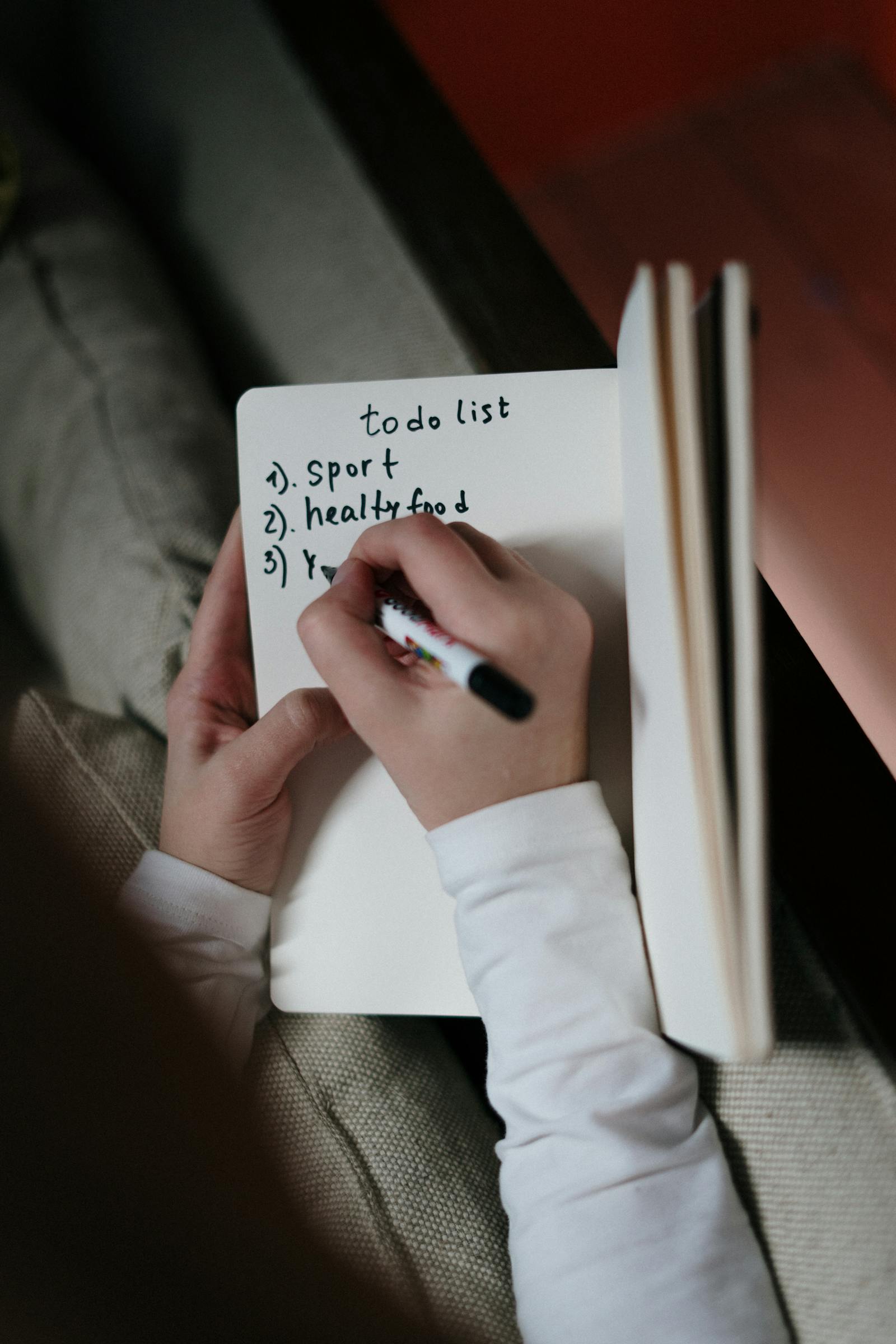
At the end of your workday, sit for five minutes and write down the six tasks that will move tomorrow forward most. Do not write twelve. Do not write three. Six is the cap because the brain handles small numbers cleanly. If you cannot fit a task in six, it is not the priority you thought it was.
Step 2: Rank Them in Real Order
Number them one through six. Number one is the task you would do if your day got cut in half. Number six is the smallest task you would still want done. Rank by impact, not urgency. The fire of the moment usually flames out by morning.
Step 3: Start with One in the Morning
Open the list. Begin task number one. Do not check email, do not glance at messages, do not even peek at items two through six. Single-task until item one is finished or until a hard stop forces you to stop.
Step 4: Move Down the List in Order
When item one is done, move to item two. Same single-task discipline. The list does not change order during the day. If a true emergency comes up, handle it, then return to the next ranked task. Resist the urge to “promote” easy items just to feel busy.
Step 5: Roll Unfinished Items Forward
At the end of the day, write a new list of six for tomorrow. Anything unfinished can move forward, but only if it still belongs in the top six. Items that fall off the list four nights in a row probably never deserved a spot.
The Best Tools for the Ivy Lee Method
The original method used a small notepad and a pencil. Plenty of people still use that exact setup. Others prefer something a little more inviting that they will actually open every night.
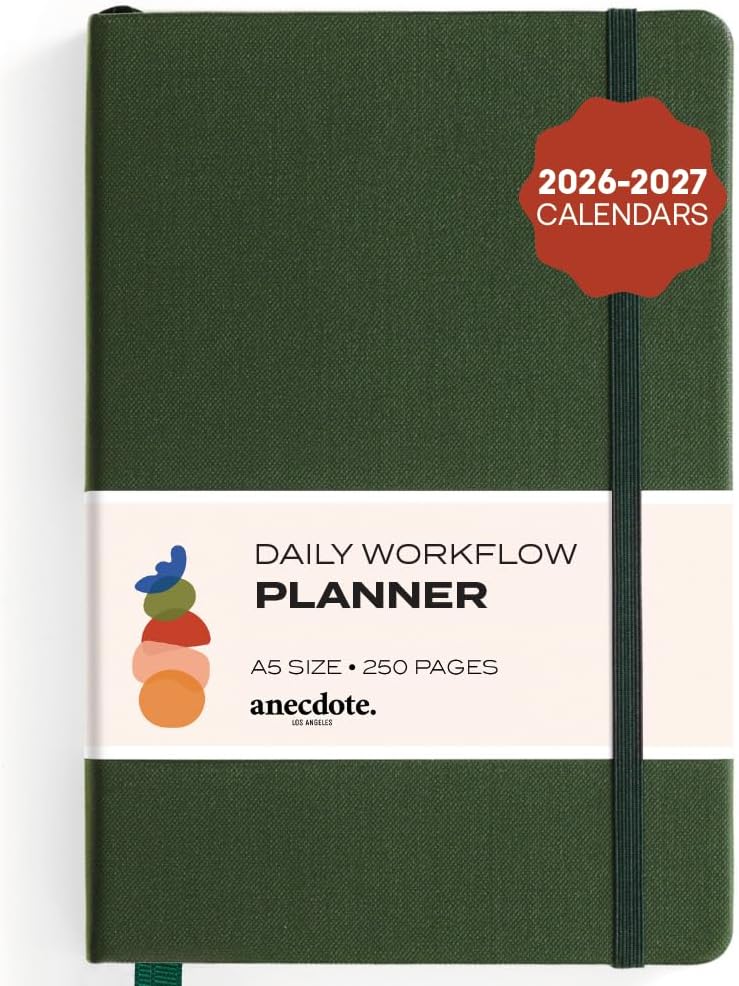
Anecdote Daily Planner
Source: amazon.com
A 26-week undated daily planner with one full page per day. Hardcover, 8.5″ x 5.2″.
The Wellthie One Review
Anecdote Daily Planner Attributes
- One full page per day, lots of room for the six.
- Undated layout, so you start any week without waste.
- Hardcover with a calm minimalist design.
- 26 weeks of daily pages, perfect for a six-month trial.
If you like one tidy place for your day, this planner is the cleanest fit for the Ivy Lee method. The single full page gives you room for the six tasks, plus quick notes about wins and rollovers. It opens flat and feels good to write in.
How the Method Plays with Other Systems
The Ivy Lee method is a beautiful base layer. You can stack it with other beginner systems without breaking either. A few that pair well:
- Eat the frog. The frog is your number one. The Ivy Lee list keeps numbers two through six on standby. See our eat the frog guide for the why behind tackling the hardest task first.
- Time blocking. Assign loose hours to each of the six. Our time blocking for beginners walkthrough has a simple grid you can copy.
- Sunday reset routine. Use Sunday night to write your first six for Monday. Our Sunday reset routine shows how to build the habit gently.

Common Mistakes to Avoid
Most failures with this method come from quietly breaking one of the six rules. The five most common:
- Writing more than six tasks. Eight feels safer. Eight defeats the system. Cut.
- Skipping the ranking. A pile of six unranked tasks turns back into a normal list.
- Bouncing between items. Single-tasking is the secret sauce. Hold the line.
- Filling the list with tiny errands. Six “send the email” items is not a real day.
- Skipping the evening write. If you write the list in the morning, you spend the freshest hour planning instead of producing.
If You Get Interrupted
Real life interrupts. The fix is simple. When the interruption ends, return to the next unfinished item in order. Do not promote a quick task just because it feels easier than the one you left.
Make It a Calm Evening Ritual
The list works best as a five-minute ritual at the end of your workday. The brain still has the day’s context loaded. Tomorrow looks clearer when you are still warm from today.
A simple sequence to try:
- Close your laptop. Take a long breath out.
- Write tonight’s six tasks for tomorrow on one page.
- Number them one through six in true order.
- Place the page where you will see it first thing in the morning.
- Step away. The day is done.
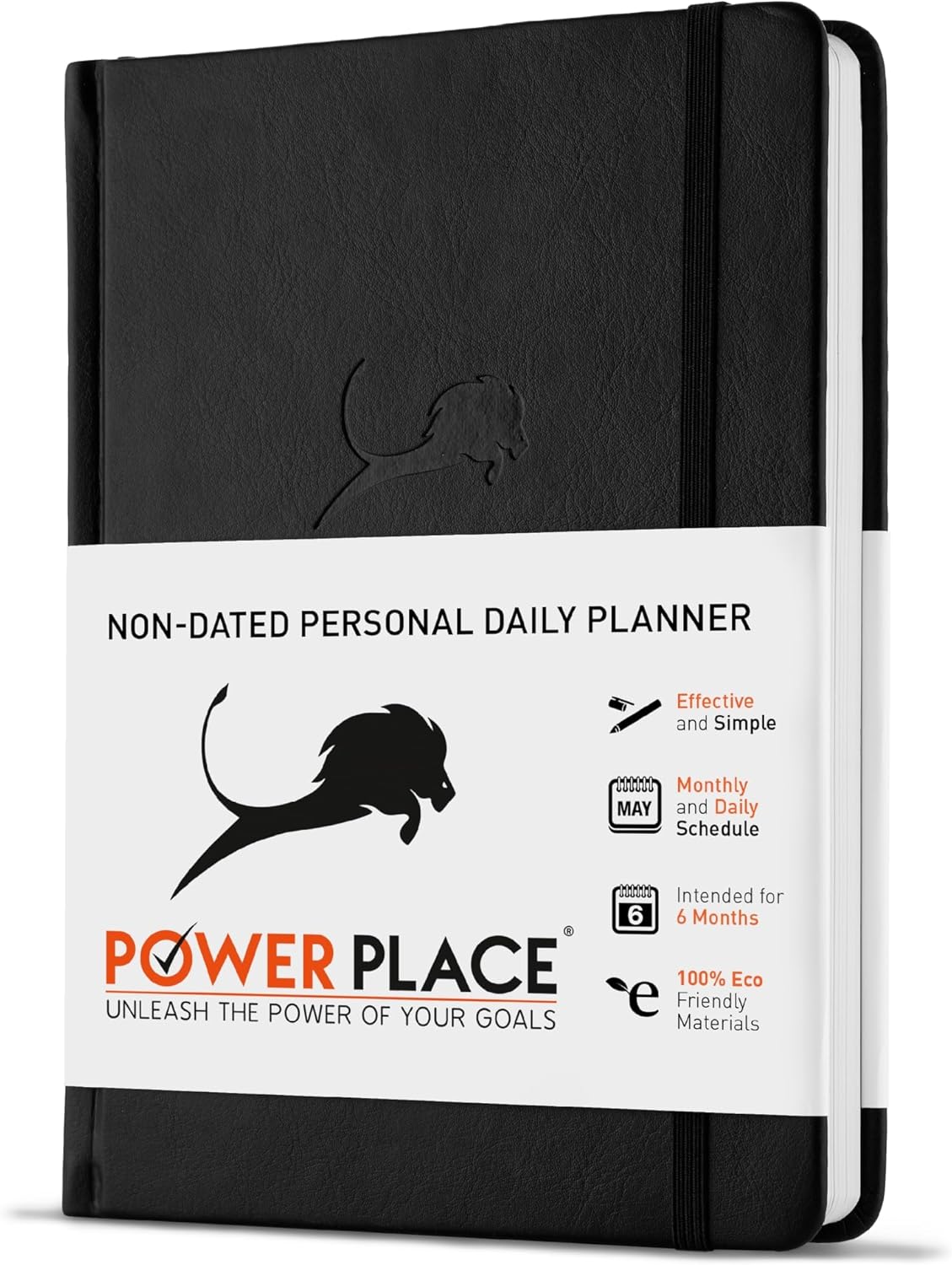
Daily Planner Hardcover Notebook
Source: amazon.com
A vegan leather hardcover daily planner with hourly layout, undated 6-month run.
The Wellthie One Review
Daily Planner Hardcover Attributes
- Hourly schedule layout for time-block pairing.
- Vegan leather hardcover, calm matte black finish.
- Undated, 6 months of pages, easy to start mid-month.
- Sized for a tote bag, not a desk drawer.
If you like to time-block your six tasks too, this hourly planner is a clean pair. The hourly columns give you a visual day map without forcing you to fight the calendar. The vegan leather feels durable and the layout encourages an honest count of available hours.
Why Index Cards Still Win for Many People
Some readers swear by the original index card approach. The reason is simple. A small card forces brevity. There is no room for fluff. Six lines, six tasks, no more. You can pin the card to your monitor or slide it into a notebook.
If you want a clean travel system, ruled index cards are still the cheapest, most disciplined tool you can buy.
Oxford Heavyweight Ruled Index Cards

Source: amazon.com
100 heavyweight 3 by 5 ruled cards. The original Ivy Lee tool, modern build.
The Wellthie One Review
Oxford Index Cards Attributes
- Heavier 100 lb stock, no bleed-through.
- Ruled lines that fit exactly six tasks per card.
- Pocket-sized for travel and meetings.
- One pack lasts most beginners more than a year.
This is the original Ivy Lee tool, made better. The card stock is thick enough to write on a tabletop or hard surface. The 100-pack is plenty for the first year of daily lists. If you want to fully unplug from screens, this is the most analog way in.
Frequently Asked Questions
Why six tasks and not ten?
Six is short enough to finish on a real day with normal interruptions. Ten almost guarantees rollover and feeds the all-or-nothing trap. The cap is the discipline.
What if I finish all six early?
That is the dream day. You have three good options. Bank the time as recovery, start tomorrow’s six, or work on a longer-term project that never makes daily lists.
Can I use a phone app instead of paper?
You can, and many people do. Just be aware that any app that pings you may pull you off the list. Paper has zero notifications and a calm physical feel that helps focus.
What if my job is reactive, like support or sales?
Use the six list for the proactive work that gets buried first. Reactive tasks slot between proactive items as they come in. The six keeps you moving forward when the inbox tries to set your day.
Bringing It All Together
The Ivy Lee method is older than Wi-Fi and still beats most app-driven systems on a normal Tuesday. The reason is its quiet honesty. Six tasks force you to choose. Ranking forces you to commit. Single-tasking turns your day into a series of clean wins instead of a mess of half-starts.
Start tonight. Pick your tool. Write tomorrow’s six. Rank them. Then close the page and trust the system. Two weeks of consistent use is enough to feel the difference. Two months and you may not want to go back.
This post may contain affiliate links, which means we may receive a small commission, at no cost to you, if you make a purchase through a link.


