
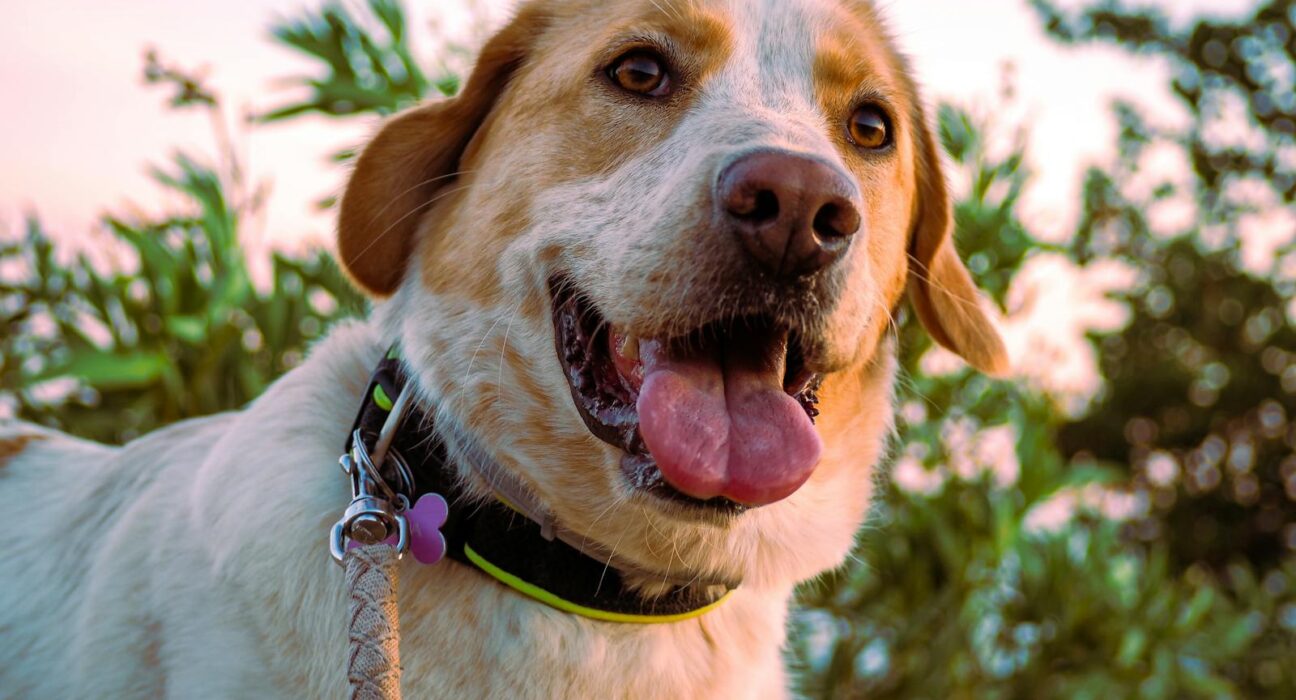
If your dog has been dealing with loose stool, gassy afternoons, or itchy skin that the vet keeps calling “diet related,” kefir for dogs gut health is one of the simplest fermented foods to test first. It is gentle, probiotic-rich, and most dogs love the tangy taste. A small daily spoonful can shift things in a week or two.
This beginner guide walks through what kefir actually is, the right starting dose by weight, the best times to feed it, and the cleanest store-bought options if you would rather skip the brewing.
What Is Kefir for Dogs?
Kefir is a tangy fermented dairy drink made by fermenting milk with kefir grains. The grains are not actually grains. They are little gelatinous clusters of beneficial bacteria and yeast that turn fresh milk into a probiotic powerhouse. The result is a yogurt-like drink that contains far more probiotic strains than standard plain yogurt.
For dogs, the most popular versions are:
- Goat milk kefir. The most digestible option, lower in lactose, gentler on sensitive tummies.
- Cow milk kefir. Easier to find, slightly higher in lactose, fine for most healthy dogs.
- Water kefir. Dairy free option for dogs with true dairy intolerance.
- Freeze-dried kefir powder. Shelf stable, easy to dose, perfect for travel.
Why Kefir for Dogs Gut Health Works
The gut microbiome runs about 70 percent of a dog’s immune system. When the bacterial mix gets thrown off by antibiotics, stress, low-quality food, or a sudden diet change, the symptoms show up everywhere. Loose stool, itchy skin, ear infections, smelly breath, and even mood shifts can all trace back to gut imbalance.
Kefir delivers a wide variety of live beneficial bacteria and yeasts directly into the gut. Research from the American Kennel Club notes that probiotic supplementation may help support digestion, immunity, and stool quality in dogs. Kefir is one of the most affordable and food-based ways to add that support.
Common reasons readers reach for kefir include:
- Soft or inconsistent stool after antibiotics or a kennel stay.
- Mild itchy skin that may be tied to gut imbalance.
- Stinky breath that does not respond to dental chews.
- Picky eating that improves when food smells more alive.
What you will learn in this video:
- The 11 most-cited health benefits of kefir for dogs.
- The differences between cow, goat, and water kefir for pets.
- Daily dosing recommendations by dog body weight.
- Warning signs that mean you should slow down or stop.
How Much Kefir Should You Give a Dog?
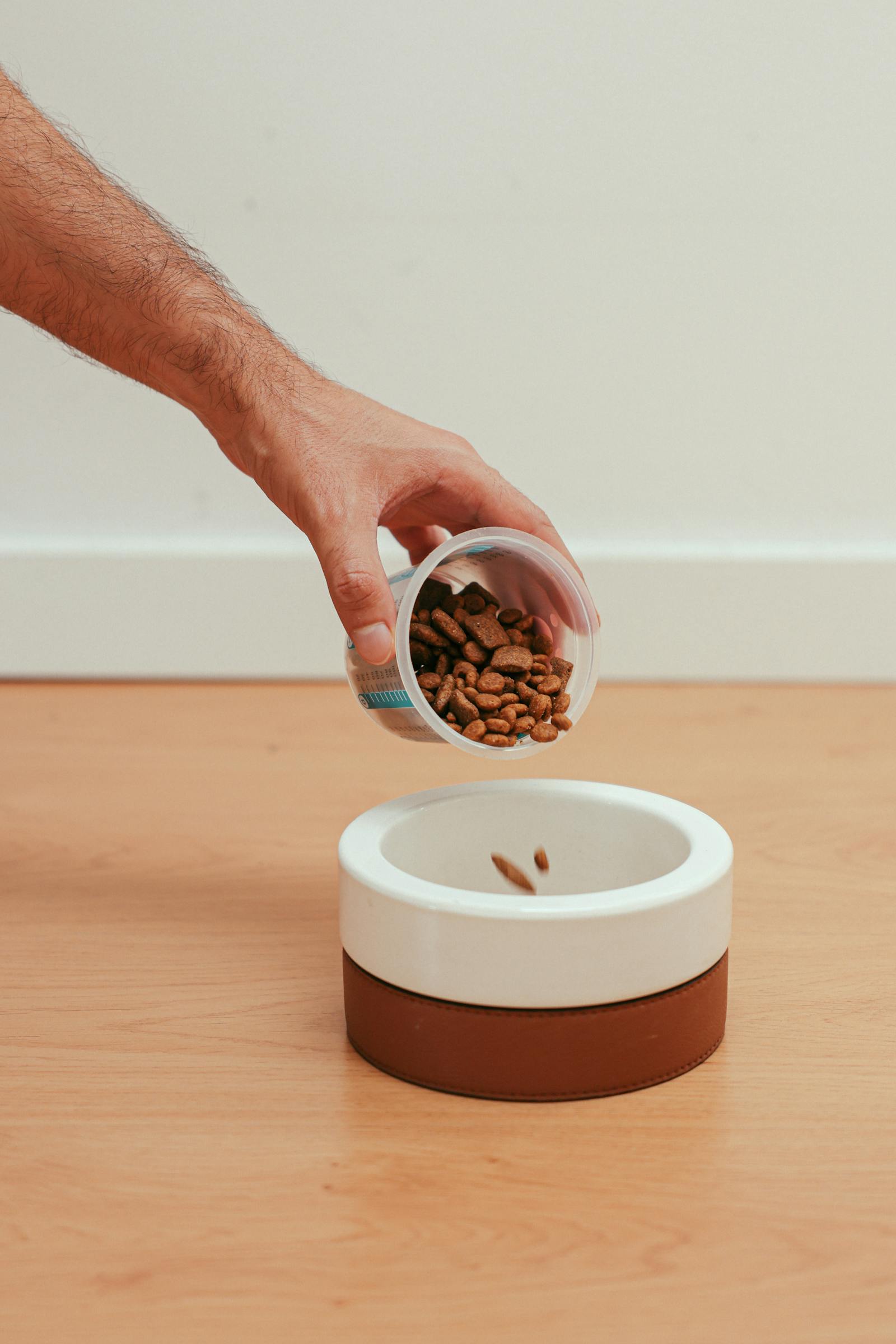
Start small and build slowly. The biggest mistake is pouring too much on day one and ending up with a digestive backfire. The general beginner guide is one teaspoon per ten pounds of body weight, once a day, for the first week.
A simple chart to follow:
- Toy breeds under 10 pounds: Half a teaspoon daily.
- Small dogs 10 to 25 pounds: 1 teaspoon daily.
- Medium dogs 25 to 50 pounds: 1 to 2 teaspoons daily.
- Large dogs 50 to 80 pounds: 1 tablespoon daily.
- Giant breeds 80 plus pounds: Up to 2 tablespoons daily.
If your dog tolerates that amount well after seven days, you can slowly double it. Most dogs do best at one teaspoon to two tablespoons depending on size, never much more.
Best Time of Day
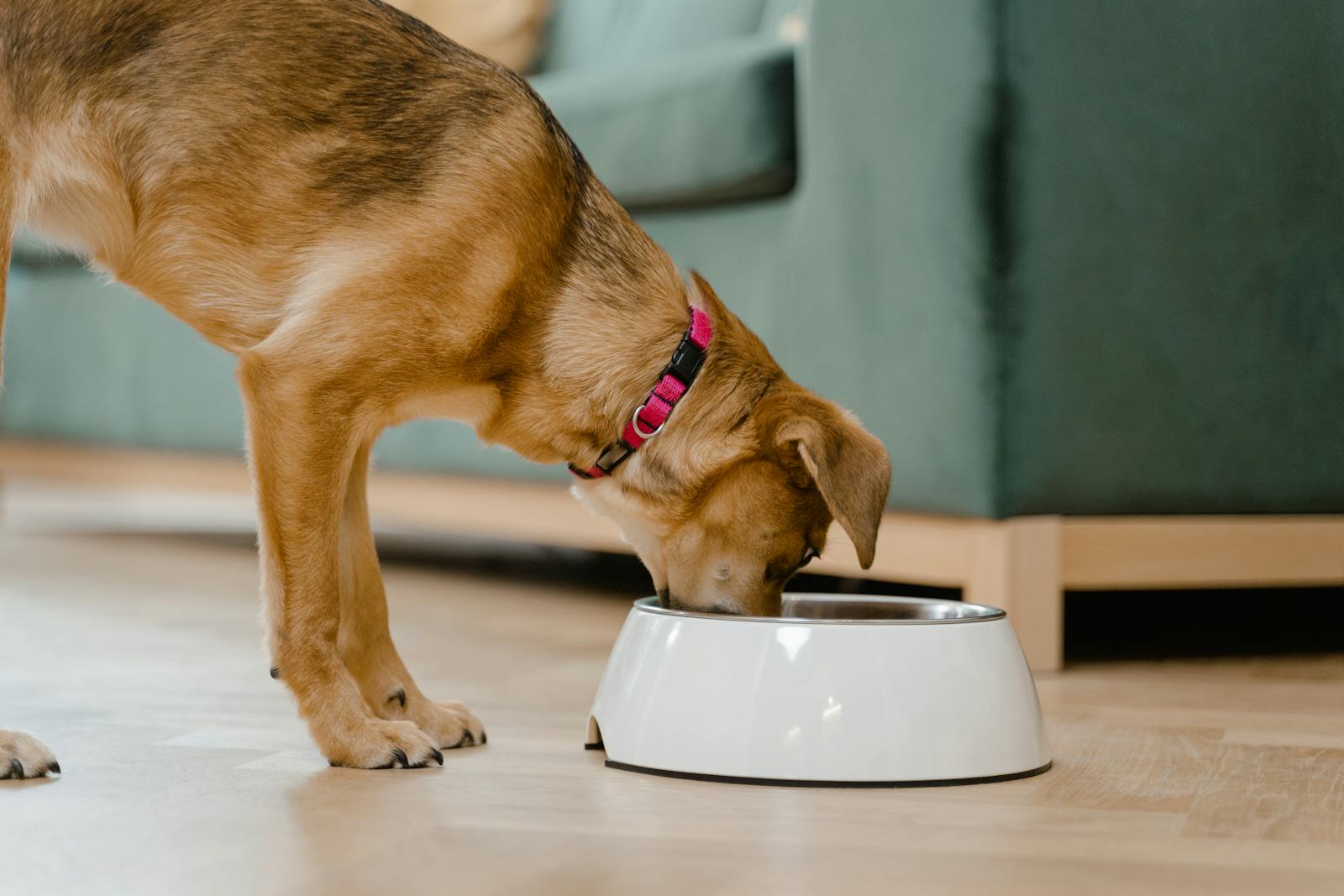
Mornings work best. Sprinkle the kefir on top of your dog’s regular breakfast. The full meal slows the absorption and helps the probiotics survive stomach acid better. If your dog skips breakfast, mix it into a small spoon of plain wet food or a frozen lick mat.
Best Beginner Kefir for Dogs
Brewing your own kefir is a fun project, but it requires fresh grains and a daily routine. If you want to test kefir without the brewing commitment, a clean store-bought option is the best place to start.
Naturally Grown Freeze-Dried Milk Kefir

Source: amazon.com
A 30g freeze-dried single-ingredient kefir powder. Sprinkle and serve.
The Wellthie One Review
Naturally Grown Kefir Powder Attributes
- Single ingredient: real milk kefir, freeze-dried.
- Shelf stable, no refrigeration needed.
- Easy to scoop and sprinkle on food.
- Works for both dogs and cats from one canister.
This is the cleanest beginner option for dog parents who want to skip the fridge run. The freeze-dried format keeps the live cultures stable. Most readers say their dog’s stool firmed up within two weeks of daily use. Travel-friendly, multi-pet friendly, and budget-friendly.
How to Introduce Kefir Step by Step
Slow is the key. The first week sets the tone for whether your dog tolerates kefir long term.
- Day 1: Offer a half dose with the morning meal. Watch for any reaction within 12 hours.
- Days 2 to 4: If stool stays normal, continue the half dose daily.
- Days 5 to 7: Move up to the full beginner dose for your dog’s size.
- Week 2: Maintain the full dose. Note coat shine, energy, and breath.
- Weeks 3 and 4: If everything looks good, kefir is in the rotation.
If your dog gets gas or loose stool at any step, drop back to the previous dose for three days, then try again.
Layer With Other Gut-Friendly Toppers
Kefir plays nicely with the other beginner toppers we have written about. Try alternating it with our salmon oil for dogs guide on different days, or pair it with our sardines as an omega-3 food topper ritual a few times a week. Variety in the topper rotation tends to support a richer microbiome than a single product every day.
The Honest Kitchen Goat’s Milk with Probiotics

Source: amazon.com
Human-grade instant goat’s milk powder with added probiotics. Just add water.
The Wellthie One Review
Honest Kitchen Goat’s Milk Attributes
- Human-grade ingredients, no fillers.
- Goat’s milk base, lower in lactose than cow.
- Added probiotics for layered gut support.
- 5.2-ounce packet that lasts most small dogs a month.
If your dog is a little sensitive to dairy, goat is usually the kinder choice. The Honest Kitchen has a long reputation for clean ingredients and gentle formulas. Mix one tablespoon of powder with three tablespoons of warm water, let it cool, and pour over food. Smells fresh, never sour.
Common Concerns About Kefir for Dogs
Is kefir safe for puppies?
Most puppies tolerate kefir well after they are fully weaned and on solid food, usually around 8 weeks. Use the smallest dose, go slow, and check with your vet if your puppy has a sensitive stomach. Always test for dairy tolerance before making it a daily habit.
Can kefir replace a probiotic supplement?
For many healthy dogs, yes. Kefir contains a wider variety of strains than most capsules. Dogs with serious gut issues, recurring infections, or recent antibiotics may benefit from layering a targeted probiotic with kefir for a few weeks.
What if my dog is lactose intolerant?
True lactose intolerance is rare in dogs but does happen. The fermentation process drops the lactose level dramatically, especially in goat kefir. Try water kefir or a freeze-dried kefir powder if dairy-based products cause issues.
How long until I see results?
Stool improvement often shows up within seven to fourteen days. Coat shine and breath changes usually take three to four weeks. Itchy skin tied to gut issues can take six weeks or longer. Be patient and consistent.
What About a Probiotic Powder Instead?
Some dogs do better on a targeted probiotic capsule or powder, especially after antibiotics. The strains in supplements are usually higher CFU counts and more shelf stable than kefir. Many owners use both: probiotic powder for short repair stretches, kefir as the daily maintenance topper.
Fera Pets USDA Organic Probiotic Powder

Source: amazon.com
USDA Organic, 12 strains, 5 billion CFUs per scoop. 60 daily scoops per jar.
The Wellthie One Review
Fera Pets Probiotic Attributes
- USDA Certified Organic, no fillers or artificial flavors.
- 12 probiotic strains, 5 billion CFUs per scoop.
- Includes prebiotics to feed the new bacteria.
- 60 scoops per jar, two months for most small dogs.
If you want a clean targeted probiotic to pair with kefir or use during a recovery stretch, Fera Pets is one of the most respected names. The organic certification matters when you are layering daily supplements. Sprinkle one scoop on food and watch for two weeks.
Watch For These Signs to Slow Down
Kefir is well tolerated, but every dog is different. Stop or reduce if you notice:
- Loose stool that lasts more than 48 hours after introducing kefir.
- Sudden gas, bloating, or stomach gurgling that wakes them up at night.
- Itchy ears or paws that flare within a week, suggesting a dairy reaction.
- Skin rashes around the mouth that did not exist before.
If any of these show up, drop back to half the dose. If symptoms continue, switch to water kefir, a non-dairy probiotic powder, or our slippery elm gut soothing guide while their system rests.
Bringing It All Together
Kefir is one of the kindest and most affordable ways to support a dog’s gut. The recipe is simple. Start small, go slow, sprinkle on the morning meal, and watch for the gentle wins. Stool, coat, breath, and energy tend to follow gut balance closely. The compound effect over a month or two is what makes the daily spoon worth it.
Pick the format that fits your life. A jar of fresh goat kefir from the fridge or a shelf-stable freeze-dried powder will both deliver the live cultures your dog needs. Pair it with the other gentle toppers in your rotation and trust the slow, steady work.
This post may contain affiliate links, which means we may receive a small commission, at no cost to you, if you make a purchase through a link.


