

Bone broth for cats is one of the simplest, most nourishing toppers you can add to your cat’s bowl. It is rich in collagen, amino acids, and gentle hydration. Cats are notoriously bad at drinking water from a bowl, and that low-grade chronic dehydration is one of the quiet drivers of kidney issues, urinary problems, and dry coats in middle-aged cats. A daily teaspoon of warm bone broth slips real moisture into them in a way they will actually accept.
I started adding bone broth to my cats’ food after one of them developed the early signs of kidney sluggishness. The vet’s first move was a prescription kidney diet, which my cat refused. The natural-leaning vet I called next told me to start with hydration first, simplest before fanciest, and broth was the easy lever. Within two weeks, his coat looked better and his litter-box output normalized.
This guide walks you through what bone broth does for cats, how much to give, what to look for in a clean store-bought option, and how to make a basic batch at home if you prefer that path.
Key Takeaways
- Bone broth is a gentle daily topper that adds hydration, collagen, and amino acids to your cat’s diet without forcing pills or supplements.
- Most cats do well with 1 to 2 tablespoons of broth poured over their meal, once or twice a day.
- Look for low-sodium, no-onion, no-garlic broth made from grass-fed or pasture-raised bones. Most human-grade store broths are NOT cat-safe.
- Homemade is cheap and customizable. Powdered or frozen pet-grade brands are great when you want grab-and-go convenience.
What you will learn in this video:
- A simple homemade bone broth recipe specifically formulated for cats, with the ingredients to use and avoid
- How long to simmer the broth for full nutrient extraction without overconcentrating sodium
- How to portion and freeze broth so you have weeks of grab-and-go servings ready
Why Bone Broth Works So Well for Cats
Cats evolved as obligate carnivores in dry climates. Most of their water intake historically came from prey animals, which are about 70 percent water by weight. Modern cats fed kibble are often dehydrated even when they look fine, because dry food has 5 to 10 percent moisture and a water bowl is a poor substitute. Cornell Feline Health Center notes that chronic mild dehydration in cats is one of the most overlooked drivers of urinary tract issues.
Bone broth solves this in three ways. It is more than 90 percent water by volume, so a tablespoon is meaningful hydration. It carries gelatin and collagen from the simmered bones, which support joint, skin, and gut lining health. And it tastes like food to your cat, which is the part nobody talks about. Cats refuse plain water but inhale broth.
The amino acids in bone broth (glycine, proline, glutamine) also support liver detoxification and the gut barrier. If your cat has had recent antibiotics, vet medications, or a stretch of stress, broth is one of the gentlest ways to help the body recover.
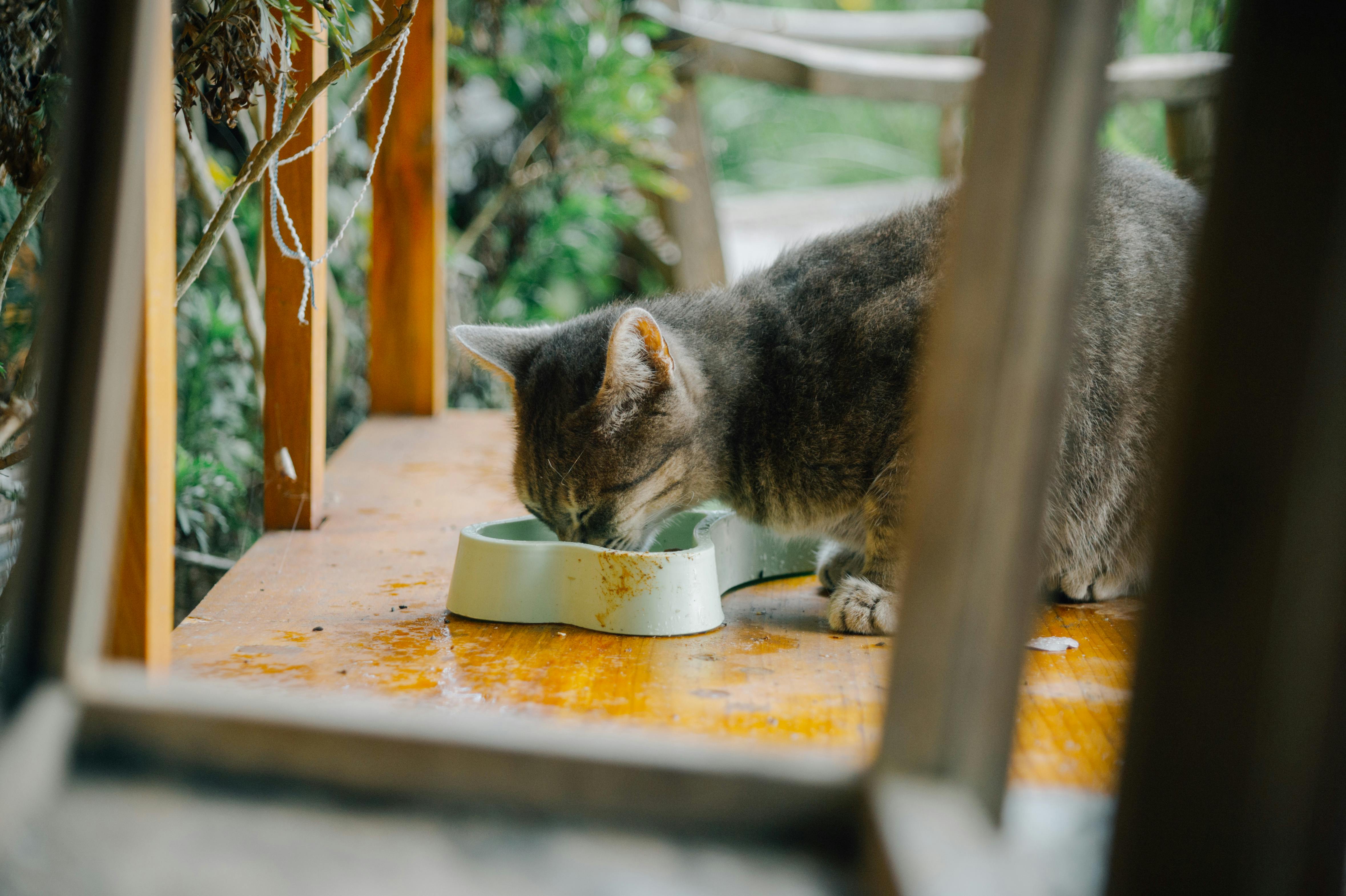
How Much Bone Broth to Give a Cat
Start small and watch the litter box. The right amount depends on your cat’s size and how much wet versus dry food they eat already.
- Small cats (under 8 lb): 1 to 2 teaspoons per meal, twice a day
- Average cats (8 to 12 lb): 1 tablespoon per meal, twice a day
- Larger cats (over 12 lb): 1 to 2 tablespoons per meal, twice a day
If you have a kibble-only cat, broth at room temperature poured over the dry food can soften it slightly and add the hydration kibble lacks. If you feed wet food, broth is best served warm in a small separate dish so the meat doesn’t get watery.
Watch for soft stools the first few days. If you see any, cut the amount in half for a week and let your cat’s gut adjust. Bone broth is rarely a problem, but a sudden bigger volume can loosen things up while the gut adapts. Pair the introduction with our broader guide on gentle gut support; our kefir for pets guide has solid background that applies to cats too.
Ziggy Marley’s USDA Organic Beef Bone Broth Powder

Source: amazon.com
USDA organic, grass-fed beef, human-grade quality, just add warm water and pour.
The Wellthie One Review
This is the cleanest store-bought powder I have tried. USDA organic certification means real ingredient oversight, and the grass-fed beef sourcing matters because the bones from cleaner-fed animals make richer, more mineral-dense broth. Mix one teaspoon into a quarter cup of warm water and pour over food. Best for households where you want pantry-shelf convenience without compromising on quality.
Ziggy Marley’s Bone Broth Attributes
- USDA organic certified, human-grade
- Grass-fed beef sourced from regenerative ranches
- Powder format, mixes with warm water in seconds
- No onion, garlic, or added salt (cat-safe)
How to Make Bone Broth for Cats at Home
Homemade is straightforward and saves money long term. The key for cats is keeping it simple. No onion, no garlic, no salt, no acidic vegetables.
Simple beef or chicken bone broth recipe
- Add 2 to 3 pounds of raw or roasted bones to a slow cooker. Beef knuckle bones, chicken backs, or chicken feet all work well. Chicken feet make the gelatin-richest broth.
- Cover with filtered water by 2 to 3 inches.
- Add 1 to 2 tablespoons of raw apple cider vinegar (this helps pull minerals out of the bones; the cooked broth itself is not acidic).
- Cook on LOW for 24 hours for chicken bones, 36 to 48 hours for beef bones.
- Strain out the bones and any solids. Let the broth cool fully in the fridge so the fat solidifies on top, then skim it off (cats handle some fat but a fully fatty broth is too rich).
- Portion into ice cube trays or small silicone molds and freeze. One cube is roughly one tablespoon, perfect for daily portions.
That batch will give you about 30 to 40 small portions for $5 to $10 of bones. The slow cooker does all the work. The hardest part is remembering to start it before bed.
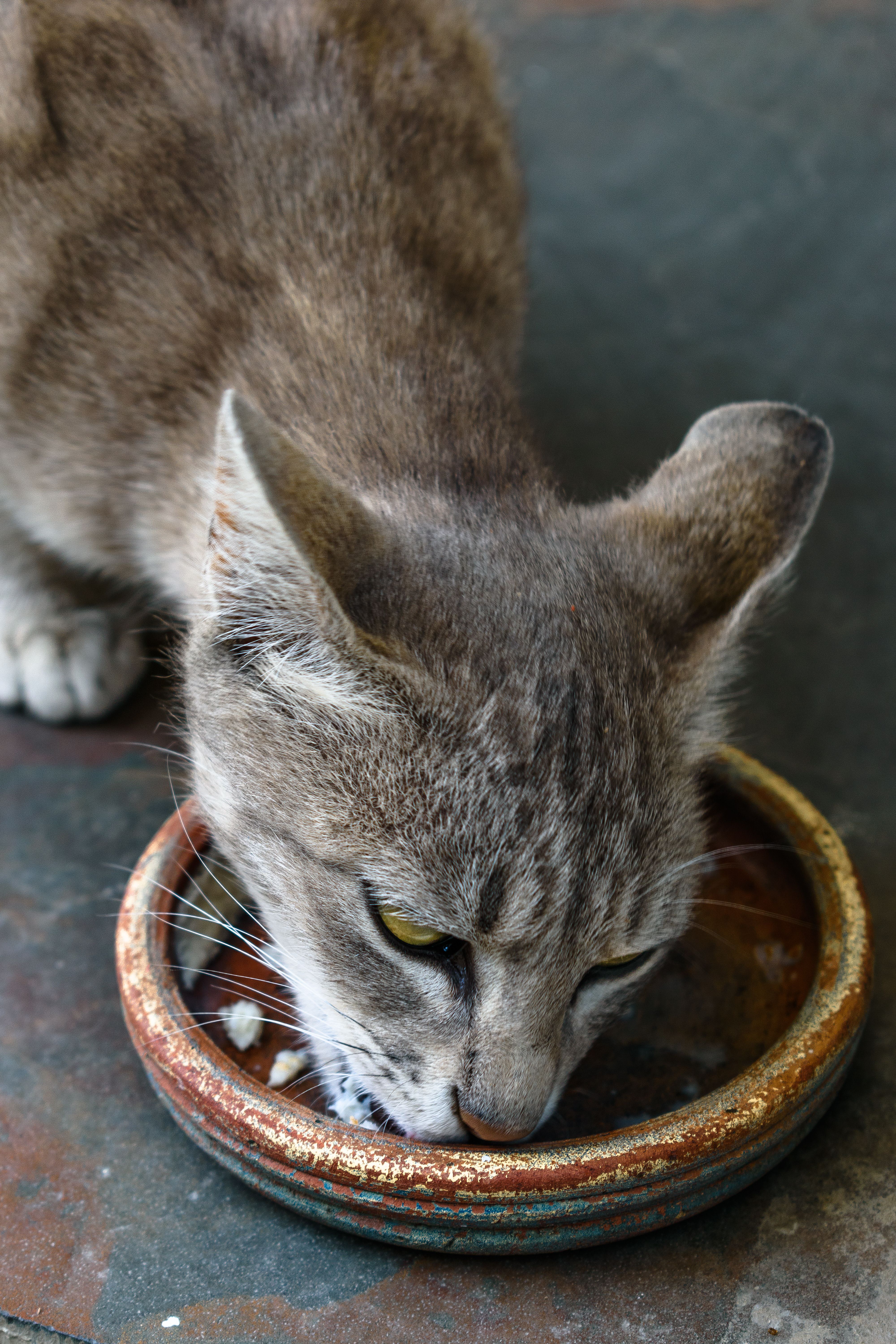
Ingredients to Always Avoid in Bone Broth for Cats
This is the part most blogs miss. Many human bone broth recipes call for ingredients that are actively harmful to cats. Read every label or recipe.
- Onion (any form): toxic to cats and dogs. Damages red blood cells. Even small amounts are a problem.
- Garlic: same family as onion. Same problem. Avoid completely.
- Added salt or sodium: human broths often have 600 to 900 mg of sodium per cup, which is far too much for a cat. Look for “unsalted” or “no salt added” or pet-formulated.
- Tomato or acidic vegetables: can upset feline GI tracts.
- Bouillon cubes or commercial stocks: almost always contain onion powder, MSG, or hydrolyzed yeast extracts that are not cat-safe.
The simplest rule: if a broth is sold for human cooking and has any seasoning at all, do not give it to your cat. Use a pet-formulated brand, or make plain bones-and-water broth at home.
Native Pet Chicken Bone Broth Powder

Source: amazon.com
Powdered chicken bone broth designed for picky eaters, 48 scoops per container.
The Wellthie One Review
Native Pet is one of the cleanest pet-only brands, and the powder format makes portion control easy. One scoop in two ounces of warm water makes a meaningful serving for an average cat. The chicken flavor is also generally a stronger draw for picky cats than beef. Best for households with a finicky cat who needs hydration encouragement.
Native Pet Chicken Bone Broth Attributes
- Made from cage-free chicken, no fillers
- No onion, no garlic, low sodium
- 48 scoops per container, about 6 weeks at one scoop a day
- Designed specifically for picky eaters
When NOT to Give Bone Broth to Your Cat
Bone broth is gentle, but a few situations call for a pause and a vet check first.
- Active vomiting or diarrhea: introduce broth only AFTER your cat is stable for 24 hours. Adding new food during a GI flare-up can confuse the picture.
- Diagnosed pancreatitis: the fat in broth, even after skimming, can be too much. Ask your vet first.
- Late-stage kidney disease: broth is helpful for early stages but in late stages, the protein and phosphorus levels need careful management. Work with a feline-friendly integrative vet.
- Allergies to a specific protein: if your cat reacts to chicken, do not feed chicken-based broth. Switch to beef, turkey, or fish-based.
For healthy adult cats, broth is one of the safest, gentlest things you can add to their bowl.
Stretching Bone Broth Into Other Cat Feeding Wins
Once you have bone broth in the freezer, it becomes a base for other simple wins.
Use a tablespoon of warm broth to soften a hairball-prone cat’s food (the extra moisture helps the hairball pass). Use it to rehydrate a cat who has been off their food for a day after a vet visit. Use it as a flavor mask for crushed-up medication. Pair it with a daily fish topper like our sardine guide, which the same principles apply to cats. The broth-plus-sardine bowl is one of the highest-protein, most-hydrating, lowest-cost meal upgrades you can make.
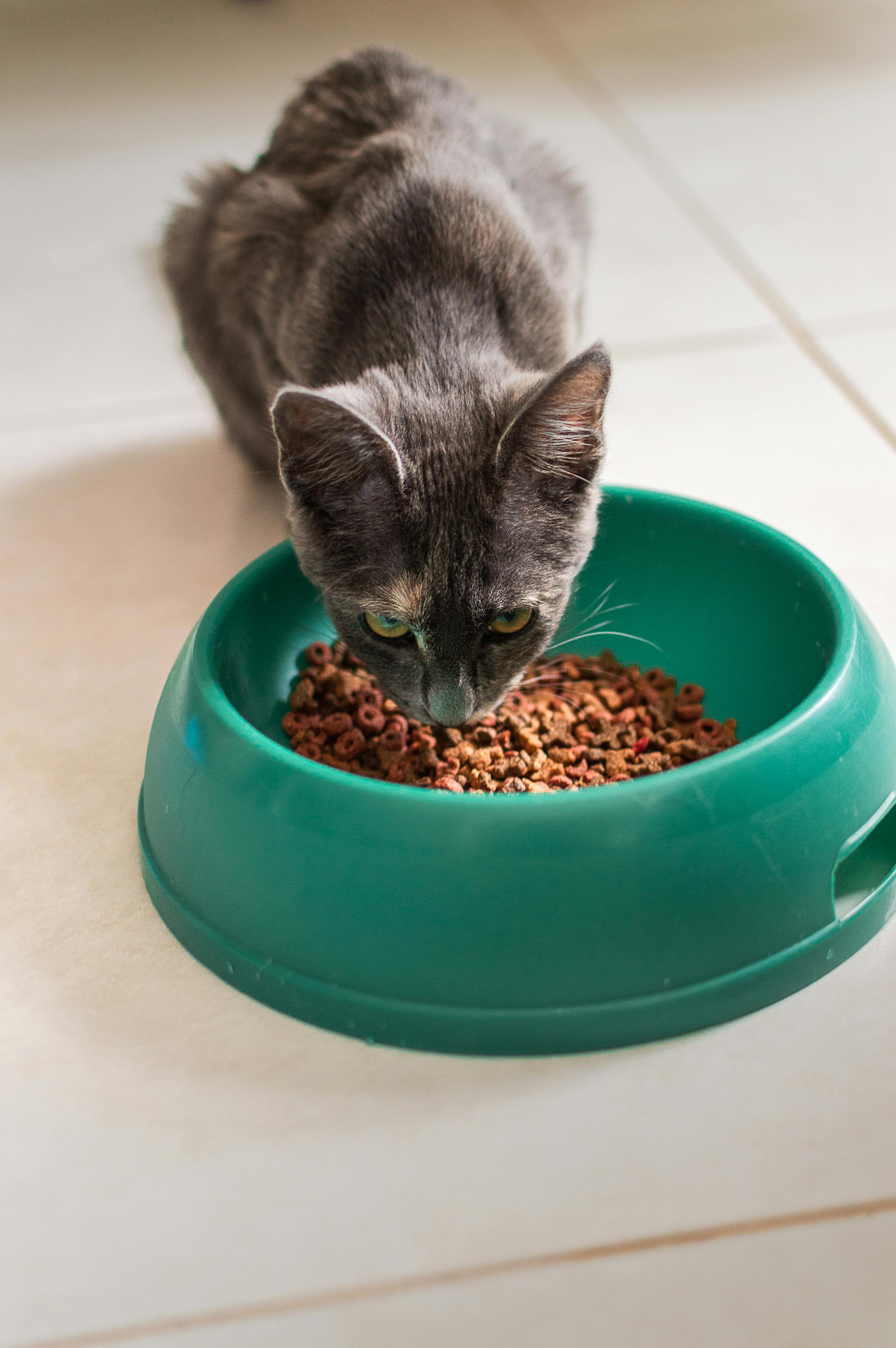
Frequently Asked Questions About Bone Broth for Cats
Can I use store-bought human bone broth from the soup aisle?
Almost never. Most contain onion, garlic, or added salt. Read every label. The only safe human broth is one that lists ONLY bones, water, and maybe vinegar, with no seasoning at all.
Can I freeze bone broth for cats?
Yes, and you should. Pour cooled broth into ice cube trays, freeze, then pop the cubes into a labeled freezer bag. One cube equals roughly one tablespoon, which is a perfect daily dose. It keeps for 3 to 6 months in the freezer.
Will bone broth help my cat with kidney disease?
It can help in early stages by improving hydration, which is critical for kidneys. In later stages the protein and mineral content needs to be managed. Always coordinate with your vet, especially a vet who is comfortable with whole-food approaches.
Is bone broth a meal replacement?
No. Treat it as a hydration and nutrition topper, not as your cat’s main food. Cats need complete protein and taurine that broth alone does not provide enough of.
Open Farm Chicken Bone Broth

Source: amazon.com
Ready-to-pour liquid bone broth, ethically sourced, 12 oz carton.
The Wellthie One Review
If you want a no-mixing, just-pour option, Open Farm’s liquid carton is the cleanest one I have found. Refrigerate after opening and use within a week. Best for people who want the convenience of liquid and don’t mind buying it more often than a powder. Their sourcing standards (responsibly raised animals, no factory-farm meat) earn the slight price premium.
Open Farm Chicken Bone Broth Attributes
- Ready-to-pour liquid format
- Cage-free chicken, ethically sourced
- No artificial flavors, preservatives, or fillers
- 12 oz carton, about a week’s supply for one cat
Bringing It All Together
Bone broth for cats is one of the easiest natural upgrades you can make to your cat’s daily routine. It tackles the chronic-dehydration problem nearly every cat has, and it does it with food they love instead of supplements they will dodge. Start with one or two teaspoons of a clean broth on top of their normal meal, work up to a tablespoon over a week, and watch how they show up at the bowl.
Whether you make a slow-cooker batch on a Sunday or grab a pet-grade powder from the shelf, the daily ritual is what matters. Cats thrive on small consistent rituals, and broth is one of the few additions they ask for again. That is the whole point.
This post may contain affiliate links, which means we may receive a small commission, at no cost to you, if you make a purchase through a link.


