RLS Trigger Decoder: Match Your Pattern to the Right First Step
Understanding Restless Leg Syndrome and How Copper Compression Socks Can Help
What does RLS feel like?
RLS is described as a feeling of pins and needles in the legs or as an uncomfortable sensation that can range from mild itching to intense pain.
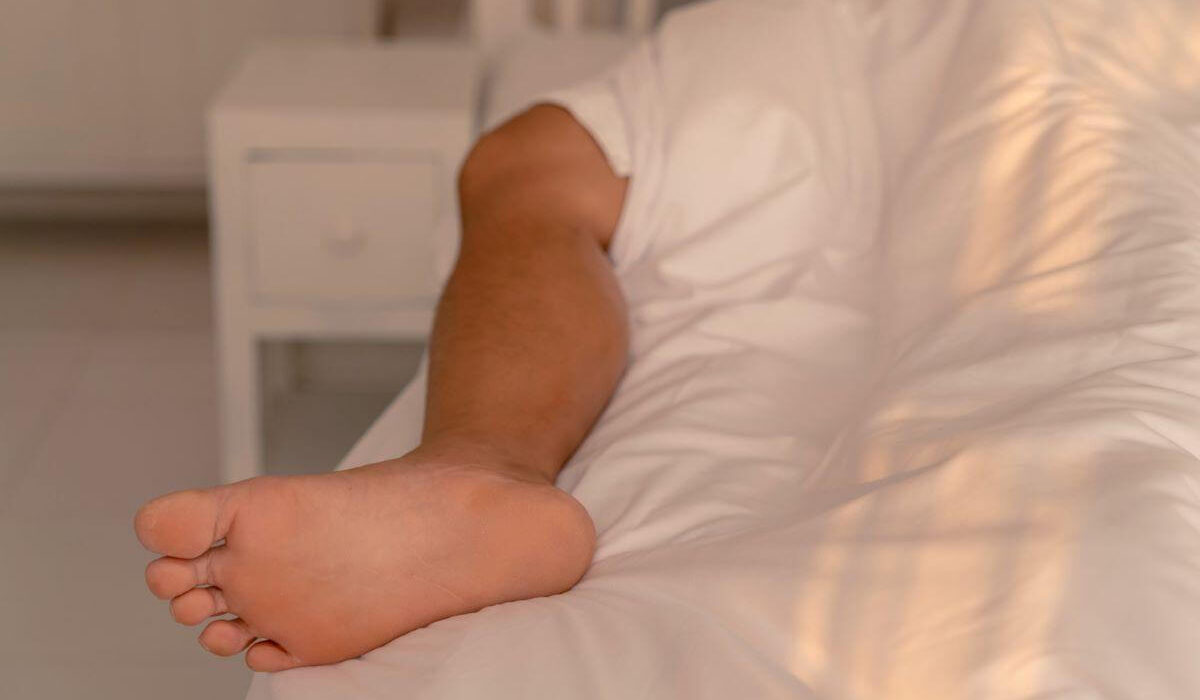
It often occurs when someone is lying down or sitting for long periods of time, or when they are trying to relax or sleep. The sensations often become more intense at bedtime and may prevent people from getting a good night’s rest.
What causes RLS?
The exact cause of RLS is unknown, but it is believed to be due to an imbalance of dopamine, which is a neurotransmitter responsible for controlling muscle movements.

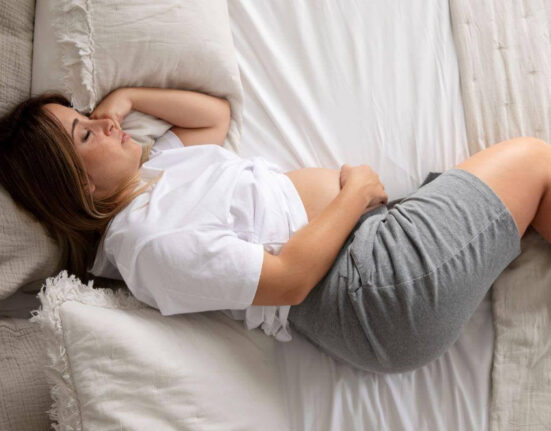
It could also be genetic or caused by certain medical conditions such as diabetes, iron deficiency anemia, peripheral neuropathy, kidney failure, pregnancy, alcohol use disorder, and certain medications.
RLS first-step picks readers reach for
Use the RLS Trigger Decoder above to find YOUR match. These are the four first-step options it picks between.

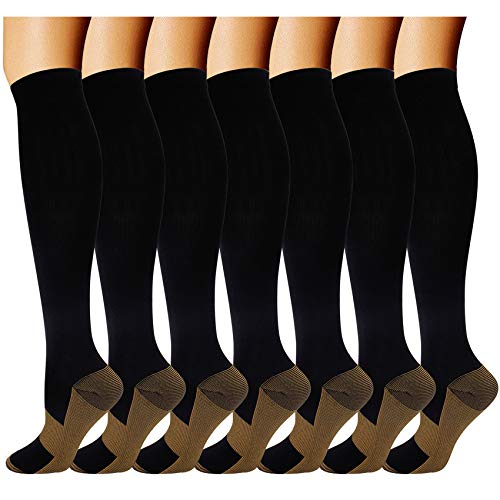


RLS often signals upstream imbalance
Research behind compression for RLS
- Kaplan O, Baser M, Ozgun MT. (2024). The effect of compression stockings on the complaints, well-being and sleep quality of pregnant women with restless legs syndrome: a randomized controlled study. Revista da Associacao Medica Brasileira, 70(7):e20240145. [DOI]Direct RCT: 63 pregnant women with RLS, 3 weeks. Compression-stockings group had significantly lower post-test RLS Severity Scale than placebo (8.87 vs 12.19, p<0.05) PLUS better sleep quality AND faster onset of relief (3.93 days vs 5.09 days). Confirms compression works clinically, not just anecdotally.
- Gossard TR, Trotti LM, Videnovic A, St Louis EK. (2021). Restless Legs Syndrome: Contemporary Diagnosis and Treatment. Neurotherapeutics, 18(1):140-155. [DOI]Mayo Clinic comprehensive RLS review. Key findings: iron deficiency is the #1 modifiable cause (always check ferritin first), non-pharmacological measures like massage and warm baths work for many people, and iron replacement is first-line treatment when ferritin is low. Diagnosis should always include iron measures (ferritin + transferrin saturation).
Frequently Asked Questions
How long until compression socks help my RLS?
The randomized controlled trial above (Kaplan 2024) showed measurable improvement starting around day 4 with consistent nightly wear. Most people report meaningful relief within 1-2 weeks. If you've worn them nightly for 3 weeks with no change, that's a signal to check ferritin and consider the iron path instead.
What ferritin level matters for RLS?
Standard labs flag "low" only below 30 ng/mL. For RLS specifically, the threshold is much higher: most sleep specialists target ferritin ABOVE 75 ng/mL (some recommend 100+). Ask your doctor to specifically check ferritin AND transferrin saturation, not just hemoglobin. Iron deficiency is the #1 reversible cause per the Mayo Clinic review cited above.
Does copper in the compression sock matter, or is it just compression?
The compression itself is what the RCT measured and proved. Copper claims (antimicrobial, anti-odor) are real but a secondary benefit, not what relieves RLS. So plain compression socks work too — copper-infused versions just last longer between washes without smell.
Can I sleep IN compression socks?
For mild RLS, evening wear (1-2 hours before bed) is usually enough. For severe RLS that wakes you, sleeping in compression sleeves is generally safe IF you use proper-fit graduated compression (15-20 mmHg, not the medical 30-40 mmHg). Skip overnight wear if you have peripheral artery disease, heart failure, or impaired circulation.
What if compression and supplements both don't help?
Time to see a sleep medicine specialist. Some RLS cases need gabapentin or pregabalin (alpha-2-delta ligands), dopamine agonists like pramipexole, or in severe cases intravenous iron infusion. The Mayo review (Gossard 2021) lays out the second-line prescription options — bring it to your appointment.
Is RLS dangerous or just annoying?
RLS itself isn't dangerous, but the sleep disruption it causes IS harmful long-term: chronic sleep deprivation raises cardiovascular risk, depression, weight gain, and immune dysfunction. So treating RLS isn't cosmetic — it's downstream health protection. Don't accept it as "just how I am."
How do I stop RLS?
There are several treatment options available for those who suffer from RLS, including lifestyle changes such as:
- reducing stress levels
- avoiding caffeine and alcohol close to bedtime, or completely
- exercising regularly
- Western medication such as dopaminergic drugs
- physical therapy
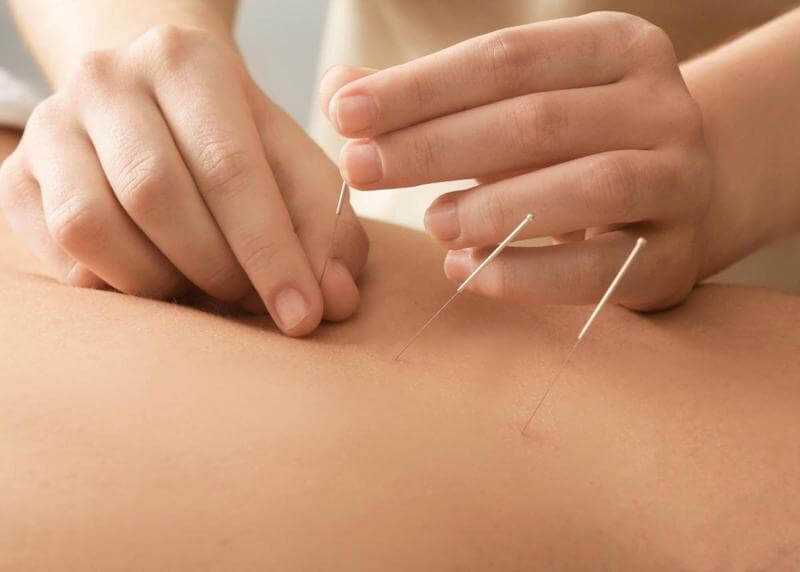
- acupuncture
- dietary supplements
- yoga
- massage therapy
- cognitive behavioral therapy
- biofeedback
- hypnosis
Copper has been used for healing in India for centuries. How does copper help heal the body?
Copper has been a go-to healing solution for centuries in India, so it’s no surprise that the mineral is considered magical! While some might consider it nothing more than a pretty metal you can use to decorate your home, copper actually holds much greater power.

Studies have suggested that copper helps reduce inflammation and joint pain, boosts red blood cell production, stimulates the immune system, and can even help fight off infections. Talk about a multi-talented mineral!
So forget popping pills or rubbing on overpriced ointments. Copper could be just what you need to get back to your normal self.
How can copper compression socks help with RLS?
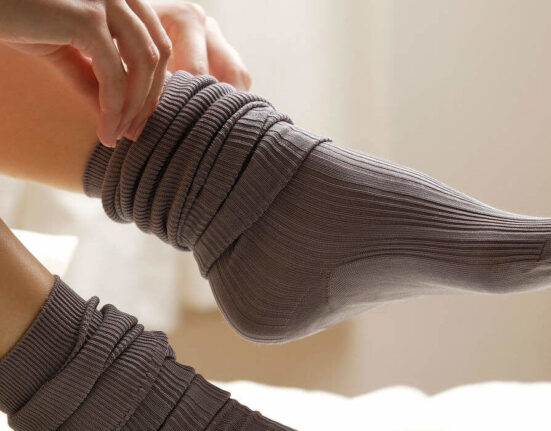
Copper compression socks are designed with special copper-infused fabric that helps promote circulation in the legs while providing support for tired muscles.
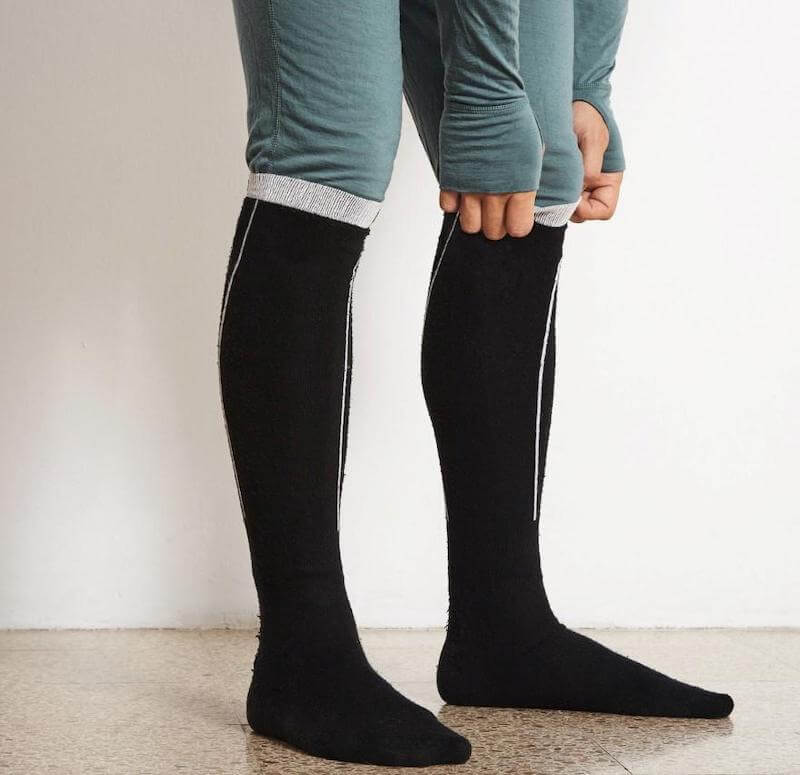
This can reduce the symptoms associated with RLS, such as leg cramps and other aches and pains, which can make it easier for people to get a restful night’s sleep without experiencing any discomfort in their legs.
Concluding thoughts on how copper compression socks can help with RLS
Restless Leg Syndrome (RLS) affects millions of people around the world every year, but there are several treatments available that can help provide relief from its uncomfortable symptoms.
Copper compression socks have been found to be particularly helpful in providing relief from leg pain associated with RLS by promoting circulation in the legs while providing support for tired muscles so that people can get a good night’s rest without experiencing any discomfort in their legs.
If you suffer from RLS, talk to your doctor about whether copper compression socks might be right for you!
More from thewellthieone.com
The links used on thewellthieone.com are affiliate links, which may provide a small commission. This does not increase the price of the goods for the consumer whatsoever. What it does is ensure that useful content like this can continue to be produced. Thank-you for enjoying our content and allowing us to continue to provide more.