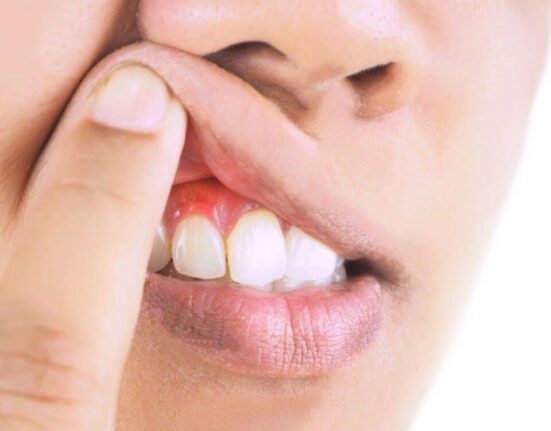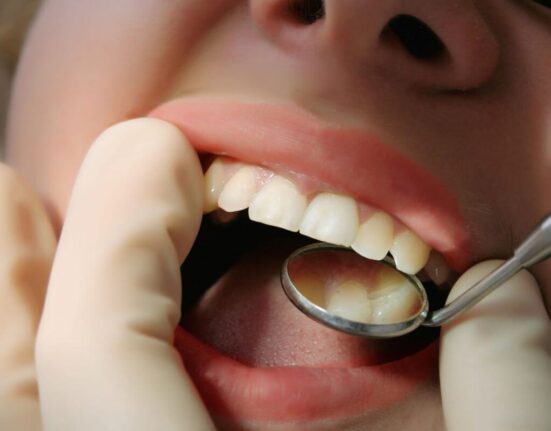

For years, we’ve been told that chewing gum is good for our teeth. It’s a way to fight cavities and keep our mouths clean, right? Wrong. It turns out that chewing gum can actually be detrimental to our oral health—and using peppermint oil drops or a similar flavored oil is a much better solution. Here’s why.
1. Chewing gum can lead to tooth decay
When you chew gum, you produce more saliva. That might sound like a good thing, but in reality, it can lead to tooth decay. The excess saliva mixes with the bacteria in your mouth, which creates plaque. Plaque then leads to cavities and tooth decay. So while you might think you’re doing your teeth a favor by chewing gum, you’re actually putting them at risk of damage.
Find Your Healthier Gum Alternative
Why you chew × what you need × dental status = your matched swap.
What chewing gum is really substituting for
Habitual gum chewing is rarely about fresh breath – it is more often about stress regulation, oral fixation, or curbing snack cravings driven by blood sugar swings. The artificial sweeteners + jaw work add to the very burden the body is trying to manage. Multiple studies link chronic low-grade chemical exposure to fatigue, brain fog, and inflammatory symptoms most people never connect back to the gum habit.
The Toxic Load Assessment maps which body systems are carrying YOUR daily chemical load – so you can swap habits that work AGAINST your body for ones that work WITH it, gum being just one of the easier ones to address.
Take the Toxic Load Assessment →2. Chewing gum can cause jaw pain
If you chew gum constantly, you may start to experience jaw pain. That’s because all that chewing can put strain on the muscles in your jaw, leading to pain and discomfort. If you already have TMJ (temporomandibular joint) disorder, chewing gum will only make the problem worse.

Trusted caveats: Mastic is stiff at first (softens with 30+ seconds of chewing) and costs more per ounce than the other three. If you want pure freshness with no learning curve, Simply Mints. If dental support is the ONLY priority, Spry xylitol. If chronic bad breath is the problem, Parsley seed oil works through digestion (not surface masking) – a different mechanism.
3. Chewing gum can make you look like a goofball
Let’s face it—chewing gum makes you look silly. You look like a cow chewing cud or a kid with a piece of bubblegum stuck to your shoe. If you want to avoid looking like a fool, it’s best to ditch the gum and go for something else instead.
Does chewing gum help jawline?
One popular beauty trend that’s been sweeping the internet lately is the idea that chewing gum can help to define your jawline. Unfortunately, there’s no scientific evidence to support this claim. In fact, chewing gum can actually have the opposite effect by causing facial muscles to balloon outwards in a negative way.
So, if you’re looking for a way to improve your jawline, chewing gum is not the answer. However, there are other options, such as facial exercises and contouring, that may be more effective. So, don’t waste your time chewing gum; explore some other options instead.
What are some traditional chewing gum alternatives?
Xylitol sugar substitute
If you are looking to slowly break the habit of chewing gum and are not quite ready to stop, switching to a less harmful sweetener like xylitol is the way to go. Sugar-free gums containing aspartame are toxic and many studies have shown aspartame to be carcinogenic.
Spry Fresh Natural Xylitol Chewing Gum Dental Defense System
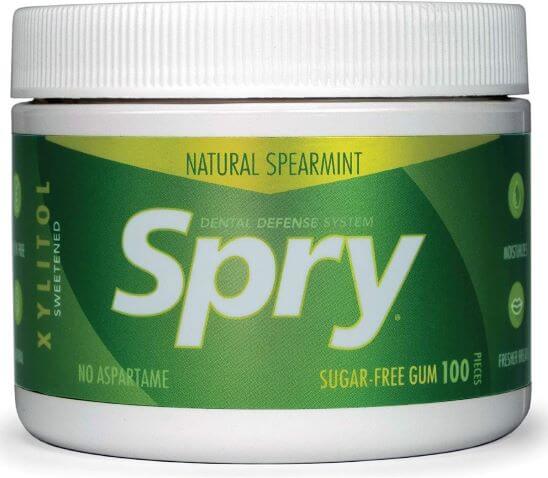
Why we recommend Spry gum as an alternative to regular gum:
- Fresh spearmint flavor from essential oils
- Xylitol sweetener is much better than aspartame or regular sugar for teeth and oral health
- Non-GMO, natural gum product
- Pack of 2 for this one
- Highly rated on Amazon
Using Peppermint or Spearmint Essential Oils Instead
Putting Peppermint essential oil drops on the tongue to feel refreshed is a great alternative to chomping away at a piece of gum. Plus, it has many medicinal and healthy benefits. To learn more about the health benefits of using peppermint instead of gum, read on:
Cliganic USDA Organic Peppermint Essential Oil
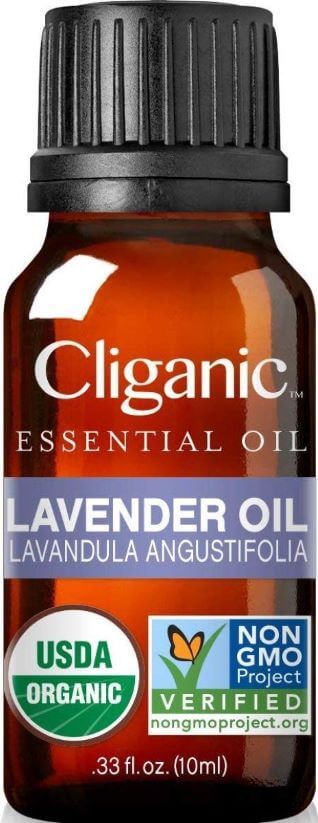
What we love about Cliganic peppermint oil:
- Refreshing, cool taste
- USDA organic
- Many benefits
- Nothing artificial
- Non-GMO
- Highly rated on Amazon
Concluding Thoughts
There you have it—three reasons why chewing gum is bad for your health and image. Peppermint oil is a much better solution for keeping your mouth clean and fresh, plus it comes with a host of other health benefits. So ditch the gum and give peppermint oil a try instead. Your teeth and your jaw will thank you for it!
Research behind the gum alternatives
- Mota KR, et al. (2021). Effectiveness of the use of xylitol chewing gum in prevention of dental caries: A systematic review. Journal of the Indian Society of Pedodontics and Preventive Dentistry, 39(2):113-119. [DOI]Trusted assessment: the evidence for xylitol gum is limited. It is NOT the bulletproof intervention marketing suggests. Use it as a switch from sugar-sweetened gum, not as a cavity prevention strategy on its own.
- Szilagyi JT, et al. (2020). Per- and polyfluoroalkyl substances (PFAS) inhibit placental trophoblast migration and invasion. Toxicological Sciences, 175(2):210-219. [DOI]Context for ingredient skepticism: industrial chemicals approved decades ago are still being characterized today. The gum base in commercial gum is an inert polymer, but the artificial sweeteners and color additives are absorbed – and continue to be studied for downstream effects.
The links used on thewellthieone.com are affiliate links, which may provide a small commission. This does not increase the price of the goods for the consumer whatsoever. What it does is ensure that useful content like this can continue to be produced. Thank-you for enjoying our content and allowing us to continue to provide more.
The 3 real problems with conventional chewing gum
1. The artificial sweeteners ride into your gut on every chew
Most mainstream chewing gum (Trident, Orbit, Extra, Dentyne, Stride, Eclipse) uses aspartame, sucralose, or acesulfame K as the sweetener. The systematic review evidence for these in food has accumulated steadily – particularly around effects on the gut microbiome, glucose metabolism, and central nervous system signaling. When you chew gum for 20-30 minutes, you absorb these compounds through the oral mucosa AND swallow saliva carrying them into the GI tract continuously. The exposure window is longer than a single sweetened drink.
2. The “gum base” is industrial plastic and synthetic rubber
The “gum base” listed on the ingredient panel is a proprietary blend that legally can include polyvinyl acetate (the same polymer in white glue), polyethylene, polyisobutylene, and food-grade paraffin wax. None of these are absorbed – they are inert in passage through the GI tract. The concern is environmental: an estimated 100,000 tons of gum waste accumulates globally every year, and microparticles from gum chewing have been measured in saliva and stool. There is no peer-reviewed clinical research demonstrating harm from these polymers in humans, but the “natural” alternatives below avoid the question entirely.
3. The jaw work isn’t free
Chewing 30+ minutes per day, every day, is a high-volume workout for the temporomandibular joint. Habitual gum chewers report higher rates of jaw clicking, morning soreness, and tension headaches that don’t show up in occasional chewers. If you already have TMJ tendencies, gum is one of the easiest variables to eliminate before more invasive interventions – and most people notice a difference within 7-10 days.
2 alternatives that solve the same job without the trade-offs
Alternative #1: Xylitol-only gum (chewed briefly, with intention)
The systematic review evidence on xylitol gum is mixed – the 2021 review in Journal of the Indian Society of Pedodontics & Preventive Dentistry concluded the dental-caries evidence is limited. But xylitol does NOT feed cariogenic bacteria the way sucrose-sweetened gum does, and the brief-chew protocol (5 minutes after meals, not all day) avoids the TMJ trade-off. The catch: xylitol is severely toxic to dogs – keep it out of reach.
Alternative #2: Mastic gum (the original)
Mastic gum is the dried resin of the mastic tree, harvested almost exclusively on the Greek island of Chios. It has been used as a chewing gum for over 2,000 years and has documented antibacterial activity – particularly against H. pylori, the stomach bacterium linked to ulcers and indigestion. The texture is stiff at first and softens as you chew. Slow to dissolve, which means you chew less of it less often. Look for “100% pure Chios mastiha” with the AOP (protected origin) certification.