Around 33,000 people search for a lymphatic drainage massage near them every month. Most of them are about to book the first studio that pops up on the map, without realizing that the difference between a certified manual lymph drainage therapist and a spa using the name as a marketing label is enormous. One moves your lymph. The other gives you a pleasant hour with no real fluid shift at all.
The tool further down this page solves both halves of the problem. It maps practitioners near your ZIP code, gives you the 8 questions to ask before booking, and walks you through an at-home routine you can do tonight if no certified provider is reachable.
Get My Drainage Pathway Activation Checklist (PDF)
Your printable companion: the 7 vetting questions to ask any practitioner, the certification credential cheat-sheet, the at-home 10-minute routine you can do tonight, and the red-flags reference card. Built from the PubMed evidence cited above.
 Castor Oil Pack Kit” style=”max-width:130px;height:auto;border-radius:6px;” />

If you only CHOOSE one purchase: the Queen of the Thrones Castor Oil Pack Kit. Nightly use over the liver supports lymph + bile flow + parasympathetic activation in one ritual — the closest single-product equivalent to a weekly professional MLD session, used between professional bookings.
Find A Lymphatic Drainage Massage Practitioner Near You
Map practitioners in your area, get the credential questions to ask before booking, and learn the at-home routine you can use tonight.
Enter your ZIP code or city. The tool opens Google Maps with an optimized search query and a 15-mile radius, filtered to results that match the credential criteria below.
In your search results, prioritize listings that say:
- “Vodder certified” or “Vodder MLD”
- “Földi method”
- “LANA certified” (Lymphology Association of North America) for lymphedema
- “Complete Decongestive Therapy” or “CDT”
- “ACOLS certified” (Academy of Lymphatic Studies)
Tap each question to see why it matters. Ask all 8 before you book. A real MLD practitioner will not be put off by these questions, they will recognize an informed client.
This 7-step self-MLD sequence takes about 8 minutes. Do it once daily for 14 days as a baseline or as a bridge between professional sessions. Always start with deep breathing and end with the legs, in this order, because lymph flows toward the major drainage points at the neck and groin.
If you have active cancer, severe heart failure, blood clots, an acute infection, or skin sores, check with your practitioner before doing self-MLD or booking a professional session. Lymph clearance can mobilize cells that should stay still.
According to PubMed (DOI 10.18295/2075-0528.2841)
A 2020 randomized clinical trial in the International Journal of Rehabilitation Research documented that manual lymphatic drainage produces significantly greater reductions in pain and edema than standard care alone, with effects measurable within the first few days of treatment. A separate 2020 review in the Journal of Applied Physiology on the brain's glymphatic system established lymphatic-style drainage as the primary clearance pathway for metabolic waste — supporting the broader concept that whole-body lymph flow is foundational to detoxification.
Tornatore L, De Luca ML, et al. Effects of combining manual lymphatic drainage and Kinesiotaping. Int J Rehabil Res 2020. DOI 10.1097/MRR.0000000000000417
Benveniste H, Elkin R, et al. The glymphatic system and its role in cerebral homeostasis. J Appl Physiol 2020. DOI 10.1152/japplphysiol.00852.2019
When lymph stagnates, your toxic load goes up
The lymphatic system is your body's waste-removal highway. When it slows down — from prolonged sitting, dehydration, chronic stress, mold exposure, heavy metals, or surgical scarring — metabolic byproducts and environmental toxins accumulate faster than they can clear. The symptoms (swelling, brain fog, fatigue, recurrent infections, stubborn weight) often get blamed on something else.
The Toxic Load Assessment maps which root-cause pattern is driving YOUR stagnation — mold, metals, parasites, or adrenal — so your lymph work unblocks what's upstream.
Reveal My Toxic Load Pattern →


Sluggish Lymph Usually Has An Upstream Cause
If you keep coming back to lymph as the issue, it is usually because something else is overloading your detox pathways and lymph is the slowest to recover. Heavy metals, mold exposure, parasites, and adrenal burnout all back up the lymph system. The 90 second Toxic Load Tool finds which one is driving yours.
Use The Toxic Load Tool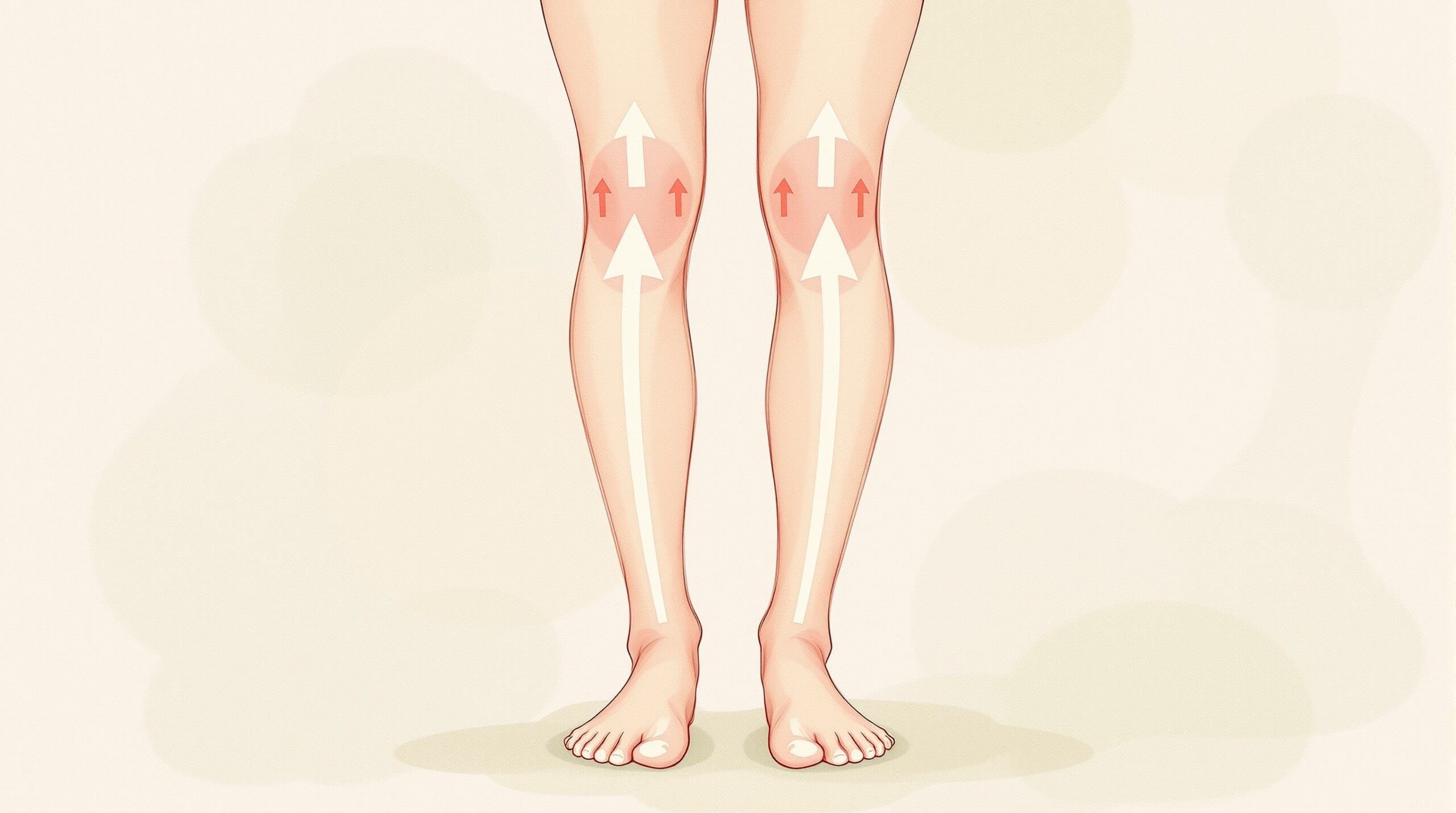
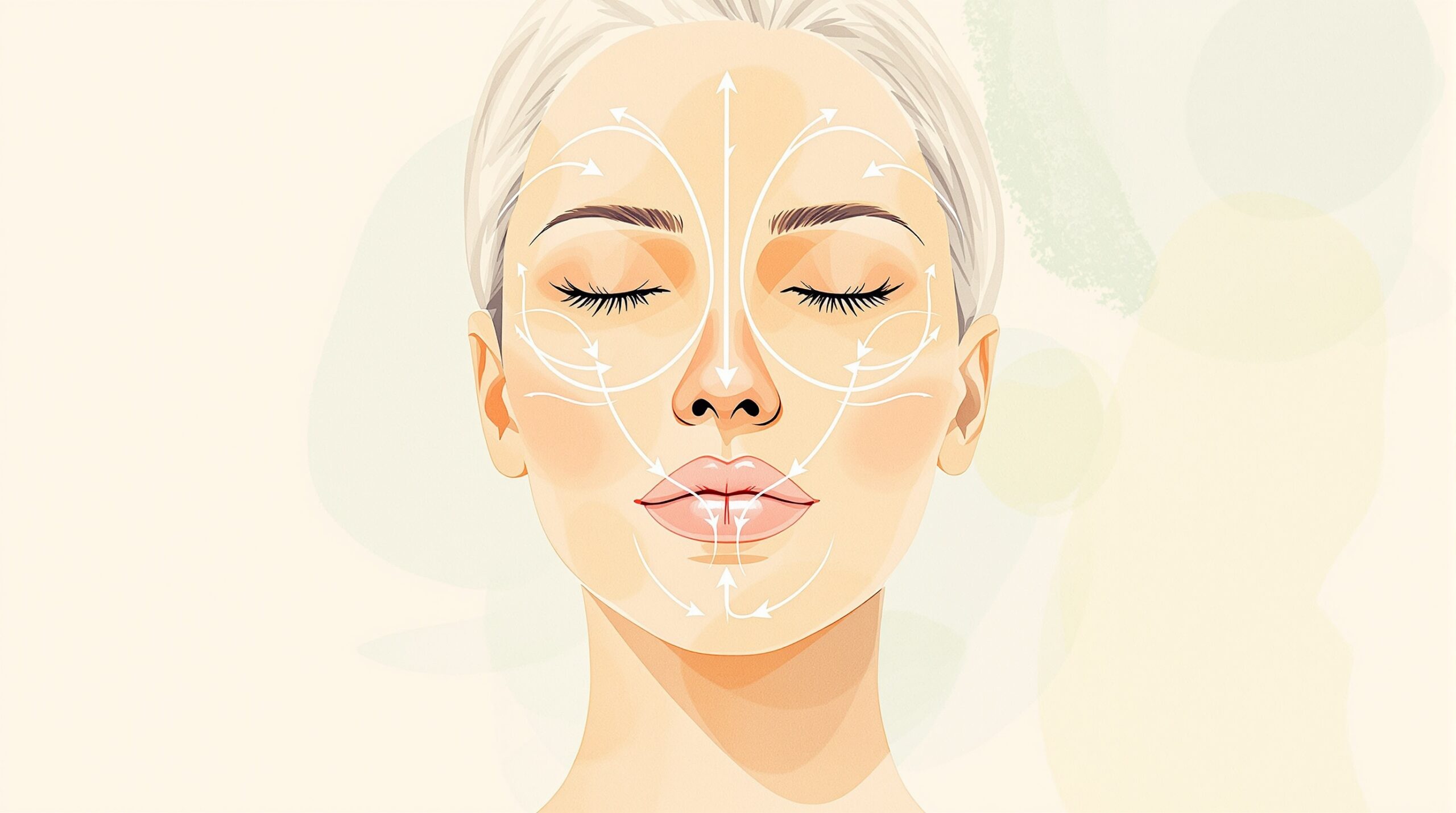
What Lymphatic Drainage Massage Is
Manual Lymph Drainage, or MLD, is a specific technique developed in the 1930s by Emil Vodder. It looks almost nothing like a regular massage. The pressure is very light, roughly the weight of a nickel resting on your skin. The strokes are rhythmic, slow, and always move in the direction of lymph flow, which means toward the lymph nodes in your neck, armpits, and groin.
Two formal methods are recognized: the Vodder method (the original) and the Földi method (a clinical refinement used for lymphedema after cancer surgery). Practitioners certified in either method completed a 130 to 160 hour training program. Spa massage therapists who took a weekend course in “lymphatic massage” did not. The difference shows up in your results.
Deep tissue, Swedish, hot stone, and most spa modalities use pressure that is too firm to move lymph correctly. Lymph vessels sit just under the skin and collapse under heavy pressure, so a deep massage shuts the lymph system down for the duration of the session, the opposite of what you wanted.
Who Needs One
The five most common reasons people book MLD, in roughly the order of how appropriate it is for the technique:
1. Post-surgical recovery. If you had a cosmetic procedure (BBL, liposuction, tummy tuck), abdominal surgery, or a mastectomy, MLD reduces post-op swelling, prevents fibrosis (hardened scar tissue), and shortens recovery time. Plastic surgeons routinely refer patients out for 6 to 12 sessions starting 3 to 5 days post-op. This is the most evidence-backed use case.
2. Lymphedema. Chronic swelling, usually in one arm or one leg, often following lymph node removal during cancer treatment. MLD is part of the standard medical protocol called Complete Decongestive Therapy. A Földi-method or LANA-certified therapist is required here.
3. Mold and biotoxin detox. Mycotoxins are large molecules that primarily leave the body through lymph and bile, not blood. A backed-up lymph system stalls a mold detox protocol. People doing CIRS protocols (Shoemaker, Bredesen) or working with a Mast Cell 360 type practitioner often layer in weekly MLD during the active binding phase.
4. Chronic inflammation and autoimmune flares. If you have a histamine intolerance, MCAS, or an autoimmune condition that flares around your menstrual cycle or under stress, your lymph load is higher than average. MLD bypasses your overworked liver and helps move metabolic waste through a parallel exit channel.
5. Post-flight and post-extended-travel swelling. Sitting for 6+ hours pools lymph in your lower legs. A single MLD session within 48 hours of a long flight often resolves what an antihistamine and 3 days of compression cannot.
If none of those describe you and you just want a relaxing 60 minutes, you do not need MLD. A Swedish massage is more enjoyable and half the price.
What To Expect At Your First Session
A real MLD session lasts 60 to 90 minutes. Some clinics offer 30-minute sessions for “lunch break lymph,” but 30 minutes is not enough time to clear the major lymph node clusters in the correct sequence. Avoid the 30-minute offering for your first visit.
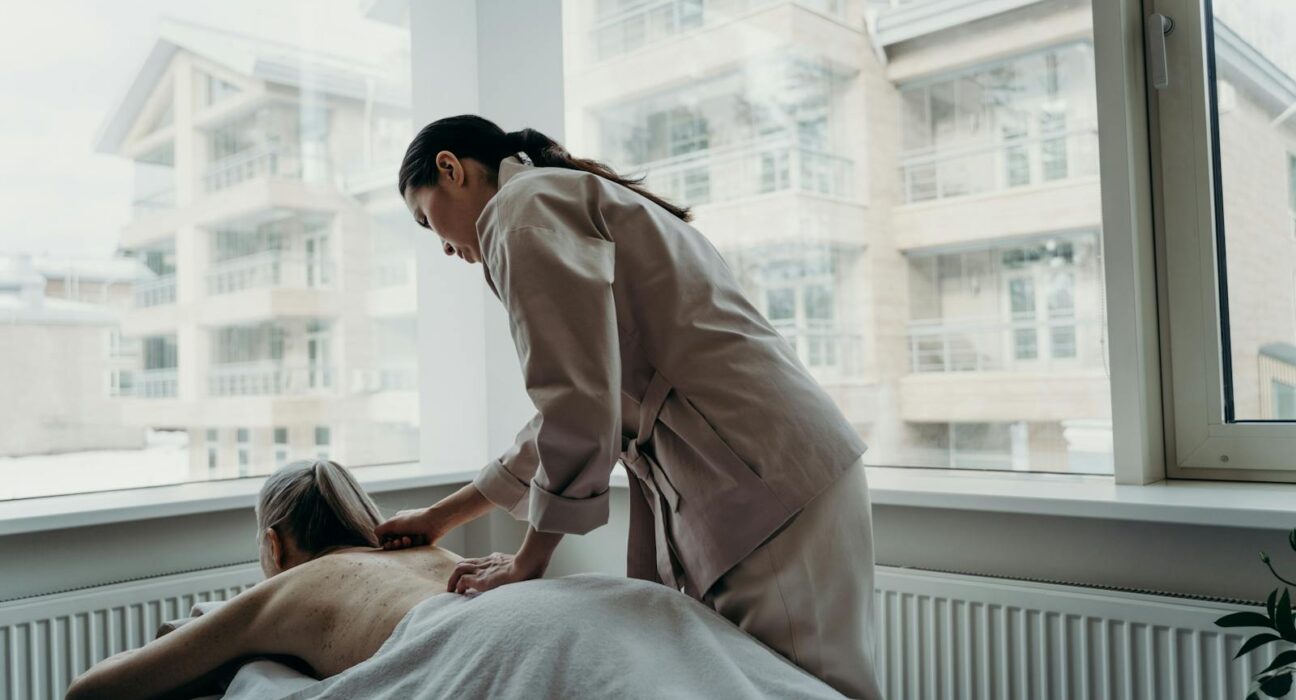
You undress to the waist (sometimes fully, with sheet draping). The therapist starts at your neck (the major drainage point), then works downward through your collarbone, armpits, abdomen, and legs. The pressure is so light you may wonder if anything is happening. It is. Lymph vessels respond to gentle stretching of the skin, not pressure.
Drink 16 to 20 ounces of water before your session and at least 32 ounces in the 4 hours after. The lymph load you mobilized has to leave through your kidneys, and you will feel dragged out the next day if you skip the hydration step. Some people also feel a mild detox reaction (fatigue, brain fog, low-grade headache) for 24 to 48 hours after their first session. This is normal and means it worked.
What It Costs
Pricing varies wildly by region and credential level. Reasonable ranges for a 60-minute MLD session in the United States, as of 2026:
Day spa with a Vodder-trained therapist: to
Wellness clinic with LANA certification: to
Hospital outpatient (lymphedema clinic): often covered by insurance with a doctor referral, otherwise to
Mobile therapist who travels to you: to plus tip
If a clinic charges under for “lymphatic drainage” and the practitioner has no listed credential, the session you will receive is almost certainly a light Swedish massage relabeled. The tool below filters this out.
5 Red Flags When Choosing A Practitioner
1. They use the words “deep tissue” or “firm pressure” interchangeably with MLD. Lymph vessels sit one to two millimeters under the skin. Pressure above the weight of a small coin compresses them shut. Anyone describing MLD as “deep” is doing something else.
2. They start the session at your feet or your back. Lymph flows toward the neck and groin. Starting at the feet pushes fluid into a closed drain. Real MLD always starts at the neck.
3. The clinic offers a 30-minute “lunch break” lymphatic session. Half an hour is not enough time to clear the major lymph node clusters in sequence. This is a marketing format, not a therapeutic one.
4. They have no listed certification and use “lymphatic massage” as a general spa label. The phrase appears on hundreds of day spa menus because it converts well in search results. Always ask for the specific method.
5. They claim MLD will detox you of heavy metals or “release toxins” in a single session. MLD supports lymph movement, which is one of many detox pathways. A confident, credentialed practitioner will say this clearly. Anyone making single-session miracle claims is in marketing, not therapy.
When The At-Home Routine Is Enough
If you are generally healthy, do not have a medical reason listed in the “who needs it” section above, and just want to support detoxification and skin glow, the 7-step at-home sequence in the tool above is probably enough.
Pair it with daily dry brushing (90 seconds, before showering, brush in the direction of lymph flow toward your heart) and a small jade roller or stainless steel Gua Sha tool for the face and neck. The combination of breath, dry brush, self-MLD, and Gua Sha works the same drainage points a professional session would, just less efficiently. For most healthy adults, that is enough.
If you have a medical reason (post-surgery, lymphedema, mold detox, autoimmune flare), at-home is a supplement, not a substitute. Book a credentialed practitioner using the tool above.
A castor oil pack over the right side of your abdomen, three to four evenings per week for 45 minutes each, does something that neither dry brushing nor a Gua Sha tool can. Castor oil triglycerides absorb through skin into the underlying lymph capillaries that drain the liver and gallbladder. UpNature is USDA Organic certified, cold pressed, solvent-purified (critical, because hexane extraction leaves solvent residue), and packaged in glass so there is no plastic leaching:
UpNature Organic Castor Oil (USDA Certified, Hexane no-cost, Glass Bottle)
Heavy, sluggish legs often mean magnesium-deficient muscle tissue holding lymph in place around the calf and thigh fascia. Topical magnesium chloride sprayed on the legs after a shower absorbs directly without the loose-stool issue some people get from oral magnesium. Ancient Minerals uses Zechstein Sea-sourced magnesium, which tests cleaner for heavy metal contamination than mineral-mined alternatives. Use nightly for the first two weeks of any at-home lymph routine:
Ancient Minerals Magnesium Oil Spray (Zechstein Source)

Frequently Asked Questions
How much does lymphatic drainage massage cost near me?
Expect 90 to 140 dollars for a 60-minute session at a day spa with a Vodder-trained therapist, 130 to 200 dollars at a clinic with LANA certification, and 150 to 250 dollars for a hospital outpatient lymphedema session (often covered by insurance with a doctor referral). If a clinic offers MLD under 75 dollars and lists no credential, what you receive is almost certainly a relabeled Swedish massage.
How often should I get lymphatic drainage massage?
For post-surgical recovery, most plastic surgeons refer for 6 to 12 sessions starting 3 to 5 days post-op, twice weekly. For lymphedema, it is part of an ongoing protocol. For general detox or mold-protocol support, once weekly for 4 weeks, then twice monthly as maintenance. For relaxation alone, MLD is not the right modality and Swedish or deep tissue is more enjoyable for the same money.
Can I do lymphatic drainage at home myself?
Yes. The 7-step at-home routine in the tool on this page covers the major drainage points. Do it once daily for 14 days to feel a baseline shift. Pair with dry brushing and deep breathing. For medical reasons (post-surgery, lymphedema, autoimmune flares, mold detox) at-home is a supplement, not a substitute for a credentialed practitioner.
Why do I feel tired after lymphatic drainage massage?
Mobilizing stored lymph mobilizes the metabolic waste it was holding, and that waste leaves through your kidneys over the next 24 to 48 hours. A mild detox response (fatigue, brain fog, low-grade headache) is normal after a first session. Drink 32+ ounces of water in the 4 hours after, avoid alcohol that day, and the response usually resolves within 48 hours. If symptoms last longer than 3 days or include fever, contact your practitioner.
Related Articles