
Around 8,100 people search for a sedation dentist near them every month. Most of them have dental anxiety, a complex procedure ahead, or both. Sedation makes dental work tolerable, sometimes possible at all. It also adds a much heavier metabolic and detox load than people are warned about. The lipid-soluble agents used for sedation can take 4 to 6 weeks to fully clear from fat tissue, and the gap between knowing this and not knowing this is the difference between bouncing back in 3 days and feeling off for a month.
The tool below maps trained sedation dentists near your ZIP code, gives you the 8 safety questions to ask before booking, and links you to the post-procedure detox protocol. This is the article in this cluster where the anesthesia detox content matters most.
Find A Sedation Dentist Near You
Map qualified sedation dentists near your ZIP code, get the 8 safety and credential questions to ask before booking, and the natural anesthesia detox protocol you should start within 24 hours of the procedure.
Enter your ZIP code or city. Opens Google Maps with a search optimized for dentists trained in sedation, ideally those who also operate from a holistic or biological framework.
In your map results, prioritize listings that say:
Bentonite, charcoal, chelation, cilantro, mercury chasing — these protocols all assume heavy metals are your dominant toxic load. For some people they are. Plenty of others land in this kind of work suspecting metals when adrenal exhaustion, parasites, or mold are actually doing more of the damage, and the protocols look very different depending which one is yours. If you want to sort it out before committing to weeks of binders, the 2-minute What's Draining Your Brain Tool places you in one of four root cause types so the next thing you try has a real chance of working.
- "IV sedation" or "moderate sedation" credentials
- "DOCS Education" or "Sedation Permit" listed
- "Holistic" or "biological" dentistry (for natural-first patients)
- "Anesthesiologist on-site" for complex sedation
- "Pediatric sedation specialist" if booking for a child
Tap each question to see why it matters. These are SAFETY questions, not preferences. Ask all 8 at the consultation.
Sedation produces the heaviest anesthesia load of any dental procedure short of hospital general anesthesia. The 7-step protocol below started within 24 hours typically cuts recovery to 2 to 3 weeks. The full deep-dive is in our 7-step anesthesia detox guide.
If you experience any breathing difficulty, severe persistent headache, confusion lasting beyond 24 hours, or chest pain after sedation, contact your dentist or urgent care immediately. The detox protocol does not replace emergency evaluation.
Why Some People Take Weeks To Bounce Back From Sedation
Two people with the same body weight can get the same sedation dose and bounce back at vastly different rates. The difference is upstream load. People with high heavy metal burden, mold biotoxin storage, parasites consuming nutrients, or adrenal burnout have less detox capacity to absorb the additional sedation load. The 90 second Toxic Load Tool finds which one is driving your slow clearance.
Use The Toxic Load ToolDetox Sedation Drugs After Your Procedure
Sedation produces the heaviest anesthesia load of any common dental procedure. Lipid-soluble agents like midazolam, fentanyl, and propofol bind to fat tissue and recirculate through the liver for 2 to 6 weeks. Start the 7-step protocol within 24 hours of the procedure to cut recovery to 2 to 3 weeks. Hydration and activated charcoal are the two highest-leverage moves in the first 48 hours.
Read The Full 7-Step Anesthesia Detox ProtocolSedation Type Options Compared
Nitrous oxide (laughing gas). Mildest option. You stay conscious, can respond, and the gas clears within 5 minutes of the mask coming off. Safest sedation for most procedures. No driving restriction afterward.
Oral sedation (triazolam, lorazepam). A pill taken an hour before the appointment. You stay conscious but very relaxed. Memory of the procedure is often hazy. Requires a designated driver. Some lingering grogginess for 8 to 12 hours.
IV moderate sedation (midazolam plus fentanyl). IV delivery. You stay conscious enough to respond to commands but will not remember the procedure. Requires monitoring equipment and a dedicated staff member. Designated driver required, 24 hour adult supervision recommended.
Deep IV sedation (propofol). You are fully unconscious for the procedure. Used for wisdom teeth extraction, multi-quadrant work, or extreme dental phobia. Requires an anesthesiologist or dentist anesthesiologist. Hospital-grade monitoring. 24 hour adult supervision is mandatory.
What Sedation Costs
Nitrous oxide: 50 to 150 dollars per appointment (often built into the procedure fee)
Oral sedation: 150 to 500 dollars per appointment
IV moderate sedation: 500 to 1,200 dollars per hour of sedation
Deep IV sedation with anesthesiologist: 800 to 2,000 dollars per hour
Insurance coverage is often limited for elective sedation. Some HSA and FSA accounts will cover it with practitioner documentation.
Who Should Skip Sedation
Most healthy adults can safely receive sedation when the dentist follows the right protocols. Sedation should be discussed carefully or avoided entirely for: severe sleep apnea (especially untreated), advanced liver disease, severe heart conditions, pregnancy, and patients on multiple psychotropic medications.
If you have anxiety but are otherwise healthy, ask about the lower-tier options (nitrous or oral) before jumping to IV sedation. Many people who think they need IV sedation do fine with nitrous plus a calming pre-procedure routine.
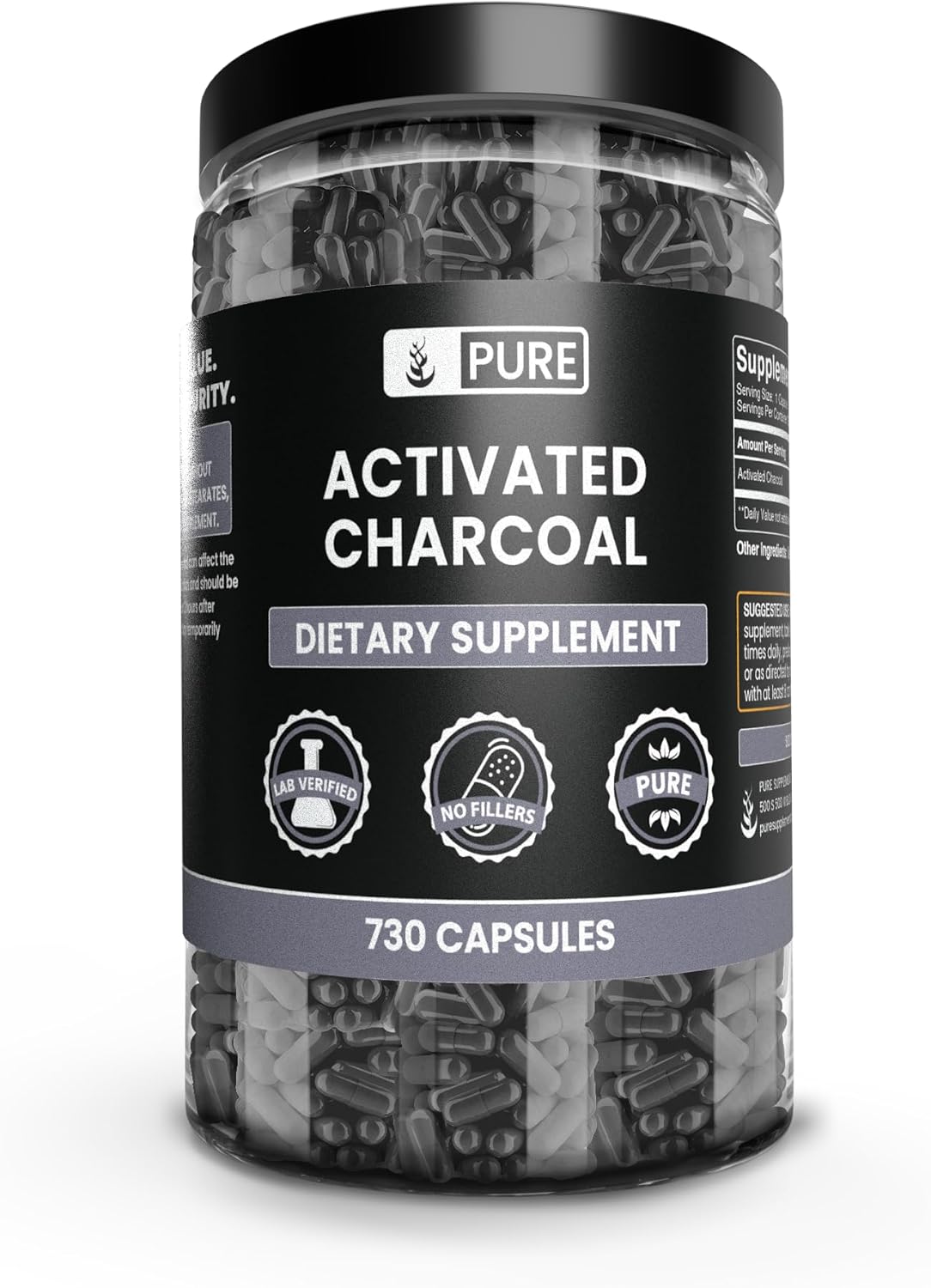
Step 2 of the anesthesia detox protocol calls for activated charcoal twice daily starting the morning of your procedure. The choice matters because most charcoal supplements are cut with magnesium stearate, rice flour, or silica fillers that reduce binding power. Pure Original Ingredients lists charcoal as the single ingredient, no excipients, lab verified for quality. Keep a jar in the medicine cabinet, it doubles as the household emergency binder:
Pure Original Ingredients Activated Charcoal (730 Capsules, No Fillers)
Step 4 of the anesthesia detox protocol uses glutathione, the master antioxidant the liver needs to finish detoxing anesthesia metabolites. Liposomal liquid form absorbs intact, unlike standard oral glutathione which mostly gets destroyed by stomach acid. Rho Nutrition produces a clean liposomal liquid with no artificial flavors or sweeteners. One teaspoon under the tongue daily for 2 to 4 weeks post-procedure:
Rho Nutrition Liposomal Glutathione

Related Reading
- How To Detox Anesthesia After Dental Surgery: The 7-Step Protocol
- Dental Bridges Near Me: Find A Holistic Dentist Tool
- Dental Crown Near Me: Find A Holistic Dentist Tool
- Brain Fog After Surgery: The 12-Week Anesthesia Recovery Plan
- Activated Charcoal After Surgery: When It Helps Detox Anesthesia
Frequently Asked Questions
How much does sedation dentistry cost near me?
Nitrous oxide runs 50 to 150 dollars (often built into the procedure fee). Oral sedation 150 to 500 dollars. IV moderate sedation 500 to 1,200 dollars per hour. Deep IV sedation with an anesthesiologist 800 to 2,000 dollars per hour. Insurance coverage for elective sedation is often limited, but HSA and FSA accounts may cover it with practitioner documentation.
Is sedation dentistry safe?
When the dentist holds the appropriate state permit, monitoring equipment is in use, and emergency reversal medications are on hand, sedation is safe for most healthy adults. The risk is significantly higher when those three boxes are not checked, which is why the 8-question safety checklist above is the foundation of choosing a practitioner. Sedation deaths are rare but almost always traceable to monitoring or training gaps.
How long does sedation take to wear off?
Nitrous oxide clears within 5 minutes of the mask coming off. Oral sedation produces 8 to 12 hours of grogginess. IV moderate sedation produces 12 to 24 hours of impaired function (no driving, no decisions). Deep IV sedation produces 24 to 48 hours of impairment. The lipid-soluble fraction continues to clear from fat tissue for 2 to 6 weeks regardless of which method was used.
Can I do sedation dentistry if I am pregnant?
Most dentists recommend against elective sedation during pregnancy, especially in the first and third trimesters. If emergency dental work is needed during pregnancy, the dentist coordinates with your OB to choose the lowest-risk sedation option (often nitrous oxide briefly in the second trimester). Do not pursue sedation for cosmetic procedures during pregnancy.