
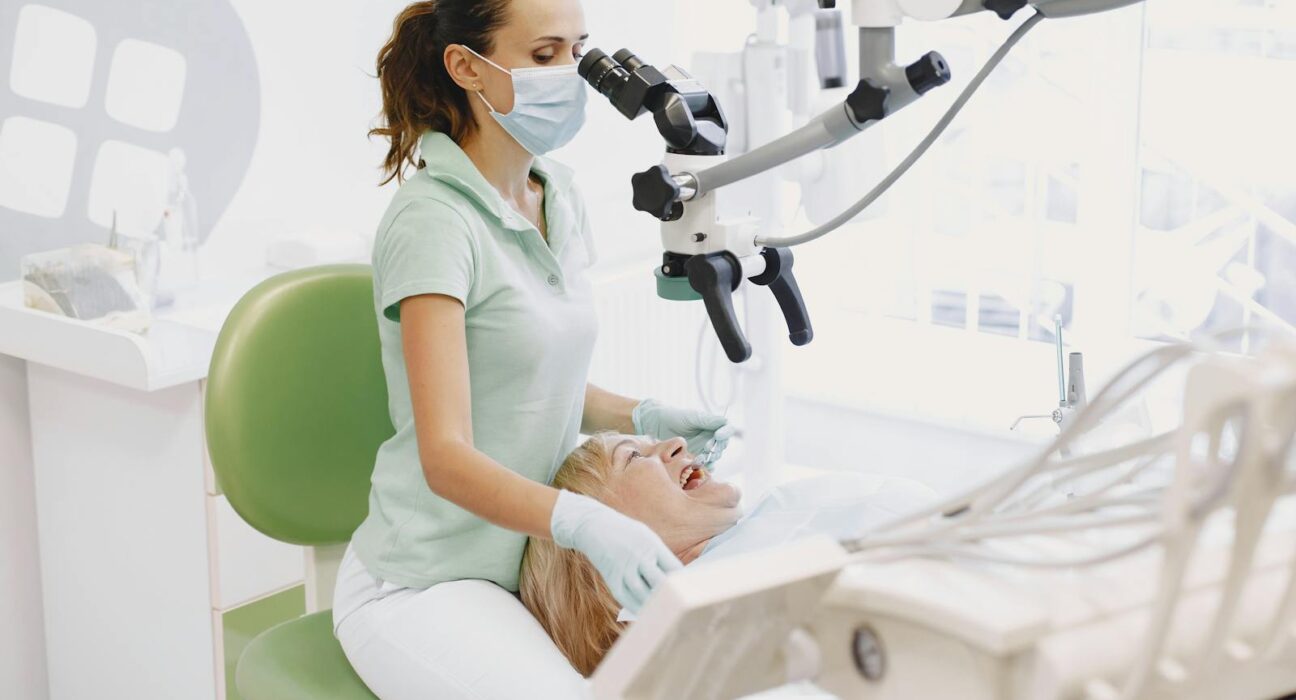
Around 8,100 people search for a dental crown dentist near them every month. Most of them pick the practice closest to their insurance match, get the crown done, and never think about the material that just got cemented into their mouth for the next 15 years. That works fine for many people. It does not work fine if you have an existing amalgam two teeth over, an autoimmune flare pattern, or want metal-free dental work.
The tool below maps biocompatibility-trained dentists near your ZIP code, gives you the 8 credential questions to ask before booking, and links you to the anesthesia detox protocol to start within 24 hours of the procedure.
Find A Holistic Dentist For Crown Work Near You
Map biocompatibility-trained dentists near your ZIP code, get the credential questions to ask before booking, and the anesthesia detox protocol to start within 24 hours.
Enter your ZIP code or city. Opens Google Maps with a search optimized for biological / holistic / IAOMT-friendly dentists who do metal-free crown work.
In your map results, prioritize listings that say:
- "IAOMT" or "biological dentist" or "holistic dentist"
- "Biocompatibility testing" or "Clifford test"
- "Metal-free" or "mercury-free crowns"
- "Zirconia" or "all-porcelain crowns"
- "SMART amalgam removal" (IAOMT protocol)
Tap each question to see why it matters. Ask all 8 at the consultation. A holistic dentist welcomes these questions. A conventional one may push back.
Bentonite, charcoal, chelation, cilantro, mercury chasing — these protocols all assume heavy metals are your dominant toxic load. For some people they are. Plenty of others land in this kind of work suspecting metals when adrenal exhaustion, parasites, or mold are actually doing more of the damage, and the protocols look very different depending which one is yours. If you want to sort it out before committing to weeks of binders, the 2-minute What's Draining Your Brain Tool places you in one of four root cause types so the next thing you try has a real chance of working.
Start steps 1 and 2 the morning of your crown appointment. The other steps add in over the following 7 to 14 days. The full deep-dive on this protocol with phase-by-phase guidance is in our 7-step anesthesia detox guide.
If you are on blood thinners, immunosuppressants, or have a history of severe reaction to dental anesthesia, run this protocol past your prescribing dentist before starting.
Tooth Damage That Needs A Crown Has An Upstream Cause
Teeth do not just crack. Enamel weakens from heavy metal load, dentin demineralizes from chronic acid load, gums recede from systemic inflammation, and chewing power gets uneven from nervous system clenching. By the time you need a crown, the upstream picture has been off for years. The 90 second Toxic Load Tool finds which one is driving yours.
Use The Toxic Load ToolDetox Anesthesia After Your Crown Procedure
Crown work involves at least local anesthesia and sometimes IV sedation for full-mouth or anxious patients. Lipid-soluble agents bind to fat tissue and recirculate through the liver for 2 to 6 weeks. Start the 7-step protocol within 24 hours of the procedure to cut that recovery to 2 to 3 weeks. The two highest-leverage steps are hydration with electrolytes and activated charcoal (timed 2 hours from any meds).
Read The Full 7-Step Anesthesia Detox ProtocolCrown Material Options Compared
Zirconia (all-ceramic). Strongest non-metal option, biocompatible, no metal allergy risk, holds color over time. Best for molar crowns where bite force is high. Cost higher than PFM. Right for most natural-first patients.
All-porcelain (lithium disilicate, E.max). Most natural-looking, best translucency for front teeth. Slightly less durable than zirconia for molars. Best for visible cosmetic crowns where appearance dominates.
Porcelain-fused-to-metal (PFM). Most common conventional option. Contains metal substructure (nickel-cobalt, palladium, or gold alloys) under porcelain. Cheaper. Metal can leak ions over years. Avoid if you have metal sensitivity, autoimmune conditions, or existing amalgams.
Gold (full-cast). Old-school, still used for molars. Highly durable, visually obvious. Considered biocompatible because gold is inert, but the alloy may include other metals.
Same-day CEREC crown. Digitally scanned and milled in-office in 90 minutes. Avoids the temporary-crown step. Material is usually a porcelain block. Good option if you cannot fit a second visit.
What A Crown Costs
PFM crown at conventional practice: 1,000 to 1,800 dollars (often insurance-covered)
Zirconia crown at biological dentist: 1,500 to 3,000 dollars (often partial coverage)
All-porcelain crown: 1,800 to 3,500 dollars
Gold crown: 2,000 to 4,500 dollars
Same-day CEREC porcelain: 1,200 to 2,500 dollars
Biocompatibility testing adds 300 to 600 dollars but informs all future dental material choices, not just this crown.
When To Repair Instead Of Crown
Not every cracked or damaged tooth needs a crown. Smaller fractures can sometimes be addressed with a composite filling, a bonded inlay, or an onlay (a partial crown). These options preserve more of your natural tooth structure, cost less, and avoid the systemic load of full-circumference dental work.
Ask your dentist whether a less-invasive restoration is appropriate before committing to a crown. A conservative practitioner offers this conversation. A revenue-driven one does not.
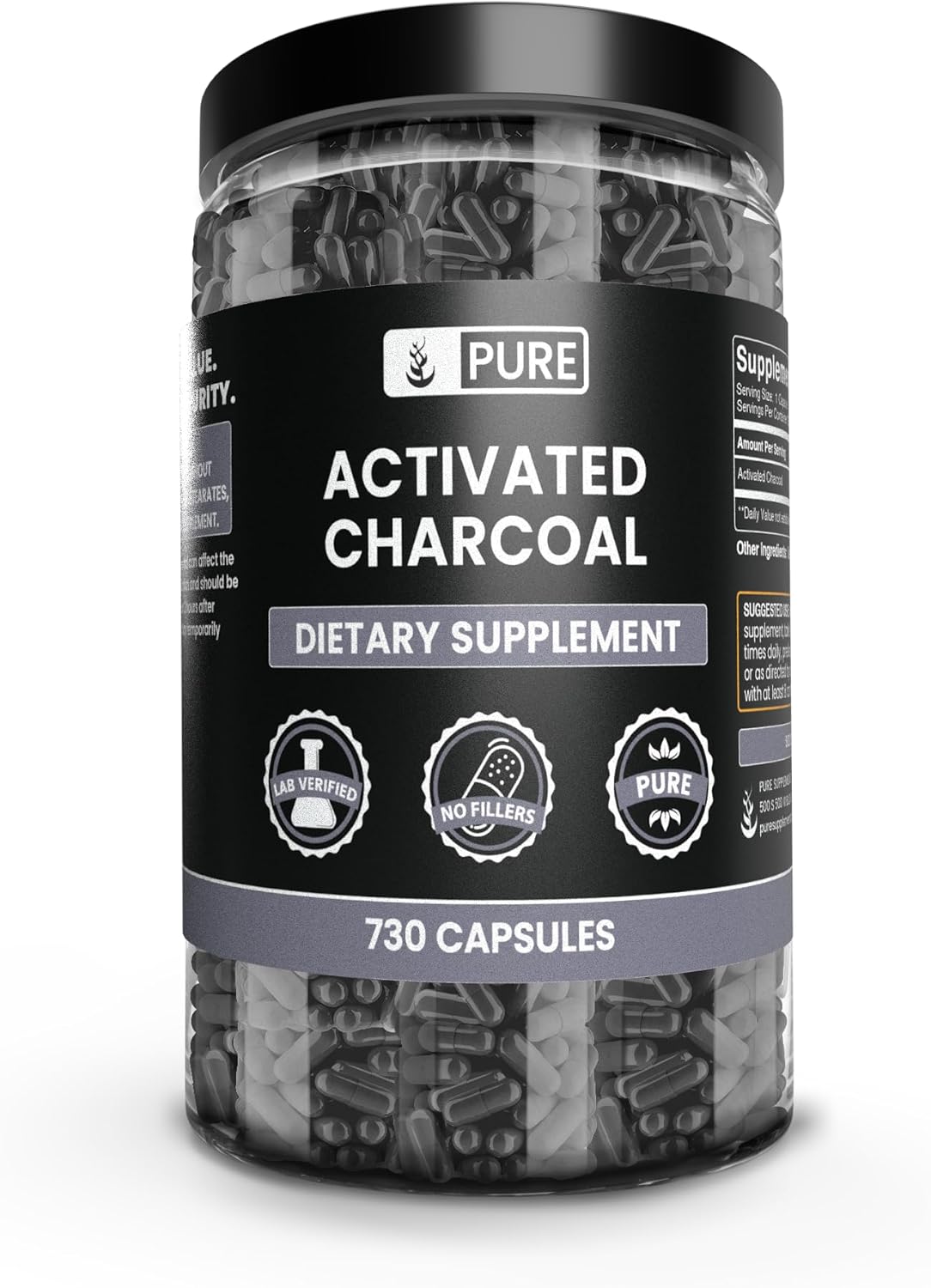
Step 2 of the anesthesia detox protocol calls for activated charcoal twice daily starting the morning of your procedure. The choice matters because most charcoal supplements are cut with magnesium stearate, rice flour, or silica fillers that reduce binding power. Pure Original Ingredients lists charcoal as the single ingredient, no excipients, lab verified for quality. Keep a jar in the medicine cabinet, it doubles as the household emergency binder:
Pure Original Ingredients Activated Charcoal (730 Capsules, No Fillers)
Step 4 of the anesthesia detox protocol uses glutathione, the master antioxidant the liver needs to finish detoxing anesthesia metabolites. Liposomal liquid form absorbs intact, unlike standard oral glutathione which mostly gets destroyed by stomach acid. Rho Nutrition produces a clean liposomal liquid with no artificial flavors or sweeteners. One teaspoon under the tongue daily for 2 to 4 weeks post-procedure:
Rho Nutrition Liposomal Glutathione

Related Reading
- How To Detox Anesthesia After Dental Surgery: The 7-Step Protocol
- Dental Bridges Near Me: Find A Holistic Dentist Tool
- Teeth Whitening Near Me: Find A Dentist Tool
- How To Avoid A Root Canal
Frequently Asked Questions
How much does a dental crown cost near me?
Zirconia crowns at biological dentists run 1,500 to 3,000 dollars in 2026. PFM crowns at conventional practices are 1,000 to 1,800. All-porcelain crowns 1,800 to 3,500. Same-day CEREC porcelain crowns 1,200 to 2,500. Biocompatibility testing adds 300 to 600 dollars but informs all future dental material choices.
Are zirconia crowns better than porcelain-fused-to-metal?
For most natural-first patients yes. Zirconia is metal-free, biocompatible, holds color over time, and matches the strength needed for molar crowns. PFM crowns have a metal substructure that can leak ions into surrounding tissue over years, which matters if you have metal sensitivity, autoimmune conditions, or existing amalgams elsewhere in your mouth.
Can I get a crown without any anesthesia?
Local anesthesia is needed for the prep step (drilling down the tooth). Some patients with very high pain tolerance request no anesthesia and tolerate the prep, but it is uncommon. What you can negotiate is an epinephrine-free anesthetic if you have adrenal burnout or anxiety, which avoids the post-procedure jitters. Ask about 3 percent mepivacaine plain or 4 percent prilocaine without epi.
How long does anesthesia last after a crown procedure?
Local anesthetics wear off in 4 to 8 hours. The lipid-soluble fraction that binds to fat tissue takes 2 to 6 weeks to fully clear, which is why some patients feel off, foggy, or fatigued for weeks after crown work even when the tooth itself is fine. The 7-step detox protocol linked above cuts that to 2 to 3 weeks.