

Time blocking for ADHD sounds like a contradiction. You have a brain that resists rigid schedules. And now someone tells you to slice every hour into tidy blocks?
Here is the good news. Traditional time blocking does not work for most ADHD minds. A flexible version, built around energy and interest, absolutely can.
This guide shows you the exact system that works for neurodivergent brains. You will get a step-by-step setup plus the tools we keep coming back to.
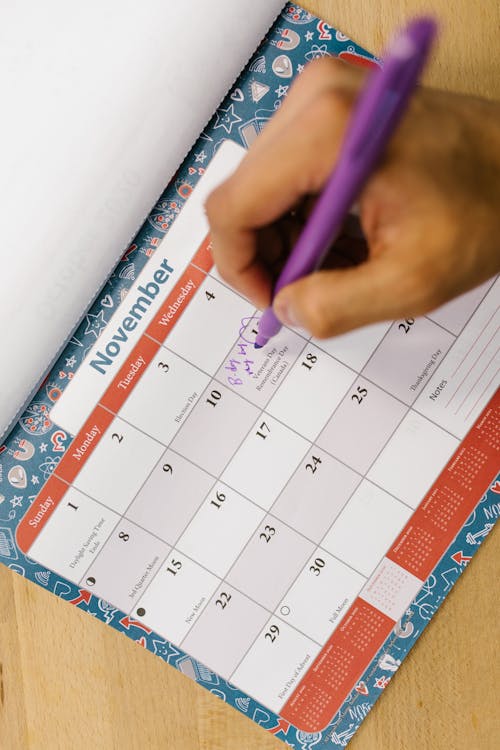
Why Traditional Time Blocking Fails ADHD Brains
Classic time blocking assumes you can predict your focus to the minute. Most ADHD brains do not work that way. Interest, energy, and novelty drive your output.
When the schedule breaks at 10:07 a.m., guilt kicks in. You abandon the whole plan. Many readers say they have tried time blocking three or four times before giving up.
The fix is to stop trying to copy neurotypical productivity systems. Build one that respects how your brain actually works. That starts with wider blocks and shorter lists.
Watch: How Time Blocking Works for ADHD
In this video you will learn:
- Why rigid schedules tend to backfire for ADHD minds
- The three-block daily template that keeps things simple
- How to use buffer time to stay out of overwhelm
- Small mindset tweaks that make time blocking stick
The Flexible Time Blocking System for ADHD
Here is the core of a time blocking system that actually works. The goal is fewer blocks, more margin, and room for your natural rhythm.
Step 1: Define Three Daily Blocks, Not Twelve
Most ADHD brains do best with three large blocks per day. Keep them wide and flexible. A starter template looks like this:
- Deep block (90 to 120 minutes): Hard creative or thinking work.
- Admin block (60 minutes): Emails, calls, and little tasks you usually avoid.
- Maintenance block (45 minutes): Tidying, laundry, errands, or light chores.
Pick a start time for each. Give yourself 15 minutes of buffer between blocks. That tiny cushion helps your brain switch contexts without meltdown.
Step 2: Pick One Priority Per Block
Resist the urge to list five tasks per block. Write one priority at the top of each. Everything else is a bonus.
This feels slow at first. It is actually faster. You finish more when your brain is not juggling a long list.
Step 3: Match Blocks to Your Energy Peaks
Notice when you tend to feel most alert. Most people have a morning peak and an afternoon dip. Put your deep block during your peak. Save admin for the dip. If mornings are where your focus breaks down, pair this with a phone-free morning routine so the first hour belongs to you.
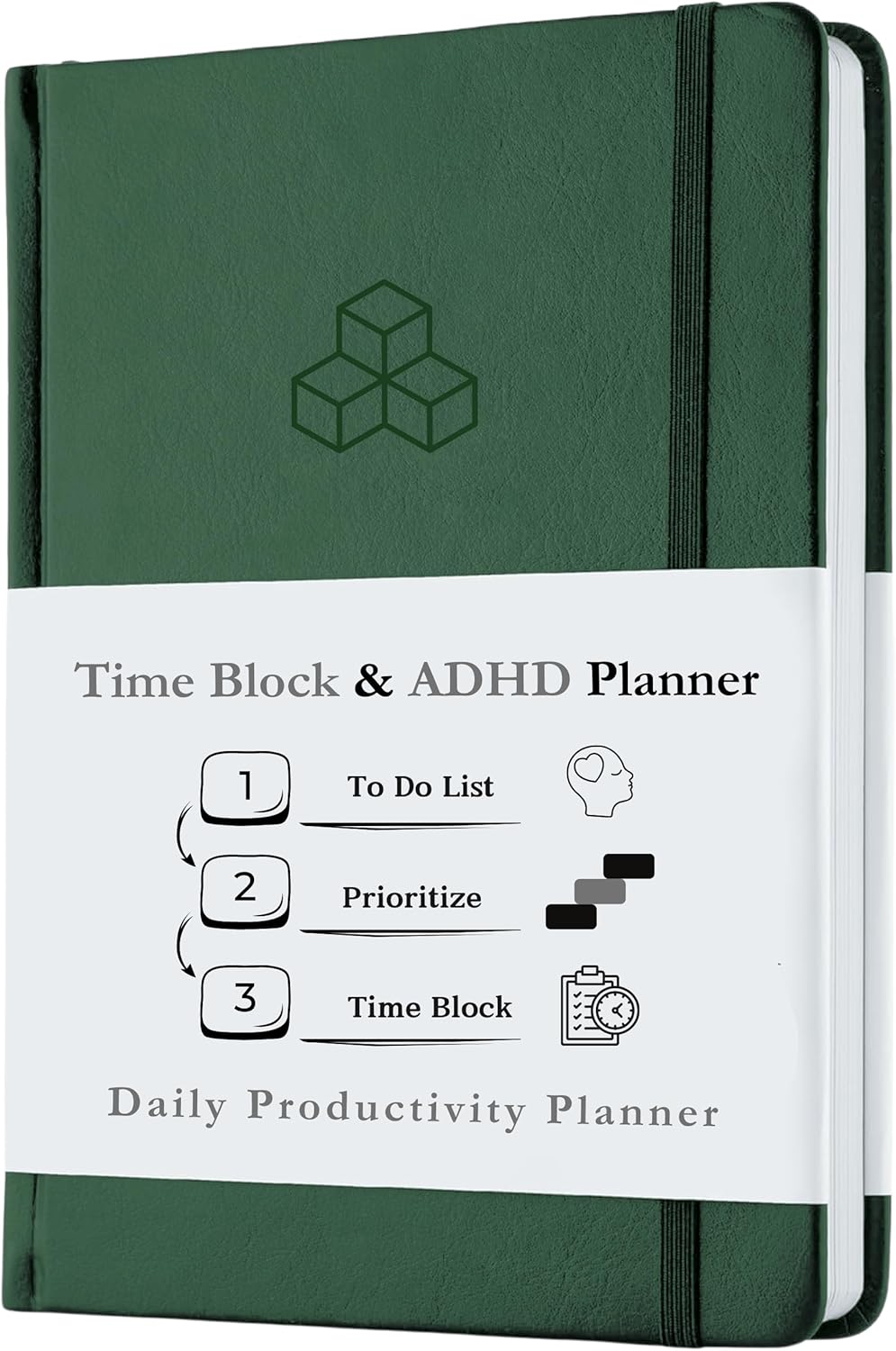
Time Blocking and ADHD Planner by Refine Days
Source: amazon.com
Undated planner built around ADHD-friendly time blocks.
The Wellthie One Review
Refine Days built this planner with ADHD brains in mind. Each page gives you a visible hourly layout, a short to-do list, and a priority box. The undated format lets you skip days without guilt. That flexibility is a big deal for neurodivergent users.
Refine Days ADHD Planner Attributes
- 180 undated pages so no blank days shame you
- Hourly layout with daily and monthly agenda
- Space for top priority plus smaller tasks
- Compact size that fits in most bags
Tools That Make Time Blocking Stick

The right tools make time blocking feel easy. ADHD brains respond best to visual and tactile cues. Try at least one of these this week:
- Visual timer: A physical timer beats a phone timer. You can see the minutes shrinking.
- Paper planner: The act of writing helps your brain commit to the plan.
- Color-coded pens: Assign a color to each block type so your brain spots patterns fast.
- Noise-canceling headphones: Brown noise reduces distractions during deep blocks.
Start with the one that feels fun, not the one that feels most productive. ADHD dopamine loves novelty. Use that to your advantage.
The Advanced Productivity Planner

Source: amazon.com
Undated planner with time blocking, goal setting, and habit tracking.
The Wellthie One Review
This planner goes deeper than the basics. It blends time blocking with goal setting and habit tracking. If you like to see the big picture and the daily detail side by side, this is a strong pick.
Advanced Productivity Planner Attributes
- Daily, weekly, and monthly planning layers
- Built-in time blocking and habit tracker
- Goal setting and yearly reflection pages
- Undated so you can start any day
The Buffer Rule: Your ADHD Secret Weapon

Neurotypical schedulers stack meetings back to back. This is a disaster for ADHD brains. You need transition time to reset.
Build 15 to 20 minutes of buffer between every block. Use that window for a walk, water, or breathing. Do not fill it with tasks.
Pair this buffer with a two minute rule reset. That combo gives your brain a clean handoff between blocks.
Dealing With Time Blindness
Time blindness is a common ADHD trait. You sit down at 9 and look up to find it is noon. A few tricks help:
- Set a visual timer for every block you start
- Use a second alarm for the halfway mark
- Announce the block out loud to anchor your brain
- Keep a clock on your desk where you can see it
A Sample Flexible Time Block Day
Here is one example of a realistic ADHD-friendly day. Adjust the times to match your energy, not ours.
- 8:30 to 9:00 a.m.: Gentle morning routine, coffee, short journal
- 9:00 to 10:45 a.m.: Deep block, single priority task
- 10:45 to 11:00 a.m.: Buffer, water, short walk
- 11:00 a.m. to 12:00 p.m.: Admin block, email and calls
- 12:00 to 1:15 p.m.: Lunch break, outside if possible
- 1:15 to 2:45 p.m.: Second deep block, different priority
- 2:45 to 3:00 p.m.: Buffer, stretch, water
- 3:00 to 3:45 p.m.: Maintenance block, small chores
- 3:45 p.m.: Soft workday finish, plan tomorrow
Notice how each block is wide. Notice the buffers. Notice the single priority. That is the ADHD time blocking mindset in one page.
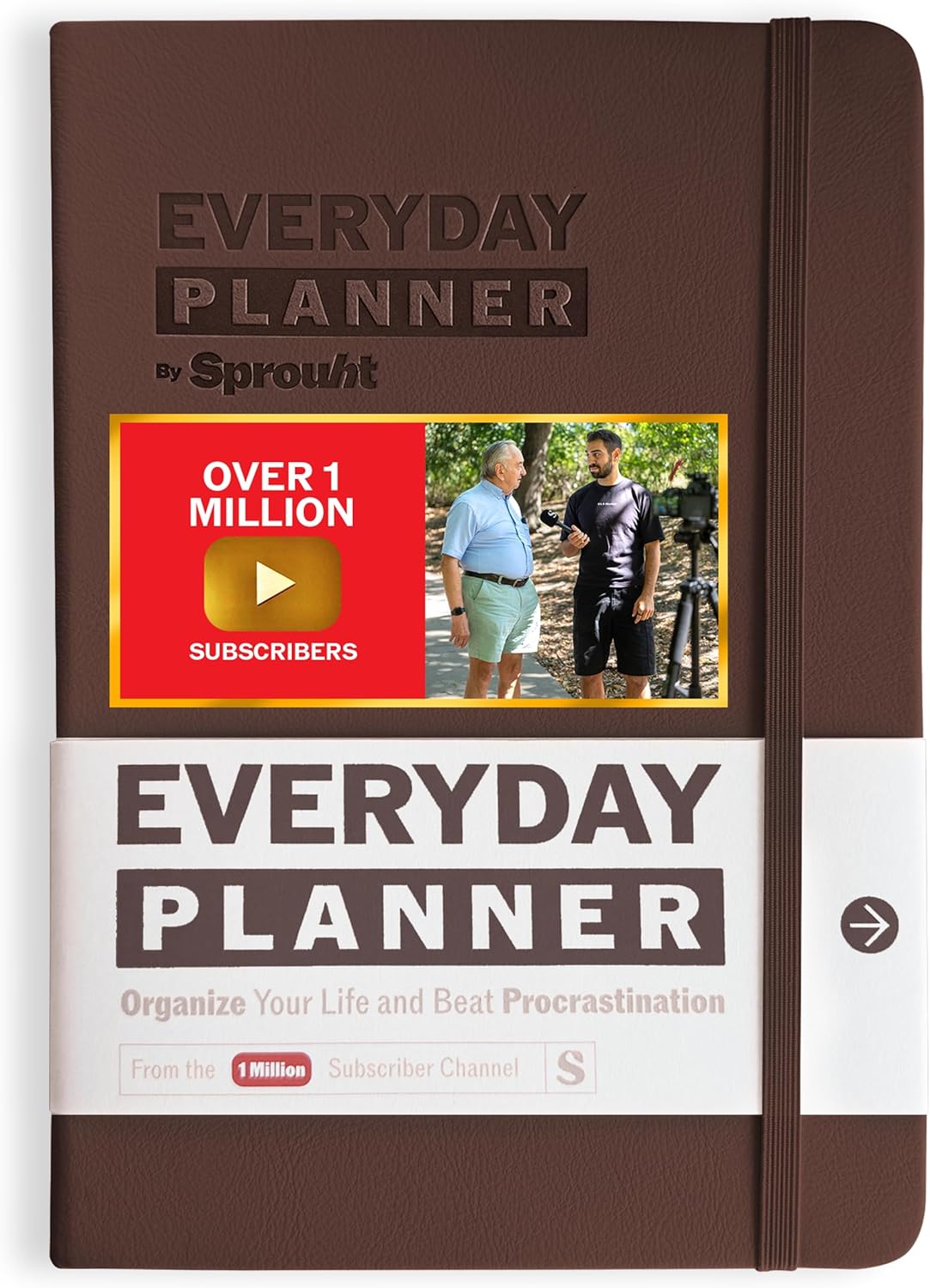
Undated Daily ADHD Planner (90 Day)
Source: amazon.com
A 90-day daily planner with hourly schedule and goal tracker.
The Wellthie One Review
A 90-day planner is the sweet spot for many ADHD users. It feels long enough to build a habit but short enough to stay fresh. The hourly layout also doubles as a simple time blocking template.
Undated ADHD Planner Attributes
- 90 days of daily and weekly productivity pages
- Hourly schedule with to-do and goal tracker
- Habit tracker to stack new routines
- Compact design that travels well
Common Mistakes That Break the System

Even the best planner fails if you fall into these traps. Watch for them during your first two weeks.
- Filling every minute: Blank space is a feature, not a bug.
- Starting too big: Plan only two blocks for the first three days.
- Punishing missed blocks: Rework the schedule, do not rewrite yourself.
- Ignoring energy: Your peak hour beats the one on the productivity podcast.
If a block slides, slide the next one too. Flexibility is the point. Perfection is not.
Frequently Asked Questions
How many blocks should I start with?
Start with two blocks for three days. Add a third once the first two feel easy. Slow is fast here.
What if I fall off the schedule by 10 a.m.?
Pick up at the next buffer, not where you left off. The reset keeps the day intact.
Can I use an app instead of paper?
Yes, but writing by hand tends to work better for ADHD brains. Try paper for two weeks first.
How long before this system starts to click?
Most readers feel a shift in week two. Full comfort usually arrives around week four.
The Bottom Line
Time blocking for ADHD works when the system respects your brain. Use three wide blocks, one priority each, and solid buffers between them. Let energy and interest guide you.
Pick one planner and one visual timer. Commit for two weeks. Adjust the times to match your real life, not the perfect one on Instagram.
Affiliate disclosure: As an Amazon Associate, The Wellthie One earns from qualifying purchases. This does not change the price you pay. We only recommend products we would use ourselves. This content is for education and is not medical or mental health advice.


