
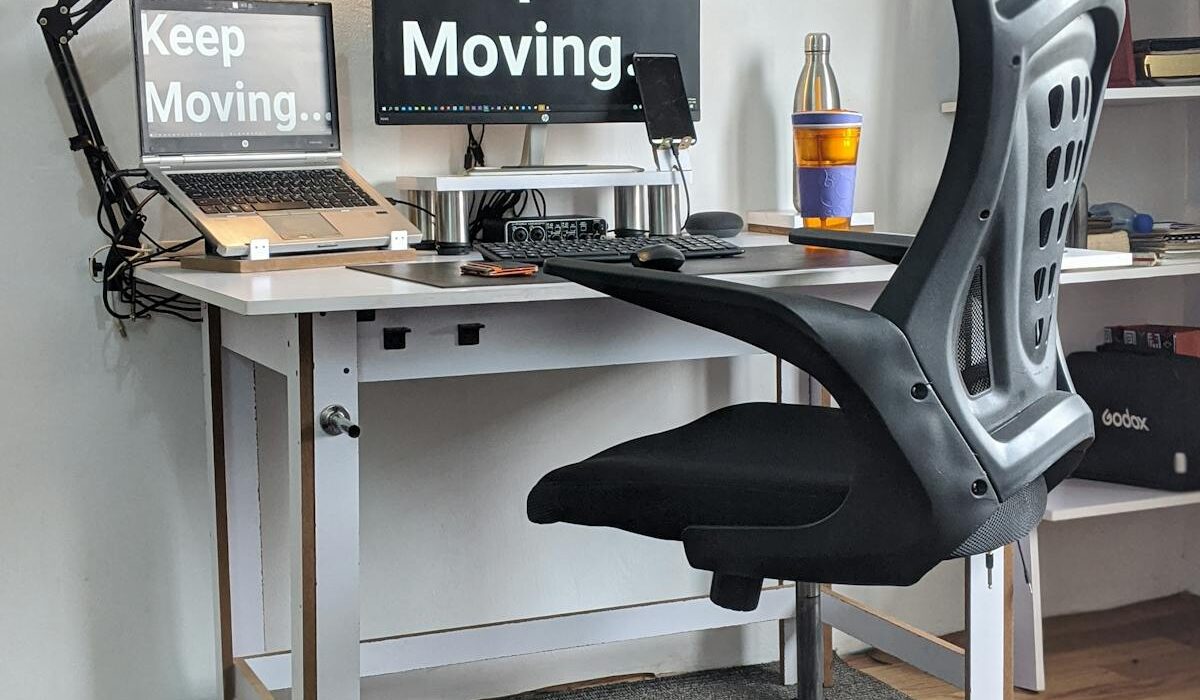
Procrastination rarely starts with laziness. It usually starts with a task that feels too big to begin. The two minute rule for procrastination gives you a tiny way back in. It works because starting is almost always the hardest part.
This small habit was popularized by James Clear in Atomic Habits. The rule is simple to say and hard to argue with. When a new habit feels overwhelming, shrink it until it takes two minutes or less.
What you will learn in this video:
- Why starting is always the hardest part of any habit
- How James Clear reframes big goals into tiny two minute doors
- Examples of two minute versions of reading, running, and eating well
- How to use the rule to rebuild momentum after a bad week
What the Two Minute Rule Really Means
The two minute rule says any new habit should start in under two minutes. You scale down the action until it is almost too small to skip. Write one sentence instead of one page. Lace your shoes instead of running a mile.
The goal is to master the art of showing up. Once you are in the chair, the page, or the shoes, momentum takes over. You can always do more, but you are never on the hook for more than two minutes.
People often roll their eyes at the idea. They think they need bigger action to make real change. The truth is the opposite. Tiny, repeatable actions win because they actually happen on busy days.

Why It Works for Procrastination
Procrastination is not a character flaw. It is a protective response when a task feels risky or huge. The brain sees a mountain and reaches for something soothing like social media. The two minute rule shrinks the mountain into a step.
Behavioral researchers call this the Zeigarnik effect. Once you begin a task, your brain keeps it open until you finish. Starting a two minute version often pulls you further into the work than you planned.
Another reason this works is identity. Every time you start, you cast a vote for being a person who finishes things. Enough of those small votes change how you see yourself. Identity shifts make the habit stick long after the motivation fades.
How to Apply the Rule in Real Life
Pick one thing you have been putting off for a week or more. Write down the smallest version of that task you can imagine. Then commit to doing only that small version today.
Here are common examples that work:
- Want to read more? Read one page.
- Want to run? Put on your running shoes.
- Want to clear your inbox? Open and reply to one email.
- Want to write a book? Write one sentence.
- Want to eat cleaner? Put a piece of fruit on your plate.
The rule is not a trick to get you to do more. It is a real permission slip to do less. Paradoxically, when you let yourself do less, you usually end up doing more.

Start With the Book That Made This Famous
If you want the full story behind this rule, the source book is a great place to begin. Atomic Habits has become a modern classic for a reason. It gives you a full system to make small actions stick.
Atomic Habits by James Clear

Source: amazon.com
An Easy and Proven Way to Build Good Habits and Break Bad Ones
The Wellthie One Review
Atomic Habits Attributes
- Bestselling framework for identity based habits
- Chapters on the two minute rule, habit stacking, and environment design
- Practical templates at the end of each section
- Easy to re-read in small, focused sessions
This is the book most readers point to when a habit finally sticks. Clear’s writing is plain, warm, and practical. It is a great weekend read that rewards slow, repeated visits.
Keep Your Starts Visible With a Habit Journal
Tracking starts turns a vague plan into a visible streak. A physical journal keeps the feedback loop tight and simple. Checking a box is a tiny reward that your brain actually notices.
Baronfig Clear Habit Journal

Source: amazon.com
224 Page Flagship Journal Co-designed by Baronfig and James Clear
The Wellthie One Review
Clear Habit Journal Attributes
- Structured pages for habit tracking and reflection
- Dot grid pages for notes, planning, and lists
- High quality paper that feels inviting to open daily
- Compact size that travels easily in a bag or backpack
A habit journal makes the two minute rule physical and visible. The Clear Habit Journal was designed with this exact workflow in mind. Many people find that the act of writing the small action is often the small action itself.
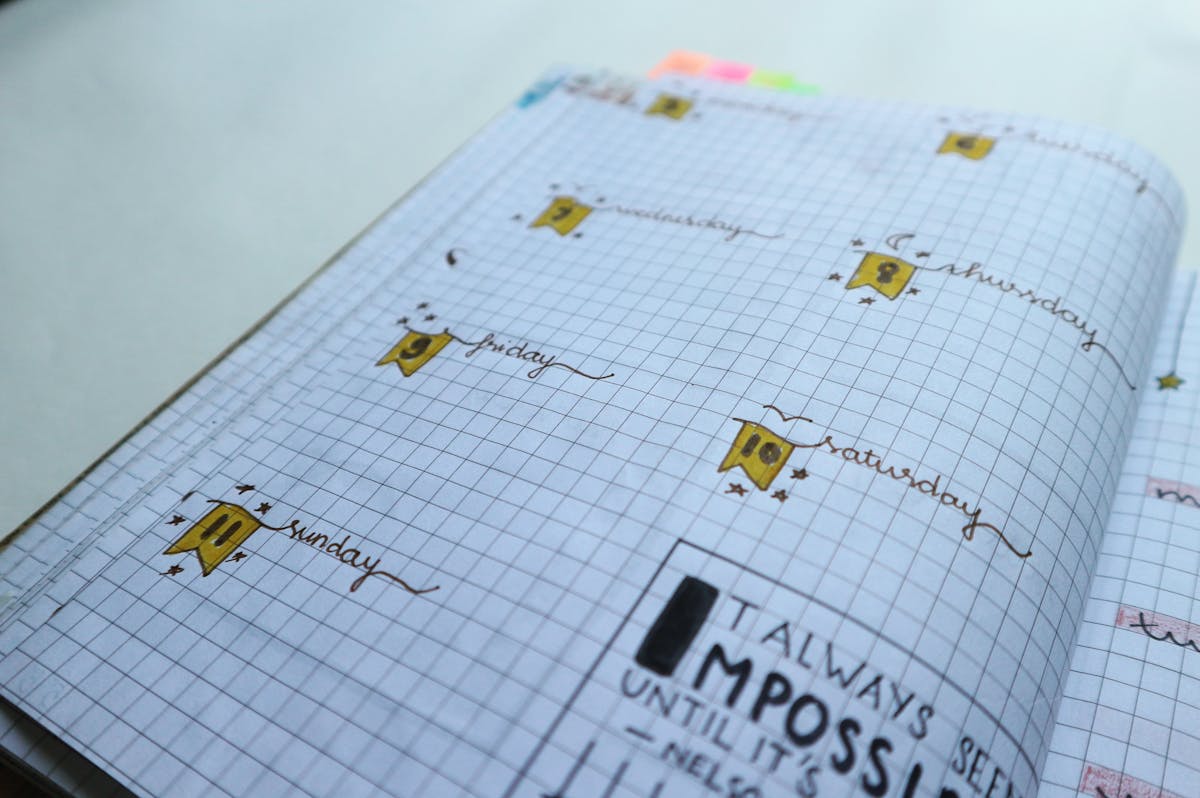
Use a Visual Timer to Remove Decision Fatigue
Not everyone needs a gadget, but a visual timer can be a game changer. Seeing the seconds tick down turns a vague promise into a finite window. It is easier to begin when you know the end is in sight.
Digital Pomodoro Timer Cube

Source: amazon.com
Visual Flip Timer with Custom Countdown and Silent or Sound Mode
The Wellthie One Review
Pomodoro Timer Cube Attributes
- Flip the cube to choose 5, 10, 25, or 50 minute sessions
- Custom countdown for a perfect two minute start window
- Silent mode is great for shared offices and late night work
- Rechargeable battery means no fumbling with coin cells
A physical timer removes decision fatigue and phone distractions. Flip it to two minutes, place it in front of you, and start. The clock becomes the permission slip to stop worrying about the rest of the task.
Stack the Two Minute Rule With Existing Habits
Pair your tiny action with a current routine to make it easier to remember. After pouring your morning coffee, write one sentence. Before brushing your teeth at night, read one page. This is what James Clear calls habit stacking.
The trigger is the part of your routine you never forget. The new two minute habit attaches to that trigger like a sticker. Over time, the new action becomes as automatic as the trigger behavior itself.
For journaling, pair the two minute rule with your morning coffee. Consider exploring the prompts in our guide on morning journaling prompts for mental clarity. Pick one prompt, write for two minutes, and call it done.
When the Rule Stops Feeling Useful
The two minute rule is most helpful at the start of a habit. Once a habit is steady, it may be time to expand. You can extend to five, ten, or twenty minute versions as your base becomes automatic.
There is also a difference between starting and finishing. The rule is about showing up. If a project has a clear deadline, you still need a longer block to ship the work. Use the two minute rule to start, then schedule a longer session to finish.
Some days the two minute version will be the whole workout. That still counts. Consistency beats intensity for habit formation, and showing up on hard days is the habit.

A Simple Two Minute Rule Experiment for This Week
Pick three habits you have been trying to start. Next to each one, write the two minute version. Commit to doing only those tiny versions every day for the next seven days.
At the end of the week, reflect on what happened. Most people notice they actually went past two minutes on many days. They also notice that the days when two minutes was all they did still felt like a win.
This small experiment is how real change begins. The point is not to transform overnight, but to prove to yourself that you can start. A week of two minute wins is often all it takes to turn a tired identity back into a curious one.
The Bottom Line on the Two Minute Rule
The two minute rule for procrastination is simple, unglamorous, and it works. Shrink the task. Put the first action on the calendar. Let momentum take care of the rest.
If it sounds too easy to be real, that is a sign it is worth trying. Big habits are built on small, repeated starts. Begin your next two minutes right now.
This post may contain affiliate links, which means we may receive a small commission, at no cost to you, if you make a purchase through a link.


