

Stoma Guard Match Tool: Find Your Impact + Noise Setup
Tell us the situations that worry you and the tool builds a stoma guard setup that handles them.
A stoma guard does two jobs at once: protects the stoma from physical impact (seatbelt pressure, a kid’s elbow, a stray basketball) and mutes the sound of gas leaving the stoma (the audible part that derails social moments). The best modern stoma guards do both without bulk, fit discreetly under clothes, and slide into a fabric carrier like a quality pocket ostomy belt so you don’t have to redesign your whole system.
This guide walks through what a stoma guard actually is, which features matter for your situation, and how to combine a guard with the right carrier for active living.
First: take the Stoma Guard Match Tool above
Four questions about the impact + noise situations you face, plus your comfort tolerance and carrier needs. The tool tells you whether to lead with a rigid guard, a fabric carrier, or both.
Most people in detox or chronic-symptom work eventually hit the same problem: the same symptoms — fatigue, brain fog, gut issues, poor sleep — can come from completely different root causes, and the wrong protocol can run for months before that becomes obvious. The 2-minute What's Draining Your Brain Tool sorts you into one of four toxic load types so the next thing you try has a real chance of actually working.
4 Picks for Impact + Noise Control
Direct brand links + PA-API verified Amazon picks.
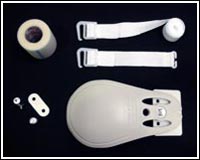


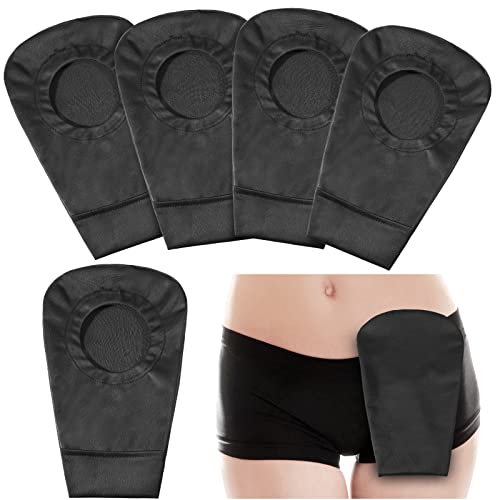
What a stoma guard actually does
A stoma guard is a rigid (or semi-rigid) shell that fits over your stoma and pouch. Modern designs serve two purposes simultaneously:
1. Impact protection. The shell creates a small air gap between the stoma and the outside world. A toddler’s sudden hug, a seatbelt locked tight during a sudden stop, a yoga move where your knee comes up to your chest — the guard absorbs the force before it reaches the stoma.
2. Sound suppression. The rigid shell mutes the higher-frequency components of stoma noise — the part that travels and grabs attention. The lower-frequency rumble gets dampened by the surrounding fabric carrier. Net result: a stoma that used to broadcast across a dinner table becomes inaudible 3 feet away.
Why The Stoma Stifler stands out
Most rigid guards solve impact protection well enough but ignore noise. Most noise dampeners are flimsy fabric that can’t protect against impact. The Stoma Stifler does both — built specifically for the active-ostomate use case where you can’t separate the problems.
It’s also intentionally thinner than competing guards. Under a T-shirt or button-down, the profile is invisible. Under thin or clingy fabric you may see a hint of outline, but nothing that says “medical device.”
The combo move: guard + carrier
The smartest setup pairs a rigid guard with a fabric carrier. The carrier holds the pouch flat (eliminates the swing-and-pull on your adhesive); the guard sits inside the carrier’s pocket (takes impact + mutes noise). One system, two functions, no doubled-up hardware.
A quality pocket ostomy belt is the dominant fabric carrier and was designed with a pocket that fits The Stoma Stifler. Together they’re the most elegant active-ostomate setup on the market. See our pocket ostomy belt + Stoma Stifler combo guide for the full setup walkthrough.
If the noise is constant, look upstream
A stoma guard mutes the sound mechanically — but if your bag fills with gas every few hours, something is fermenting upstream. Common drivers: sugar alcohols (sorbitol, xylitol), unrecognized lactose intolerance, FODMAP-heavy foods, gut dysbiosis after antibiotics, and compromised drainage pathways. The guard handles the symptom; the assessment maps the cause.
Take the Toxic Load Assessment →When you might NOT need a stoma guard
If your stoma is quiet, you’re not in physically demanding situations, and the pouch stays where you put it — a simple support wrap may be all you need. The guard becomes valuable when sports, kids, travel, or social situations are derailed by impact risk or noise. Most ostomates eventually want one for at least specific situations.
Research behind ostomy guards & psychosocial recovery
- Ayaz-Alkaya S. (2018). Overview of psychosocial problems in individuals with stoma. International Wound Journal, 16(1):243-249. [DOI]Body image, depression, and social adaptation are the three biggest QoL hits after ostomy. Discreet impact + noise protection directly addresses the social-adaptation piece.
- Aktas D, Gocman Baykara Z. (2015). Body Image Perceptions of Persons With a Stoma and Their Partners. Ostomy/Wound Management, 61(5):26-40. [PubMed]Body image scores rose significantly when ostomates felt confident managing shared activities — gear that suppresses noise during meals, intimacy, and exercise restores that confidence.
- Cadogan J. (2015). Psychosocial impact of intestinal failure: a familial perspective. British Journal of Nursing, 24(17):S24-9. [DOI]Family members carry an emotional load when an ostomate self-limits social participation. Equipment that restores autonomy reduces that ripple.
Frequently Asked Questions
What’s the difference between a stoma guard and an ostomy belt?
An ostomy belt (or fabric wrap) holds your pouch close to your body so it doesn’t swing or pull on the adhesive. It’s soft and flexible. A stoma guard is a rigid shell that adds impact protection plus sound suppression. They do different jobs and many active ostomates use both — with the guard slid into the belt’s pocket.
Can a stoma guard prevent parastomal hernia?
No. Hernia prevention requires a specific abdominal support belt with a precisely cut stoma opening, prescribed by your stoma nurse based on your anatomy. A stoma guard protects against impact and dampens noise; it isn’t a hernia prevention device. If hernia is a concern, talk to your stoma nurse about a graded compression hernia belt.
Will a stoma guard interfere with bag drainage?
No. Well-designed guards (including The Stoma Stifler) have an open structure that lets the pouch fill and drain normally. The rigid shell sits a small distance from the stoma, not pressed against it. You should always be able to empty your pouch without removing the guard.
Can I wear a stoma guard during exercise?
Yes. That’s one of its main use cases. Running, cycling, weight training, yoga, swimming (check water-resistance specs first), team sports — the guard makes all of these meaningfully safer. For high-impact contact sports (basketball, soccer, martial arts) the guard is essentially required equipment.
How long does a stoma guard last?
A quality rigid guard like The Stoma Stifler is designed to last years with daily wear. The rigid material doesn’t degrade with normal use. The only failure mode is physical breakage from a serious impact — in which case it did its job by absorbing force that would have reached your stoma.
How do I clean a stoma guard?
Wipe down with mild soap and warm water as part of your regular pouch-change routine. Air-dry. Most rigid guards including The Stoma Stifler are not machine-washable but require almost no maintenance — a quick wipe is enough.
Bottom line
A stoma guard that handles both impact protection AND sound suppression — while staying thin enough to disappear under clothes — is what most active ostomates eventually need. The Stoma Stifler does that job. Pair it with a quality pocket ostomy belt as a carrier and you have one elegant setup that works for everything from daily desk work to a soccer game with the kids. Use the Match Tool above to confirm what your situation calls for.


