

Lime Leaf Use Builder: Find Your Form + Recipe Match
Three questions, and the tool tells you the right lime leaf form (fresh, frozen, dried, or powder), the dishes it shines in, and how to use it without overdoing the citrus oil.
Lime leaves are the most underused fresh-flavor multiplier in most American kitchens. One bruised leaf in a pot of soup adds depth that no bottled citrus zest can match. Two ribboned leaves in a stir-fry make the whole dish smell like an open-air Thai market. And the same volatile oils that carry that flavor have measurable antioxidant + antimicrobial properties — which is to say lime leaves don’t just season your food, they bring something to the meal.
This article walks through what lime leaves actually are, the three forms you can find, how to match the form to the dish, and the simple swap from bottled “lime flavoring” that quietly lowers your toxic load.
First: use the Lime Leaf Use Builder above
Three questions, 20 seconds. Tell the tool what you’re cooking, where you can buy, and how bold a flavor you want — it returns the right form (fresh, frozen, dried, or organic dried), exact prep instructions, and the dish-by-dish technique.
4 Reliable Sources for Lime Leaves Online


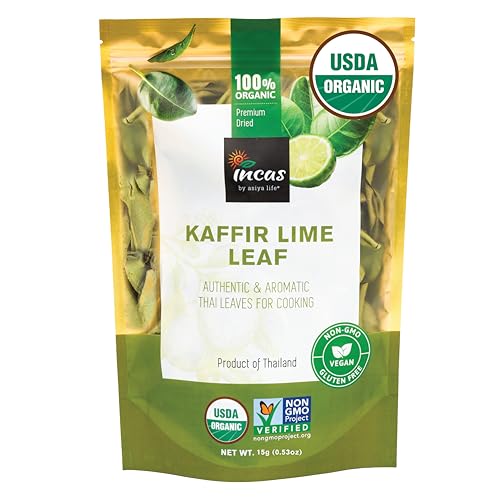
What lime leaves actually are
“Lime leaves” almost always refers to the leaves of Citrus hystrix — also called kaffir lime, makrut lime, or Thai lime. They look like two leaves joined end-to-end, glossy dark green on top, paler underneath. The flavor is unmistakable: green, floral, citrus-forward, with a piney edge that no other ingredient duplicates. The fruit itself is intensely sour and rarely eaten; the leaves are the prize.
Most people in detox or chronic-symptom work eventually hit the same problem: the same symptoms — fatigue, brain fog, gut issues, poor sleep — can come from completely different root causes, and the wrong protocol can run for months before that becomes obvious. The 2-minute What's Draining Your Brain Tool sorts you into one of four toxic load types so the next thing you try has a real chance of actually working.
Fresh vs frozen vs dried vs powder
Fresh: highest aroma. Bruise to release oils. Refrigerate 2-3 weeks or freeze for 6+ months.
Frozen: the closest match to fresh once you’ve used what you bought. Freeze whole leaves in a sealed bag; pull what you need.
Dried: shelf-stable for 12+ months. Loses about 30% of volatile oils. Use 1.5x more than fresh and crumble between fingers to release remaining aroma.
Powder: use only for marinades, dressings, or rubs where you need fast infusion. Skip for soups and stir-fries — whole leaves give better flavor.
5 dishes where lime leaves transform the meal
1. Tom kha gai. Coconut chicken soup. 4 leaves per quart, added with galangal at the start. Remove before serving.
2. Thai green or red curry. 2 leaves added to the simmering coconut milk + curry paste. The leaves’ oils bond with the coconut fat and carry through every bite.
3. Pad krapow / basil stir-fry. 2 ribbon-cut leaves added in the final 30 seconds. The high heat puffs them and releases citrus aroma into the wok.
4. Marinade for white fish or chicken. Blend 3 leaves with garlic, ginger, fish sauce, lime juice, and a touch of honey. Marinate 30 minutes minimum.
5. Lime leaf tea. 2 lightly bruised leaves + 1 thin slice ginger + 1 cup just-boiled water. Steep 5 minutes. Add honey if you like.
Fresh herbs cut toxic load two ways
Cooking with whole fresh herbs replaces processed seasoning blends loaded with preservatives, natural flavors, MSG, anti-caking agents, and seed-oil carriers. Lime leaves bring all the citrus brightness of bottled “lime flavoring” with none of the chemical additives. Multiply that small swap across a year of meals and you’ve meaningfully reduced your everyday chemical exposure. That’s the Toxic Load lens on a kitchen-level habit change.
Take the Toxic Load Assessment →Quiet health benefits of cooking with citrus leaves
Citrus leaf essential oils — the same ones that carry the flavor — have documented antioxidant activity (DPPH and ABTS assays), antimicrobial activity against several bacterial strains, and even alpha-glucosidase + acetylcholinesterase inhibitory activity per recent PubMed research. The amounts you get from food are small but real, and they pair with the bigger benefit: replacing bottled citrus flavorings that come with preservatives, anti-caking agents, “natural flavors,” and seed-oil carriers.
If you cook one Thai-flavored dish per week using fresh lime leaves instead of bottled mixes, that’s ~50 cleaner meals a year — a quiet way to lower the chemical baseline in your kitchen.
Research behind lime leaves & citrus essential oil benefits
- Agarwal P, et al. (2022). Citrus Essential Oils in Aromatherapy: Therapeutic Effects and Mechanisms. Antioxidants, 11(12):2374. [DOI]Comprehensive review confirms citrus essential oils — including those from lime leaves — have measurable antioxidant, mood-lifting, and stress-reducing effects, especially via aromatic exposure during cooking and infusion.
- Petretto GL, et al. (2023). Lemon Leaves as Source of Essential Oil Rich in Limonene and Citral: Chemical Characterization, Antimicrobial and Antioxidant Properties. Antioxidants, 12(6):1238. [DOI]Citrus leaf essential oil showed antimicrobial activity against multiple bacterial strains and strong DPPH radical scavenging — the same compounds that come out when you bruise a lime leaf in a hot soup.
- Elhawary EA, et al. (2024). Variation of essential oil components of Citrus aurantium leaves and their antioxidant, antidiabetic, and neuroprotective effects. BMC Complementary Medicine and Therapies, 24(1):73. [DOI]Citrus leaf essential oils showed potent antioxidant + alpha-amylase + acetylcholinesterase inhibitory activity — supporting the use of fresh citrus leaves in cooking for more than just flavor.
Frequently Asked Questions
Are kaffir lime leaves and makrut lime leaves the same?
Yes. “Makrut” is the original Thai name; “kaffir” is the older Western name that has fallen out of favor in some communities. Same plant, same use, same flavor.
Can I substitute lime zest or lime juice?
Not really. Lime juice gives you the acid; zest gives you the lime fruit oils. Lime leaves bring a different molecule profile entirely — floral, green, piney. The closest backup is a mix of lemon zest + bay leaf, which approximates the shape without matching the flavor.
Where do I buy fresh lime leaves?
Asian grocery stores (especially Thai or Vietnamese markets), some Whole Foods, and online vendors that air-ship fresh. Online options are listed in the product grid above. If buying online for fresh, freeze immediately on arrival to extend shelf life.
Do you eat the leaves or remove them?
For whole bruised leaves in soup or curry: remove before serving (they’re tough). For ribbon-cut leaves in stir-fry: eat them — the high heat softens them enough.
Can I grow a kaffir lime tree at home?
Yes, in zones 9-11 outdoors or year-round indoors in a pot near a sunny window. The tree stays small (3-6 feet potted), produces leaves continuously, and is fairly forgiving if you let the soil dry between waterings. One healthy tree gives you fresh leaves year-round.
Are lime leaves safe during pregnancy?
In normal culinary amounts (a few leaves in a dish), yes. Lime leaves are used routinely throughout Thai cuisine including by pregnant women. Concentrated essential oil extracts are a different conversation and should be discussed with your provider.
Bottom line
Lime leaves are a tiny addition that meaningfully upgrades the flavor + cleanliness of your cooking. Use the Lime Leaf Use Builder above to pick your form, get your prep technique, and start with one dish this week. From there it usually takes 3-4 wins before lime leaves earn permanent pantry status. For more on this cluster, see our main lime leaf guide and lime powder pairings.


