
The first thing I used to do every morning was check my phone. Before my feet hit the floor, I was already scrolling. Email, texts, news, social media. By 9 a.m. my mind felt scattered and reactive, and I had not even started my day on my own terms.
Phone-free mornings changed that. I did not do a strict digital detox. I simply kept the phone out of reach for the first hour after waking. The shift was bigger than I expected. My focus came back. My mood felt steadier. I started the day with my own thoughts instead of everyone else’s.
This guide shares what actually helped. You will learn why the first hour matters, how to set up a phone-free morning in small steps, and which simple tools make it stick. None of this requires willpower heroics. It just requires a little setup the night before.
Why Phone-Free Mornings Help Focus
The brain is most suggestible right after waking. In those first minutes, your mind drifts between sleep and alertness. Whatever you feed it sets the tone. When that input is a flood of notifications, your nervous system kicks into reactive mode before you have stretched.
Research on attention and habit formation backs this up. According to a review published in the National Library of Medicine on problematic smartphone use, morning phone use is linked with higher stress, more difficulty concentrating later in the day, and lower perceived wellbeing. The fix is not complicated. Delaying the first check creates breathing room that cascades into the rest of the morning.
My own experience matched that. When I stopped grabbing the phone first thing, mornings felt longer and calmer. I had time to think instead of react. That alone was worth the small inconvenience.
The One-Hour Rule That Starts It All
The rule is simple. No phone for the first hour after waking. That is the full rule. No apps. No quick email peek. No doomscrolling in bed.
What’s draining your brain?
Brain fog, fatigue, sluggish digestion — usually one of 4 toxic load types is behind it: heavy metals, parasites, mold, or burned-out adrenals. Each type needs a completely different protocol. Take the 2-minute quiz to find out which one is draining you.
One hour may sound long at first. It is not. Once you fill it with better inputs, the hour feels short. Here is the order that worked for me.
First, drink a big glass of water. Your body wakes up dehydrated and clear water helps the brain wake before caffeine. Second, get sunlight on your face for five to ten minutes. Natural light anchors your circadian rhythm and boosts alertness without a screen. Third, move a little. A short walk, a stretch routine, or a few squats is enough. Fourth, do something creative or quiet. Journaling, reading a few pages of a real book, or sitting with coffee all count.
After the hour is up, the phone is yours again. The point is not to quit phones. The point is to protect the window when your brain is most open and most easily hijacked.
Watch This Before Your Next Morning
Joshua Becker from Becoming Minimalist has a great video that inspired a lot of these ideas. If you need a push, watch it tonight and pick two items to try tomorrow.
- 21 quick swaps for the first hour of your day
- Why checking the phone first wires your brain for reactivity
- Simple low-effort options you can start with tomorrow
- How this shift ties into a calmer, more focused life overall
Step 1: Move the Phone Out of the Bedroom
This is the single biggest change. The phone leaves the bedroom at night. Not on the nightstand. Not on the dresser. Out of the room. Mine charges in the kitchen now.
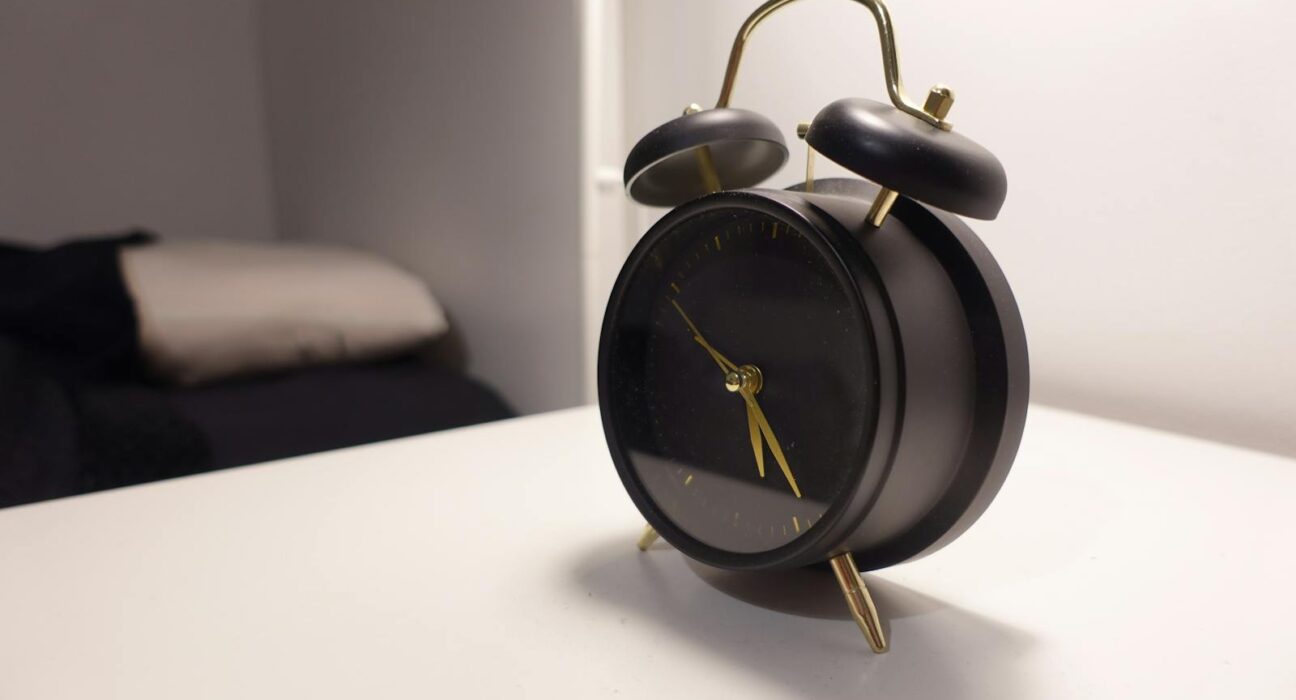
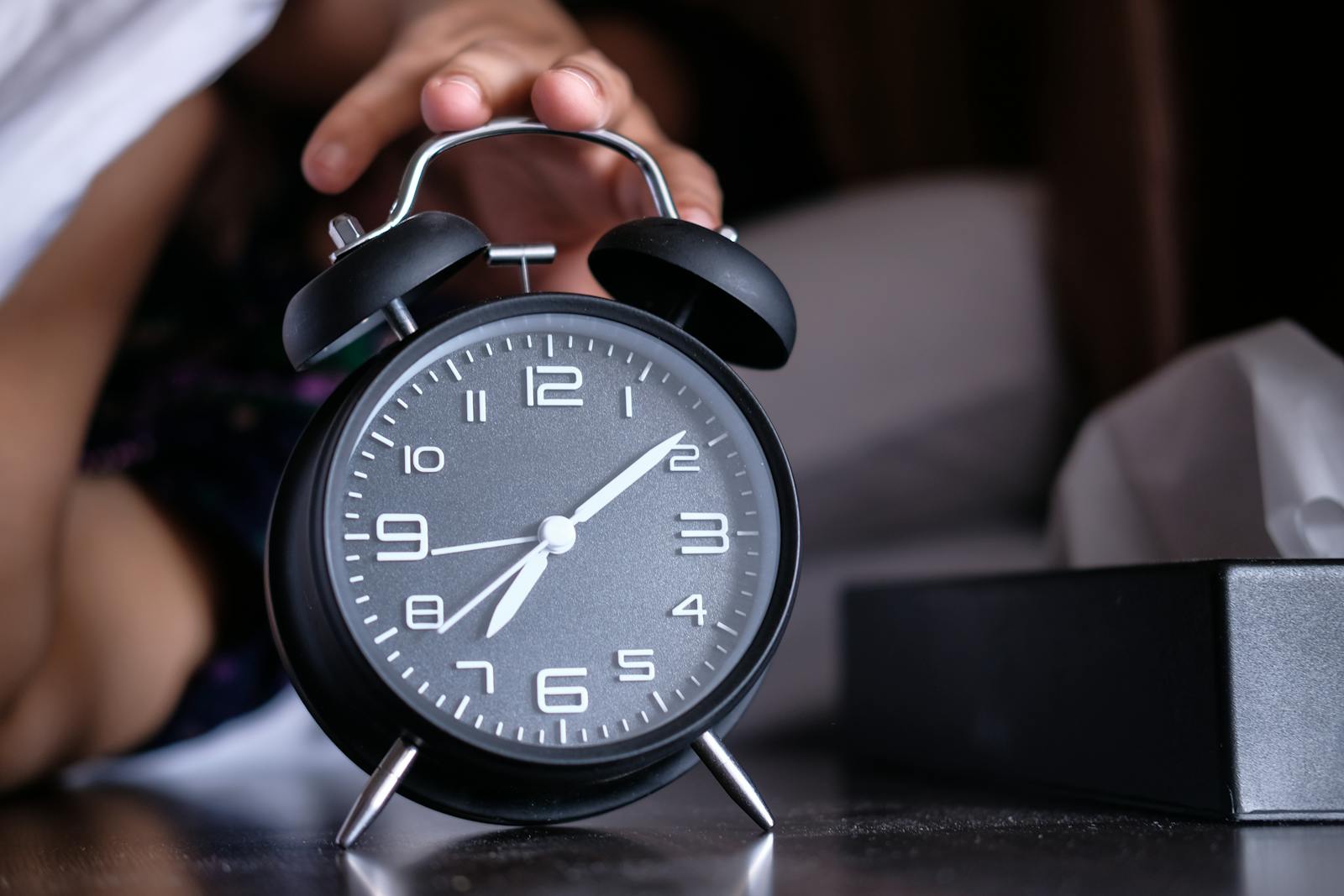
The problem is that phones double as alarms, so you think you need it close. You do not. An analog or simple digital alarm clock solves that in one purchase. Once the phone is out, the urge to reach for it fades fast.

Step 2: Replace the Scroll With Something You Like
Removing a habit without replacing it fails. The brain wants an input in that first hour. If there is no replacement, it will find the phone again. Pick a low-effort swap you actually enjoy.
For me it was a short journaling practice. Not deep therapy. Just three lines. What I am grateful for, what I want to focus on today, and one thing I want to feel. That is it. The whole thing takes five minutes and it anchors the day.

A guided journal removes the blank-page problem. I tried the Five Minute Journal early on and it made the habit stick because I did not have to think about the prompts. You just answer the same questions each morning.

Step 3: Design Your Environment for Less Friction
Habits follow the path of least resistance. If the phone is across the room, you will not grab it. If your journal sits on top of the coffee maker, you will use it. Put the thing you want to do where you already will be.
Some small design moves that worked for me. A kettle pre-filled the night before. Mug and tea bag ready on the counter. Journal and pen next to the mug. Book on the kitchen table with a bookmark. Shoes by the door if I want a quick walk.
This is the same idea behind habit stacking, just aimed at morning flow. You stack small cues so the next right move is obvious. When the path is easy, willpower is not the variable that decides your day.
Step 4: Handle the Urge When It Shows Up
The urge to check will come. The first three or four days are the loudest. Your hand may reach for a phone that is not there. You may feel a small panic about missing something. This is normal and it passes fast.
Two things helped. One, I reminded myself that nothing urgent shows up at 6 a.m. anyway. Two, I kept a small notebook for the thought loops that tried to pull me back. If my brain said, “check email, I bet there is a thing,” I wrote the thought down and kept going. By week two the urge was gone.

If you want a deeper read on why this matters, Digital Minimalism by Cal Newport is a short, practical book that pairs well with this habit. It also works as a morning book, which doubles as another phone replacement.

What Changed After Thirty Days
After a month, a few things shifted. My mornings felt longer. I was reading again, which I had not done in years outside of short articles. My first work block was sharper because my brain was not already tired from scrolling. I slept a little better too, since nighttime phone use also dropped as a side effect.
The biggest surprise was emotional. I felt less anxious through the day. Starting from my own thoughts rather than the internet’s changed the texture of every hour that followed. This is the payoff people talk about but rarely quantify. You feel like yourself again.
A Simple Template You Can Steal
If you want a ready-made plan, try this. The night before, plug the phone in outside the bedroom and set an analog alarm. In the morning, drink water, step into sunlight for five minutes, write three lines in a journal, and read a few pages of a book or sit with coffee. No phone until after breakfast.
Run this for seven days. Do not aim for perfect. Aim for four out of seven. After that, adjust what you like. Some mornings I add a walk. Some days I skip the journal. The rule that stays constant is the phone out of the first hour. That is the lever that moves everything else.
If this practice resonates, pair it with a Pomodoro technique for deep work session once you reach your desk, or start a brain dump journaling session when your mind feels noisy. Small systems like these add up fast.
Final Thoughts on Phone-Free Mornings
Phone-free mornings are not about becoming a monk. They are about giving your best hour to yourself before you give it to everyone else. The setup is tiny. The payoff is huge. A simple alarm clock, a quiet ritual, and a clear rule about the first hour.
Try it for a week. Track how you feel on day seven. If you are anything like me, you will not want to go back.
If the phone-free morning is working for you and you want to take it further, a full 24-hour dopamine detox is the natural next step. I wrote about the exact setup that finally worked for me after a few failed attempts.
This post may contain affiliate links. If you buy through a link on this page we may earn a small commission at no extra cost to you. This helps support the blog and lets us keep writing practical guides. Thank you.
If clearing your head is the main reason you are giving up your phone in the morning, you may also love morning pages for mental clarity. Ten to thirty minutes of longhand writing fills the space a phone used to take, and most people feel the difference inside two weeks.
If anxiety is part of your morning, try pairing the phone-free hour with the 5-4-3-2-1 grounding technique for anxiety as a quick mental reset.


