
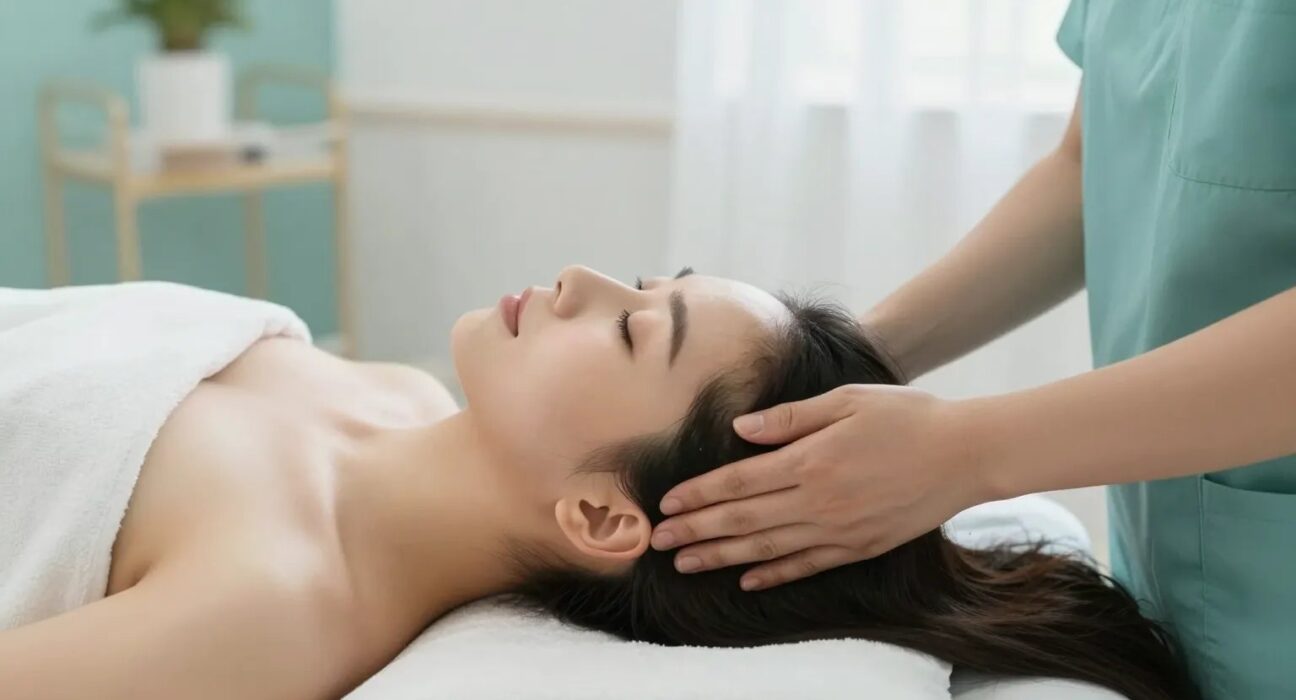
Around 22,000 people a month search for a scalp massage near them — some want pure relaxation, others are quietly hoping it will help thinning hair. Both are valid, but the place you book matters: a true scalp treatment from a trained specialist is a different thing from a quick rub tacked onto a spa package.
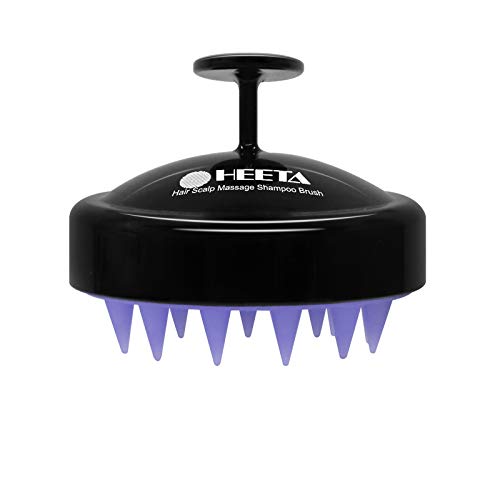
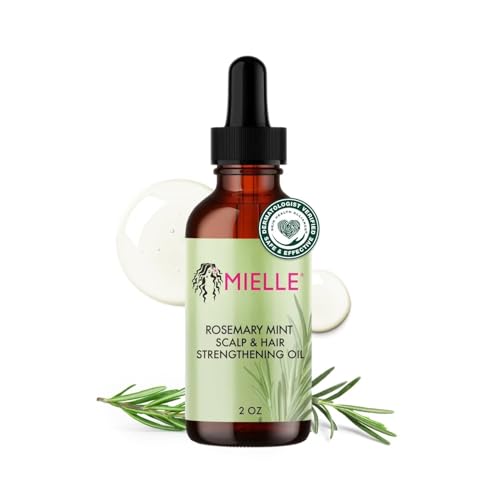
The 3-part tool below sorts it out. It maps providers near your ZIP code, gives you the questions to ask before booking, and walks you through an at-home scalp routine you can start tonight. First, the best tools to make daily scalp massage effortless.
Find a Scalp Massage Near You
Map providers in your area, get the questions to ask before you book, and learn the at-home scalp routine you can start tonight.
Enter your ZIP code or city. The tool opens Google Maps with an optimized search for scalp massage, head-spa, and trichology providers nearby.
Most people in detox or chronic-symptom work eventually hit the same problem: the same symptoms — fatigue, brain fog, gut issues, poor sleep — can come from completely different root causes, and the wrong protocol can run for months before that becomes obvious. The 2-minute What's Draining Your Brain Tool sorts you into one of four toxic load types so the next thing you try has a real chance of actually working.
In your search results, prioritize providers that mention:
- A trichologist or certified scalp specialist
- A dedicated scalp treatment or head-spa menu (not just an add-on)
- Clear hygiene: fresh or sanitized tools
- A scalp analysis or consultation before treatment
- Experience with your goal — relaxation, buildup, or thinning support
Tap each question to see why it matters. A quality scalp provider answers all of these without hesitation.
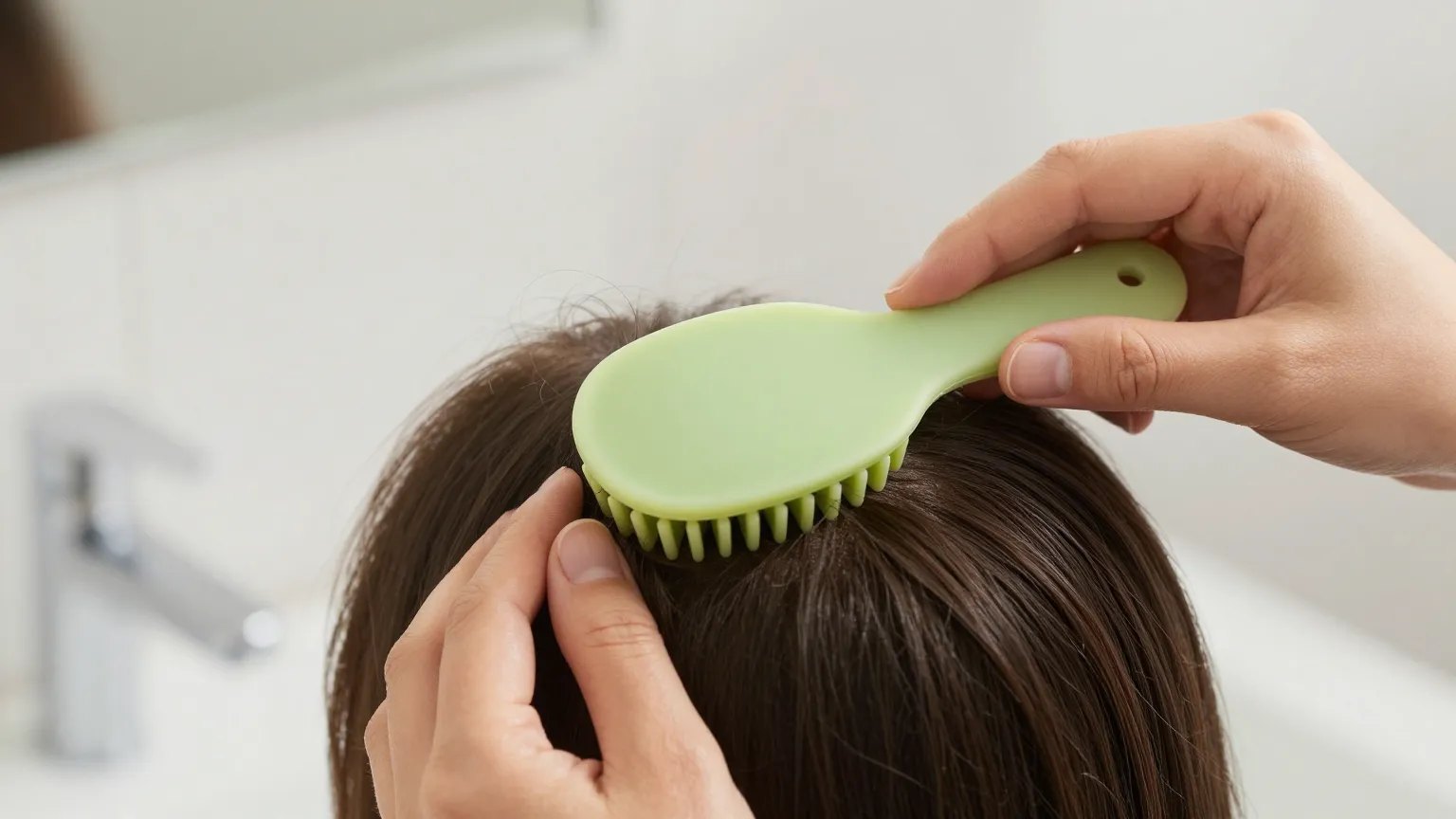
No good provider nearby? This 5–10 minute self scalp massage is the same mechanical stimulation a clinic gives — do it daily.
Skip self-massage on an active scalp infection, open sores, or right after a hair transplant. If hair is thinning, find the root cause too — massage supports, it doesn’t replace, real treatment.

Why does the tension — or thinning — keep coming back?
What a scalp massage actually does
A scalp massage does two things at once: it relaxes the tight band of muscle and fascia across your head, and it applies gentle mechanical stretch to the skin where your hair follicles live. According to PubMed, that stretching is not just pleasant — in a 24-week study it measurably thickened hair by changing gene expression in the follicle’s dermal papilla cells (Koyama et al., Eplasty 2016; PMID 26904154). The key word is gentle and consistent, not hard.
What the research shows
What the research actually says
Based on articles retrieved from PubMed, here is what the evidence says about scalp massage:
Standardized scalp massage thickened hair
In a 24-week study, men doing 4 minutes of standardized daily scalp massage saw measurably thicker hair, and lab work showed the mechanical stretching changed gene expression in the follicle’s dermal papilla cells (Koyama et al., Eplasty 2016; PMID 26904154).
Most people who stuck with it reported improvement
In a survey of people doing standardized scalp massages for hair loss, 68.9% reported their hair loss had stabilized or regrown, with results tracking how consistently they massaged (English & Barazesh, Dermatology and Therapy 2019; DOI: 10.1007/s13555-019-0281-6).
Clinic visit or at-home: what matters
A professional head-spa treatment adds steaming, deep cleansing, and skilled hands — lovely for relaxation and a reset. But the follicle benefit in the research came from frequency, which means your daily at-home routine is where the real work happens. Use a clinic visit for the experience and a deeper clean; use the at-home routine in the tool above to keep the stimulation consistent.
The bigger picture most scalp articles skip
Frequently asked questions
How do I find a good scalp massage near me?
Use the finder above to open a credential-aware Google Maps search, then vet each provider with the checklist. Prioritize trichologists or head-spa specialists with a dedicated scalp menu and clear hygiene, not just a generic spa add-on.
Does scalp massage really help hair growth?
The research is encouraging: a 24-week study found standardized scalp massage thickened hair, and most people in a follow-up survey reported stabilization or regrowth when they stayed consistent. It supports hair health but is not a standalone cure — find the underlying cause too.
How often should I massage my scalp?
Daily is ideal. Even 5–10 minutes of gentle, consistent massage matters more than occasional long sessions. The benefit comes from steady, light mechanical stretching, not hard pressure.
Scalp massager tool or just fingers — which is better?
Both work. Clean fingertips give you the most control; a silicone brush is great in the shower, and an electric massager makes daily use effortless. Consistency matters more than the tool.
Can scalp massage cause more hair to fall out?
Gentle massage should not. If you see heavy shedding, it is more likely the underlying cause showing through — worth decoding rather than blaming the massage.
This article is for general education and is not medical advice. See a dermatologist for sudden, patchy, or rapid hair loss, or for a painful, infected, or severely flaking scalp.


