
A phone-free morning routine is the single highest-leverage change you can make to your day, and the benefits show up within about a week. When you put the phone down for the first thirty minutes after waking, anxiety drops, focus sharpens, and the day stops feeling reactive before it has even started. This guide walks through why it works, how to set it up without willpower, and the few simple tools that make it stick.
The first time I tried this, I was skeptical that not checking email until 9 a.m. would do anything. I expected to feel disconnected, behind, vaguely missing something. Instead, by day four, I felt like the morning had been returned to me. The same hour that used to evaporate into Instagram and inbox triage became thirty quiet minutes for tea, light, and one actual thought. That is what you are buying back with this routine: ownership of the first hour.

Why a Phone-Free Morning Routine Works So Quickly
The brain is at its most suggestible in the first thirty minutes after waking. Cortisol naturally peaks in this window to lift you from sleep, and the prefrontal cortex (the planning, judging part of you) is still coming online. Whatever you put into your eyes and ears in that window sets the emotional tone for the next several hours. When the first input is a notification, an email, or a news headline, you have handed the agenda of your morning to a stranger.
A phone-free morning routine works because it interrupts that handoff. By keeping the device dark for the first thirty to sixty minutes, you let your own thoughts surface before someone else’s land. People who try this for one week consistently report less anxiety, fewer afternoon energy crashes, and the strange feeling that the day was longer (it was not; you just stopped losing the first hour to the screen).
- Cortisol naturally peaks in the first 30 minutes after waking
- The prefrontal cortex is still warming up, so input lands harder
- Notifications hijack a window your brain uses to set its agenda
- One week of phone-free mornings is usually enough to feel the shift
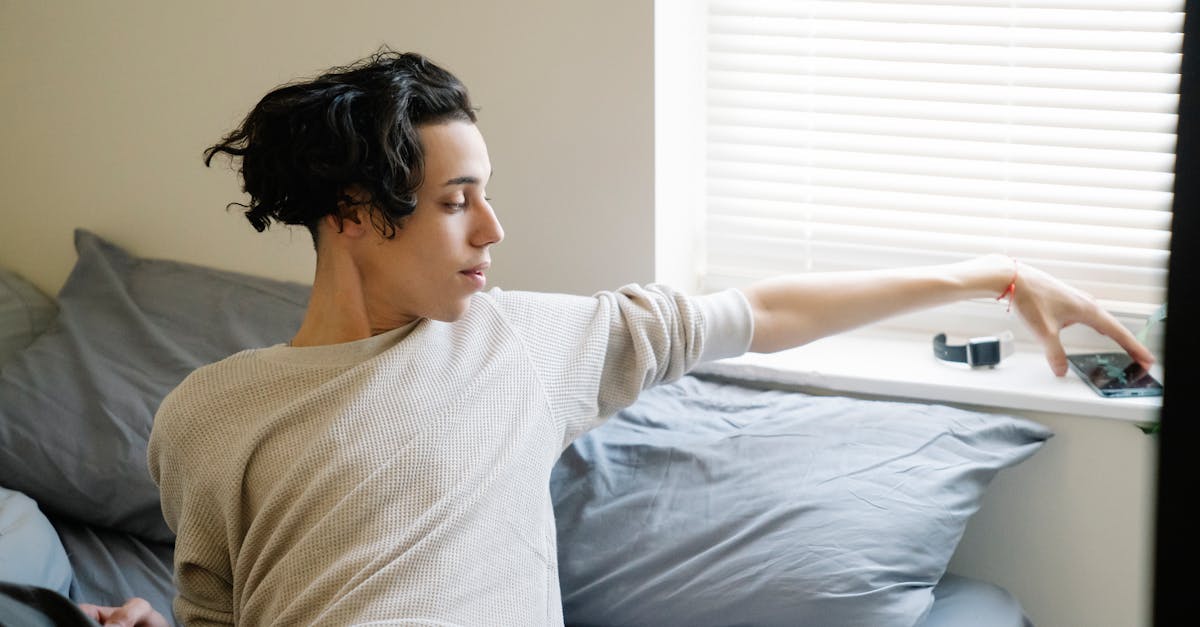
The Benefits Show Up Faster Than You Expect
The research on phone use and mental state is consistent. Adults who check email or social media within five minutes of waking report higher anxiety and lower job satisfaction across the day. A survey by Fielding Graduate University found that professionals who avoided morning phone use reported a measurable increase in happiness and a stronger sense of presence in their lives.
Inside the first week of a phone-free morning, here is what most people notice in order: morning anxiety drops within two days; the urge to scroll later in the day weakens by day four; energy and focus during the 10 a.m. to noon window improve by the end of week one. The effect is not subtle. It does not require meditation experience, productivity hacks, or any new app. It only requires you to delay one habit by thirty minutes.

How to Set Up a Phone-Free Morning Without Willpower
Trying to “just not check the phone” is a willpower test you will lose. The phone is engineered specifically to override willpower, and at six in the morning your willpower account is empty anyway. The trick is to remove the choice entirely with a few environmental shifts.
Move the phone out of the bedroom overnight. Charge it in the kitchen, hallway, or living room. This is the single highest-impact change. If the phone is not on the nightstand, you cannot grab it before your feet hit the floor. You will need a dedicated alarm clock to replace its alarm function, which is where the right hardware matters more than people think.
Set a “do not disturb” schedule that ends at 8 a.m. Even if the phone is in another room, you do not want a buzz pulling you toward it. Most phones let you schedule do-not-disturb to run automatically; turn it on from 9 p.m. to 8 a.m. and forget it exists.
Lay out the alternatives the night before. A book on the kitchen counter, a journal on the breakfast table, a kettle ready to boil. The first-thing morning brain wants something to do. If the only thing reachable is a coffee mug and a notebook, that is what you will reach for.
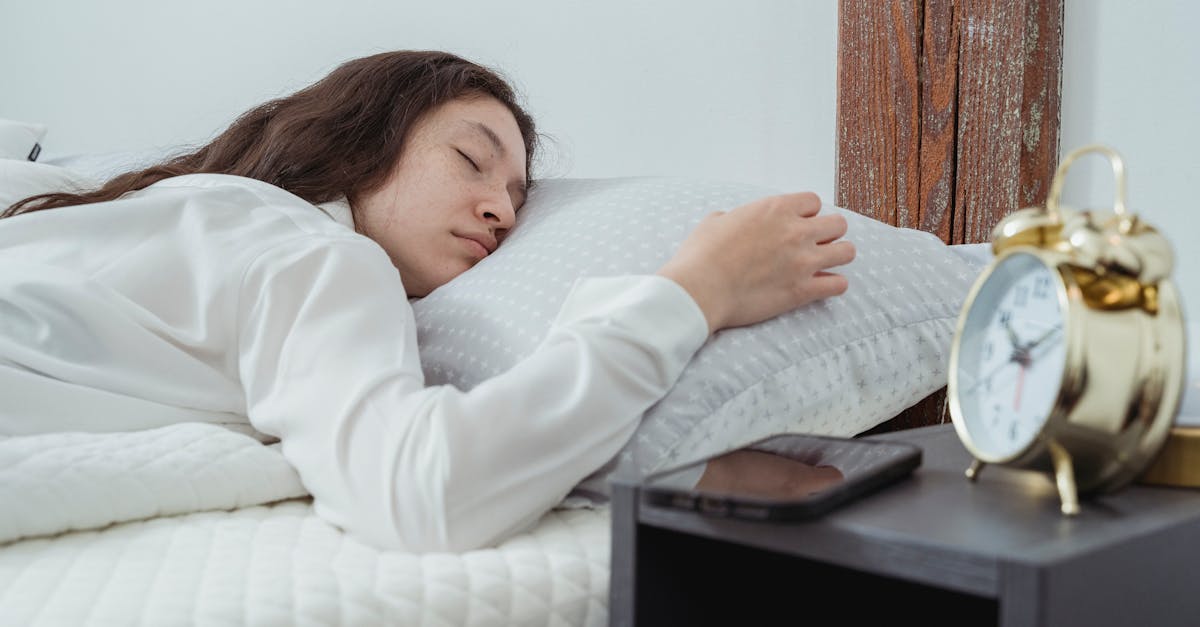
3 Tools That Make a Phone-Free Morning Routine Stick
The three pieces of equipment that turn this from a “nice idea” into a habit you actually keep are an alarm clock that is not your phone, a journal you genuinely like opening, and (for evening wind-down so morning is easier) a pair of blue-blocker glasses. Here are picks for each.
Loftie Alarm Clock with Sound Machine
The Loftie is the alarm clock people buy when they finally decide to get the phone out of the bedroom. It wakes you with a gentle two-stage sound (a soft chime first, then a fuller sound), doubles as a white noise machine for sleep, and has a built-in night light. Most importantly, it does not show notifications and does not have a screen that competes with your sleep. The interface is simple enough to set in under a minute.

Loftie Alarm Clock with Sound Machine
Two-stage gentle alarm, 100+ built-in sounds, night light, Bluetooth speaker, no screen. The phone replacement that actually replaces the phone.
The Wellthie One Review
The two-stage wake-up is the killer feature. Instead of a single jarring alarm, you get a soft chime that pulls you out of deep sleep gently, then a fuller sound a few minutes later that actually gets you up. The night light has a blackout mode so the room stays truly dark, and the sound machine library is wide enough that you do not need a separate device. After six months, the phone has not made it back to the bedroom.
- Two-stage wake-up alarm with gentle progression
- 100+ sounds (white noise, nature, breathwork)
- Blackout mode for true darkness
- Bluetooth speaker built in
- No subscription required for the sounds
Moleskine Classic Notebook for Morning Pages
The journal is what fills the space where the phone used to be. The exact notebook does not matter as much as having one you do not feel precious about. A Moleskine Classic in large, ruled, hardcover, black is the dependable pick: thick paper that does not bleed, a hardcover that survives being thrown into a bag, and the kind of plain design that does not feel like a task in itself. You will fill it faster than you think with morning thoughts that would have otherwise become tweets.

Moleskine Classic Notebook, Large, Ruled, Hardcover
The understated morning journal. Heavy paper, durable hardcover, lays flat. Pair with a coffee mug and a window for the morning ritual.
The Wellthie One Review
I keep this on the kitchen counter so it is the first thing I see in the morning. Three pages of morning pages (the Julia Cameron practice) takes about twenty minutes and absorbs all the random first-thing thinking that would otherwise pull me into the phone. The Moleskine lays flat once it is broken in, which sounds minor but matters when you are writing at six a.m. with one hand and a mug in the other.
- 240 pages, ruled, ivory paper
- Hardcover with elastic band closure
- Lays flat after a few weeks of use
- Back pocket for loose notes or receipts
Spectra479 Blue Light Blocking Amber Glasses
The phone-free morning starts the night before. If your evening is full of screens, your sleep suffers, and a tired morning is the hardest morning to keep phone-free. Amber-tinted blue blockers worn for the two hours before bed cut the blue spike that suppresses melatonin. These are not the pale-yellow office blockers; they are the deeper amber glasses you wear after dark for actual circadian effect.
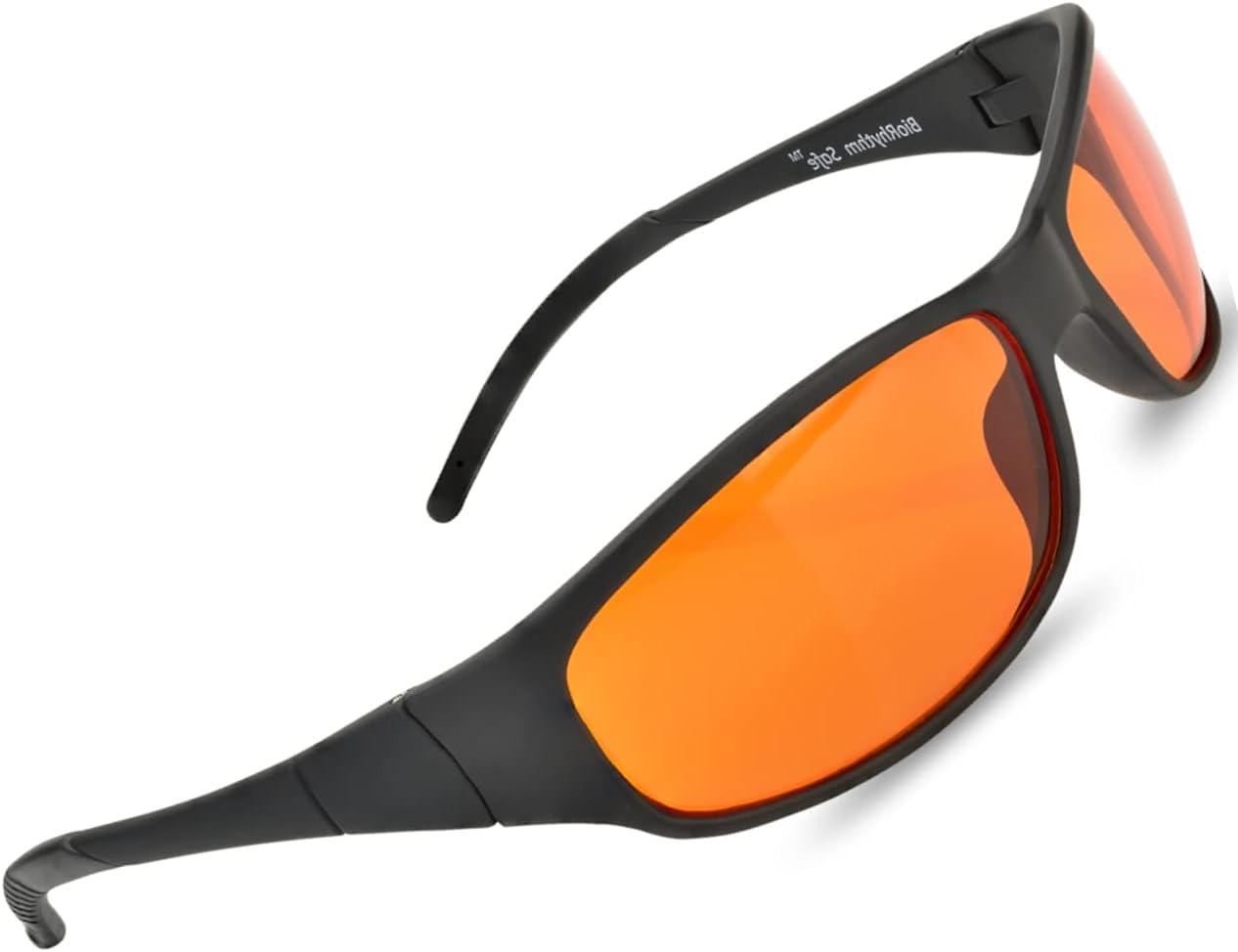
Spectra479 Blue Light Blocking Amber Glasses
99.9% blue light blocking for the two hours before bed. Better sleep means an easier phone-free morning the next day.
The Wellthie One Review
These look more “lab safety glasses” than fashion, but they actually work. I put them on around 9 p.m. and the difference in how easily I fall asleep is obvious by the end of the first week. Better sleep at night is the cheat code for keeping the phone out of the morning, because a rested brain has more patience to skip the dopamine hit.
- 99.9% blue light blocking (validated by independent tests)
- Wraparound style fits over prescription glasses
- Best worn 1 to 2 hours before bed
- Lightweight enough to wear while reading or watching TV

What to Actually Do With the First 30 Minutes
The hardest part of a phone-free morning routine is not skipping the phone; it is filling the space the phone used to occupy. Without a default, you will drift back to the screen by day three. Pick two or three of these as your morning anchors and rotate:
Tea or coffee, in silence. The simplest one and somehow the hardest. The kettle, the mug, the steeping minute. No podcast, no news. Just the drink. Most people find the silence uncomfortable for the first three or four mornings, and then it starts to feel like the actual luxury.
10 minutes of morning sunlight. Out the front door, on the balcony, or by an east-facing window. This sets your circadian clock and locks in better sleep the same night. If you want a deeper dive on the science, the morning sunlight reset routine has the full protocol.
Morning pages or a brain dump. Three handwritten pages of whatever is in your head. Julia Cameron’s morning pages practice is the version that has held up for thirty years. If three pages feels like a lot, start with one. The point is moving the noise out of your head and onto paper.
5 minutes of stretching or walking. Not a workout. Just movement to wake the body. A few cat-cows, a shoulder roll, a slow walk around the block. The body needs a signal that it is morning, and movement is faster than coffee at delivering it.
One actual thought before any input. Choose one question to think about before any voice but yours has been let in. “What is the one thing today that matters most?” works. So does “What am I grateful for right now?” The point is using the cleanest cognitive window of your day for one of your own questions.
The Common Mistakes That Sink the Routine
Three predictable traps catch most people in the first two weeks. Naming them upfront usually prevents them.
The “I’ll just check the weather” loophole. No, you will not “just check the weather.” Five minutes later you are in email or Instagram and the morning is gone. If you need the weather, get a basic clock with a weather feature, or keep an old-school thermometer on the windowsill, or just look outside.
Using the phone for music or podcasts. The compromise of “I’ll just use it for the music” lasts about three days before you are scrolling again. A small Bluetooth speaker (or the Loftie above, which doubles as one) breaks the dependency cleanly.
Bringing the phone back “just to charge it overnight.” The bedside charger is the gateway drug back to the morning scroll. Charge the phone where you cannot reach it without standing up. Friction matters.

How Long Until It Feels Automatic
Most habits take longer than three weeks to feel automatic; that “21 days” number is folklore. But this particular habit is unusually fast because the reward (a calmer morning) shows up the same week. Day one feels weird. Day three feels good. By the end of week two, the phone in the bedroom feels obviously wrong, the way leaving the front door unlocked feels wrong. From there it is a habit you maintain rather than rebuild.
The deeper benefit takes longer to notice but is bigger than the morning itself. When you reclaim the first hour, the rest of the day starts to feel less reactive. You start to choose what gets a response and what does not. The phone-free morning routine is a small change that quietly proves a bigger point: the time is yours, you just have to take it back.
Affiliate disclosure: As an Amazon Associate, The Wellthie One earns from qualifying purchases. The product links above are affiliate links, which means if you click through and buy, we may earn a small commission at no extra cost to you. We only recommend products we have used personally or that meet a clear quality standard. Thank you for supporting independent health writing.


