

Key Takeaways
- A dopamine menu is a curated list of healthy activities organized by effort level that you can turn to instead of doomscrolling or other high-stimulation habits.
- Building your own menu helps you make better choices when motivation is low, especially if you deal with ADHD or chronic procrastination.
- Pairing low-effort “appetizers” with productive tasks can build momentum and carry you into deeper focus sessions.
You sit down to work. Your brain says no. You grab your phone, scroll for twenty minutes, and feel worse than before. Sound familiar? This cycle is not a willpower problem. It is a dopamine problem. Your brain is chasing quick hits of stimulation because the task in front of you does not feel rewarding enough.
A dopamine menu for productivity is a simple tool that gives you better options. Instead of reaching for your phone when focus fades, you pick from a personalized list of activities that satisfy your brain without derailing your day. The concept comes from the ADHD community, but anyone who struggles with focus can benefit from it.
In this guide, you will learn what a dopamine menu is, how to build one, and which tools can help you stick with it.
What you will learn in this video:
- How a dopamine menu helped the creator boost productivity dramatically
- The science behind why your brain craves high-stimulation activities
- How to categorize activities into appetizers, entrees, sides, and desserts
- Practical examples of dopamine menu items that actually work
What Is a Dopamine Menu for Productivity?
Iron is the limiting nutrient for tyrosine hydroxylase, the enzyme that converts tyrosine into dopamine. If your ferritin is under 50 ng/mL, your dopamine production is throttled at the source. The form below is gentle, non-constipating, and pairs well with vitamin C for absorption.

Vital Nutrients Iron Bisglycinate
If ferritin is under 50 ng/mL, focus and energy suffer. Gentle non-constipating form. Take with vitamin C, away from coffee and calcium.
Check Price on AmazonA dopamine menu is a personalized list of activities organized like a restaurant menu. Each category represents a different level of effort and stimulation. When you feel stuck, bored, or unmotivated, you look at your menu and pick something that matches your energy level.

The concept was popularized by ADHD coach Jessica McCabe on her YouTube channel “How to ADHD.” She based it on the idea that ADHD brains have lower baseline dopamine levels. This makes it harder to start tasks that feel boring or unrewarding. A dopamine menu gives you a healthy bridge between doing nothing and doing hard work.
But you do not need an ADHD diagnosis to benefit. Anyone who reaches for their phone when focus fades, snacks when stressed, or binge-watches when they should be working can use a dopamine menu to break the pattern.
How a Dopamine Menu Works: The Four Categories
Dopamine balance depends on dopamine receptor sensitivity, and receptor sensitivity is regulated by magnesium-dependent enzymes. Chronic magnesium depletion is one reason “dopamine resistance” develops in people who once got energized by activities that now feel flat. 400mg before bed.
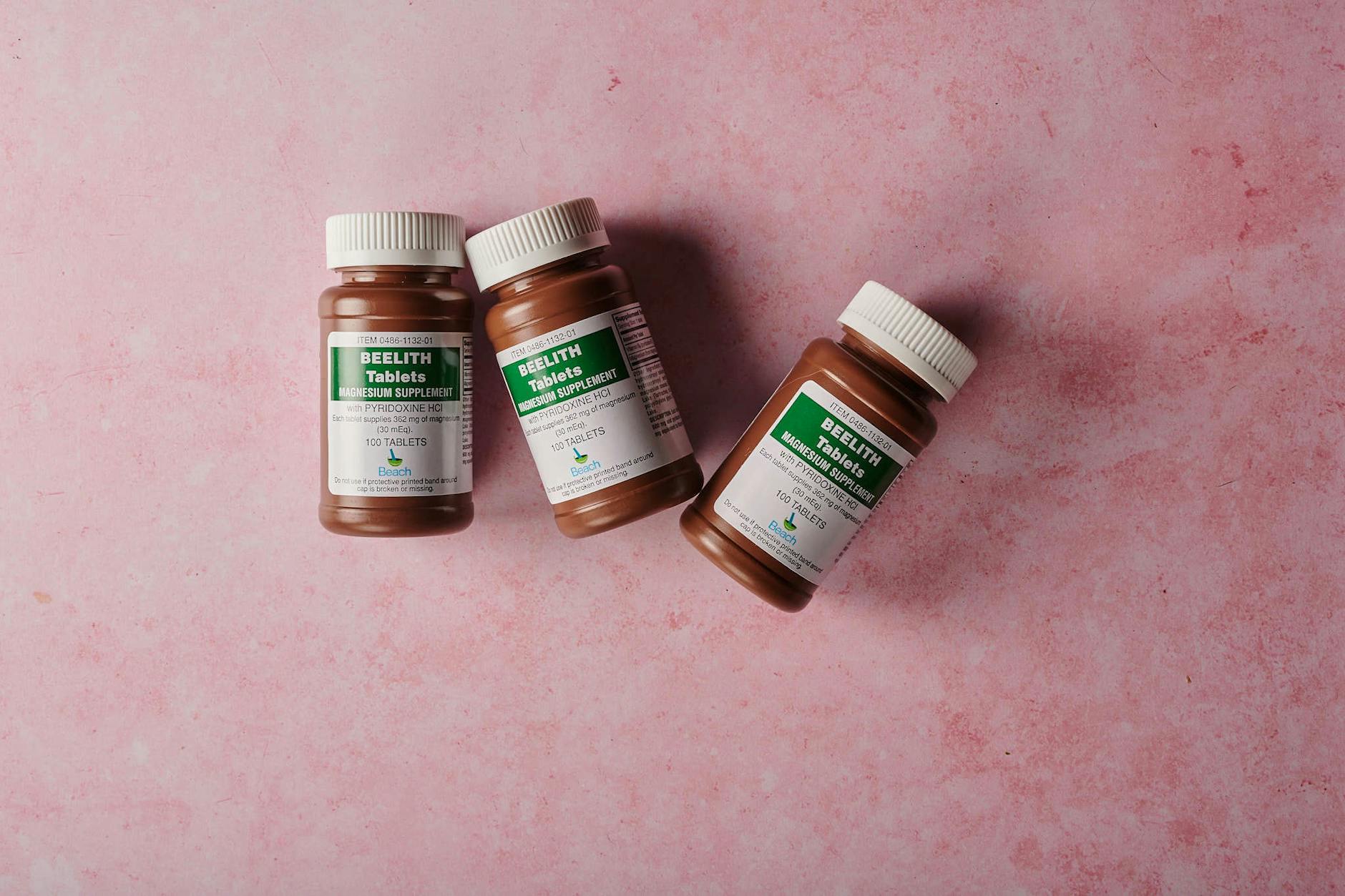
Pure Encapsulations Magnesium Glycinate
400mg before bed. The most common deficient nutrient in chronic brain fog. Recovery happens during deep sleep, which magnesium supports.
Check Price on AmazonThink of your menu like a restaurant menu with four sections. Each serves a different purpose throughout your day.
Appetizers: Quick, Low-Effort Boosts (1 to 5 Minutes)
These are tiny activities that give your brain a small dopamine bump without pulling you off track. They work best when you need a quick reset between tasks. Examples include stepping outside for fresh air, listening to one favorite song, doing ten jumping jacks, splashing cold water on your face, or smelling essential oils.
Entrees: Satisfying Medium-Effort Activities (15 to 45 Minutes)
These are the main courses of your menu. They are enjoyable and rewarding enough to feel satisfying, but they also build skills or support your wellbeing. Examples include going for a walk, cooking a simple meal, reading a book chapter, sketching or doodling, or calling a friend.
Sides: Activities That Pair with Work
Sides do not replace your tasks. They make boring tasks more doable by adding a small layer of stimulation. Examples include playing background music while working, chewing gum during a boring meeting, using a standing desk or balance board, lighting a candle at your workspace, or sipping a favorite tea while reading reports.
Desserts: High-Stimulation Treats (Use in Moderation)
These are the activities you enjoy most but can easily overdo. They are fine in controlled amounts, but they can hijack your whole afternoon if you are not careful. Examples include playing video games for 30 minutes, watching one episode of a show, scrolling social media with a timer set, or online shopping with no intention to buy.
The key difference between a dopamine menu and random distraction is intentionality. You are choosing an activity on purpose, for a set amount of time, instead of falling into an autopilot scroll.

How to Build Your Own Dopamine Menu for Productivity
Building your menu takes about 15 minutes. Grab a notebook or open a note on your phone. Write the four categories across the top: appetizers, entrees, sides, and desserts. Then brainstorm three to five activities for each category.
Here are some questions to help you fill each section. What small actions make you feel better in under five minutes? What hobbies or activities leave you feeling good afterward? What can you add to boring tasks to make them more bearable? What indulgences do you tend to overdo?
Be about your desserts. The goal is not to eliminate them. It is to set boundaries around them. A 30-minute video game session after finishing a project is fine. Four hours of gaming instead of working is not.
Dopamine Nation by Anna Lembke MD

Source: amazon.com
New York Times bestseller on finding balance in a world of overstimulation
Check Price On AmazonThe Wellthie One Review
If you want to understand why your brain craves constant stimulation, this book is a must-read. Dr. Anna Lembke, a Stanford psychiatrist, explains how modern life floods our brains with dopamine and what we can do about it. The book is packed with real patient stories and practical advice. We found it eye-opening and motivating. It pairs perfectly with building your own dopamine menu because it gives you the “why” behind the strategy.
Dopamine Nation Attributes
- Written by a Stanford psychiatrist with decades of experience
- Over 13,000 Amazon reviews with a 4.5-star rating
- Covers the science of pleasure, pain, and balance in everyday life
- Available in paperback, Kindle, and audiobook formats
The Science Behind the Dopamine Menu for Productivity
Your brain produces dopamine not just when you experience pleasure, but when you anticipate it. This is why scrolling social media is so addictive. Every swipe might reveal something interesting. The anticipation keeps you hooked.
Research shows that activities with unpredictable rewards (like social media notifications) produce larger dopamine spikes than predictable ones (like finishing a work task). Over time, your brain starts to prefer the easy, unpredictable hits over the slower, steadier rewards of productive work.

A dopamine menu works by giving you predictable, healthy alternatives. When you choose a walk instead of a scroll, you still get a dopamine boost. But it comes without the guilt, time loss, or energy crash that follows a long social media session.
Studies suggest that even 60 minutes of phone-free time per day can lower stress and improve sleep quality. A dopamine menu makes those phone-free minutes easier to fill with something satisfying.
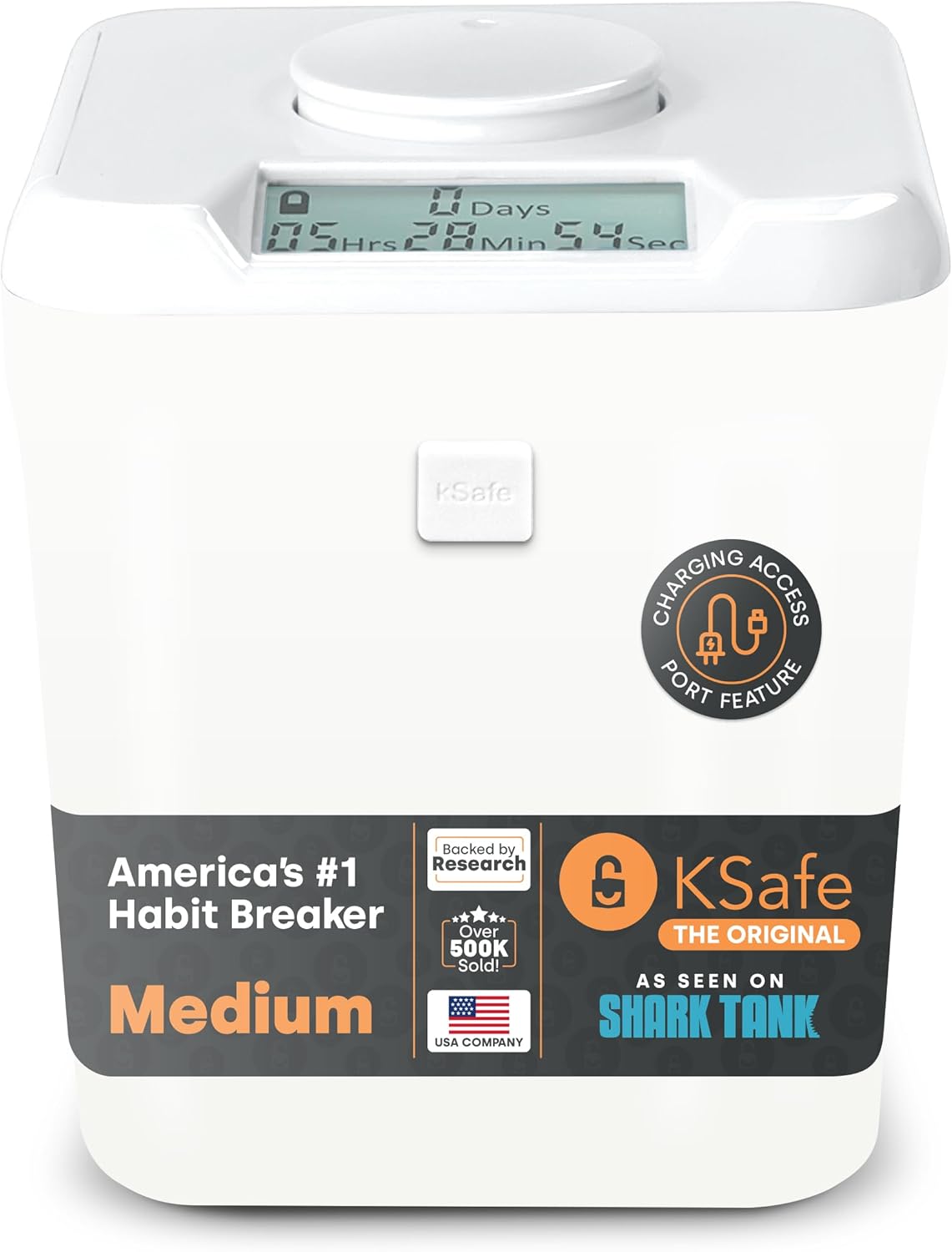
K-Safe Time Locking Container
Source: amazon.com
Timer-based lock box to reduce phone temptation during focus sessions
Check Price On AmazonThe Wellthie One Review
The K-Safe is the original timed lock box and it remains one of the best. You put your phone inside, set the timer, and the lid locks until time runs out. There is no override. This forces you to turn to your dopamine menu instead of your phone. We think it is a game-changer for anyone who cannot resist picking up their phone during work blocks. The clear container lets you see your phone is safe, which reduces anxiety about missing something important.
K-Safe Time Locking Container Attributes
- Timer locks from 1 minute up to 10 days
- Clear container so you can see your items are safe
- Fits most smartphones, snacks, and small temptations
- No override option keeps you accountable
Common Mistakes When Using a Dopamine Menu
The biggest mistake is making your menu too restrictive. If every option feels like a chore, you will skip the menu and grab your phone anyway. Include at least one or two items per category that genuinely excite you.
Another mistake is not updating your menu. Your interests and energy levels change over time. Review your menu every few weeks and swap out items that no longer appeal to you. Time blocking for ADHD is another flexible system that pairs well with a dopamine menu if you want more structure in your day.
Some people also forget to set time limits on desserts. Without a boundary, a 15-minute gaming break can turn into two hours. Use a timer or a lock box to keep dessert portions in check.
Tips for Making Your Dopamine Menu Stick

Keep your menu visible. Print it out and pin it next to your desk, or set it as your phone wallpaper. When the urge to scroll hits, you need to see your options immediately. Waiting even a few seconds can be enough to default back to old habits.
Start with appetizers. When motivation is at its lowest, even a small action like stepping outside or doing a quick stretch can generate enough momentum to tackle a bigger task. The goal is not perfection. It is simply choosing a better option than the default.
Track what works. After a week of using your menu, notice which items you actually reach for and which ones you skip. The items you use most often are your core menu. Build around them and phase out the rest.
Pair your menu with a phone lock box for maximum effect. When your phone is literally inaccessible, your brain has no choice but to turn to your menu instead.
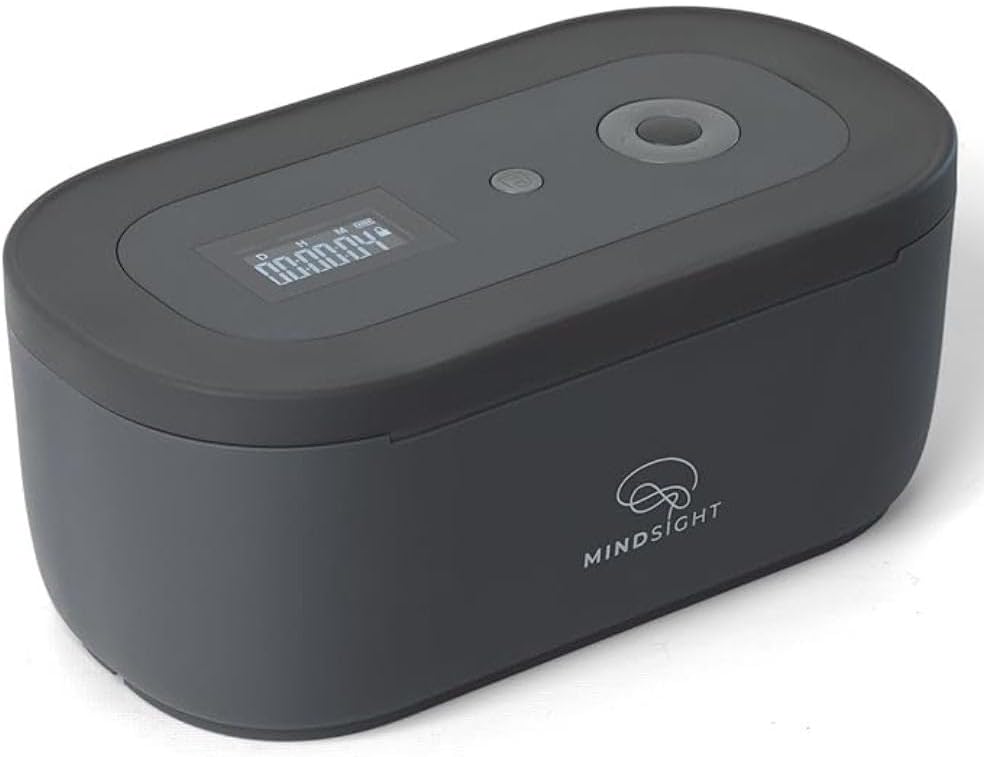
Mindsight Timed Lock Box
Source: amazon.com
Three willpower modes to gradually build better habits and reduce cravings
Check Price On AmazonThe Wellthie One Review
The Mindsight Lock Box takes a slightly different approach than the K-Safe. It offers three willpower modes so you can gradually build discipline over time. The beginner mode lets you unlock early with a small penalty. The advanced mode locks tight with no override. We like this graduated approach because it meets you where you are. If you are new to phone-free work sessions, the gentler modes help you build the habit without feeling trapped.
Mindsight Timed Lock Box Attributes
- Three willpower modes for beginners through advanced users
- Works for phones, snacks, vaping devices, and other temptations
- Compact design fits on any desk or shelf
- Helps build long-term habits with a gradual approach
Dopamine Menu for Productivity: The Bottom Line
A dopamine menu is one of the simplest productivity tools you can build. It takes 15 minutes to create, costs nothing, and gives you a practical plan for those moments when your brain wants to check out. By organizing your options into appetizers, entrees, sides, and desserts, you give yourself a clear path back to focus without relying on willpower alone.
Start small. Write your menu today. Pin it where you can see it. And the next time you feel the urge to scroll, pick something from your appetizer list instead. You might be surprised how quickly one small choice can shift your entire day.
This post may contain affiliate links, which means we may receive a small commission, at no cost to you, if you make a purchase through a link.