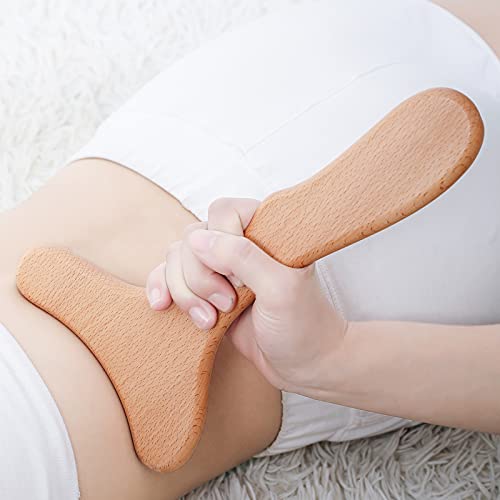

The “before and after” you see online — lighter under-eye area, a more defined jawline, ankles that don’t swell by the end of the day — isn’t usually a single dramatic transformation. It’s the same person, supported by a consistent rhythm of light, repeated lymphatic strokes over weeks. Here’s what that timeline really looks like, what changes in the first week vs. the eighth, and how to make those results last instead of fade.
According to PubMed
A 2020 randomized clinical trial in the International Journal of Rehabilitation Research documented that manual lymphatic drainage produces significantly greater reductions in pain and edema than standard care alone, with effects measurable within the first few days of treatment. A separate 2020 review in the Journal of Applied Physiology on the brain's glymphatic system established lymphatic-style drainage as the primary clearance pathway for metabolic waste — supporting the broader concept that whole-body lymph flow is foundational to detoxification.
Tornatore L, De Luca ML, et al. Effects of combining manual lymphatic drainage and Kinesiotaping. Int J Rehabil Res 2020. DOI 10.1097/MRR.0000000000000417
Benveniste H, Elkin R, et al. The glymphatic system and its role in cerebral homeostasis. J Appl Physiol 2020. DOI 10.1152/japplphysiol.00852.2019
When lymph stagnates, your toxic load goes up
The lymphatic system is your body's waste-removal highway. When it slows down — from prolonged sitting, dehydration, chronic stress, mold exposure, heavy metals, or surgical scarring — metabolic byproducts and environmental toxins accumulate faster than they can clear. The symptoms (swelling, brain fog, fatigue, recurrent infections, stubborn weight) often get blamed on something else.
The Toxic Load Assessment maps which root-cause pattern is driving YOUR stagnation — mold, metals, parasites, or adrenal — so your lymph work unblocks what's upstream.
Take the Toxic Load Assessment →