

Is It Allergies or Something Else?
How to tell allergy swelling from infection swelling


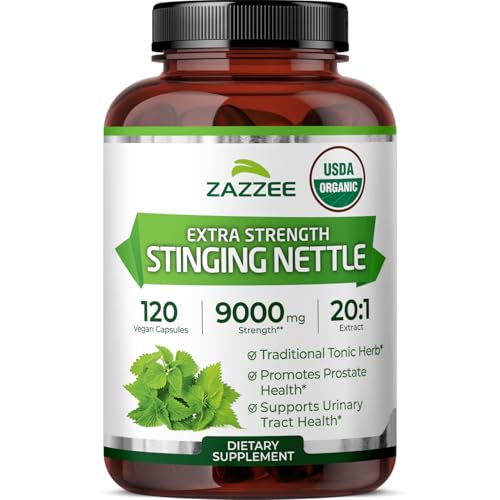
If you only CHOOSE one: the NOW Foods Supplements, Quercetin with Bromelain, Balanc — it is the foundational tool for getting lymph flowing daily.
The histamine biology behind allergy-related lymph swelling

When allergens reach your immune system, mast cells release histamine and signaling molecules that recruit immune cells (B cells, T cells, antigen-presenting cells) to nearby lymph nodes. Those lymph nodes get larger because they’re working harder — not because something is wrong. The swelling typically peaks 12-48 hours after exposure and resolves within days to a couple of weeks once the trigger clears.
According to PubMed-indexed research by Pal et al. (2020), perilymphatic mast cells form a histamine-mediated autocrine signaling loop that directly influences lymphatic vessel activity and immune cell trafficking, with histamine receptor activation regulating how quickly nodes respond to inflammatory triggers (DOI 10.1152/ajpregu.00255.2019). This explains why high-histamine foods and chronic allergen exposure compound lymph node swelling — the system is in constant low-grade activation.
The most common patterns where allergies cause noticeable lymph node swelling:
- Seasonal pollen exposure — cervical (neck), submandibular (under-jaw), and pre-auricular (in front of ear) nodes swell as airborne allergens enter through the nose and throat.
- Food sensitivities or histamine intolerance — submandibular and cervical nodes can stay slightly puffy chronically.
- Pet dander or dust mite reactivity — usually combined with sinus inflammation, so nodes track with the respiratory symptoms.
- Topical contact allergy (cosmetics, jewelry) — nodes upstream of the affected skin swell first.
According to PubMed-indexed research by Khoshkhui et al. (2024), even therapeutic intralymphatic immunotherapy for allergic rhinitis produces measurable lymph node enlargement as a documented response to allergen exposure — confirming the direct causal link between allergic stimulation and node swelling (DOI 10.18502/ijaai.v23i2.15321).
When to see a doctor instead of waiting it out
Allergy-related lymph node swelling is almost always self-limiting. But there are signs that point to something other than allergies and deserve a clinician’s eyes:
- Hard, fixed, or rapidly growing nodes — allergy-related nodes are soft, mobile, and gradually changing. Hard or fixed nodes need imaging.
- Nodes larger than 2 cm (about the size of a grape) persisting beyond 3-4 weeks.
- Nodes that hurt sharply or come with fever, night sweats, or unexplained weight loss — these warrant prompt evaluation.
- One-sided swelling without a clear local trigger — allergies usually affect both sides symmetrically.
- Nodes that don’t budge after the allergy season ends or after a clean elimination of the suspected trigger.
For most people with seasonal or food-triggered allergies, the path is: reduce allergen exposure, support lymphatic flow with hydration and gentle movement, manage histamine load with diet, and watch for the warning signs above. Nodes typically settle within 2-4 weeks once the inflammatory trigger eases.
When lymph stagnates, your toxic load goes up
The lymphatic system is your body's waste-removal highway. When it slows down — from prolonged sitting, dehydration, chronic stress, mold exposure, heavy metals, or surgical scarring — metabolic byproducts and environmental toxins accumulate faster than they can clear. The symptoms (swelling, brain fog, fatigue, recurrent infections, stubborn weight) often get blamed on something else.
The Toxic Load Assessment maps which root-cause pattern is driving YOUR stagnation — mold, metals, parasites, or adrenal — so your lymph work unblocks what's upstream.
Take the Toxic Load Assessment →According to PubMed
A 2020 randomized clinical trial in the International Journal of Rehabilitation Research documented that manual lymphatic drainage produces significantly greater reductions in pain and edema than standard care alone, with effects measurable within the first few days of treatment. A separate 2020 review in the Journal of Applied Physiology on the brain's glymphatic system established lymphatic-style drainage as the primary clearance pathway for metabolic waste — supporting the broader concept that whole-body lymph flow is foundational to detoxification.
Tornatore L, De Luca ML, et al. Effects of combining manual lymphatic drainage and Kinesiotaping. Int J Rehabil Res 2020. DOI 10.1097/MRR.0000000000000417
Benveniste H, Elkin R, et al. The glymphatic system and its role in cerebral homeostasis. J Appl Physiol 2020. DOI 10.1152/japplphysiol.00852.2019


Why allergies cause your lymph nodes swell

The common allergens that swell lymph nodes
When swollen nodes are NOT just allergies (red flags)
- A single node that is hard, fixed in place (does not move when you push it), and painless
- Swelling that persists more than 4-6 weeks without explanation
- Swelling combined with unexplained weight loss, drenching night sweats, or persistent low-grade fever
- Nodes larger than 1 cm in adults (about the size of a pea)
- Sudden very large swelling with fever, rash, or difficulty breathing — this can indicate a severe allergic reaction (anaphylaxis) and requires emergency care
- Swelling in the supraclavicular area (above the collarbone) — this region rarely swells from common causes

What truly helps allergy-related swelling resolve faster
Allergic lymph node swelling in kids vs adults
Frequently asked questions
Can seasonal allergies cause swollen lymph nodes in the neck?
How long do swollen lymph nodes from allergies last?
Can food allergies cause swollen lymph nodes?
Do antihistamines reduce swollen lymph nodes?
Should I massage swollen lymph nodes?
Can chronic histamine overload mimic allergies?
According to PubMed — a 2024 study by Oh et al. in Frontiers in Pharmacology documented that mast cell-mediated allergic inflammation directly drives lymph node nodule formation, with histamine and pro-inflammatory cytokine release recruiting immune cells into nearby nodes (DOI 10.3389/fphar.2024.1403285). Calming the mast cell trigger upstream — quercetin, nettle, antihistamine herbs — shrinks the downstream node response within days.


