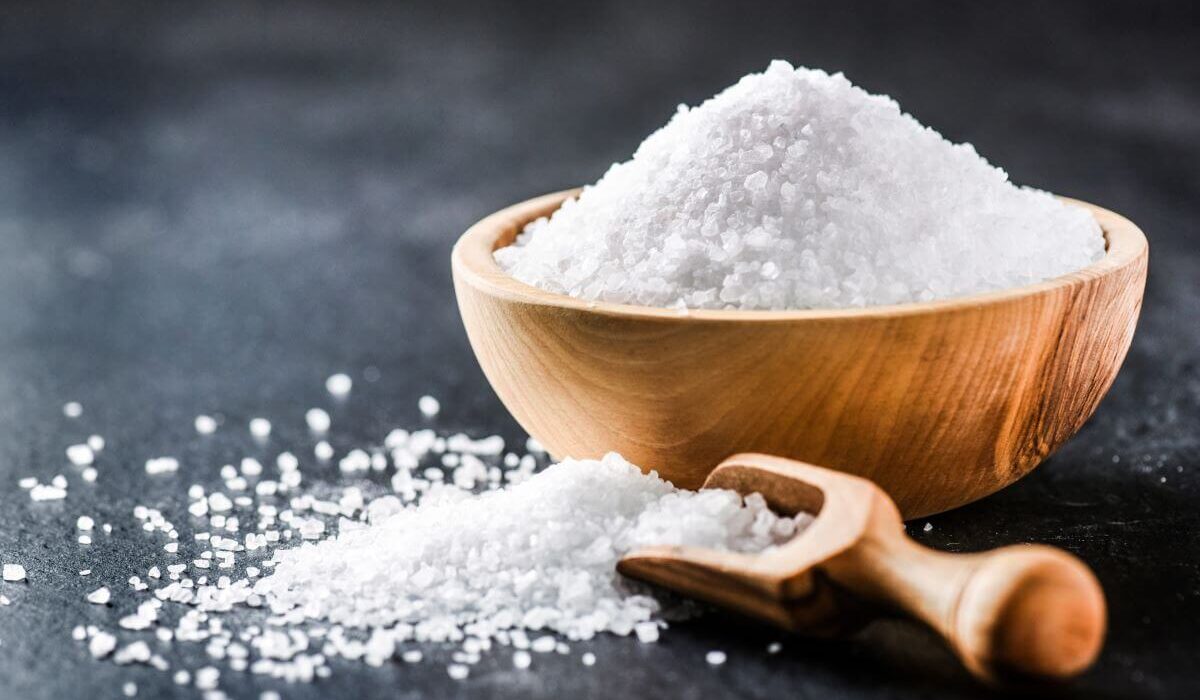
When it comes to salt, there are two main types: sea salt and iodized salt. While both types of salt can help to add flavor to food, many people prefer sea salt because of its mineral composition and natural origins.
Sea salt is produced by evaporating seawater, which leaves behind a variety of minerals, including magnesium, calcium, and potassium. These minerals can actually be beneficial for your health, which is one reason why many people choose sea salt over iodized salt.
Find Your Mineral-Rich Salt Match
Your priority × cooking style × mineral focus = matched salt for your kitchen.
Why the salt question is really a mineral-depletion question
Most adults eating modern processed food are simultaneously OVER-salt (industrial table salt added to processed foods) and UNDER-mineral (sodium without magnesium, potassium, calcium, trace minerals). The result is the cluster everyone calls ‘normal aging’ – fatigue, cramps, low energy, foggy mornings, brittle nails. Swapping iodized table salt for whole-mineral sea salt is one tiny piece. Real mineral repletion comes from filtered mineral water, ConcenTrace drops, leafy greens, and reducing the toxic load that depletes minerals faster than diet replaces them.
The Toxic Load Assessment maps where YOUR mineral drain is – whether it is mold exposure burning through magnesium, heavy metals displacing zinc, gut dysbiosis blocking absorption, or chronic stress accelerating sodium-potassium turnover.
Take the Toxic Load Assessment →In addition, sea salt has a more subtle flavor than iodized salt, making it a good choice for use in cooking. Whether you’re looking for a healthy option or a flavor enhancer, sea salt is definitely worth trying.

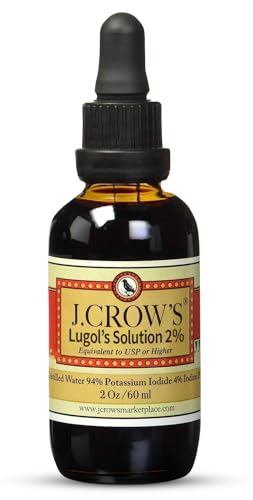
Whole-mineral salts worth keeping on hand
Picks across daily-cooking, finishing, and high-mineral use cases.


What’s the difference between iodized and non-iodized sea salt?
Non-iodized sea salt is simply salt that doesn’t contain iodine. Iodine is an essential nutrient and it is added in the manufacturing of the salt variety that does not come directly from nature. Non-iodized salt isn’t necessarily “better” for you, but it may be preferable in some cases.
Research behind unrefined sea salt + minerals
- Karavoltsos S, et al. (2020). Trace elements, polycyclic aromatic hydrocarbons, mineral composition of unrefined sea and rock salts. Environmental Science and Pollution Research, 27(10):10857-10868. [DOI]Analysis of 24 unrefined sea + rock salts found measurable trace minerals (Fe, Zn, Mn, Cu) – but also lead (Pb) at higher-than-expected levels in some samples. Inland-mined salts (Redmond Real Salt) generally show lower modern-pollution contamination than surface-harvested ocean salts.
- Vanderpump MPJ (2011). The epidemiology of thyroid disease. British Medical Bulletin, 99:39-51. [DOI]Iodine deficiency remains the most common cause of thyroid disease worldwide. If you switch from iodized table salt to a sea salt, you MUST get iodine elsewhere – kelp, Lugols solution, shellfish, or a dedicated iodine supplement.
- Prado EL, Dewey KG (2014). Nutrition and brain development in early life. Nutrition Reviews, 72(4):267-84. [DOI]Iron and iodine deficiencies during pregnancy + infancy cause measurable cognitive deficits. Salt iodization is one of the most effective public health interventions of the 20th century. Whole-food mineral repletion matters – and matters most during critical windows.
For example, if you have a thyroid condition and are taking medication that contains iodine, it’s best to avoid regular table
It is advised to replace table salt with a non-iodized variety. This is because the extra iodine could interfere with the medication’s effectiveness.
Additionally, some people believe that non-iodized salt tastes better or has a cleaner flavor than iodized salt. If you’re someone who doesn’t like the taste or the lack of other minerals or health benefits from regular table salt, you may want to try switching to a non-iodized sea salt variety.
Since sea salt comes from the sea, a natural source, it does not have iodine in it. Iodine is added by manufacturing table salt, not by nature.
It seems non-sensical to consume salt to get iodine
From a health standpoint, it does not make sense to add table salt to our food get enough iodine due to table salt being in excess in many processed foods already. Most of us get too much as it is. Those who have health conditions such as high blood pressure need to cut back on salt.
Many people like the natural composition of sea salt, as regular table salt is less healthy. Since we should limit overall salt in our diets as a rule, as stated above, it doesn’t make sense to consume table salt to get enough iodine. If you are at risk for iodine deficiency, you can supplement it or be sure to eat foods that naturally have iodine in them, like sea vegetables, dairy products, eggs, and chicken.
What is one of the best, purest sea salt brands to try?
Fine Ground Celtic Sea Salt
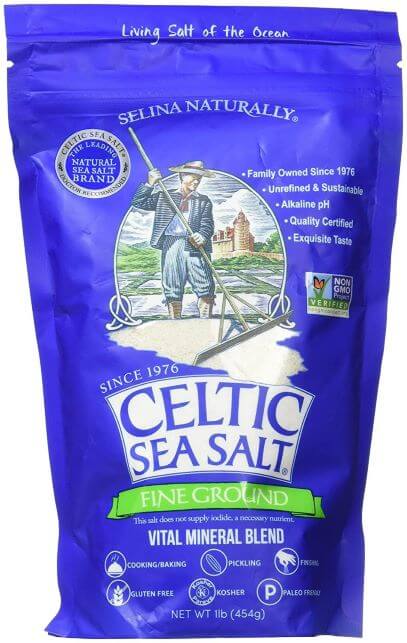
What we love about Selina Naturally Celtic Sea Salt:
- Premium quality
- Excellent taste
- Highest purity
- Vital mineral blend from naturally occurring minerals
- Fine ground
- Resealable bag
- Highly rated on Amazon
Why is sea salt healthier than iodized salt, which is also known as table salt?
Iodized table salt is a type of salt that has been treated with iodine. Iodine is an essential nutrient that helps to ensure proper thyroid function. However, iodine is only needed in small amounts, and too much iodine can actually be harmful.
For this reason, it’s generally recommended to limit your intake of iodized salt.
Sea salt, on the other hand, is simply salt extracted from the sea.It typically contains a variety of minerals, including potassium, magnesium, and calcium. These minerals can actually help to counteract the effects of sodium, making sea salt a more health-conscious choice than iodized table salt.
In addition, sea salt tends to have a more complex flavor than iodized salt, making it a better option for cooking.
What are the uses for non-iodized sea salt?
There are a few different ways to use non-iodized sea salt. Some people like to sprinkle it on top of their food as a finishing touch, while others like to add it to their cooking. It can also be used in place of regular table salt in recipes.
If you’re looking to make a healthier choice, reach for the sea salt instead of the iodized variety. Also, be mindful of how much salt you consume, as too much causes dehydration and hypertension.
We wish you well on your continuing journey to optimum health.
The links used on thewellthieone.com are affiliate links, which may provide a small commission. This does not increase the price of the goods for the consumer whatsoever. What it does is ensure that useful content like this can continue to be produced. Thank-you for enjoying our content and allowing us to continue to provide more.