
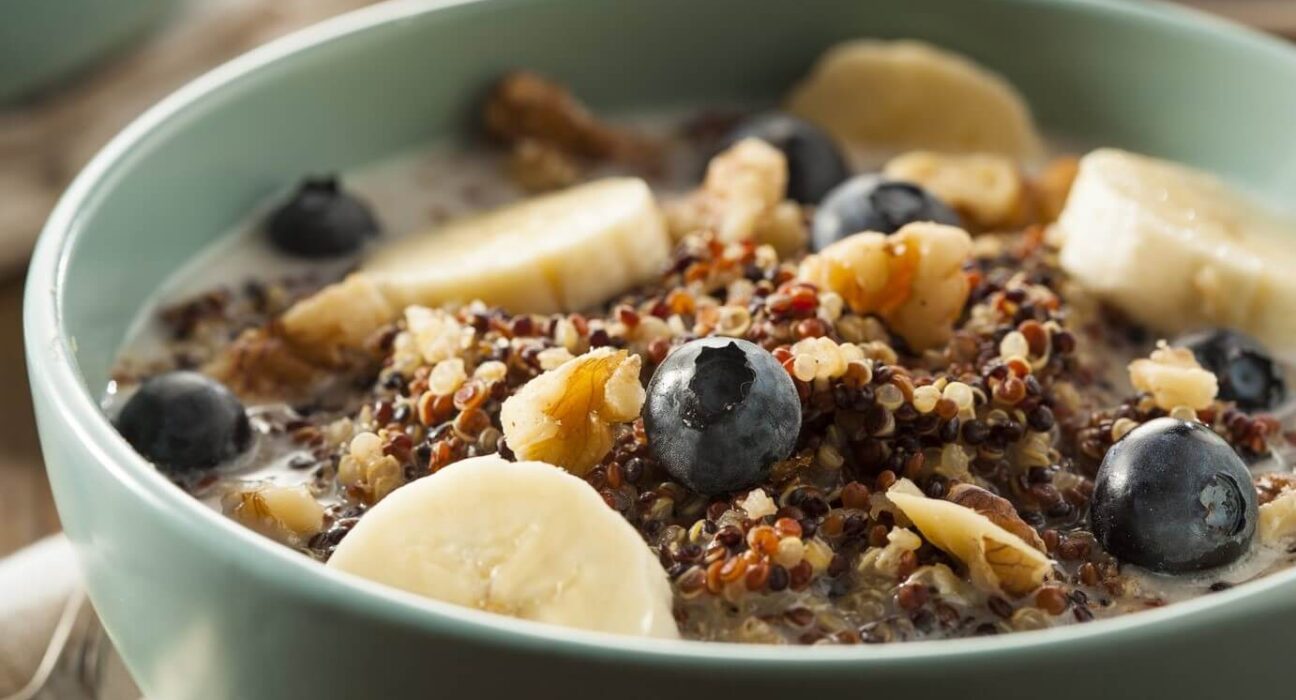
Eating well is supposed to be simple, but anyone who has tried to overhaul their diet knows the real hurdle is staying full, satisfied, and consistent. That is exactly where quinoa shines. Often called a superfood, this little seed earns the title honestly: it is a complete protein, naturally gluten-free, rich in fiber and minerals, and endlessly versatile. Below we will cover what the research actually shows, how quinoa stacks up against rice, exactly how to cook it perfectly, and which products are worth trying.
Great food can’t fully fix a high toxic load
Find Your Quinoa Match
The health benefits of organic quinoa
Quinoa is a seed from a plant of the same name. Many mistake it for a grain because it cooks and eats like one, so it is often called a “pseudo-grain.” Whatever you call it, the nutritional profile is impressive:
- Naturally gluten-free and high in protein — a practical option for those with gluten intolerance, celiac disease, or plant-based diets.
- A complete protein — one of the few plant foods containing all nine essential amino acids your body cannot make on its own.
- A low glycemic index (around 53) — it releases energy steadily rather than spiking blood sugar, which makes it a helpful choice for blood-sugar balance.
- High in fiber — helps you feel full longer, supports digestion, and curbs between-meal cravings.
- Rich in minerals and antioxidants — especially magnesium, plus plant compounds that help fight oxidative stress.
- Practical to batch-cook and store — perfect for meal prep when time is tight.
What the research actually says about quinoa
Quinoa’s reputation is well earned. According to research indexed on PubMed, a 2023 review described quinoa as having high-quality protein with all nine essential amino acids and being gluten-free, with bioactive compounds that may help support against chronic conditions like diabetes, obesity, and cardiovascular disease (Agarwal et al., 2023, Antioxidants, DOI). An earlier comprehensive review confirmed quinoa’s “extraordinary balance of essential amino acids” and its richness in protein, fiber, vitamins, and minerals, while also noting it contains natural anti-nutrients like saponins — which is exactly why rinsing before cooking matters (Filho et al., 2017, Critical Reviews in Food Science and Nutrition, DOI).
A review of pseudocereal grains likewise highlighted quinoa as a gluten-free seed with excellent nutritional and nutraceutical value, making it a smart base for those avoiding gluten (Martínez-Villaluenga et al., 2020, Food and Chemical Toxicology, DOI). The honest bottom line: quinoa is a genuinely nutritious whole food and a great everyday swap for refined grains — just remember that no single food is a magic bullet. Its benefits show up as part of an overall balanced diet.
Bentonite, charcoal, chelation, cilantro, mercury chasing — these protocols all assume heavy metals are your dominant toxic load. For some people they are. Plenty of others land in this kind of work suspecting metals when adrenal exhaustion, parasites, or mold are actually doing more of the damage, and the protocols look very different depending which one is yours. If you want to sort it out before committing to weeks of binders, the 2-minute What's Draining Your Brain Tool places you in one of four root cause types so the next thing you try has a real chance of working.
Is quinoa better than rice?
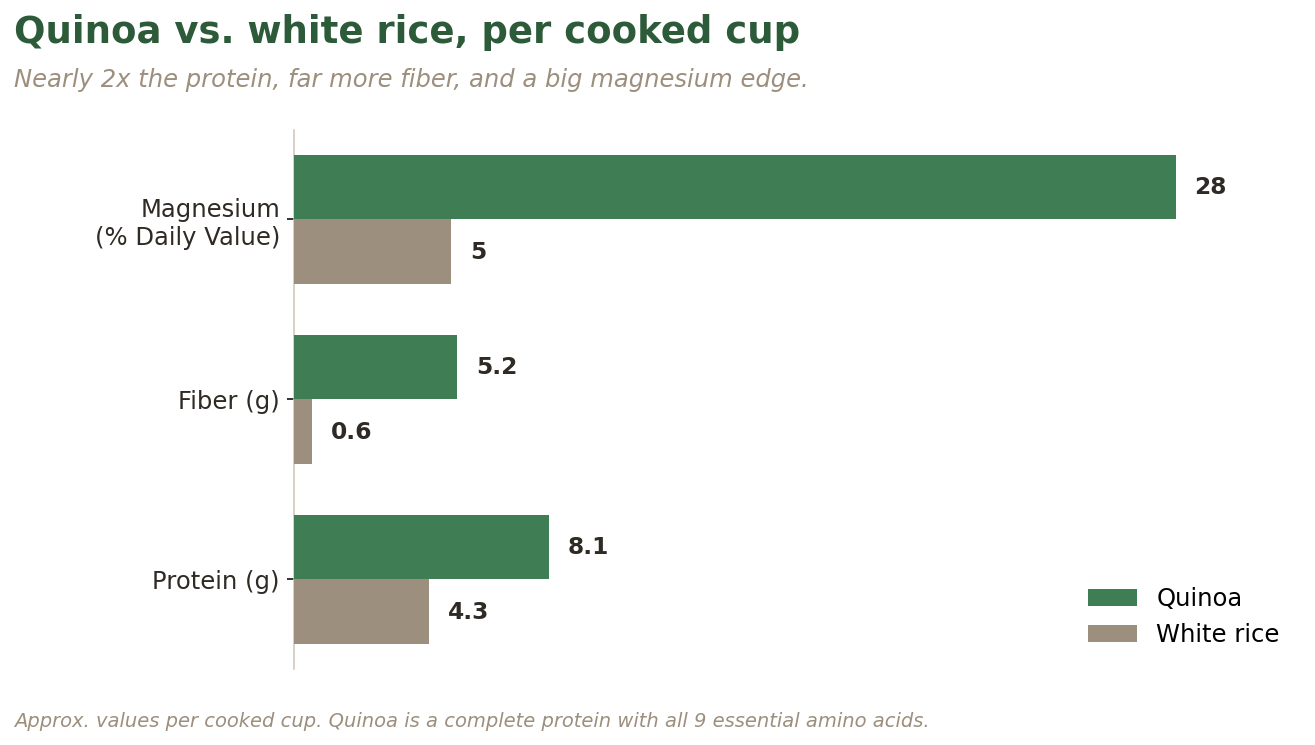
Nutritionally, quinoa comes out ahead. As the chart above shows, cup for cooked cup it offers nearly double the protein of white rice, far more fiber, and a big magnesium advantage — while both are naturally gluten-free. Rice still wins on cost and is a comforting staple, but if you want more nutrition from the same portion, quinoa is the upgrade. The good news: you do not have to choose. Many people enjoy a quinoa-and-rice blend for the best of both.
Is it OK to eat quinoa daily?
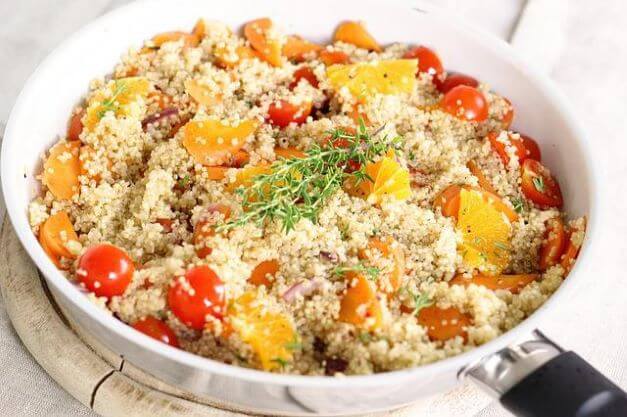
For most people with a healthy digestive system, yes — quinoa is well suited to daily eating. It is a true kitchen blank canvas: stir it into sauces and stir-fries, fold it into casseroles, layer it into baked dishes, or build a grain bowl. Because it is a nutrient-dense whole grain, working it in regularly — in place of refined carbs — is a simple way to add protein, fiber, and minerals to your day. If you are new to it, start with modest portions, since the fiber can be a lot for sensitive stomachs at first.
Can quinoa support weight management?
Quinoa can be a real ally for weight goals — not through any fat-burning magic, but through simple satiety. Its fiber and protein help you feel fuller for longer and steady the cravings that derail most diets, while its magnesium supports normal metabolism. Much of the struggle with eating less comes down to staying satisfied, and quinoa delivers bulk that is full of nutrients rather than empty calories. Used as your carb component in balanced meals, it makes the healthy choice the easy choice.

Which is healthier, red or white quinoa?
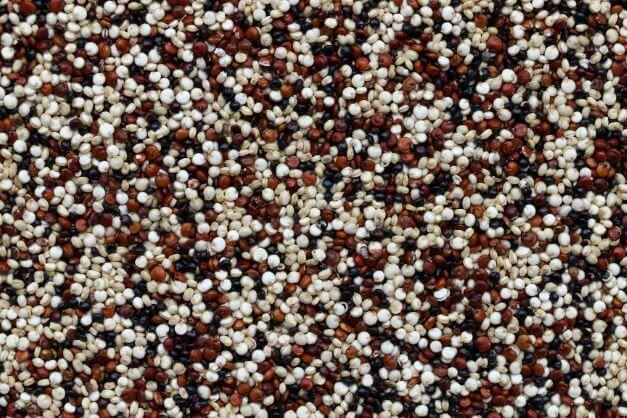
From a health standpoint, the difference between the two is small. Red quinoa has slightly more antioxidants than white, but both are excellent. The bigger difference is texture and how you plan to use them.
Which quinoa tastes better, white or red?
White quinoa is milder, softer, and fluffier — the most beginner-friendly choice. Red quinoa is slightly nuttier and a touch more bitter raw, but it holds its shape beautifully when cooked, which makes it great for salads and grain bowls. Most of that bitterness disappears once cooked, especially when quinoa is mixed into a recipe with other flavors. Tricolor blends give you the best of both.
How to cook perfect quinoa
Cooking quinoa is easy once you know the ratio and the one step most people skip: rinsing. Here is the foolproof method for fluffy, never-mushy quinoa.
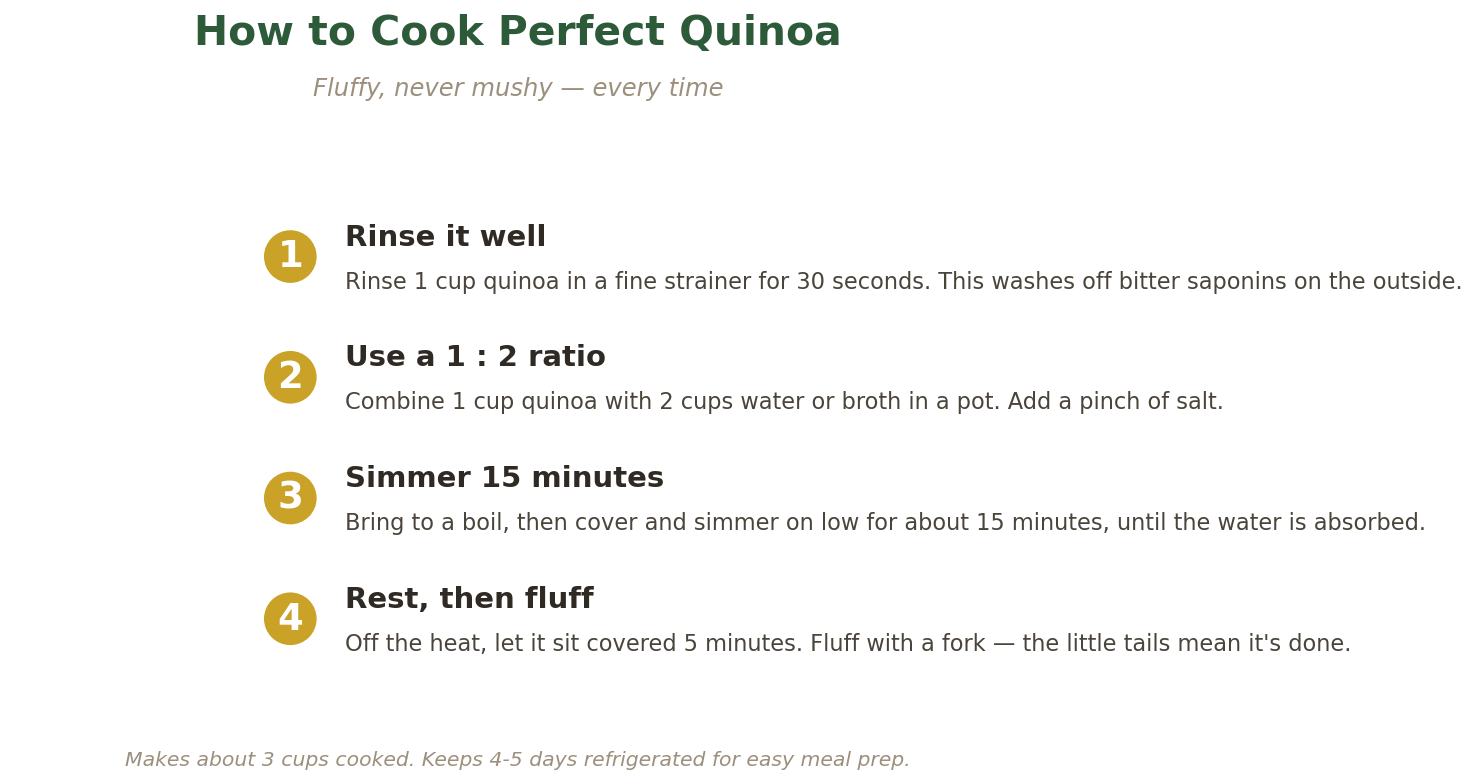
Cook it in broth instead of water for extra flavor, and make a big batch — cooked quinoa keeps for 4 to 5 days in the fridge and freezes well, so a single pot fuels several days of fast, healthy meals.
Where to buy quinoa: 2 highly rated picks worth trying
1. Viva Naturals Organic Quinoa (Pre-Washed)
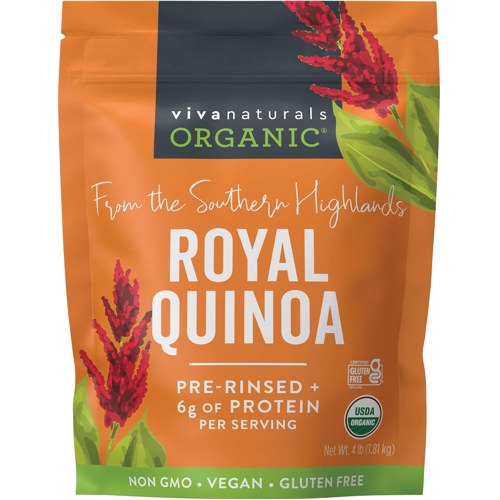
A clean, single-ingredient organic quinoa that comes pre-washed, so the bitter saponins are already rinsed off and it cooks up fluffy with no fuss. The generous 4 lb bag is perfect for the batch-cooking and meal-prep approach above, and it is USDA organic, gluten-free, non-GMO, and vegan. A reliable, well-reviewed everyday staple to keep in the pantry.
2. Seeds of Change Organic Quinoa & Brown Rice
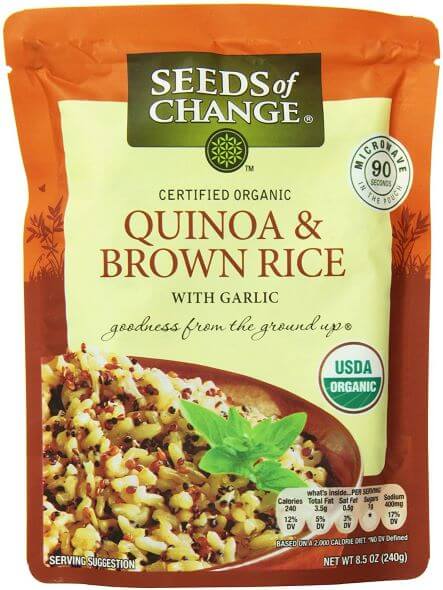
For the busiest nights, these organic ready-pouches of quinoa and brown rice heat in about 90 seconds, with no artificial flavors or preservatives. They are filling and genuinely tasty — an easy way to get a wholesome, gluten-free base on the plate when there is no time to cook from scratch.
To sum it up: we love quinoa for its honest, everyday versatility. Cook a batch, add it across your meals, and you will fold protein, fiber, and minerals into your week with almost no effort. It is an ancient food that has earned its modern fame — try cycling organic quinoa into your menu and your body will thank you.
Frequently asked questions about quinoa
Is quinoa gluten free?
Yes. Quinoa is naturally gluten-free, which makes it a great staple for people with celiac disease or gluten sensitivity. If you are highly sensitive, choose a package labeled certified gluten-free, since some quinoa can pick up cross-contamination during processing.
Is quinoa a carb or a protein?
Both, which is part of what makes it special. Quinoa is primarily a complex carbohydrate, but it is also a complete protein with all nine essential amino acids — unusual for a plant food. So while you would treat it as your carb on the plate, it brings more protein and fiber than typical grains like white rice.
How do you cook quinoa?
Rinse 1 cup of quinoa well, combine with 2 cups of water or broth and a pinch of salt, bring to a boil, then cover and simmer on low for about 15 minutes until the liquid is absorbed. Take it off the heat, let it rest covered for 5 minutes, and fluff with a fork. When you see the little curly “tails,” it is done.
Is quinoa good for you?
Yes — quinoa is a genuinely nutritious whole food: complete protein, gluten-free, high in fiber, and rich in magnesium and antioxidants. It is one of the easiest healthy swaps you can make for refined grains. As with any food, the benefits come from including it as part of an overall balanced diet, not from quinoa alone.
Clean Eating Should Give You Energy — If It Doesn’t, Look Deeper
More from thewellthieone.com
The links used on thewellthieone.com are affiliate links, which may provide a small commission. This does not increase the price of the goods for the consumer whatsoever. What it does is ensure that useful content like this can continue to be produced. Thank-you for enjoying our content and allowing us to continue to provide more.