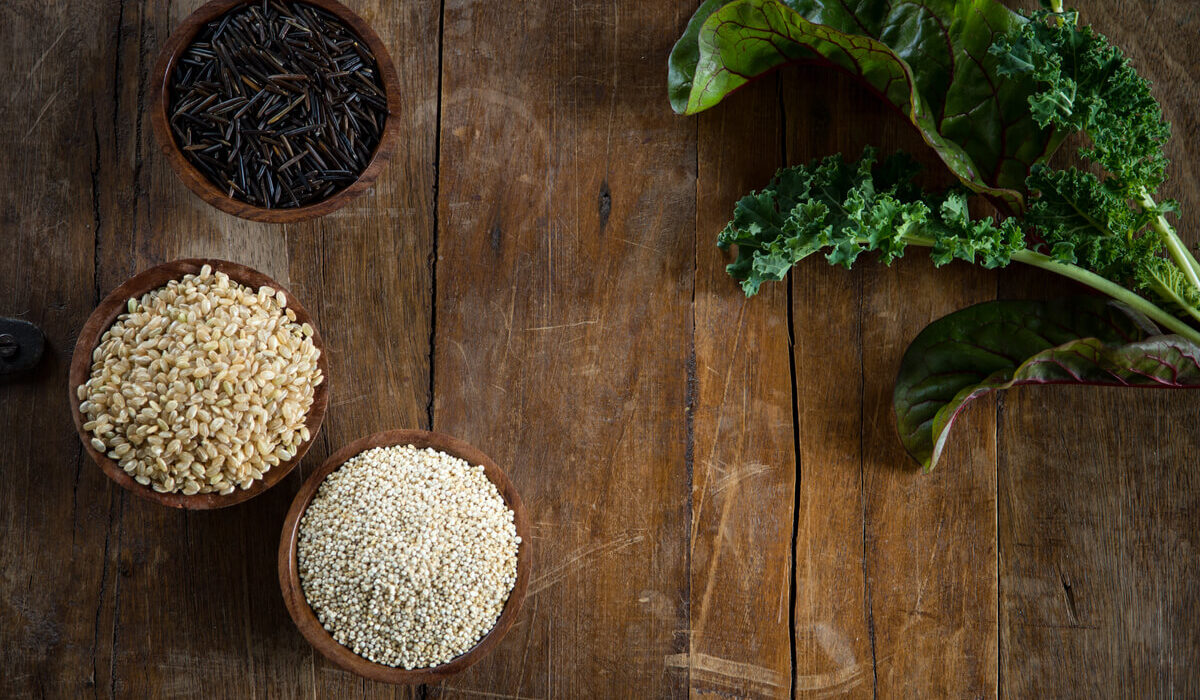
Sticking to a healthy diet can be hard, but there are some staple foods, even superfoods, that make eating healthier an easier process. Quinoa, scientifically known as chenopodium, is a versatile seed. These tall plants are part of the amaranth family. Chenopodium is a flowering plant, and is a whole grain. Quinoa seeds are a grain that originates from the high altitudes of the Andes Mountains in South America. It is a hardy annual plant and has loose branching clusters of flowers called panicles, similar to oats.
Choosing the healthiest grain but still drained?
Which Is Right For You?
It was a staple crop of the Inca civilization and is now popular as a healthy food. Quinoa Seeds Are A Complete Protein. A protein is “complete” if it contains all the essential amino acids needed for human health. Quinoa is a complete protein because it contains all the essential amino acids. This makes quinoa an excellent source of protein for people who are vegetarian or vegan.
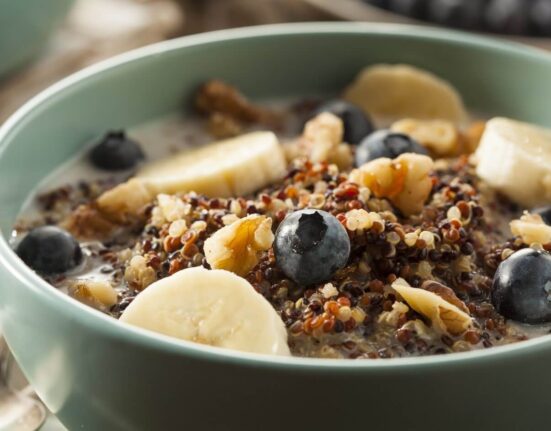
This unconventional superfood saponin is packed with nutrients that can help you stay healthy, fit, and energetic. Quinoa is a valuable source of protein, fiber, and other nutrients, which makes it a good alternative to rice for those looking to eat nourishing meals. Not only is it low in calories, but quinoa is also cholesterol-free and a good source of magnesium, zinc, and other minerals. In addition, quinoa is easy to prepare and can be incorporated into a variety of dishes, making it a versatile choice for mealtime.
How to Make the Perfect Pot of Quinoa Seeds Every Time
The best tip is seen here by Restless Palate:
Most people in detox or chronic-symptom work eventually hit the same problem: the same symptoms — fatigue, brain fog, gut issues, poor sleep — can come from completely different root causes, and the wrong protocol can run for months before that becomes obvious. The 2-minute What's Draining Your Brain Tool sorts you into one of four toxic load types so the next thing you try has a real chance of actually working.
3 Delicious and Easy One Skillet Qunioa Seed Recipes, The Domestic Geek shows you how:
Health Benefits of Choosing Quinoa Seeds vs Rice
There is lots of good news when evaluating the health benefits of eating quinoa seeds.
- 1). Quinoa is a complete protein that contains all the essential amino acids.
- It is a good source of minerals like magnesium, phosphorus, potassium, calcium, manganese, and iron.
- It helps with weight loss and regulating blood sugar levels.
- It has a low glycemic index, which is good for those who are concerned about blood sugar levels.
- Quinoa is anti-inflammatory and helps in healing wounds.
- It is high in antioxidants that protect the body from damage and chronic diseases caused by free radicals.
- Excellent source of fiber which helps regulate the digestive process.
- Gluten free
- Overall, quinoa has a lot of benefits that make it a healthy alternative to rice.
The Health Benefits of Choosing Rice vs Quinoa Seeds
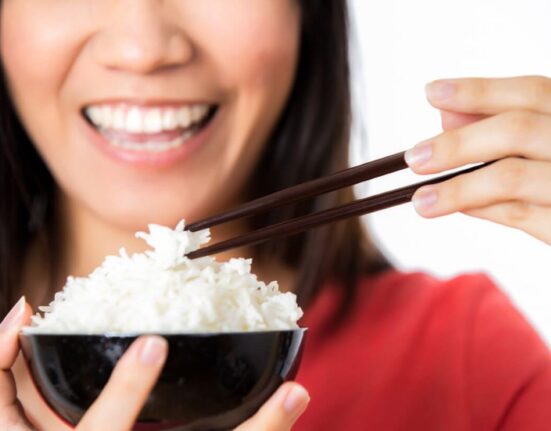
There are a few benefits to choosing rice over quinoa.
- Rice is a more budget-friendly option than quinoa.
- It is also more widely available than quinoa, making it easier to find if you’re looking for a specific type of rice.
Finally, rice is easier on the digestive system than quinoa, so it is less likely to cause gastrointestinal issues.
- This might make rice a better choice for those with sensitive stomachs, or need a more bland diet.
1. BetterBody Foods Organic Quinoa, Vegan, Complete plant protein
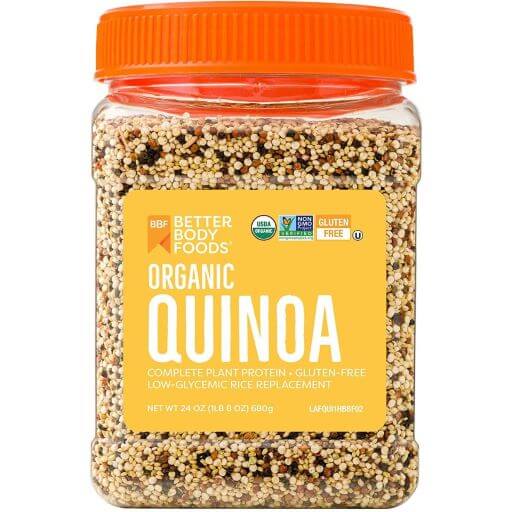
Why we love Better Body Quinoa:
- Organic
- Vegan
- Non-GMO
- Low glycemic, high protein
2. TruRoots Organic Quinoa, 32 Ounces, Certified USDA Organic
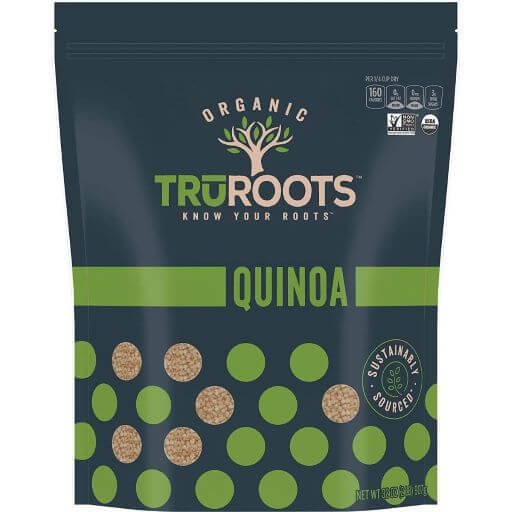
What we love about TruRoots Quinoa:
- Simple is best
- 1 ingredient, quinoa
- Organic
- Non-GMO
Quinoa: The growing process
It’s good to know where your food comes from and what is involved in growing it, so we provided this information so we can appreciate the efforts of the farmers who grow our food.
In order to produce a successful quinoa crop,
- The soil temperature should be above 60 degrees Fahrenheit for germination and should have adequate levels of nitrogen.
- Quinoa should be sown directly into the soil; it does not do well with transplanting.
- The crop takes 90–120 days to mature.
- The seeds are harvested by hand and then threshed to remove the chaff.
- The seeds are then cleaned and polished before being packaged for sale.
- It requires well-drained, fertile soil and adequate irrigation; it does not do well with drought.
- The plants have reached maturity when the seed heads turn from green to a light golden color.
3. Awsum Snacks Quinoa SUPERCEREAL
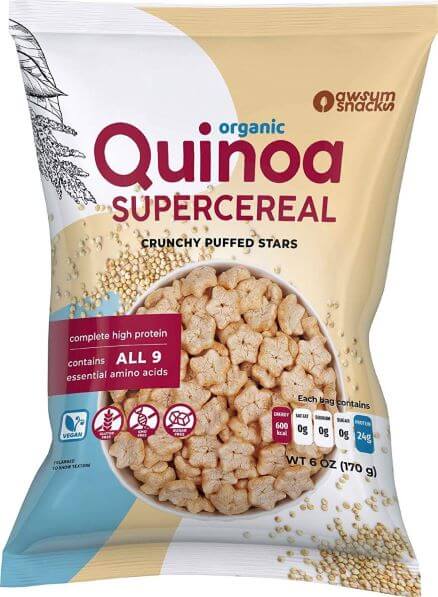
What we love about Awsum Snacks Quinoa:
- It’s different and interesting
- Puffed quinoa
- Organic
- Vegan
- Sugar-Free
- Gluten-Free
- Healthy snack alternative
Frequently Asked Questions
Quinoa is a complete protein—what does that mean for me?
While all protein contains amino acids, not all protein sources are complete proteins. A complete protein is one that contains all nine essential amino acids. Amino acids are the building blocks of protein, and they perform a variety of important functions in the body.
The nine essential amino acids are histidine, isoleucine, leucine, lysine, methionine, phenylalanine, threonine, tryptophan, and valine. They’re called “essential” because the body can’t make them on its own — we have to get them from our diet.
Why should I eat quinoa instead of rice on a regular basis?
If you’re looking for a healthy and nutrient-dense grain-type food that you can eat on a regular basis, quinoa should be your go-to choice. Not only does quinoa contain all nine essential amino acids, but it is also a complete protein. This means that it contains all the essential components that your body needs to function optimally. In addition, quinoa is high in fiber, which helps to keep you feeling full and satisfied longer.
Additionally, quinoa has anti-inflammatory properties which can help to reduce the risk of heart disease, type 2 diabetes, and some types of cancer. Furthermore, quinoa is low on the glycemic index, which makes it ideal for people with blood sugar issues or those on a diet.
For additional reading on quinoa:
Conclusion
If you’re looking for a nutrient-rich grain to add to your diet, quinoa is a great option. It packs more punch than rice if you are looking to get more nutrition out of every bite. Often considered a superfood, quinoa is packed with essential vitamins and minerals. It’s also a good source of protein, making it a perfect addition to any meal. And unlike rice, quinoa is relatively low in calories and carbs.
We wish you well on your continuing journey to optimum health.
What the research says: quinoa vs rice
According to PubMed, reviews confirm quinoa is a complete protein with all nine essential amino acids, naturally gluten-free, and rich in fiber and minerals, with bioactive compounds that may help support against chronic conditions (Agarwal et al., 2023, Antioxidants, DOI; Filho et al., 2017, Critical Reviews in Food Science and Nutrition, DOI).
Frequently asked questions
Is quinoa better than rice?
Nutritionally, yes: quinoa has nearly double the protein of white rice, far more fiber, more magnesium, and a lower glycemic index. Rice wins on cost and mild flavor, and a blend of the two is a great compromise.
Is quinoa or rice better for weight loss?
Quinoa tends to be more filling thanks to its protein and fiber, which can help with appetite control. Portion size and what you pair it with matter most either way.
Is quinoa or rice better for blood sugar?
Quinoa has a lower glycemic index (around 53) than white rice, so it raises blood sugar more gradually. Pair either with protein and vegetables to steady the response further.
Can you mix quinoa and rice?
Absolutely, and many people do. A quinoa-rice blend gives you rice’s familiar texture with a meaningful boost in protein, fiber, and minerals from the quinoa.
The Grain Swap Helps — Energy Runs Deeper
Go deeper: our full guide covers the health benefits of quinoa, how to cook it perfectly, and the best products to try.
The links used on thewellthieone.com are affiliate links, which may provide a small commission. This does not increase the price of the goods for the consumer whatsoever. What it does is ensure that useful content like this can continue to be produced. Thank-you for enjoying our content and allowing us to continue to provide more.