Looking to increase your wellness without the use of pharmaceuticals or medications? Epsom salt may be the answer. It has a plethora of health benefits and can do wonders for your well-being. This naturally occurring compound isn’t just for soaks anymore.
We all know Epsom salt is great for a relaxing bath. But did you know that it can also kill bacteria and improve your health in other ways?
What’s the Right Epsom Soak for You?

A soak relaxes the moment — what’s draining you underneath?
In this blog post, we’ll explore the science behind Epsom salt and its many benefits. Whether you’re looking to soothe your muscles or boost your overall health, as well as for something that won’t break the bank, read on to learn more about this versatile remedy.
You’re looking at a mineral that can multi-task!
If you reduce inflammation in the body, which is the cause of many pains and illnesses, think about the holistic result that Epsom salt can provide.
What’s draining your brain?
Brain fog, fatigue, sluggish digestion — usually one of 4 toxic load types is behind it: heavy metals, parasites, mold, or burned-out adrenals. Each type needs a completely different protocol. Take the 2-minute quiz to find out which one is draining you.
Research has shown that it can:
- kill bacteria
- alleviate muscle cramps
- reduce inflammation
- detoxify your body
- boost your mood and help eliminate brain fog
Can Epsom salt help draw out flu-like symptoms?
If you are starting to feel flu-like symptoms, you have an ally here!
Epsom salt can be a useful home remedy for flu-like symptoms, such as congestion and body aches. The magnesium sulfate found in Epsom salt can help reduce inflammation, which can in turn relieve pain, improve breathing and encourage sweating — all of which can help the body fight off infection.

Additionally, the warm bathwater helps soothe symptoms by increasing circulation, making it easier to breathe. However, it is important to note that while an Epsom salt bath may provide some relief from flu-like symptoms, it is not a cure and should not be used as a substitute for professional medical care.
Most people in detox or chronic-symptom work eventually hit the same problem: the same symptoms — fatigue, brain fog, gut issues, poor sleep — can come from completely different root causes, and the wrong protocol can run for months before that becomes obvious. The 2-minute What's Draining Your Brain Tool sorts you into one of four toxic load types so the next thing you try has a real chance of actually working.

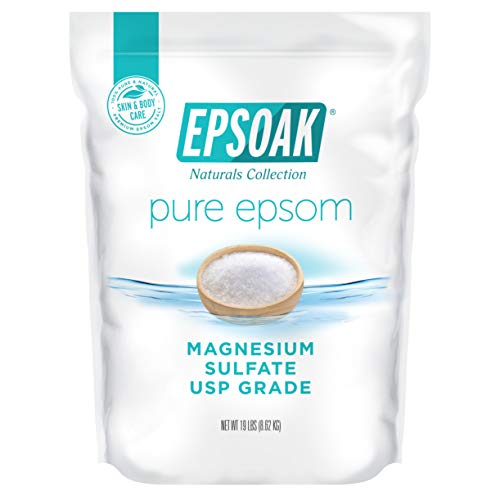
Epsom salt is often touted for its health benefits, but does it work?
Epsom salt, or magnesium sulfate, has long been praised for its potential healing benefits. It is frequently touted as a cure-all for everything from sore muscles to sunburns. But does it work?
Scientifically, how does Epsom salt kill bacteria?
Epsom salts have been shown to help fight bacteria by creating an inhospitable environment for them to thrive.
For example, Epsom salts draw out moisture which inhibits the growth of harmful organisms and leads to their eventual death. Additionally, it contains magnesium sulfate, which when dissolved in water can act as a mild antiseptic and reduce inflammation. Epsom salt may also be used as a topical treatment to help kill bacteria on the skin.

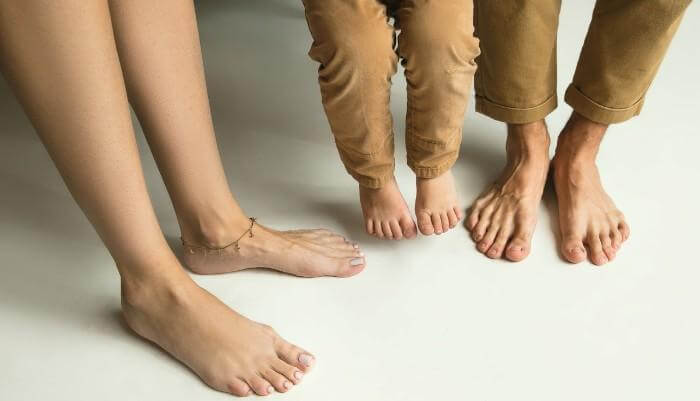
How can an Epsom salt foot bath help reduce stress, and foot odor and improve overall well-being?
An Epsom salt foot bath can provide a myriad of benefits to help reduce stress and improve well-being. The magnesium and sulfate found in Epsom salt are known to help relax the body and reduce tension while providing a calming effect.
The salts help to draw out toxins from the body, which can help reduce foot odor and improve overall health. Additionally, an Epsom salt foot bath helps promote blood circulation, which can lead to improved energy levels.
Foot health and benefits of soaking in Epsom salt
To achieve optimum foot health and overall wellness while providing stress relief, taking a bath or soaking your feet in a foot pan of water with half a cup of Epsom salt and a few drops of your favorite essential oil for aromatherapy you can expect the following benefits and uses:
100% Pure Lavender Essential Oil

Source: amazon.com
If you want aromatherapy with your soak, add the oils yourself rather than buying pre-scented salts — that way you control the quality. Lavender for relaxation, eucalyptus for congestion, peppermint for sore feet.
Check Price On AmazonPure Unscented Epsom Salt

Source: amazon.com
For a foot bath, half a cup; for a full bath, two cups. Plain unscented USP-grade is what you want — skip the lavender-and-eucalyptus versions which often add synthetic fragrance.
Check Price On AmazonDecrease Inflammation and Ease Pain
Magnesium and sulfate found in Epsom salts can help reduce inflammation, swelling, and ease pain in muscles and joints.
Softening Dead Skin
The salts can be softened with the absorbed bath water to remove dead skin cells, leaving feet feeling softer.

Ease Muscle Soreness
Epsom salt baths can help relieve muscle fatigue and soreness due to their anti-inflammatory properties.
Kill Bacteria That Causes Athlete’s Foot
A foot soak with Epsom salt helps eliminate the bacteria that cause athlete’s foot.
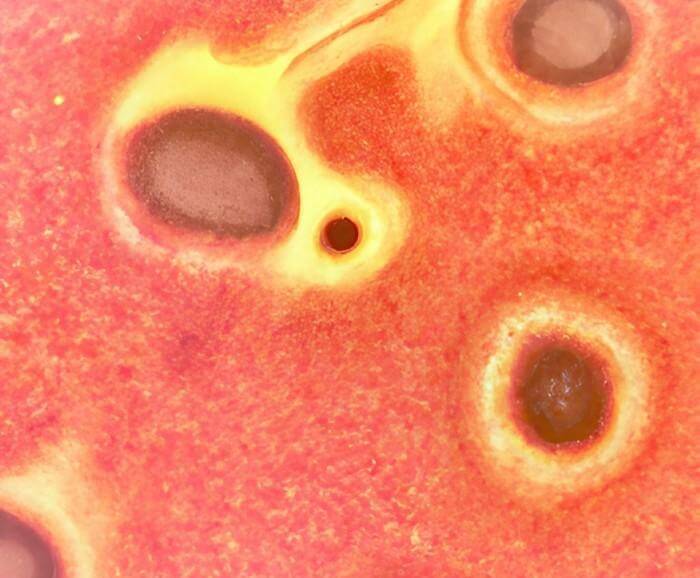
Treat Wounds
An Epsom salt bath can help disinfect wounds, preventing infection and aiding in healing.
What the research actually says about Epsom soaks
Epsom salt is magnesium sulfate, and the real science is more interesting than the hype. Based on articles retrieved from PubMed:
Warm soaks really do warm you and boost circulation
In a crossover trial, a warm footbath (about 40°C for 20 minutes) significantly raised foot temperature and the distal skin-temperature gradient that helps the body relax and dissipate heat — the same shift linked to winding down for sleep (though this small study didn’t measure a change in sleep itself) (Liao et al., International Journal of Nursing Studies 2013; DOI: 10.1016/j.ijnurstu.2013.04.006). That warmth-and-circulation effect is a big part of why a soak feels so good.
Magnesium barely crosses intact skin
This is the myth-buster: in lab testing, magnesium sulfate passed through intact skin very slowly — only when the skin barrier was deliberately disrupted did absorption jump roughly 33-fold (Ghimirey & Ita, Current Drug Delivery 2020; DOI: 10.2174/1567201817666191217093936). So an Epsom bath is unlikely to meaningfully “top up” your magnesium. Its real value is the warm water, the gentle osmosis, and the relaxing ritual — all genuinely worthwhile.
Why a soak alone isn’t enough
Boost Medication Effects
Soaking feet in an Epsom salt bath may help increase the effectiveness of certain medications.
Boost Supplement Effects
Magnesium is essential for many bodily functions, and an Epsom salt bath can help improve the absorption of supplements containing it.
Reduce Blood Pressure
Research has suggested that taking regular Epsom salt baths may lower blood pressure levels over time.
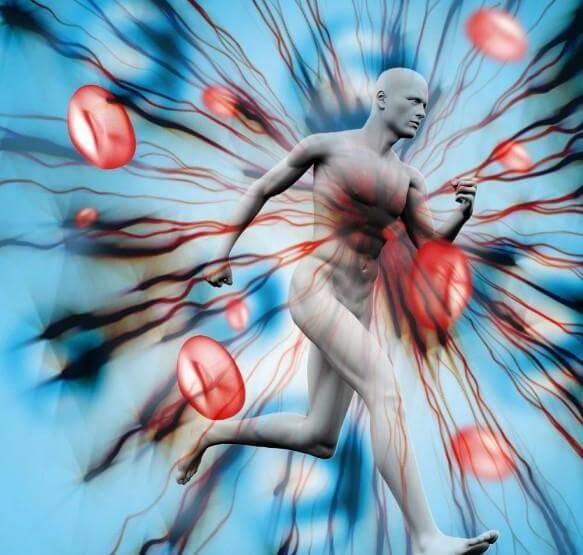
Help Detox Heavy Metals
Magnesium from an Epsom salt bath may bind to heavy metals like arsenic, lead, and mercury, aiding in the detoxification of these toxins from the body.
Address Toenail Fungus
An Epsom salt foot soak or bath can be effective at killing fungi that cause toenail infections by disrupting their protective cell walls.

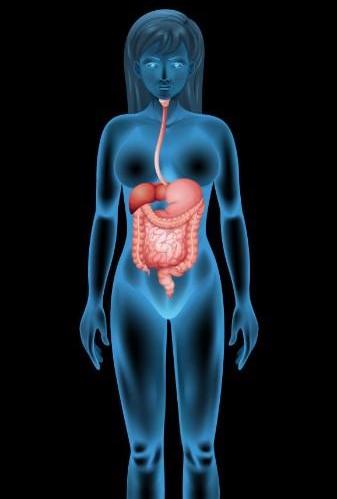
Create a More Efficient Digestive System
As magnesium plays a crucial role in digestion, taking an Epsom salt bath may encourage the proper functioning of the digestive system.
Reduce Swelling & Draw Out Toxic Impurities
The anti-inflammatory properties of magnesium sulfate present in the salts help reduce swelling while drawing out any toxic impurities from the body.

The procedure for after-salt-infused baths
Once you soak your feet for a minimum of 20 minutes, rinse them well afterward with warm water. Give each foot a soft massage with a natural moisturizer and some tea tree oil to keep the antibacterial effect going after your soak.
Organic Tea Tree Oil

Source: amazon.com
Australian tea tree (melaleuca) is the antibacterial/antifungal oil of choice for the post-soak massage. A drop or two mixed into a carrier oil after the bath keeps the antimicrobial work going.
Check Price On AmazonCan a person get too much magnesium sulfate or excess salt from an Epsom salt bath detox?
There is the potential for getting too much magnesium from Epsom salt baths, as the amount absorbed will depend on a person’s size and how often they take a bath. Taking more than the recommended dose can lead to an imbalance of electrolytes in the body, resulting in side effects such as:
- nausea
- muscle weakness
- fatigue
Additionally, people with kidney or heart problems should consult a doctor before taking an Epsom salt bath detox, as excess salt can be harmful to these conditions.
Epsom salt can help kill bacteria and improve your skin health
Epsom salt, also known as magnesium sulfate, is quickly becoming a go-to home remedy with various health benefits. Epsom salt has been found to reduce bacteria in wounds and has even been used to treat fungal skin infections.

In addition to fighting bacteria, soaking in a warm bath with Epsom salt can help soothe sore muscles, hydrate skin, and improve circulation.
When dissolved in a warm bath, Epsom salt releases beneficial minerals that can provide relief from inflammation and ease skin problems like psoriasis and eczema.

It can also help relieve muscle pain, reduce inflammation, and improve circulation
Epsom salt has a multitude of health benefits beyond just killing pesky bacteria. Soaking in it can help soothe away aches and pains by relaxing the muscles, reducing inflammation, and improving circulation.

The salt also:
It’s also an easy and inexpensive way to pamper yourself or someone you love – who wouldn’t want a therapeutic at-home spa experience?
Does Epsom salt expire?
Epsom salt does not necessarily expire due to its high pH level and lack of moisture, which makes it difficult for bacteria and fungi to grow. However, it may lose some of its potency over time, making it less effective as a home remedy or bath soak.
To ensure safety and optimum results when using Epsom salt, store the product in a cool, dry place away from sunlight and look for signs of deterioration, such as clumping or discoloration. Additionally, it is best to use Epsom salt within one year of purchase for the best results.
Concluding thoughts about killing bacteria and the wonders of Epsom salt in general
In conclusion, many health benefits come with using Epsom salt. It can help kill bacteria and improve the overall health of your skin, reduce inflammation and muscle pain, and increase circulation. Despite the varying opinions out there, it does work!
If you aren’t sure whether or not to give it a try, you may want to consult with your integrative doctor who likely knows how much Epsom salt can benefit the average person.
The good thing is that Epsom salt isn’t a drug, it is a naturally occurring mineral that is non-invasive and non-toxic, making it a safe item to try to see if it can work wonders for you too! With its myriad benefits for both physical and mental well-being, you’ll thank yourself for taking that chance!
More from thewellthieone.com
The links used on thewellthieone.com are affiliate links, which may provide a small commission. This does not increase the price of the goods for the consumer whatsoever. What it does is ensure that useful content like this can continue to be produced. Thank-you for enjoying our content and allowing us to continue to provide more.
Frequently asked questions
Does Epsom salt kill bacteria?
Not really — Epsom salt (magnesium sulfate) isn’t a disinfectant or antibiotic and won’t sterilize a wound. What a warm Epsom soak does is increase circulation and use osmosis to draw fluid out, which can ease swelling and help the body’s own healing. For an actual infection, you still need proper wound care or a doctor.
So why do Epsom soaks help with skin issues?
The warmth relaxes tissue and boosts blood flow, and the salty (hypertonic) water draws fluid outward — helpful for soothing irritation, easing a splinter out, or comforting a sore spot. It’s support, not sterilization.
Can Epsom salt soaks replace antibiotics?
No. If you have signs of infection — spreading redness, warmth, pus, red streaks, fever, or worsening pain — see a doctor. Soaking is comfort care alongside proper treatment, not a substitute for it.
Is it safe to soak broken skin in Epsom salt?
A clean, mild soak can be soothing, but broken or infected skin needs careful, clean handling and sometimes medical care. If you have diabetes or neuropathy, check with your doctor first.
This article is general education, not medical advice. Epsom soaks are comfort care; they do not treat infections, and magnesium absorbed through intact skin is minimal. Seek prompt care for spreading redness, red streaks, fever, severe pain, or a wound that won’t heal — and check with your doctor before soaking if you have diabetes, neuropathy, or open wounds.