

If you’re looking for a natural way to soothe your ingrown toenails, help is on the way! Epsom salt may be your secret weapon. This healing mineral can help reduce inflammation and pain, and is easy to find and use.
Here’s how Epsom salt will change your life for the better! But first, let’s take a look at some of the causes of sore toes caused by ingrown nails.
What’s the Right Epsom Soak for You?


A soak relaxes the moment — what’s draining you underneath?
7 potential causes of ingrown toenails
Are you ready to learn about the potential causes of ingrown toenails? From tight shoes, improper nail trimming, fungal infections and more, you may be surprised by what can put your toes at risk. Keep reading to discover the 7 most common causes of this uncomfortable foot condition.
- Poor circulation: Weak or poor circulation in the feet can cause the toenails to become more easily lodged into the skin, leading to an ingrown nail.
- Poor blood flow: Poor blood flow can impede proper nail growth and make it more likely that an ingrown nail will form.

- Weakened immune system: A weakened immune system can make it difficult for the body to fight fungal infections and other causes of ingrown nails.
- Not wearing comfortable shoes that fit properly: Shoes that don’t fit properly or don’t provide adequate support can increase friction between the toes and be a contributing factor for ingrown nails.
- Improperly trimmed nails: Toenails that are cut too short or in a curved, rather than straight line, can be more prone to ingrown toenails due to the increased pressure on the nail bed.
- Trauma: An injury to the toe such as stubbing it against something or dropping heavy objects on it can cause an ingrown nail.
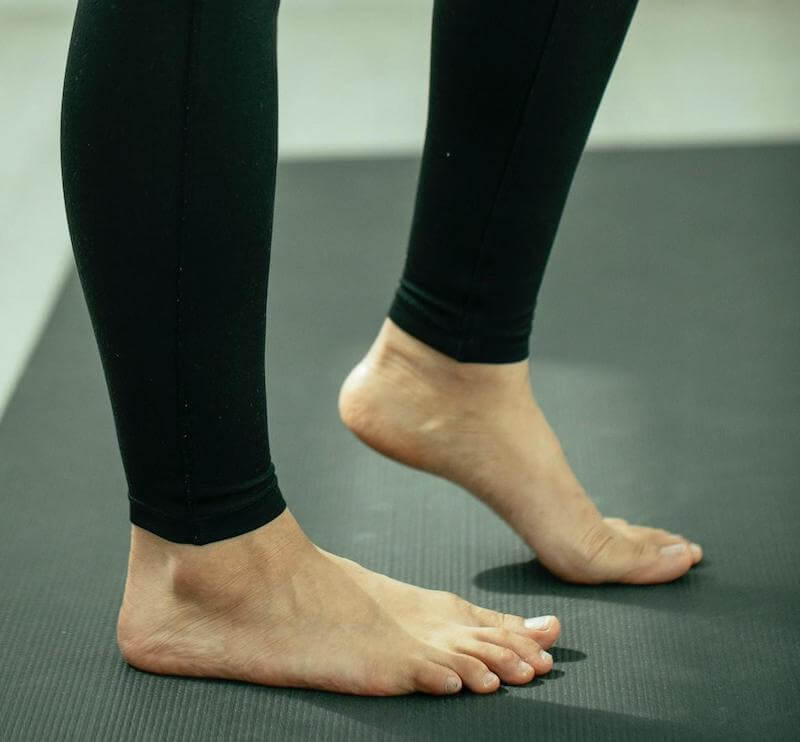
- Fungal infection: Certain fungal infections of the feet, such as athlete’s foot, can weaken the tissue around the nails and make them more likely to become lodged in their surrounding skin.
For treatment of ingrown toenails, your Western doctor may suggest-
A partial nail avulsion is a procedure used to treat an ingrown toenail. During the procedure, the doctor will remove part of the affected nail and its surrounding tissue.
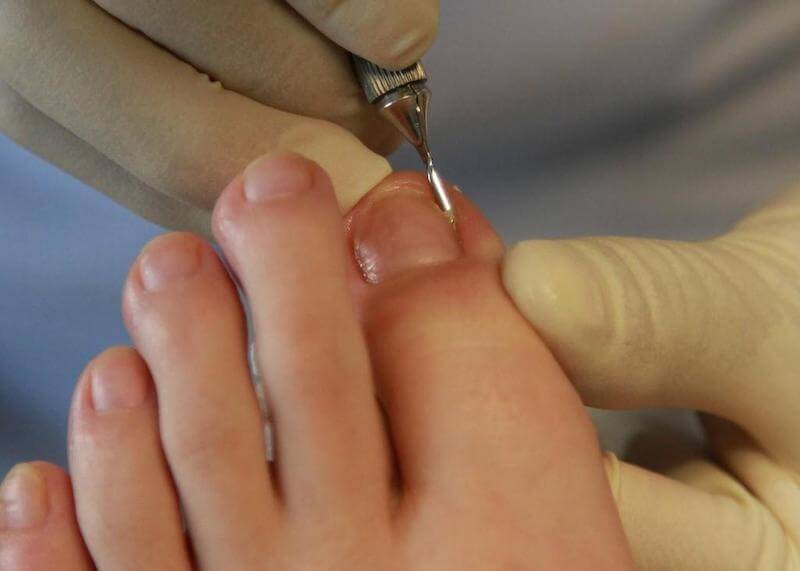
The removed section of nailbed can be replaced with special adhesive tape or cotton wool, which can help protect and cushion the toe, and discourage new nails from growing inwards.
No thanks to surgery, let’s try something less invasive!
If you are interested in preventing ingrown toenails more naturally, you are not alone!
Epsom salt can make treating ingrown toenails a walk in the park!
Most people in detox or chronic-symptom work eventually hit the same problem: the same symptoms — fatigue, brain fog, gut issues, poor sleep — can come from completely different root causes, and the wrong protocol can run for months before that becomes obvious. The 2-minute What's Draining Your Brain Tool sorts you into one of four toxic load types so the next thing you try has a real chance of actually working.
Epsom salt been used for centuries to help calm more serious health problems, so healing an affected toe is not a big deal.
Simply add some Epsom salts to a warm bath or foot soak and relax while these amazing benefits take effect. This miracle mineral is an indispensable part of any home-remedy health kit.
It can also help draw out infection and speed up the healing process.
Where can I find high quality Epsom salt?
Epsom salt can be found at your local pharmacy, grocery store or online.
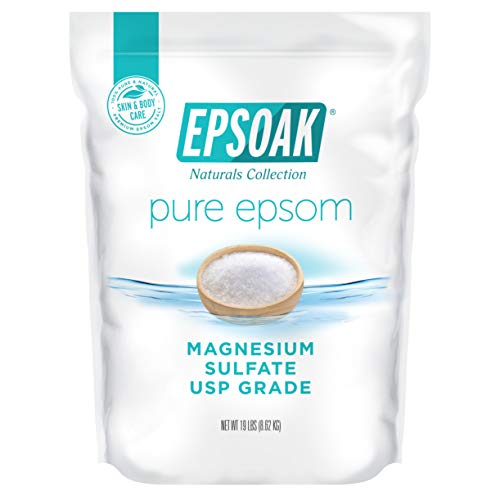
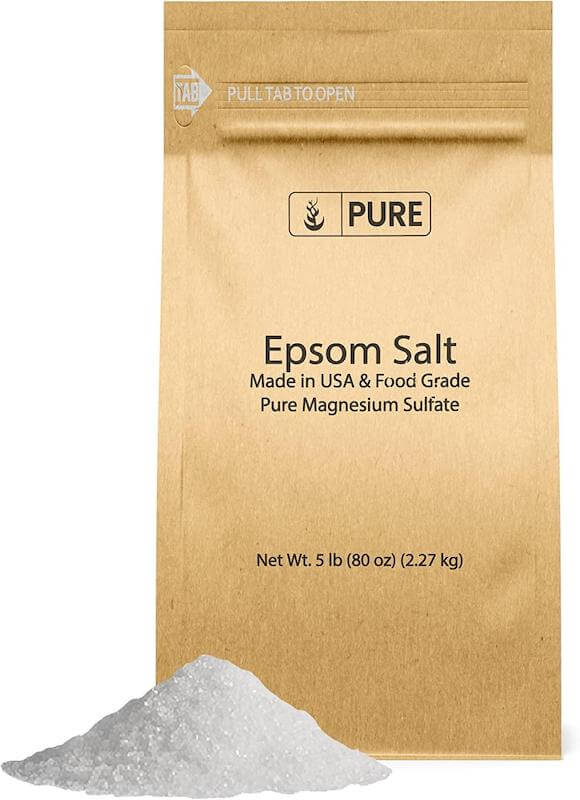
Pure Original Ingredients Epsom Salt
- 5 lb
- Pure Magnesium Sulfate
- Food Grade
- Soaking Solution
What the research actually says about Epsom soaks
Epsom salt is magnesium sulfate, and the real science is more interesting than the hype. Based on articles retrieved from PubMed:
Warm soaks really do warm you and boost circulation
In a crossover trial, a warm footbath (about 40°C for 20 minutes) significantly raised foot temperature and the distal skin-temperature gradient that helps the body relax and dissipate heat — the same shift linked to winding down for sleep (though this small study didn’t measure a change in sleep itself) (Liao et al., International Journal of Nursing Studies 2013; DOI: 10.1016/j.ijnurstu.2013.04.006). That warmth-and-circulation effect is a big part of why a soak feels so good.
Magnesium barely crosses intact skin
This is the myth-buster: in lab testing, magnesium sulfate passed through intact skin very slowly — only when the skin barrier was deliberately disrupted did absorption jump roughly 33-fold (Ghimirey & Ita, Current Drug Delivery 2020; DOI: 10.2174/1567201817666191217093936). So an Epsom bath is unlikely to meaningfully “top up” your magnesium. Its real value is the warm water, the gentle osmosis, and the relaxing ritual — all genuinely worthwhile.

Why a soak alone isn’t enough
Directions for an Epsom salt foot soak
Just dissolve 1/2 cup of Epsom salt in warm water and soak your feet for about 20 minutes, making sure that the toe with the ingrown nail is completely submerged.

After soaking, gently scrub around the edge of the nail with an old toothbrush to help release it from the skin.
Repeat this process once or twice a day until the ingrown toenail has healed completely. With regular use, you should see quicker results in promoting recovery and reducing pain and swelling.
Reducing inflammation from all over the body
Epsom salt is not just a luxurious bath additive, it can also be used to help with recovery and healing. Used as a compress, or soak for the affected foot. Soaking in Epsom salt and warm water for 20 minutes can:
- help draw out infection and speed up the healing process.
- magnesium sulfate present in Epsom salt helps reduce swelling
- relax muscles
- soothe aches
Be sure to keep the infected area clean, and use antibiotics or essential oils to inhibit bacteria growth while the infected or ingrown toenail is healing.
Repeat this process once or twice a day until the ingrown toenail has healed completely
8 ways to prevent ingrown toenails
1. Wear shoes that fit correctly and are wide enough to prevent your toes from touching the sides of the shoe.
2. Trim your toenails straight across and with sharp clippers or scissors, avoiding cutting them too short or into a curved shape.
3. Avoid staying in closed shoes for long periods of time or wearing tight hosiery as they put pressure on the toes and can cause ingrown toenails.
4. Keep your feet clean and dry, especially between your toes, washing them regularly and drying thoroughly afterwards.

5. Soak your feet in warm salt water for 10 minutes a day to reduce inflammation and infection around the nail bed.
6. Gently massage coconut oil around the affected area before bed.
7. Don’t pick at your toes or attempt to dig out ingrown nails with tweezers as this can worsen inflammation and cause damage or infection in the nail bed area..
8. Use antiseptic solutions such as tea tree oil, lavender oil, apple cider vinegar solution or lemon juice diluted with water to reduce infection risk if an ingrown toe is present, however be sure not to use these directly onto the skin without diluting first as it may cause irritation.
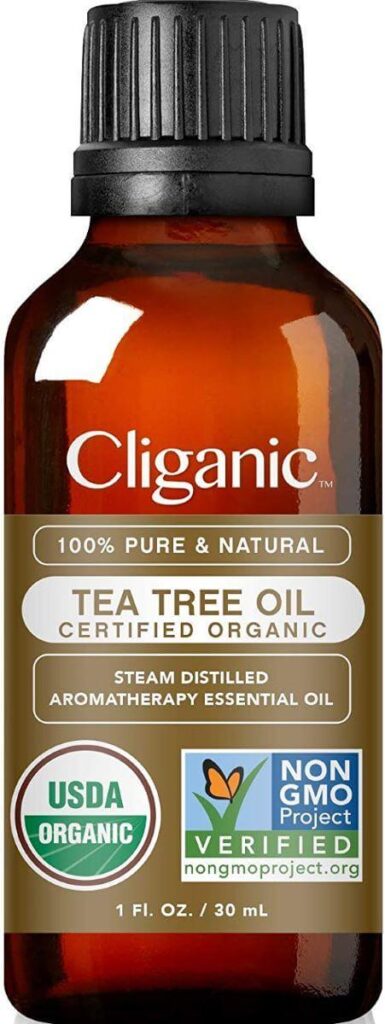
Tea tree oil is a great way to avoid infection. It is antibacterial, antifungal and antiviral. Always choose organic essential oils to avoid any unwanted toxins.
Cliganic Organic Tea Tree Essential Oil, 100% Pure Natural
Concluding thoughts about Epsom salt and ingrown toenails
A daily practice of soaking your feet in Epsom salt has numerous health benefits. Not only does it provide relief for an ingrown toenail, but it can also:
- help draw out infection
- improve skin tone and texture
- reduce pain and inflammation from frequent exercise
- soothe muscle tension.
Taking the needed precautions before and after treatment – such as drying off feet thoroughly after a soak and applying an antibiotic ointment or essential oil to the affected area – is always advised. We hope you feel better soon!
More from thewellthieone.com
The links used on thewellthieone.com are affiliate links, which may provide a small commission. This does not increase the price of the goods for the consumer whatsoever. What it does is ensure that useful content like this can continue to be produced. Thank-you for enjoying our content and allowing us to continue to provide more.
Frequently asked questions
How does Epsom salt help an ingrown toenail?
Warm Epsom soaks soften the skin and nail and use osmosis to ease swelling and pressure around the ingrown edge, which relieves pain and can help the nail grow out without digging in. It’s comfort and softening — not a cure for a deeply embedded or infected nail.
How often should you soak an ingrown toenail?
Soak 15–20 minutes, 2–3 times a day, in warm water with about 2–3 tablespoons of Epsom salt (or ½ cup in a basin). After soaking, gently dry, and avoid cutting the nail too short or rounding the corners.
When does an ingrown toenail need a doctor?
See a professional if there’s pus, spreading redness, throbbing pain, fever, or it keeps coming back — and especially if you have diabetes or poor circulation, where foot infections are riskier. Don’t dig the nail out yourself.
How do you prevent ingrown toenails?
Cut nails straight across (not rounded), don’t cut them too short, wear shoes with room in the toe box, and keep feet clean and dry. Regular gentle care goes a long way.
This article is general education, not medical advice. Epsom soaks are comfort care; they do not treat infections, and magnesium absorbed through intact skin is minimal. Seek prompt care for spreading redness, red streaks, fever, severe pain, or a wound that won’t heal — and check with your doctor before soaking if you have diabetes, neuropathy, or open wounds.


