
Cats are notoriously picky drinkers, and dehydration is a silent threat to their health. Many cat owners struggle to encourage their feline friends to drink enough water, leading to kidney disease, urinary tract infections, and other serious complications. This guide reveals proven strategies to increase your cat’s water intake and protect their long-term wellness.
Unlike dogs, cats don’t naturally seek out water sources. In the wild, cats obtain most moisture from their prey. Domesticated cats often rely on the same instinct, which can leave them chronically dehydrated. Understanding why your cat drinks less and implementing targeted hydration solutions can make a dramatic difference in their health and lifespan.
Key Takeaways
- Most cats require 10ml of water per kilogram of body weight daily; a 4kg cat needs 40ml minimum
- Cat water fountains increase drinking frequency by providing moving, oxygenated water
- Switching to wet food or adding water/broth to dry kibble boosts hydration dramatically
- Placement matters: keep water bowls away from food, litter boxes, and high-traffic areas
- Multiple water sources throughout the home encourage more frequent drinking
- Regular vet check-ups monitor kidney function and hydration levels
What you will learn in this video:
- Six practical methods to boost your cat’s daily water intake
- How to troubleshoot common hydration issues at home
- Warning signs that your cat may be dehydrated
- Why feline kidney disease is linked to poor hydration and how to prevent it
Why Cats Drink Less Water Than Dogs
Natural Hunting Instincts and Moisture from Prey
In their natural habitat, wild cats obtain 70 to 80 percent of their daily water from fresh prey. Mice, birds, and small mammals contain significant moisture. Domesticated cats inherit this instinct but lack access to moisture-rich prey. They evolved to conserve water, making them efficient drinkers but inadequate ones in modern homes.
This evolutionary adaptation becomes dangerous when combined with processed dry kibble. Kibble provides minimal moisture, often just 5 to 10 percent water content. Without supplementing water intake, indoor cats face chronic dehydration that silently damages their kidneys and urinary system.
Taste Sensitivity and Water Quality Preferences
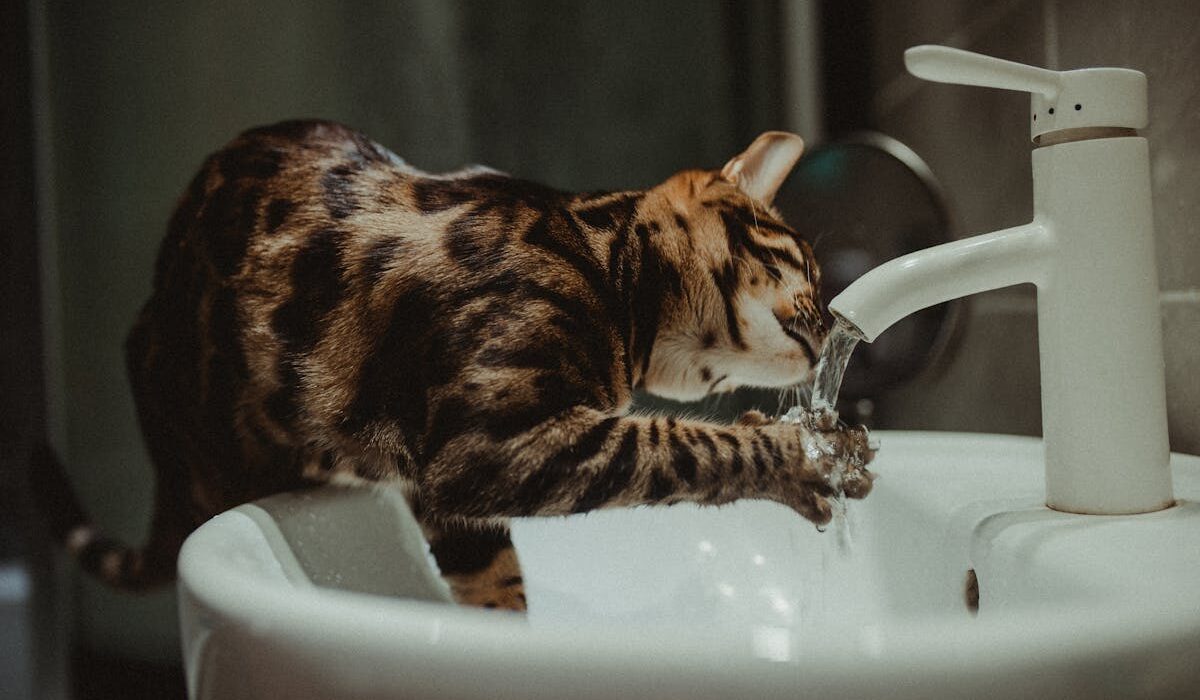
Cats are incredibly sensitive to taste and smell. They can detect chlorine in tap water and will avoid bowls with standing, stale water. Many cats prefer running water because it signals freshness and safety. This explains why some cats obsessively drink from faucets or toilet bowls rather than stationary water dishes.
How to Get Your Cat to Drink More Water: 6 Proven Methods
1. Invest in a Cat Water Fountain
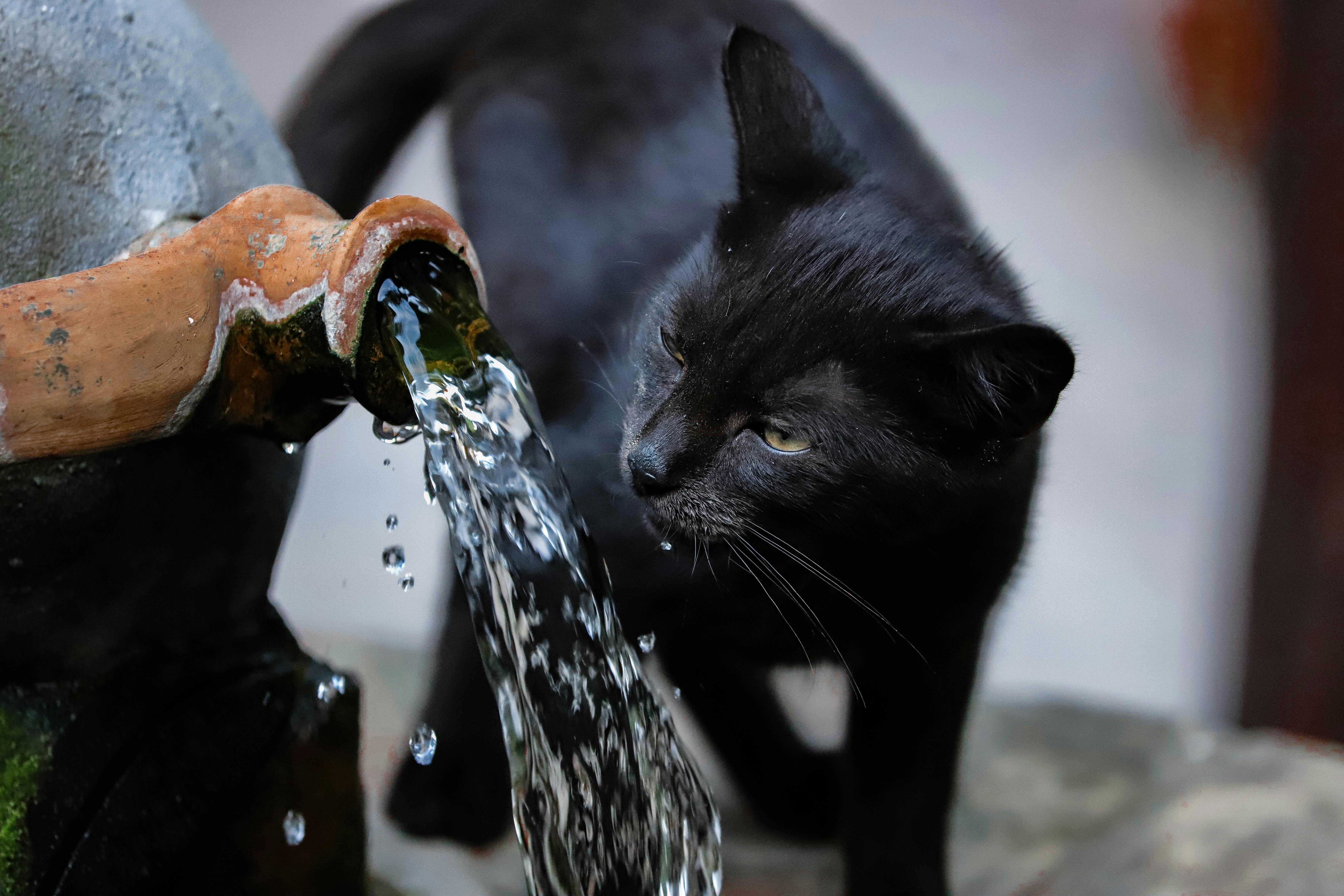
Water fountains are one of the most effective solutions for increasing feline hydration. The flowing water appeals to a cat’s natural instinct to drink from moving sources. Fountains also keep water oxygenated and fresh, preventing the stale taste cats dislike.

PETLIBRO Upgrade Cat Water Fountain Stainless Steel Tray
This premium fountain features a stainless steel tray, 3L capacity, and app-enabled monitoring via 5G WiFi. The Dockstream 2 design includes an ultra-quiet pump and multi-level water flow to capture feline interest.
The Wellthie One Review
The PETLIBRO fountain stands out for its dual-stream design that appeals to cats’ natural hunting behavior while drinking. The stainless steel tray prevents bacterial growth that accumulates in plastic bowls. Users report cats increasing water intake by 30 to 50 percent within one week of setup.
- 3-liter capacity reduces refill frequency
- Whisper-quiet 23dB pump won’t startle sensitive cats
- WiFi monitoring tracks your cat’s drinking patterns
- Easy-clean stainless steel and dishwasher-safe parts
2. Switch to Wet Food or Add Moisture to Dry Kibble
Wet food can be transformative for hydration. A single serving of wet food contains 70 to 80 percent water compared to dry kibble’s 10 percent. Mixing water or low-sodium broth with dry kibble makes it more palatable and significantly increases water intake.
Many cat owners transition gradually by mixing wet and dry food. Start with a 25 percent wet, 75 percent dry ratio and slowly increase the wet proportion over one to two weeks. This approach reduces digestive upset while boosting hydration naturally.
3. Add Low-Sodium Broth or Tuna Water to Dry Food
Cats find flavor-enhanced water irresistible. Low-sodium chicken or beef broth, or water from canned tuna packed in water, dramatically improves palatability. Drizzle a small amount over kibble to create a gravy-like consistency. Many cats who ignore plain water eagerly consume broth-enhanced meals.
Always use unsalted broth and avoid any with onion or garlic, which are toxic to cats. Some cats will even drink plain broth from a shallow bowl, providing extra hydration between meals.
4. Use Ceramic or Glass Water Bowls
Plastic bowls retain odors and can harbor bacteria that cats detect and avoid. Ceramic and glass bowls stay fresher longer and are easier to keep clean. Many cats demonstrate a clear preference for ceramic, especially white or neutral-colored bowls where they can see the water clearly.

MISFANS Ceramic Cat Water Fountain
This all-ceramic fountain features a pure copper water spout and 2.1-liter capacity. The non-toxic ceramic body with ultra-quiet pump creates an elegant, vet-recommended hydration solution that blends seamlessly with home decor.
The Wellthie One Review
The MISFANS ceramic fountain addresses water quality concerns better than plastic alternatives. The all-ceramic design prevents chemical leaching and maintains water purity longer. The pure copper spout is antimicrobial, naturally inhibiting bacterial growth that attracts feline attention.
- All-ceramic, BPA-free, and completely non-toxic
- Pure copper spout with antimicrobial properties
- Whisper-quiet pump suitable for sensitive cats
- 2.1-liter capacity with 3-piece filter system included
5. Place Multiple Water Bowls Throughout Your Home
Cats drink more frequently when water sources are conveniently located. The rule of thumb is one water bowl per cat plus one extra, spread across different areas. Bathroom sinks, bedrooms, hallways, and near the front door each become hydration opportunities.
Keeping water away from food and litter boxes is critical. Cats naturally avoid drinking near elimination areas, as this mirrors wild instincts to prevent contamination. A water bowl in the kitchen near the food bowl actually discourages drinking, so place it at least five to six feet away.
6. Refresh Water Bowls Frequently and Use Filtered Water
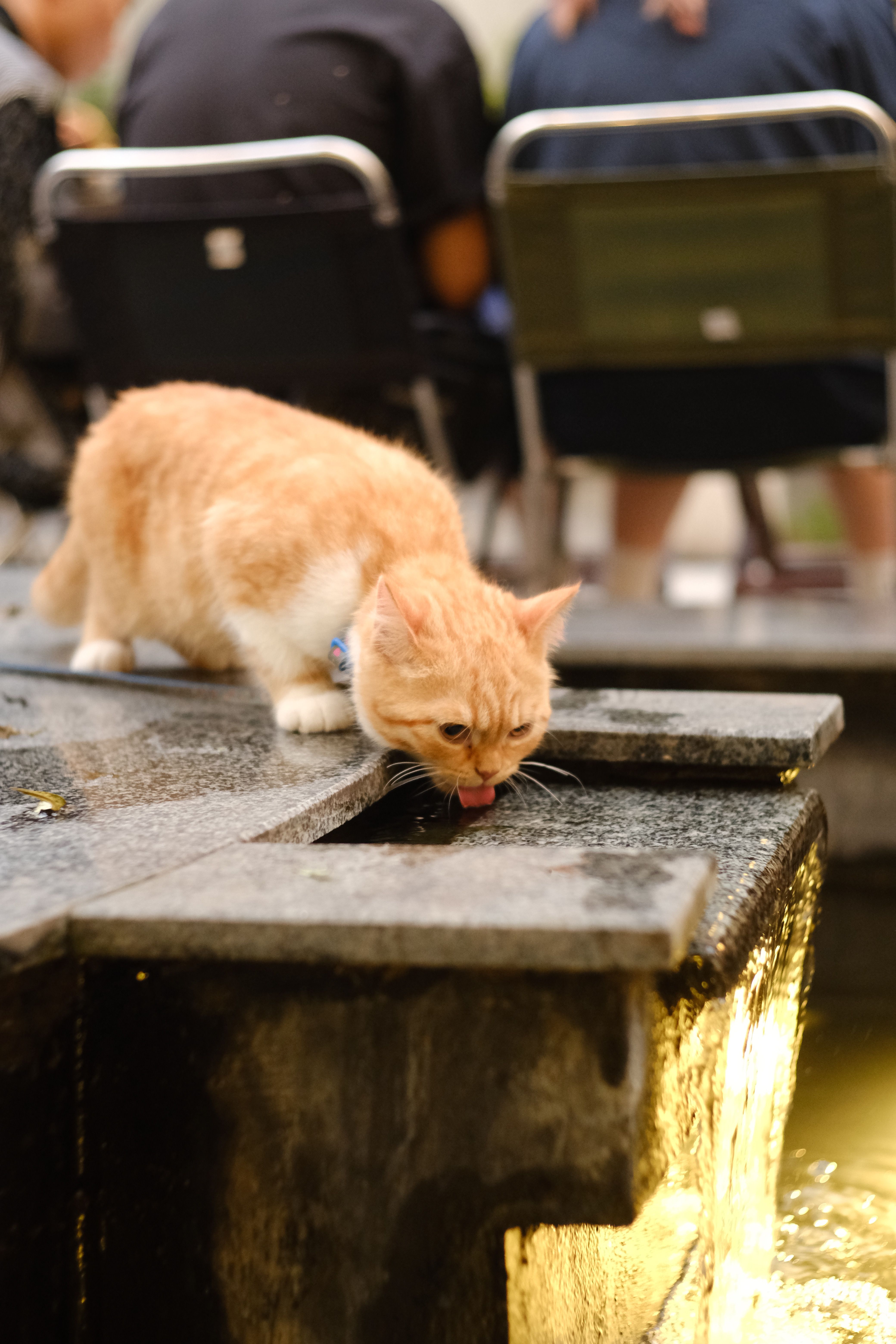
Standing water becomes stale and accumulates dust, hair, and bacteria within hours. Refresh all water bowls at least twice daily, ideally more often. Use filtered water to remove chlorine and other chemicals cats detect and dislike.
Many cat owners notice their cats drink significantly more when given filtered or bottled water instead of tap water. The taste difference is subtle to humans but noticeable to feline palates. Consider keeping a water pitcher or filter specifically for your cat’s bowls.
Recognizing and Preventing Feline Dehydration
Warning Signs of Dehydration
Early dehydration detection prevents serious kidney disease and urinary complications. Check your cat regularly for these warning signs: skin loses elasticity when gently pulled, gums appear dry and sticky, eyes appear sunken, urine becomes dark yellow or amber, and behavior becomes lethargic or withdrawn.
A simple skin test checks hydration: gently pull the skin on the back of your cat’s neck. In hydrated cats, skin snaps back immediately. In dehydrated cats, the skin returns slowly or remains tented. If you notice this sign, contact your veterinarian promptly.
Connection Between Hydration and Kidney Health
Chronic kidney disease affects one in three senior cats and is directly linked to lifelong dehydration. Adequate water intake helps kidneys flush toxins and maintain proper function. Cats that drink insufficient water develop concentrated urine that damages kidney tissue over time. Adding bone broth to your cat’s diet can provide both hydration and joint support, though some veterinarians recommend tailoring supplements specifically to feline needs.
Senior cats, cats with kidney disease, and diabetic cats require special attention to hydration. These populations benefit most from wet food diets, fountains, and consistent water bowl management. Regular blood work and urinalysis monitor kidney function and guide dietary adjustments.
Age-Specific Hydration Strategies
Kittens and Young Cats (Under 5 Years)
Young cats are less motivated to drink but establishing good hydration habits early prevents future problems. Fountains appeal to playful kittens who are curious about movement and novelty. Multi-level fountains with flowing water streams engage their hunting instincts while they drink.
Senior Cats (Over 10 Years)
Older cats often develop preferences for specific bowl types and placements. Senior cats may have arthritis or mobility issues that make reaching distant water sources difficult. Place water bowls at comfortable heights on non-slip surfaces. Some senior cats prefer bowls on ramps or elevated platforms that reduce neck strain.
Senior cats also benefit from wet food, which provides both nutrition and hydration in a single meal. Many senior formulas are specifically designed for kidney support and may help extend quality of life.
The Role of Nutrition in Hydration
Wet vs. Dry Food: Making the Right Choice
Cats have different nutritional needs than dogs, and diet significantly impacts hydration. A moisture-rich diet naturally increases water intake without forcing consumption. Some veterinarians recommend feeding 50 percent wet food and 50 percent dry kibble as a compromise that maintains variety while boosting hydration.
Prescription kidney diet foods are often available in wet formats for cats with diagnosed kidney disease. These formulas are specifically balanced to support failing kidneys while encouraging adequate fluid intake.
Premium Wet Food for Enhanced Hydration
High-quality wet foods provide superior hydration compared to economy brands. Premium formulas use real meat and natural ingredients with minimal fillers, making them more palatable and nutrient-dense. Many cats find premium wet food more appealing than budget alternatives, leading to increased consumption naturally.

Optimeal Wet Cat Food Variety Pack
This premium grain-free wet food features natural European ingredients with high moisture content (typically 75-80%). The 12-pack variety offers different protein flavors to prevent appetite boredom while maintaining consistent hydration support.
The Wellthie One Review
Optimeal stands out for ingredient quality and cats’ acceptance rates. The high-protein formulation supports muscle maintenance while the high moisture content ensures cats get both nutrition and hydration in single meals. Many cat owners report their picky eaters finishing Optimeal pouches completely, suggesting excellent palatability.
- Grain-free formulation supports digestive health
- High protein content (11-12% per pouch) maintains muscle mass
- Variety pack prevents food boredom
- 3-ounce pouches allow portion control for weight management
Working With Your Veterinarian on Hydration Goals
Monitoring Kidney Function
Annual bloodwork for adult cats and bi-annual testing for senior cats reveals early kidney problems. Blood creatinine and BUN levels indicate kidney function. Urinalysis checks for urinary tract infections and kidney stress. These tests establish baseline health and guide dietary interventions.
Prescription Diet Options
Cats with diagnosed chronic kidney disease may require prescription diets formulated to minimize kidney workload while maintaining nutrition. Many therapeutic kidney diets come in wet formats specifically designed to maximize hydration. Your veterinarian can recommend the best option for your cat’s specific condition and lifestyle.
Quick Action Plan: Starting Today
Transform your cat’s hydration in seven days. Commit to one change immediately: add a water fountain to the most-used room in your home. On day two, place an additional water bowl in a different area. Day three, refresh all water bowls with filtered water. Day four, introduce wet food or add broth to dry kibble. Day five, clean all bowls thoroughly with hot water to remove odor-causing buildup. Day six, add a third water bowl in another strategic location. Day seven, observe changes in your cat’s drinking frequency and energy levels.
Most cat owners notice improvement within days when implementing these strategies. Cats that previously ignored water bowls often approach fountains with curiosity and begin drinking more consistently. Energy levels often improve as hydration increases, and long-term kidney health begins benefiting immediately.
Worried about stress contributing to dehydration? Our guide on natural calming supplements for anxious pets has gentle strategies many cat owners find helpful too.
Affiliate Disclosure: TheWellthieOne includes affiliate links to Amazon products. As an Amazon Associate, we earn from qualifying purchases. This does not affect pricing or product selection. We recommend products based on quality, user reviews, and veterinary consensus about pet wellness. Our recommendations help support our continued work providing pet health information.


