
If you spend long hours in front of a screen, your eyes probably feel tired by evening. You might notice blurry vision, dry sensations, or trouble focusing on small print. Many people are looking for natural ways to support healthy vision without taking yet another pill. This is where bilberry for eye health enters the conversation.
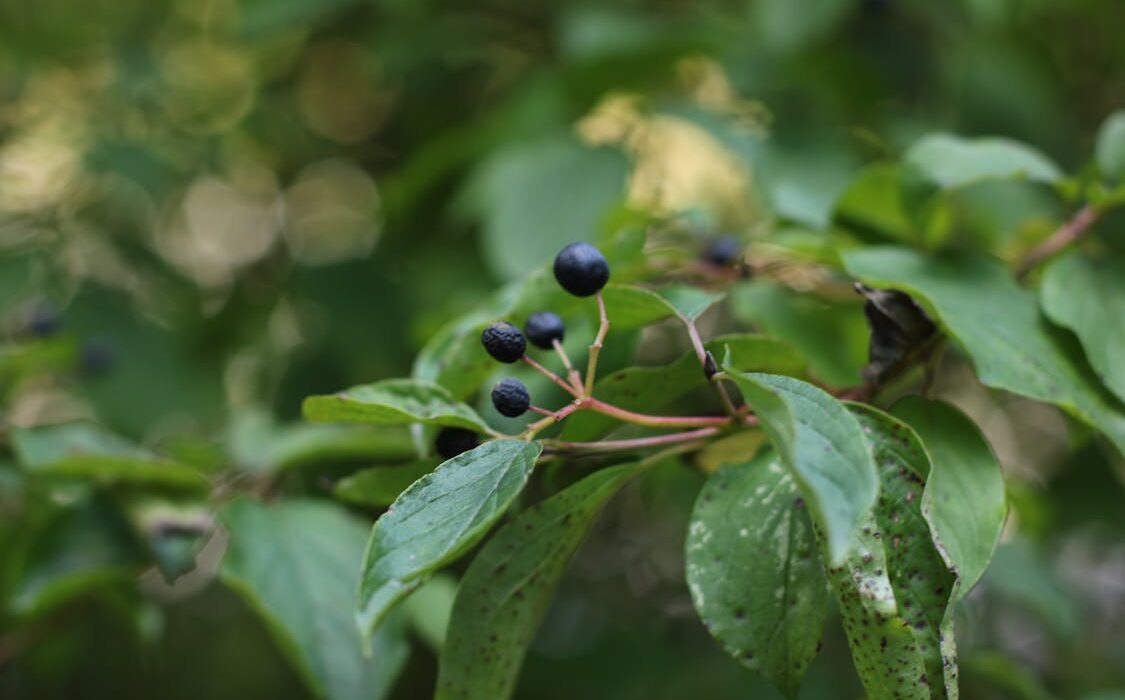
Bilberry is a small, dark blue berry that grows wild in northern Europe. It looks a lot like a blueberry, but it is more concentrated in the antioxidants that researchers connect to eye support. People have used bilberry for centuries, and modern studies are starting to back up some of those traditional uses. We will walk you through what bilberry actually does, how to take it, and which supplements stand out.
Key Takeaways
- Bilberry is rich in anthocyanins, plant compounds linked to healthy circulation in the tiny blood vessels of the eye.
- Studies suggest bilberry for eye health may help with eye fatigue, night vision support, and screen-related tired eyes.
- Most adults take 80 to 160 mg of standardized bilberry extract per day with a meal.
- Bilberry pairs well with lutein, zeaxanthin, and omega-3s in a complete vision support routine.
What Bilberry Is and Why It Matters for Vision
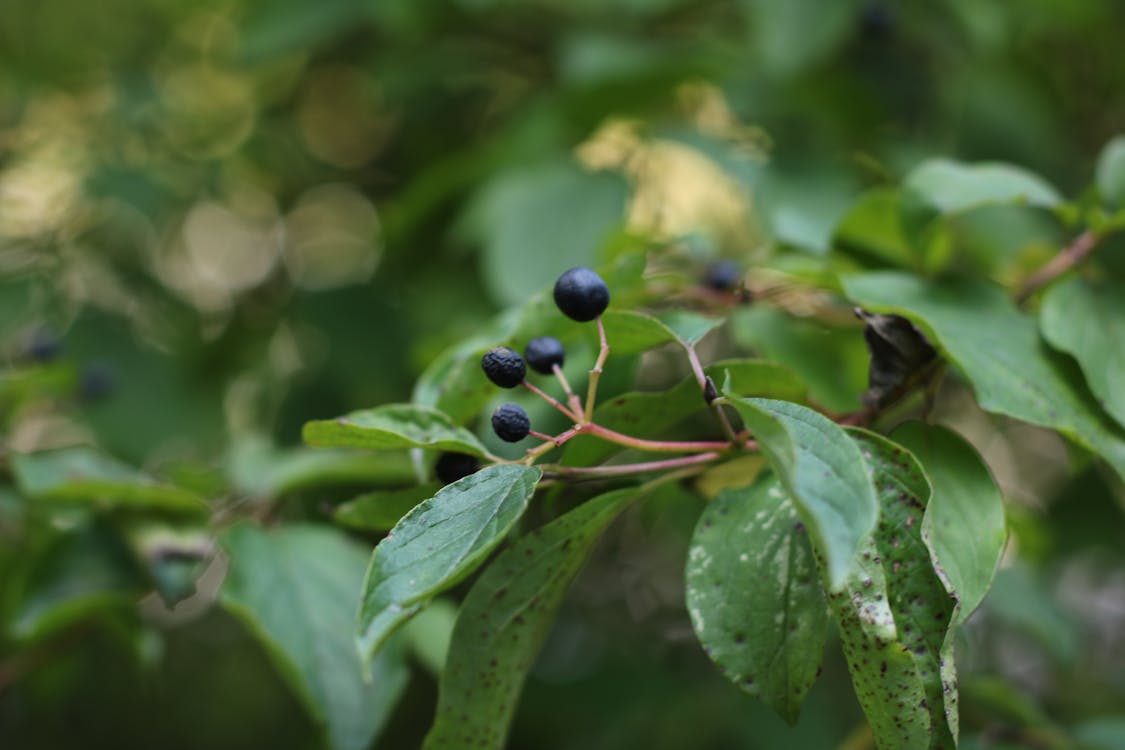
Bilberry comes from the Vaccinium myrtillus plant. It is closely related to the blueberry but grows wild in mountain forests. The deep purple color is the giveaway. That color comes from anthocyanins, the same family of antioxidants found in blackberries, elderberries, and red cabbage.
Anthocyanins are the main reason researchers study bilberry for eye health. These compounds appear to support the small blood vessels behind the retina. Healthy circulation in the eye matters because the retina uses a lot of oxygen to keep your vision sharp. When circulation is sluggish, your eyes can feel tired faster.
British pilots in World War II reportedly ate bilberry jam before night missions. They believed it sharpened their night vision. Modern research is mixed on the night vision claim, but interest in bilberry has only grown since then.
What you will learn in this video:
- How bilberry anthocyanins are believed to support tiny eye blood vessels.
- The standardized extract dosage Dr. Meschino prefers for vision support.
- The link between bilberry and reduced eye fatigue from screen time.
- Why this berry has stayed in supplement aisles for so many decades.
How Bilberry for Eye Health Actually Works
The cells in your retina need a steady supply of nutrients. Bilberry seems to help that delivery in a few ways. First, anthocyanins are strong antioxidants. They help the body manage oxidative stress in eye tissues. Second, animal and small human studies suggest bilberry may support healthy capillary tone. That means your tiniest blood vessels stay flexible and responsive.
Some studies have looked at bilberry and visual recovery after bright light exposure. A 2015 review in Nutrients reported that bilberry extract appeared to ease eye fatigue in people who used computers for long stretches. The effect was modest, not dramatic. Still, that is meaningful for anyone who finishes the workday with sore, tired eyes.

Bilberry is often paired with lutein and zeaxanthin for a fuller vision stack. Lutein and zeaxanthin sit in the macula and filter blue light. Bilberry contributes circulation and antioxidant support. The two angles work side by side rather than overlapping. If you also drink plenty of water and step away from screens often, that combo can really add up over months.
Bilberry for Screen Fatigue and Tired Eyes
Most of us live with screens. Phones, laptops, monitors, and tablets fill the day. By dinner, your eyes can feel scratchy or strained. This pattern shows up so often that doctors gave it a name: digital eye strain.
Smaller human trials have explored bilberry for eye health in this exact group. In one Japanese study, office workers who took bilberry extract for several weeks reported less eye pulling and pressure during long screen sessions. Results were not life changing, but they were measurable.

If your eyes feel exhausted from screens, bilberry alone may not solve the problem. The basics still matter most. Take regular breaks using the 20-20-20 rule. Look at something 20 feet away for 20 seconds every 20 minutes. Adjust your monitor brightness and use warm light at night. Bilberry can sit on top of those habits as a quiet daily helper.
One Standardized Bilberry Option Worth Trying
If you want a research-grade bilberry supplement, this one is a popular choice. It uses the MirtoSelect extract, which is the form most often referenced in published trials.
Life Extension Standardized European Bilberry Extract

Source: amazon.com
100 mg MirtoSelect Vaccinium myrtillus, 90 vegetarian capsules, gluten-free and non-GMO.
The Wellthie One Review
We like that this product uses MirtoSelect, a clinically referenced extract from Italy. The 100 mg daily dose lines up with much of the research on bilberry for eye health. Capsules are small and easy to swallow. People who finish the bottle often say their eyes feel a bit fresher in the evening, especially during long workdays at a computer.
Life Extension Bilberry Attributes
- Standardized to MirtoSelect bilberry extract for consistent anthocyanin content.
- One small capsule per day with food keeps the routine simple.
- Made without gluten, GMOs, or animal ingredients.
- Trusted brand with third-party testing and clear labeling.
How to Take Bilberry for Eye Health
Most studies use 80 to 160 mg of standardized bilberry extract per day. That works out to one or two small capsules. Take it with a meal that contains a little fat. Anthocyanins absorb better with fat, so a handful of nuts or a piece of avocado helps.
Many people take bilberry in the morning so it lines up with their first stretch of screen time. Others split the dose, taking one capsule in the morning and one at midday. Both schedules are fine. Pick the one you can stick with for at least eight to twelve weeks. Bilberry is a slow builder, not a fast fix.
Who Should Be Cautious
Bilberry is well tolerated for most adults. There are still a few situations where you should check with a doctor first. People on blood thinners should ask their provider, since bilberry may have a mild blood-thinning effect. People scheduled for surgery sometimes pause it two weeks before. Anyone managing diabetes should mention it too, since bilberry may slightly nudge blood sugar.
What to Look for in a Bilberry Supplement
Quality varies a lot in the bilberry aisle. Some products are mostly powdered fruit with little active extract. Others are concentrated and standardized. Here is a simple checklist to help you sort the good from the filler.
- Standardized extract: Look for 25 percent anthocyanins on the label.
- Real Vaccinium myrtillus: Some cheaper products use other Vaccinium species.
- Third-party testing: Brands that test for purity tend to be more reliable.
- Reasonable dose: 80 to 160 mg per serving is a sensible range.
- Clean capsules: Vegetarian capsules and few fillers are a plus.

An Organic Bilberry Option for Plant-Based Eaters
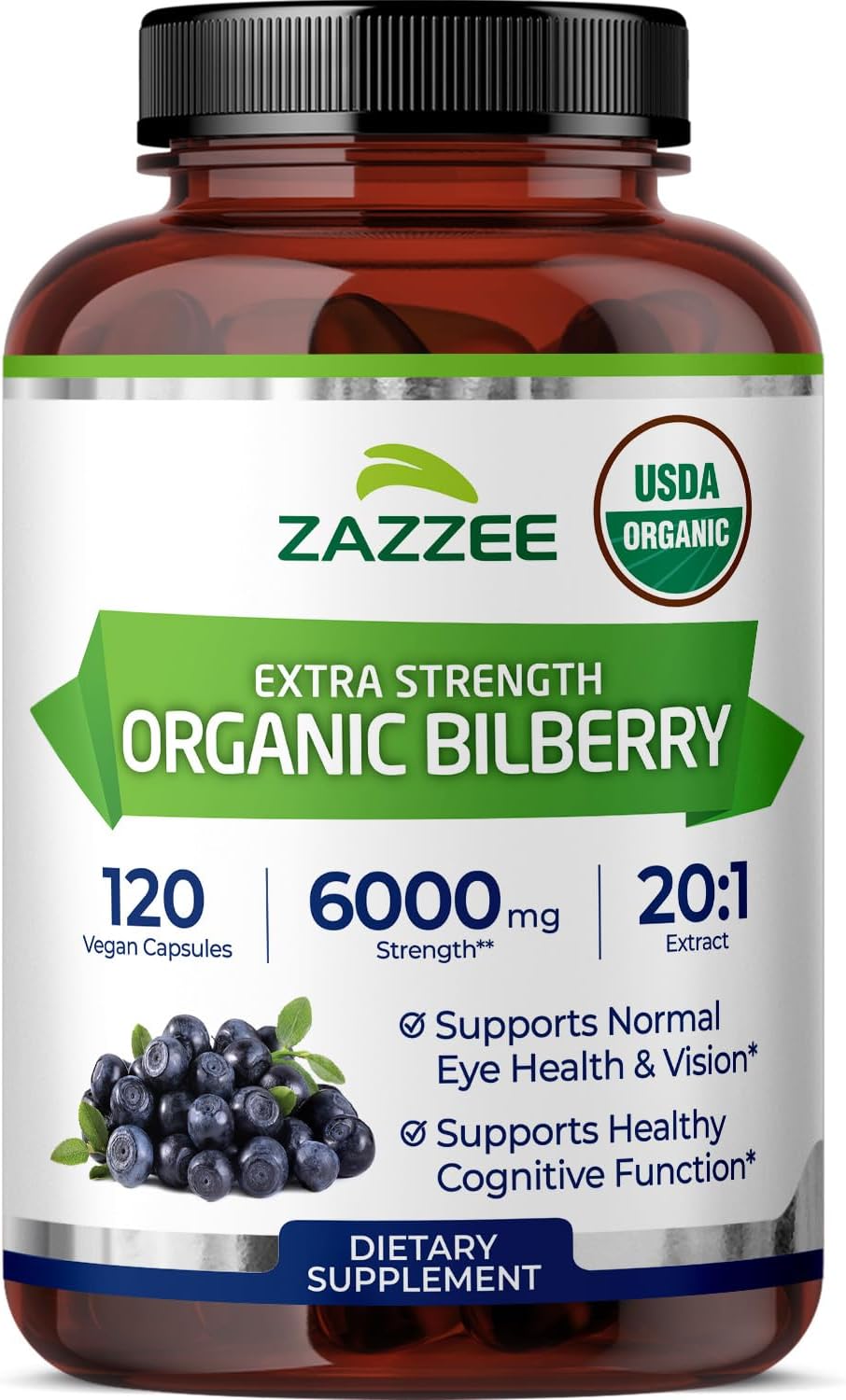
If you want an organic, plant-friendly version of bilberry for eye health, this one is a strong pick. It uses a 20:1 extract ratio, so each capsule packs the equivalent of a much larger amount of fresh fruit.
Zazzee USDA Organic Bilberry 20:1 Extract
Source: amazon.com
120 vegan capsules, USDA Organic, four month supply, made in the USA.
The Wellthie One Review
Zazzee earned a place on our list because it carries a USDA Organic seal and uses a clean 20:1 ratio. That ratio means each capsule represents twenty parts fresh fruit reduced to one part extract. The bottle lasts roughly four months at one capsule per day, which makes it a good value. Reviewers often mention how clean the formula feels with no synthetic fillers.
Zazzee Organic Bilberry Attributes
- USDA Organic certification on the bilberry source.
- 20:1 concentrated extract for a strong daily dose.
- Vegan capsules with no gluten, soy, or dairy.
- 120 capsules per bottle, a four month supply.
Foods That Support Bilberry for Eye Health
Bilberry shines brightest as part of a wider eye-friendly diet. Pair your supplement with a few colorful foods each day. Leafy greens like kale and spinach bring lutein. Egg yolks add zeaxanthin. Salmon, sardines, and walnuts provide omega-3 fats that the retina relies on.

Hydration matters too. The lens of the eye is mostly water. When you are dehydrated, dryness and irritation set in faster. Aim for steady water through the day. Many readers find that swapping their afternoon coffee for a glass of water plus a handful of berries makes a noticeable difference within a week.
If you want to cluster a few naturally calming habits together, our guide on how to lower cortisol naturally at home has gentle daily routines that pair well with vision support.
A Budget Friendly Bilberry Option
Not everyone wants to spend a lot on a daily supplement. If you simply want to try bilberry for eye health and see how your eyes respond, a basic capsule is fine. This budget pick is a familiar drugstore brand with a long track record.
Carlyle Bilberry Extract Capsules

Source: amazon.com
150 vegetarian capsules, non-GMO, gluten free, simple bilberry fruit supplement.
The Wellthie One Review
Carlyle is a no frills bilberry option. It is one of the most affordable bilberry supplements on Amazon. The dose is a bit lower than premium picks, so some readers take two capsules per day. We recommend this brand to people who are new to bilberry and want to test it for a couple of months before stepping up to a standardized extract.
Carlyle Bilberry Attributes
- 150 capsules per bottle for a long, low-cost supply.
- Vegetarian, non-GMO, and gluten free.
- Simple single-ingredient formula with no extra herbs.
- Backed by Carlyle, a trusted budget supplement brand.
Common Questions About Bilberry for Eye Health
How long does it take to feel a difference?
Most people give bilberry eight to twelve weeks before judging it. Anthocyanins build up gradually in tissues. A two week trial is rarely enough to notice anything meaningful.
Can I just eat blueberries instead?
Blueberries are healthy, but bilberries contain higher levels of anthocyanins. Wild bilberries are also seasonal and hard to find fresh in the United States. A standardized extract is more reliable for daily support.
Can I take bilberry with my multivitamin?
Yes, bilberry is generally safe alongside a multivitamin or a lutein and zeaxanthin product. Just spread doses through the day so absorption is steady.
Is bilberry safe long term?
Studies up to one year have not shown serious safety issues in healthy adults. As with any supplement, talk to your doctor if you have a medical condition or take prescription medications.
A Calm Daily Plan for Healthier Eyes
Bilberry for eye health works best as part of a steady routine. Pair one daily capsule with a colorful diet, plenty of water, and frequent screen breaks. Add lutein and zeaxanthin if you want a fuller stack. Keep a regular eye exam on the calendar with your eye doctor.
For most readers, bilberry is a quiet, gentle addition. It is not a miracle cure for vision problems. It is a small, ancient berry with a real research base. If you have been searching for a natural way to give your tired eyes a little more support, bilberry is well worth a calm, eight to twelve week trial.
This post may contain affiliate links, which means we may receive a small commission, at no cost to you, if you make a purchase through a link.


