
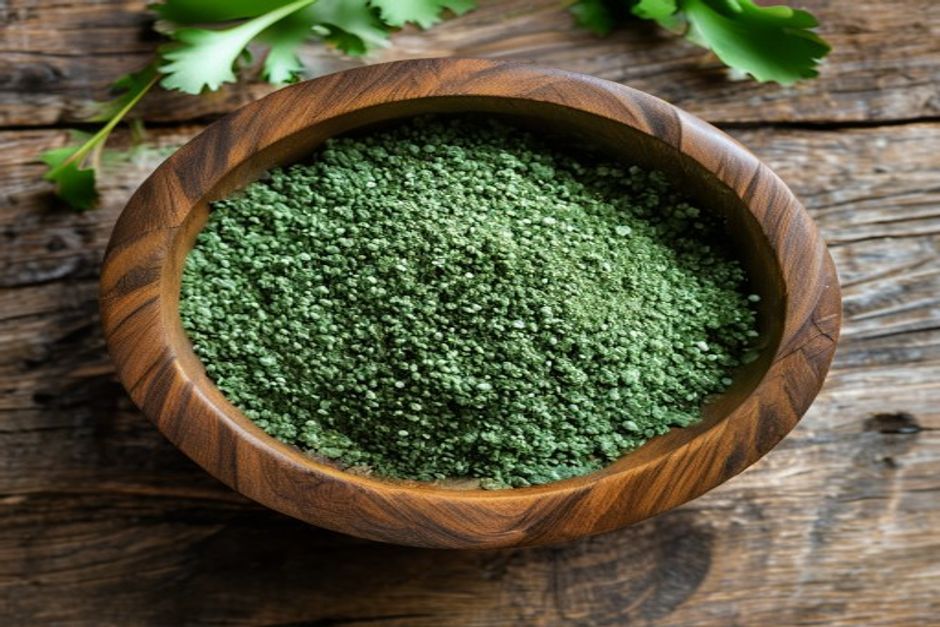
If you are weighing chlorella vs spirulina for heavy metals, the short answer is that chlorella binds heavier metals like mercury and lead, and spirulina supports the body around the cleanse with chlorophyll, antioxidants, and protein. They are not interchangeable, and the smartest detox protocols use them together with a clear job for each one. This guide breaks down which algae does what, how much to take, and the order most natural-health practitioners follow when they want a real result.
I started looking into algae after years of beach plastic, fillings, and processed food. The phrase “heavy metal load” is no longer fringe. It shows up in activated charcoal protocols, in cilantro pestos, and in every conversation about brain fog and fatigue that goes deeper than coffee. Algae sits at the center of that conversation for a reason.
Chlorella vs Spirulina for Heavy Metals: The Core Difference
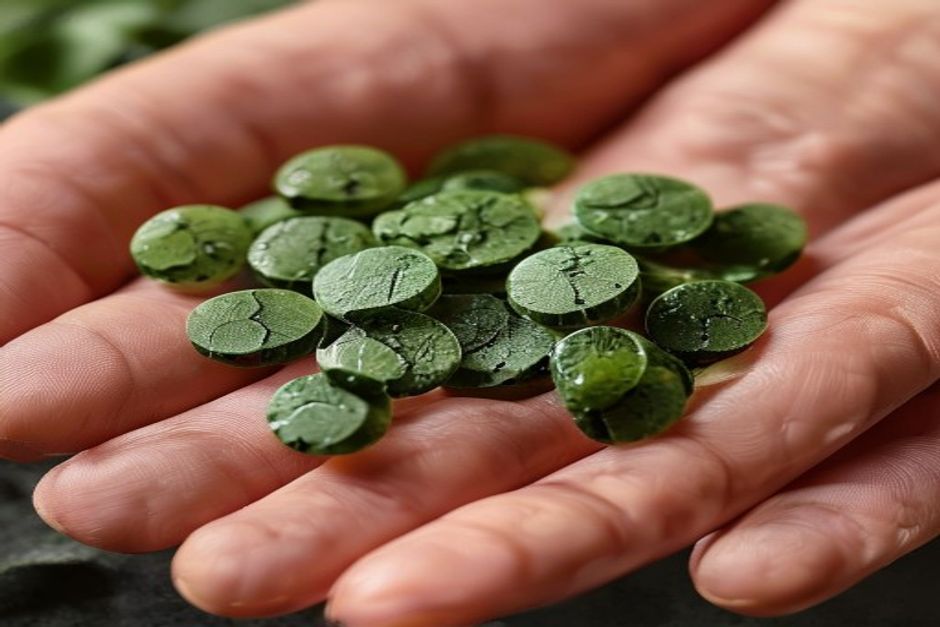
Chlorella is a single-cell freshwater green algae with a tough cellulose wall. That wall is exactly what makes it useful as a binder. When the wall is mechanically cracked (called “broken cell wall” on the label), the inside of the cell can attach to fat-soluble toxins in the gut and carry them out through stool. A 2018 review in the journal Nutrients documents chlorella binding to mercury, lead, cadmium, and aluminum in animal and human studies.
Spirulina is a blue-green algae with no hard cell wall. It is closer to a nutrient-dense food than a binder. It is roughly 60 to 70 percent protein by weight, rich in iron, B vitamins, and the blue pigment phycocyanin, which has shown anti-inflammatory effects in lab studies. It supports the body during a cleanse, but it does not pull metals out of tissues the way chlorella does.
Where Each Algae Shines
Chlorella: The Binder
Chlorella is the better choice when the goal is to escort heavy metals out of the gut. It is also high in chlorophyll, which is what gives it that deep green color. Many practitioners pair it with cilantro, which is thought to mobilize metals from tissues so the chlorella can grab them. This is the binder phase in the well-known Klinghardt and Pompa detox sequences referenced in our activated charcoal guide.
Spirulina: The Support Crew
Spirulina shines as nutritional support, especially when you are eating less or feeling tired during a cleanse. Its phycocyanin and iron content may help with energy. Studies suggest it may also reduce oxidative stress, which is helpful because heavy metal release tends to spike free radicals. If chlorella is the bouncer, spirulina is the kitchen feeding everyone after closing time.
Quick takeaways from the video:
- Chlorella has the cell wall, which is why it works as a binder. Spirulina does not.
- Spirulina has the highest protein density of any whole food at roughly 60 to 70 percent.
- If you only pick one, chlorella for active detox, spirulina for daily nutrition.
- The combo product makes the most sense for people who want one tablet a day instead of two routines.
Top Pick for the Binder Job
The chlorella you want is broken cell wall, organic, and free of fillers. If the wall is intact, the binding sites cannot reach toxins. Cracked wall manufacturing is more expensive, so this is a real differentiator on the shelf, not marketing fluff.
Micro Ingredients Organic Chlorella Tablets, 720 Count

Source: amazon.com
Broken cell wall, 500 mg per tablet, 4 month supply, no fillers.
The Wellthie One Review
Micro Ingredients Organic Chlorella Attributes
- USDA organic, broken cell wall, certified non-GMO
- 500 mg per tablet, 720 tablets per bottle
- No fillers, additives, gluten, or soy
- Sealed in a resealable foil pouch to keep chlorophyll fresh
This is the chlorella I keep on the kitchen counter. The cracked-wall pellets are a real green, almost forest-floor color, not the dusty olive that signals oxidized product. Two tablets in the morning, two in the afternoon, with plenty of water. The taste is mineral and pond-like, but you do not actually taste tablets. The 720 count means the bottle lasts about four months at a maintenance dose, which is the format I prefer for daily things.
Top Pick for Spirulina Support
For spirulina, the line that matters is sourcing. The cleanest spirulina comes from controlled freshwater ponds, not open lakes where blue-green algae can be contaminated with microcystins from other species. Look for “tested for microcystins” on the label.
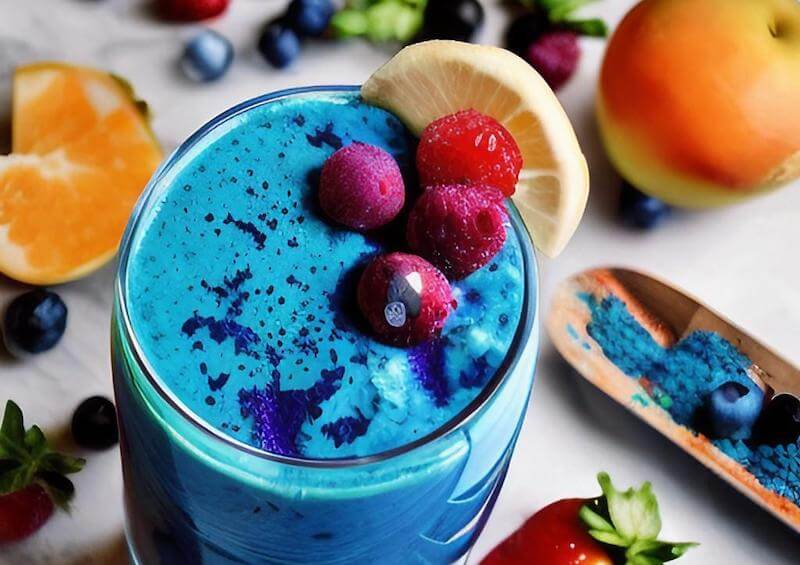
Micro Ingredients Organic Spirulina Powder, 1 lb

Source: amazon.com
USDA organic, lab-tested, no fillers, blends easily into smoothies.
The Wellthie One Review
Micro Ingredients Organic Spirulina Attributes
- USDA organic, lab-tested for microcystins and heavy metal contamination
- Roughly 60 percent plant-based protein
- Sourced from a controlled freshwater farm in Asia
- One pound bag, resealable, lasts about 60 servings
I add half a teaspoon of this to a banana, frozen pineapple, and coconut water smoothie. It tastes like very mild ocean. Not amazing on its own, but completely undetectable in a fruit base. Energy is the most noticeable thing within an hour, especially on days I skipped breakfast.
How Long Should You Take Each One?
For active heavy metal support, most practitioners cycle chlorella in 6 to 12 week blocks, then take a 2 to 4 week break. The cycling is partly to give the gut time to reset and partly to avoid the body becoming reliant on an external binder. Spirulina is generally treated like a daily superfood and can be taken indefinitely, the way you might add greens to a smoothie.
Doses to start with:
- Chlorella: 1 to 2 grams daily for the first week, working up to 3 to 4 grams during an active detox cycle
- Spirulina: 1 to 3 grams daily as nutritional support, taken any time of day
Always take chlorella with a full glass of water. The binding action moves toxins through the gut, and without water that traffic backs up. This is one of the most common reasons people complain that chlorella “made them feel worse.” The metals are leaving, but they are leaving slowly.
What If You Just Want One Bottle?
If you do not want to think about it, a 50/50 blend gives you the binding action of chlorella and the nutritional support of spirulina in the same tablet. It is not as targeted as cycling chlorella separately during an active parasite cleanse or detox push, but it is a perfectly reasonable maintenance approach for most people.
Micro Ingredients Organic Spirulina Chlorella Tablets, 720 Count

Source: amazon.com
USDA organic, broken cell wall chlorella plus spirulina, 4 month supply.
The Wellthie One Review
Spirulina Chlorella Combo Attributes
- 50/50 blend in one tablet, broken cell wall on the chlorella half
- USDA organic, non-GMO, no fillers
- 720 tablets, 4 month supply at the maintenance dose
- Less expensive per gram than buying both separately
The combo is what I recommend to friends who are curious about algae but do not want a routine. Three tablets a day with breakfast, that is the whole protocol. It is not the strongest binding option, but it is the easiest one to actually stick with for six months, which is what matters.
Common Mistakes People Make
The biggest mistake is starting at the recommended dose on the bottle. Most labels suggest 6 or 8 tablets a day. Going from zero to that overnight reliably triggers headaches, fatigue, and gut upset. The body cannot move metals out faster than the kidneys, liver, and bowel can keep up with. Start with one tablet, work up over two to three weeks.
The second mistake is using chlorella without addressing what the metals attach to once they are mobilized. If the gut is sluggish or constipation is in the picture, the metals get reabsorbed. Magnesium citrate at night, plenty of water, and movement during the day all help. The same logic applies to other binders, like the bentonite clay covered in our detox bath guide.
The third mistake is treating spirulina as a binder. It is not. If you only take spirulina and expect heavy metal removal, you will be disappointed. Spirulina is your nutrition. Chlorella is your shovel.
Who Should Be Cautious
People with autoimmune thyroid conditions sometimes react to spirulina because it can stimulate immune activity. People taking blood thinners should clear chlorella with a practitioner because of the high vitamin K content. Pregnancy and breastfeeding need a practitioner conversation either way. Algae is food, but it is unusually concentrated food, and bodies in transition deserve more care.
The Bottom Line on Chlorella vs Spirulina for Heavy Metals
If you are doing the work to actually pull mercury, lead, or aluminum out, chlorella is the answer and spirulina is the support. If you want a daily green for general nutrition and gentle maintenance, the combo blend is fine. Most people who feel the biggest shift do both together, with chlorella front and center during active detox cycles and spirulina year round.
Algae is not a magic bullet. It works because it is one piece of a larger sequence: open the drainage routes (sweat, bowel, lymph), mobilize what is stored, bind what is mobilized, and replace what is depleted. That sequence is the architecture behind every detox plan worth following, and chlorella sits in the binding step. Pick a clean version, start low, drink water, and give it twelve weeks.
Affiliate disclosure: As an Amazon Associate, The Wellthie One earns from qualifying purchases. The links above may pay a small commission if you choose to buy. The recommendations reflect what I actually use. This article is for educational purposes and is not medical advice. Talk to your practitioner about supplements during pregnancy, breastfeeding, or if you take prescription medications.


