

Apple cider vinegar is a popular home remedy for people. It turns out it can benefit your dog too. Many pet owners use apple cider vinegar for dogs to support skin health, digestion, and overall wellness.
ACV is made from fermented apples and contains acetic acid, enzymes, and probiotics. The raw, unfiltered kind with “the mother” offers the most nutritional value. When used safely and in the right amounts, it can be a helpful addition to your dog’s care routine.
What you will learn in this video:
- Whether apple cider vinegar is safe for dogs and in what amounts
- The main benefits of ACV for dogs including skin, coat, and digestion
- How to use ACV topically and orally for your dog
- Important warnings about when NOT to give your dog ACV
Benefits of Apple Cider Vinegar for Dogs
Apple cider vinegar offers several potential benefits for dogs when used correctly. Here are the most common reasons pet owners reach for it.
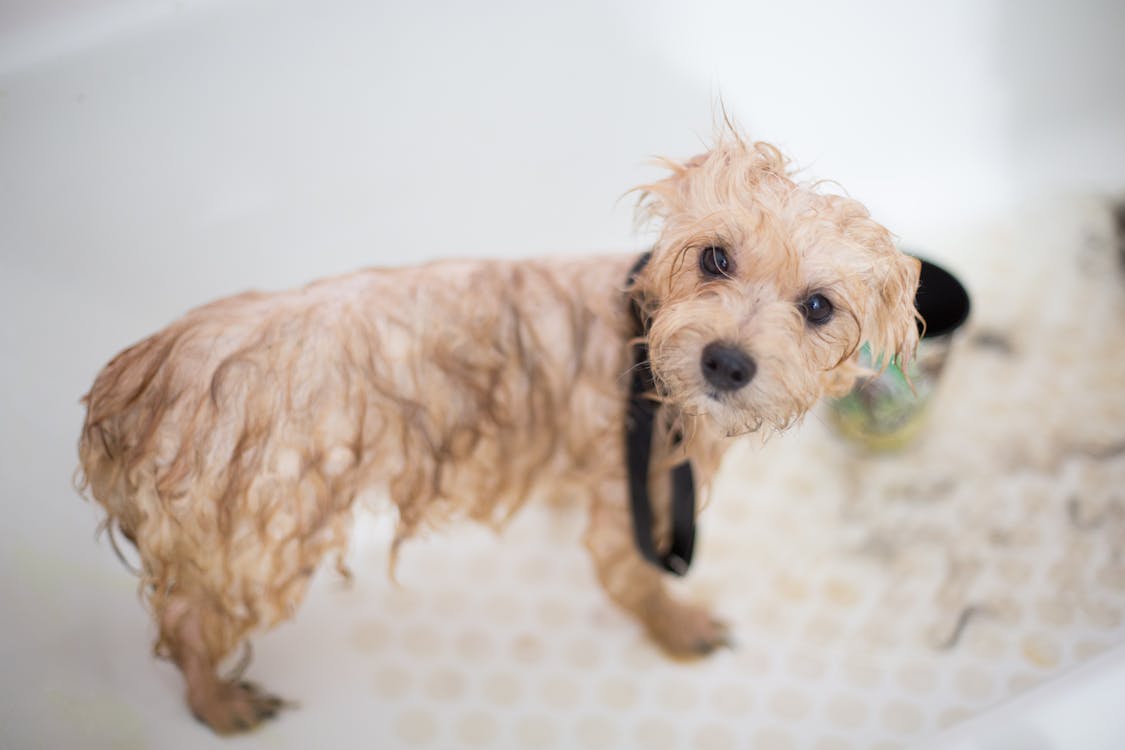
Skin and coat health. ACV has natural antifungal and antibacterial properties. A diluted rinse can help soothe hot spots, itchy skin, and minor irritations. Many owners notice a shinier coat after regular use.
Digestive support. The enzymes and probiotics in raw ACV may support healthy gut bacteria. Adding a small amount to your dog’s water or food can help with occasional digestive upset.
Ear cleaning. A diluted ACV solution can help keep ears clean and reduce yeast buildup. This is especially helpful for breeds with floppy ears that trap moisture.
Flea and tick deterrent. While not a replacement for proper flea prevention, ACV spray may help repel fleas naturally. The acidic scent is unpleasant to many insects.
Bragg Organic Raw Apple Cider Vinegar

Source: amazon.com
USDA organic, raw, unfiltered with the mother, 32 oz bottle
The Wellthie One Review
Bragg is the gold standard for apple cider vinegar. It is organic, raw, and unfiltered with the mother intact. This is the same ACV that vets and holistic pet care experts recommend for dogs. One 32 oz bottle lasts months since you only need a small amount per use.
Bragg Organic ACV Attributes
- USDA certified organic and non-GMO verified
- Raw and unfiltered with the mother for maximum probiotic benefit
- Versatile for both oral and topical use on dogs
- Trusted brand with decades of reputation in natural health
How to Use Apple Cider Vinegar for Dogs Safely
The most important rule is to always dilute ACV before using it on or giving it to your dog. Never apply it full strength. Here are the safest ways to use it.
In drinking water. Add one teaspoon of ACV per 50 pounds of body weight to your dog’s water bowl. Start with half this amount and increase gradually. If your dog refuses the water, reduce the amount.
As a skin rinse. Mix equal parts water and ACV in a spray bottle. Spray on itchy or irritated areas after a bath. Avoid open wounds, cuts, or raw skin as it will sting.
For ear cleaning. Mix one part ACV with one part water. Soak a cotton ball and gently wipe the visible part of the ear. Never pour liquid into the ear canal.
As a flea spray. Fill a spray bottle with equal parts water and ACV. Mist your dog’s coat before outdoor walks. Reapply as needed since the scent fades over time.
If your dog has digestive issues beyond what ACV can help, check out our guide on probiotics for dogs with digestive issues for more targeted support.
Burt’s Bees Hot Spot Spray with Apple Cider Vinegar

Source: amazon.com
95% natural origin formula with ACV and aloe vera for itchy dogs
The Wellthie One Review
This spray is perfect if you want the benefits of ACV without mixing your own solution. Burt’s Bees combines apple cider vinegar with soothing aloe vera. The 95% natural formula is gentle enough for regular use. It is a convenient option for dogs prone to hot spots and seasonal itching.
Burt’s Bees Hot Spot Spray Attributes
- Contains apple cider vinegar and aloe vera for itch relief
- 95% natural origin formula, free from sulfates and colorants
- Spray bottle makes application easy on hard-to-reach spots
- Trusted pet care brand with veterinarian-recommended products
ACV Bath Rinse for Dogs with Itchy Skin
One of the most popular uses of apple cider vinegar for dogs is as a bath rinse. It can help restore your dog’s skin pH and relieve itching. Here is a simple method to try.

Bathe your dog with a gentle, dog-safe shampoo first. Rinse thoroughly. Then mix one cup of ACV with one gallon of warm water. Pour the mixture over your dog’s coat, avoiding the eyes and nose.
Let the rinse sit for two to three minutes. You can gently massage it into the skin. Then rinse lightly with plain water. You do not need to rinse it all out since a slight residue is fine.
Use this rinse once a week for dogs with mild skin irritation. For severe itching or open sores, skip the ACV and consult your veterinarian instead.
Apple Cider Vinegar Pet Shampoo

Source: amazon.com
Cruelty-free, biodegradable ACV shampoo for dogs and cats
The Wellthie One Review
This shampoo builds ACV right into the formula so you get the benefits without a separate rinse step. It is biodegradable and non-toxic, which matters for dogs who lick their fur after baths. The gallon size offers excellent value for multi-dog households. It lathers well and leaves coats soft and clean.
ACV Pet Shampoo Attributes
- Apple cider vinegar infused formula for skin and coat support
- Cruelty-free, biodegradable, and non-toxic for pet safety
- Works on both dogs and cats with sensitive skin
- One gallon size for long-lasting value
When to Avoid Apple Cider Vinegar for Dogs
ACV is generally safe, but there are situations where you should skip it. Knowing when to avoid it is just as important as knowing how to use it.
Open wounds or raw skin. Never apply ACV to broken skin. The acidity will cause burning and pain. Wait until wounds are fully healed before using topical ACV.
Dogs with kidney issues. ACV can affect potassium levels. If your dog has kidney disease, check with your vet before adding it to their diet.
Sensitive stomachs. Some dogs get nauseous from ACV, even in small amounts. If your dog vomits or refuses food after trying it, stop use immediately.
Dogs on certain medications. ACV can interact with insulin and diuretics. Always tell your vet about any supplements you give your dog.
Puppies under 12 weeks. Very young puppies have delicate digestive systems. Wait until your puppy is older before introducing ACV.
The Bottom Line on Apple Cider Vinegar for Dogs
Apple cider vinegar is a versatile, affordable home remedy for dogs. It can support skin health, digestion, and even help deter fleas. The key is to always dilute it and start with small amounts.
Choose raw, organic ACV with the mother for the best results. Use it as a bath rinse, water additive, or topical spray depending on your dog’s needs. Watch for any signs of irritation and stop if your dog reacts poorly.
When used with care, ACV can be a helpful part of your dog’s natural wellness routine. Pair it with a balanced diet and regular vet visits for the happiest, healthiest pup.
This post may contain affiliate links, which means we may receive a small commission, at no cost to you, if you make a purchase through a link.