
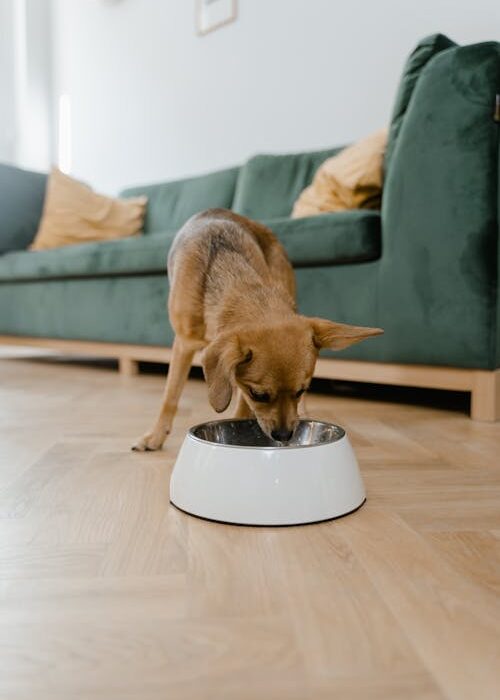
Watching your dog struggle with digestive issues can break your heart. Gas, bloating, loose stools, and visible undigested food suggest his body isn’t breaking down nutrients properly. This is where digestive enzymes for dogs come in. These powerful proteins help break down proteins, fats, and carbohydrates into smaller molecules your pup can absorb. Understanding digestive enzymes can be a game-changer for your dog’s health and comfort.
Key Takeaways
- Digestive enzymes for dogs help break down proteins, fats, and carbs for better nutrient absorption
- Older dogs and dogs with pancreatic issues may benefit most from enzyme supplements
- Always consult your vet before starting any new supplement for your dog
What you will learn in this video:
- How enzyme deficiency affects your dog’s digestion and health
- Signs your dog may need digestive enzyme support
- The difference between prescription and over-the-counter enzymes
- What a veterinarian recommends for digestive health
What Are Digestive Enzymes for Dogs and How Do They Work
Digestive enzymes are proteins that break down food into absorbable nutrients. Your dog’s pancreas naturally produces these enzymes. Three main types work in your dog’s digestive tract.
Protease breaks down proteins into amino acids. Lipase breaks down fats into fatty acids and glycerol. Amylase breaks down carbohydrates into simple sugars. These work together in your dog’s stomach and small intestine to unlock the nutrition in every meal.
Some dogs produce fewer enzymes as they age. Others have pancreatic issues that reduce enzyme production significantly. Without enough enzymes, food passes through the digestive system only partially broken down. Your dog can’t absorb the nutrients his body needs. This leads to deficiencies, poor coat quality, and digestive distress.
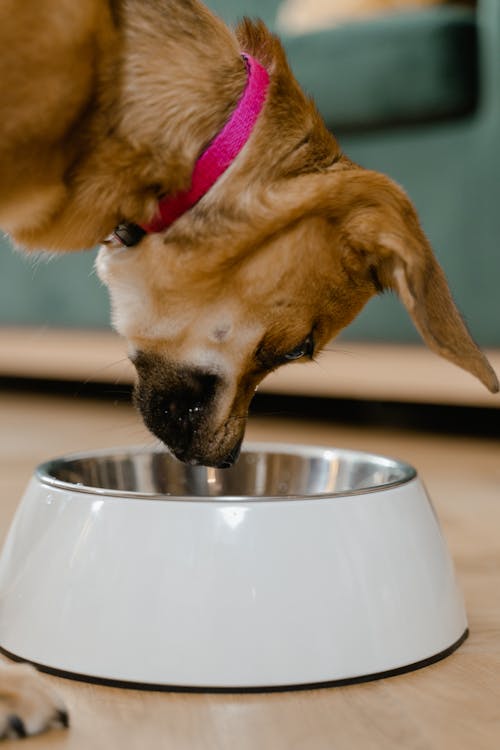
Signs Your Dog May Need Digestive Enzyme Support
Your dog is telling you something when his digestion struggles. Watch for these common signs that digestive enzymes for dogs could help.
Gas and bloating mean food is fermenting in the gut instead of being digested. You might notice your dog seems uncomfortable or passes gas frequently. Loose stools or diarrhea indicate food is moving through too quickly and not being absorbed. Visible undigested food in the stool is a red flag that meals aren’t being broken down properly.
Other signs include weight loss despite eating normally, a dull or itchy coat, and excessive hunger after meals. Some dogs get constipated if their digestive system slows down trying to compensate. Any persistent change in digestion warrants a vet visit to rule out infections or serious conditions.
NaturVet Digestive Enzymes Plus Probiotics for Dogs

Source: amazon.com
Enzyme and probiotic blend in easy-to-give soft chews
The Wellthie One Review
NaturVet combines digestive enzymes with probiotics to support both enzyme function and gut bacteria balance. The soft chew form lets you give it like a treat. Many owners report less gas and firmer stools within a week. Great option for dogs transitioning to new foods or recovering from digestive upset.
NaturVet Digestive Enzymes Plus Probiotics Attributes
- Combines digestive enzymes with probiotics and prebiotics
- Soft chew format dogs love as treats
- 120 count per container for extended supply
- Suitable for both dogs and cats
Which Dogs Benefit Most from Enzyme Supplements
Not every dog needs enzyme supplements. But certain dogs see dramatic improvements in digestion and energy when they start taking them. Senior dogs produce fewer enzymes naturally. As your dog ages past seven years, enzyme production often declines. Older pups benefit significantly from digestive enzymes for dogs that help compensate.
Dogs with a history of pancreatitis or exocrine pancreatic insufficiency (EPI) definitely need enzyme support. Their pancreas can’t produce enough enzymes to break down food adequately. These dogs will struggle without supplemental enzymes. Consult your vet about prescription enzyme options if your dog has EPI.
Dogs fed primarily kibble may benefit from enzymes too. Raw feeding provides natural enzymes in the food itself. Kibble is cooked, which destroys natural enzymes. Adding supplements can bridge that gap. Puppies and dogs with sensitive stomachs also respond well to enzyme support.
Overweight dogs sometimes lose weight naturally once they start absorbing nutrients properly. Better nutrient absorption means your dog feels satisfied longer and has more stable energy.
Zesty Paws Probiotic Bites with Digestive Enzymes

Source: amazon.com
Tasty soft chew bites combining probiotics with digestive enzyme support
The Wellthie One Review
These soft chew bites make supplementing incredibly convenient. Your dog thinks he’s getting a treat while getting digestive enzyme support. The formula includes multiple enzyme types plus probiotics. Dogs typically love the taste. Ideal for picky eaters who resist powder supplements. Results often visible within 5 to 7 days.
Zesty Paws Probiotic Bites Attributes
- Soft chew treats dogs love; no powder mess
- Clinically studied DE111 probiotic strain
- Pumpkin-flavored for palatability
- 90 count per bag; suitable for all dog sizes
How to Give Your Dog Digestive Enzymes Safely
Starting your dog on digestive enzymes is straightforward, but timing matters. Give enzymes just before meals or mixed directly into food. This ensures they’re present when food enters the stomach. Enzymes work best on a full stomach with active digestion happening.
Follow dosage recommendations based on your dog’s weight. Most powders include measuring scoops. Chewable tablets come in predetermined doses. Never exceed recommended amounts thinking more will help faster. Consistent daily use matters more than higher doses.
Start with a small dose and gradually increase over three to five days if your dog has a sensitive system. This allows his digestive tract to adjust. Some dogs see results within 24 hours; others need two to three weeks to show improvement. Be patient.
Store enzyme supplements as directed. Some need refrigeration after opening. Powders should stay in airtight containers. Enzymes can lose potency if exposed to heat or moisture. Keep them away from direct sunlight.
Always consult your veterinarian before starting any new supplement. This is especially important if your dog takes medications or has existing health conditions. Your vet can recommend the best type of enzyme supplement for your specific dog’s needs.
Bark and Whiskers Digestive Enzymes for Pets

Source: amazon.com
Premium enzyme powder formulated by Dr. Mercola for meat-based diets
The Wellthie One Review
This formula from Dr. Mercola (now Bark and Whiskers) is designed specifically for meat-based diets. The powder form breaks down in the stomach for optimal enzyme delivery. Works well for serious digestive issues and senior dogs. Higher cost reflects quality ingredients and testing. Recommended by many holistic veterinarians for dogs with chronic digestive concerns.
Bark and Whiskers Digestive Enzymes Attributes
- 150 scoops per container for extended supply
- Powder form for easy mixing into meals
- Formulated specifically for meat-based diets
- Third-party tested for potency and purity
Natural Food Sources of Digestive Enzymes for Dogs
Supplements aren’t your only option. Real food contains natural enzymes your dog can use immediately.
Raw green tripe is unbleached cow stomach. It’s packed with natural enzymes and beneficial bacteria. Many raw-feeding dog owners include small amounts of tripe in meals. It smells terrible to humans but dogs love it. Green tripe supports digestion naturally.
Papaya and pineapple contain powerful digestive enzymes. Papain from papaya and bromelain from pineapple break down proteins. Offer these fruits occasionally as treats, but not in large quantities since they’re sugary. Remove seeds from papaya first.
Fermented foods like kefir and bone broth add enzymes plus beneficial bacteria. Plain, unsalted bone broth supports digestion and adds collagen. Fermented vegetables (without onions or garlic) can be mixed into meals. These whole-food enzymes work alongside your dog’s natural digestive processes.
Adding a small amount of raw meat to your dog’s kibble introduces digestive enzymes naturally. You don’t need to switch to a fully raw diet to get some benefits. Even supplementing five to ten percent of meals with raw protein helps.

Consider combining whole-food enzymes with supplements for best results. This multi-layered approach addresses digestion from several angles. Your dog gets enzyme support from food plus any supplemental support needed.
Supporting Digestive Health Beyond Enzymes
Digestive enzymes work best as part of a complete digestive support plan. Adding slippery elm for dogs can soothe and protect the digestive tract while enzymes do their work. The two work together to reduce irritation and improve nutrient absorption.
Hydration matters too. Proper water intake keeps everything moving smoothly through the digestive system. Stressed dogs often have digestive issues. Exercise, play, and a calm environment all support healthy digestion.
Feeding schedules matter. Give your dog meals at consistent times daily. This helps his digestive system establish a rhythm. Avoid table scraps and sudden food changes, which can disrupt the digestive balance you’re working to establish.
Final Thoughts on Digestive Enzymes for Dogs
Your dog’s digestion directly affects his energy, coat quality, weight, and overall health. Digestive enzymes for dogs can transform how your pup feels and functions when digestion is the problem. Whether you choose supplements or whole-food sources, enzyme support addresses the root cause of many digestive complaints.
The best approach combines quality enzymes with veterinary guidance. Your vet understands your specific dog’s health history and can recommend the right solution. Some dogs need prescription enzymes; others thrive on over-the-counter options. Some benefit most from natural food sources.
Start supporting your dog’s digestion today. Watch for positive changes in energy, coat, and comfort over the coming weeks. Your pup deserves to feel great and absorb every nutrient from the food you’re feeding him. Always consult your veterinarian before starting digestive enzymes or any new supplement to ensure it’s right for your dog’s unique needs.
This post may contain affiliate links, which means we may receive a small commission, at no cost to you, if you make a purchase through a link.


