

Does your dog deal with gas, loose stool, or an upset stomach? You are not alone. Digestive issues are one of the most common reasons pet owners visit the vet. Probiotics for dogs may offer a simple, natural way to support your pup’s gut health and get things back on track.
In this guide, you will learn how probiotics work for dogs. You will discover which strains are most effective for digestive problems. We also share three top-rated probiotic products that pet owners trust. Plus, you will find dosage tips and signs that your dog may need gut support.
How Do Probiotics Help Dogs with Digestive Issues?
What you will learn in this video:
- How probiotics restore healthy bacteria in your dog’s digestive tract
- Five key benefits of probiotics for pets beyond digestion
- Which probiotic strains are most studied for dogs
- When to start giving your dog a probiotic supplement
Probiotics are live beneficial bacteria that support a healthy gut microbiome. Your dog’s digestive tract contains billions of bacteria. When the balance tips toward harmful bacteria, problems like diarrhea, gas, and bloating can follow. Probiotics help restore that balance by adding more good bacteria to the mix.
Research shows that certain probiotic strains can help firm up loose stool. They also support nutrient absorption and strengthen the gut lining. Some strains even help boost your dog’s immune system. About 70 percent of a dog’s immune cells live in the gut, making digestive health a key part of overall wellness.
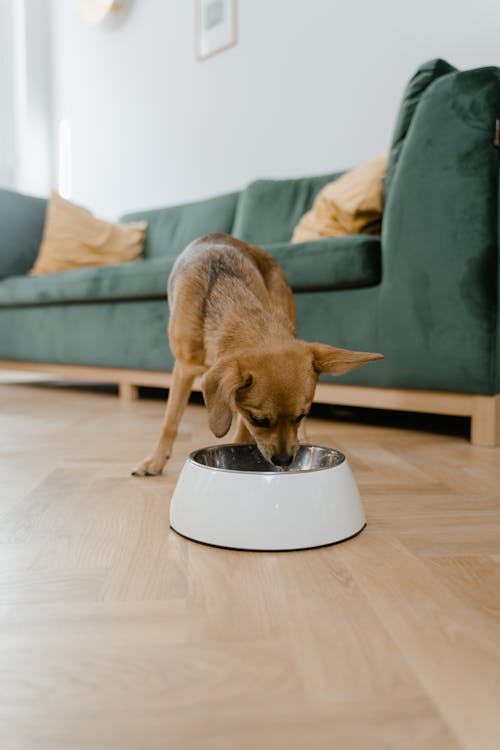
Signs Your Dog May Need a Probiotic
Not every dog needs a daily probiotic. But certain signs suggest your pup’s gut could use some extra support. Watch for these common indicators.
Frequent loose stool or diarrhea. If your dog has soft stool more than once a week, their gut bacteria may be out of balance. Probiotics can help firm things up naturally.
Excessive gas or bloating. Some gas is normal. But if your dog clears the room regularly, it could signal poor digestion. Probiotics help break down food more efficiently.
After antibiotics. Antibiotics kill both good and bad bacteria. A probiotic course after antibiotics helps rebuild healthy gut flora faster.
Stress-related stomach issues. Boarding, travel, or changes in routine can upset your dog’s stomach. Probiotics may help ease stress-related digestive symptoms.
Skin issues or excessive scratching. Gut health and skin health are connected in dogs, just like in humans. A healthier gut can sometimes lead to less itching and fewer hot spots.

Best Probiotic Strains for Dogs
Not all probiotics are created equal. These are the strains that research supports most for canine digestive health.
Enterococcus faecium (SF68): This is the most studied probiotic strain for dogs. It helps reduce diarrhea duration and supports immune function. It is the main strain used in veterinary-grade products.
Bacillus coagulans: A spore-forming probiotic that survives stomach acid well. It helps with loose stool and gas. Many chewable dog probiotics use this strain.
Lactobacillus acidophilus: Supports overall gut balance and helps with food sensitivities. It is one of the most common probiotic strains across species.
Bifidobacterium animalis: Helps reduce inflammation in the gut lining. Studies show it can shorten episodes of acute diarrhea in dogs.
Purina Pro Plan FortiFlora Daily Probiotics for Dogs (30 ct)

Source: amazon.com
The number one vet-recommended probiotic for dogs with digestive issues.
The Wellthie One Review
Purina Pro Plan FortiFlora Attributes
- Contains Enterococcus faecium SF68, the most studied canine probiotic strain
- Easy-to-use powder packets that sprinkle over food
- Number one brand recommended by veterinarians
- Guaranteed live microorganisms in every packet
FortiFlora is the gold standard in veterinary probiotics for dogs. Vets recommend it more than any other brand. The individual packets keep each dose fresh and potent. Most dogs love the taste and eat it without fuss. It is especially effective for dogs recovering from antibiotics or dealing with acute diarrhea.
How to Give Your Dog Probiotics
Giving your dog probiotics is straightforward. Most products come as powders, chews, or capsules. Here is what you need to know to get started.
Choose the Right Format
Powder probiotics mix into wet or dry food. Chewable tablets work like treats. Capsules can be opened and sprinkled on food. Pick the format your dog will accept most easily.
Start with a Low Dose
Introduce probiotics gradually over three to five days. Start with half the recommended dose. This gives your dog’s gut time to adjust. Some dogs experience mild gas during the first few days. This usually passes quickly.
Give Probiotics with Food
Most probiotics work best when given with a meal. The food helps buffer stomach acid. This allows more live bacteria to reach the intestines where they do their work.

Be Consistent
Probiotics work best with daily use. Most dogs show improvement within one to two weeks. Some may take up to a month for full benefits. Do not stop and start. Consistency is the key to lasting gut health improvements.
Zesty Paws Probiotics for Dogs with Digestive Enzymes (90 ct)

Source: amazon.com
A tasty pumpkin-flavored chew with probiotics and digestive enzymes in one.
The Wellthie One Review
Zesty Paws Probiotics for Dogs Attributes
- Contains clinically studied DE111 Bacillus subtilis strain
- Includes digestive enzymes for better nutrient breakdown
- Pumpkin-flavored soft chews that dogs love
- Supports gut flora, immune health, and bowel regularity
Zesty Paws makes giving probiotics feel like giving a treat. The pumpkin flavor is a hit with picky eaters. Beyond probiotics, the formula includes digestive enzymes that help break down protein, fat, and fiber. This combination makes it effective for dogs who struggle with both digestion and nutrient absorption.
Probiotics vs Prebiotics for Dogs
You may see the terms probiotics and prebiotics used together. They are different but work as a team. Probiotics are the live bacteria themselves. Prebiotics are the fiber that feeds those bacteria. Think of prebiotics as the fertilizer for your dog’s gut garden.
Some supplements include both in one formula. These are called synbiotics. They can be more effective than probiotics alone because they help the good bacteria thrive once they reach the gut.

Fera Pets Organic Probiotics with Prebiotics (60 Scoops)

If your dog is dealing with gut issues alongside itchy skin or seasonal allergies, colostrum for dogs pairs well with a quality probiotic. The two work at different layers of the gut and support each other.
Source: amazon.com
A USDA organic probiotic powder with 12 strains and 5 billion CFUs per scoop.
The Wellthie One Review
Fera Pets Organic Probiotics Attributes
- USDA Certified Organic with 12 diverse probiotic strains
- 5 billion CFUs per scoop for strong daily support
- Includes prebiotics in the formula for a synbiotic effect
- Works for both dogs and cats, making it versatile for multi-pet homes
Fera Pets stands out for its organic certification and strain diversity. With 12 different probiotic strains, it covers more ground than single-strain products. The included prebiotics help the probiotics survive and multiply in your dog’s gut. The powder format mixes easily into any type of food. Many pet owners choose this for its clean ingredient list and transparent sourcing.
Frequently Asked Questions
Can I give my dog human probiotics?
It is best to use a product made specifically for dogs. While some human strains overlap with canine-friendly strains, the dosages and inactive ingredients may not be suitable. Dog-specific products are formulated for canine digestive systems.
How long does it take for probiotics to work in dogs?
Most dogs show improvement within one to two weeks. For chronic issues, allow up to four weeks of daily use before evaluating results. If symptoms persist, consult your veterinarian.
Are there side effects of probiotics for dogs?
Side effects are rare and usually mild. Some dogs experience temporary gas or slightly softer stool during the first few days. Starting with a lower dose helps minimize this adjustment period.
For more ways to support your dog’s health naturally, check out our guide on coconut oil for dogs: benefits, safe dosage, and how to use it. Coconut oil can complement probiotics for even better digestive support.
This post may contain affiliate links, which means we may receive a small commission, at no cost to you, if you make a purchase through a link.


