
You set a clear goal at the start of the year. You wrote it down. You shared it with a friend. Then life happened. The goal slipped away, and you blamed yourself for not having enough motivation. The truth is that motivation alone rarely gets us across the finish line. We also need a smart way to handle the bumps that show up along the way.
That is the gap that the WOOP method goal setting framework was built to fill. WOOP stands for Wish, Outcome, Obstacle, and Plan. It was developed by psychology professor Gabriele Oettingen at New York University after twenty years of research. WOOP gives positive thinking a sharper edge by adding realism and a backup plan. We will walk through how it works and how to start using it in fifteen minutes today.
Key Takeaways
- WOOP is short for Wish, Outcome, Obstacle, and Plan, a four-step science-backed goal setting tool.
- It pairs positive imagery with a clear look at the obstacle most likely to derail you.
- Studies link WOOP method goal setting to better follow-through on health, study, and work goals.
- You can run a full WOOP cycle in less than fifteen minutes with just a notebook.

Why Pure Positive Thinking Often Fails
For decades, self-help books told us to picture our success in vivid detail. The advice felt good, so it stuck. The problem is that the brain often confuses imagined success with real success. When you picture yourself crushing a goal, your nervous system relaxes a little. That same relaxation can quietly drain your motivation to act.
Oettingen and her team tested this idea in many studies. Students who only daydreamed about getting an internship made fewer applications. Dieters who pictured slim futures lost less weight. Across health, school, and career goals, vivid wishful thinking often hurt follow-through. WOOP method goal setting was built to keep the energizing power of imagining a wish, then add a reality check.
What you will learn in this video:
- The four steps of WOOP explained in plain language.
- How mental contrasting differs from typical positive thinking.
- Real life examples of using WOOP for daily goals.
- Why writing your obstacle down is the part most people skip.
The Four Steps of the WOOP Method Goal Setting Framework
Each letter of WOOP is a question you answer in writing or out loud. The whole exercise takes ten to fifteen minutes the first few times. Once you get the rhythm, you can run it in five.
Step 1: Wish
Pick one specific wish for the next day, week, or month. Make it challenging but realistic. Vague wishes such as get healthier do not work as well as concrete wishes such as walk thirty minutes after dinner four nights this week. Keep it short, around three to six words.
Step 2: Outcome
Now picture the best result of getting your wish. What is the single biggest benefit you would feel? Maybe it is a steadier mood, more energy, or a sense of pride. Spend about a minute imagining that outcome. Use the senses. Notice how your body would feel. This is the part where you fuel up emotionally.

Step 3: Obstacle
This is the step most planners skip. Ask yourself, what is the main inner obstacle that gets in my way? Notice the word inner. WOOP method goal setting focuses on what happens inside you, not on outside circumstances like weather or other people. Common inner obstacles include scrolling on the phone, snacking when stressed, feeling too tired after work, or telling yourself I will start tomorrow.
Sit with the obstacle for a moment. Be honest. The obstacle should feel personal and specific. If your wish is to walk after dinner, your obstacle might be sinking into the couch and watching one more episode.
Step 4: Plan
Now write an if then plan to handle the obstacle. The format is simple: if X happens, then I will do Y. For example, if I feel pulled toward the couch after dinner, then I will lace up my sneakers and step outside for ten minutes. Keep the action small and clear. Plans that name the trigger and the response are far stickier than vague intentions.
For an even closer look at if then planning, our guide on implementation intentions for building habits shows how this exact format reshapes daily behavior over weeks.
One Book That Started It All
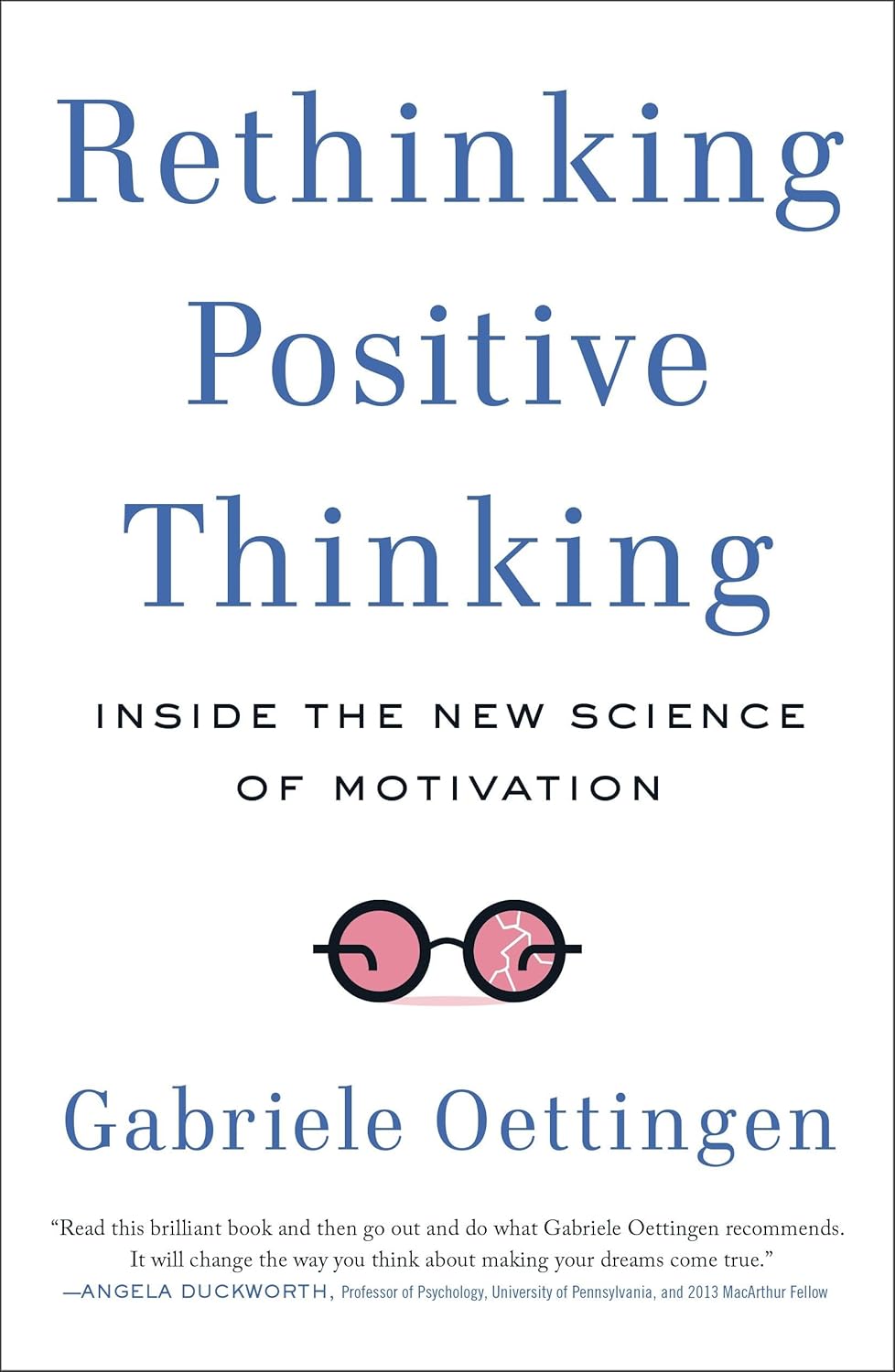
If you want to dig into the science yourself, this is the foundational book by the researcher who developed the WOOP method goal setting approach.
Rethinking Positive Thinking by Gabriele Oettingen
Source: amazon.com
The original book on mental contrasting and the WOOP approach to motivation and follow-through.
The Wellthie One Review
Oettingen writes like a careful scientist who also wants to help you live better. The book includes case studies, quick exercises, and gentle pushback against fluffy positive thinking. Readers say it shifted how they plan and reach goals at home and at work. It is a calm, practical read that pairs well with a planner or notebook.
Rethinking Positive Thinking Attributes
- Written by the founder of the WOOP method goal setting framework.
- Backed by twenty years of peer reviewed research.
- Plain language with hands on exercises in each chapter.
- Available in paperback and as an audiobook for busy listeners.
What the Research Says
WOOP has been tested in dozens of studies on different goals. Students used WOOP to study harder for the SAT and saw real score gains. Office workers used it to take more breaks from their screens. People recovering from a stroke used WOOP to stick with rehab exercises. The pattern is consistent: people who plan with WOOP follow through more often than those who only set positive intentions.

One reason WOOP works is that it primes your brain to notice the obstacle when it shows up. Instead of being caught off guard by a craving or a wave of fatigue, you have already rehearsed your response. The if then plan acts like a mental shortcut that bypasses willpower in the moment.
Examples of WOOP Method Goal Setting in Real Life
Here are three quick WOOP plans to spark ideas for your own goals.
Health Example
- Wish: Drink eight glasses of water on workdays.
- Outcome: Steadier focus and fewer afternoon headaches.
- Obstacle: Forgetting to refill my water bottle after lunch.
- Plan: If I sit down after lunch, then I will refill my water bottle right away.
Productivity Example
- Wish: Finish my report draft by Friday afternoon.
- Outcome: A relaxed weekend without a looming deadline.
- Obstacle: Getting pulled into email and Slack first thing.
- Plan: If I open my laptop in the morning, then I will write for thirty minutes before opening email.
Relationship Example
- Wish: Spend ten phone-free minutes with my partner each evening.
- Outcome: Feeling closer and more connected by the weekend.
- Obstacle: Reaching for my phone the moment I sit on the couch.
- Plan: If I sit down on the couch, then I will put my phone in the kitchen drawer first.
A Quarterly Planner That Pairs Well With WOOP
If you want a printed home for your WOOP sessions, this 12-week planner gives you space to write each step every morning. It also keeps your wishes and obstacles in one place.
The Phoenix Journal Quarterly Goal Planner

Source: amazon.com
Undated 12 week planner with daily goals, weekly review, and habit tracking pages.
The Wellthie One Review
The Phoenix Journal is a popular pick for people who like quarterly goals over yearly ones. The 12 week format keeps wishes feeling fresh and reachable. We like the dedicated weekly review pages, which give you space to update your obstacle and refine your plan. The hardcover holds up well in a tote or backpack.
Phoenix Journal Attributes
- Undated 12 week structure for flexible quarterly goal cycles.
- Daily, weekly, and monthly planning pages all in one book.
- Habit tracker pages built in for sticking with a new routine.
- Hardcover binding lays flat for easy writing.
Common Mistakes With WOOP and How to Fix Them
Most people who try WOOP and feel underwhelmed are missing one of a few small details. The good news is that each fix is quick.

The Wish Is Too Big
Wishes like get fit or save money are too vague to plan against. Pick something you can act on this week. You can always run another WOOP next week.
The Obstacle Is External
Bad weather and busy bosses are real, but WOOP method goal setting works on inner obstacles. Look for the thought, feeling, or habit that derails you. The doorway always swings inward.
The Plan Is Vague
If your plan starts with I will try, swap it for a specific if then sentence. Try: I will try harder becomes if I open Instagram on my phone, then I will close it and open my journal app.
How to Make WOOP a Daily Habit
WOOP works best when it becomes a small daily ritual. Many people fold it into their morning routine. They take five minutes with coffee, write the four steps in a notebook, and read the plan out loud. Others save it for a quiet evening review.
If you already journal in the morning, add a single WOOP at the bottom of your page. If you use a digital notes app, create a WOOP template and copy it each day. Stack the habit onto something you already do, so it sticks more easily. For more habit stacking ideas, see our guide on habit stacking for beginners.
A Simple 90 Day Goal Journal Option
If a hardcover planner feels like too much, a softcover goal setting journal can be a gentler entry point. This affordable option keeps the WOOP practice front and center.
Goal Setting Journal: 90 Day Goal Planning

Source: amazon.com
Affordable 90 day goal planning and tracking journal for daily wishes, outcomes, obstacles, and plans.
The Wellthie One Review
This budget journal is a great place to start if you are new to written goal setting. The pages have generous space for free writing, which makes WOOP easy to fit in. Reviewers like the simple layout and the way it nudges weekly check-ins. It does not have the polish of a hardcover planner, but it gets the job done at a friendly price.
Goal Setting Journal Attributes
- 90 day structure that matches a single quarter at a time.
- Open layout with room to journal each WOOP step in your own words.
- Soft cover and lightweight, easy to slip into a bag.
- Includes weekly reflection pages for tweaking your plan.
A Calm Way to Start Today

You do not need a special tool to try the WOOP method goal setting framework. A scrap of paper and ten minutes is enough. Pick one wish for tomorrow. Write the outcome that would feel best. Be honest about your inner obstacle. Then write a sharp if then plan to handle it.
Run that small loop once a day for a week and watch what changes. Most people notice that simple wishes start turning into completed actions. That quiet shift is what makes WOOP a calm, science-backed addition to your daily routine.
This post may contain affiliate links, which means we may receive a small commission, at no cost to you, if you make a purchase through a link.


