

What Are Implementation Intentions and Why Do They Work?
Most people fail at building habits not because they lack motivation. They fail because they never decide exactly when, where, and how they will act. Implementation intentions solve this problem with one simple formula. You create a specific plan using the structure: “When X happens, I will do Y.” This tiny shift in planning changes everything about how your brain approaches new behaviors.

Psychologist Peter Gollwitzer introduced implementation intentions in 1999. His research showed that people who made specific if-then plans were significantly more likely to follow through on their goals. Since then, over 200 studies have confirmed this effect across exercise, healthy eating, studying, and dozens of other behaviors.
The Psychology Behind If-Then Planning
What you will learn in this video:
- How implementation intentions bypass the decision fatigue that kills most habits
- The difference between goal intentions and implementation intentions
- Real examples of if-then plans that make taking action automatic
- Why this technique works even when motivation is low
Your brain is wired to respond to environmental cues. When you create an implementation intention, you pre-load a specific cue with a planned response. Your brain no longer needs to decide what to do in the moment. The decision is already made. This reduces the mental effort required to act, which is why the technique works even on days when you feel unmotivated.
A standard goal intention sounds like this: “I want to exercise more.” An implementation intention sounds like this: “When I finish my morning coffee, I will put on my running shoes and walk for 20 minutes.” The second version tells your brain exactly when to act, what to do, and removes the need for willpower in the moment.
How to Create Your Own Implementation Intentions
Step 1: Choose One Habit to Focus On
Start with a single behavior you want to build. Trying to change multiple habits at once dilutes your focus. Pick the one that would make the biggest difference in your life right now. Keep it simple and specific.

Step 2: Identify Your Trigger
Choose a cue that already exists in your daily routine. The best triggers are actions you already do every day without thinking. Examples include finishing breakfast, arriving at work, or brushing your teeth. Linking your new habit to an existing behavior makes it much easier to remember.
Step 3: Write Your If-Then Statement
Use this exact format: “When [TRIGGER], I will [BEHAVIOR] in [LOCATION] for [DURATION].” The more specific you make each element, the stronger the plan becomes. Here are some examples that work well:
“When I sit down at my desk in the morning, I will write in my journal for 5 minutes.”
“When I park my car after work, I will walk around the block once before going inside.”
“When I finish dinner, I will read 10 pages of my book in the living room.”
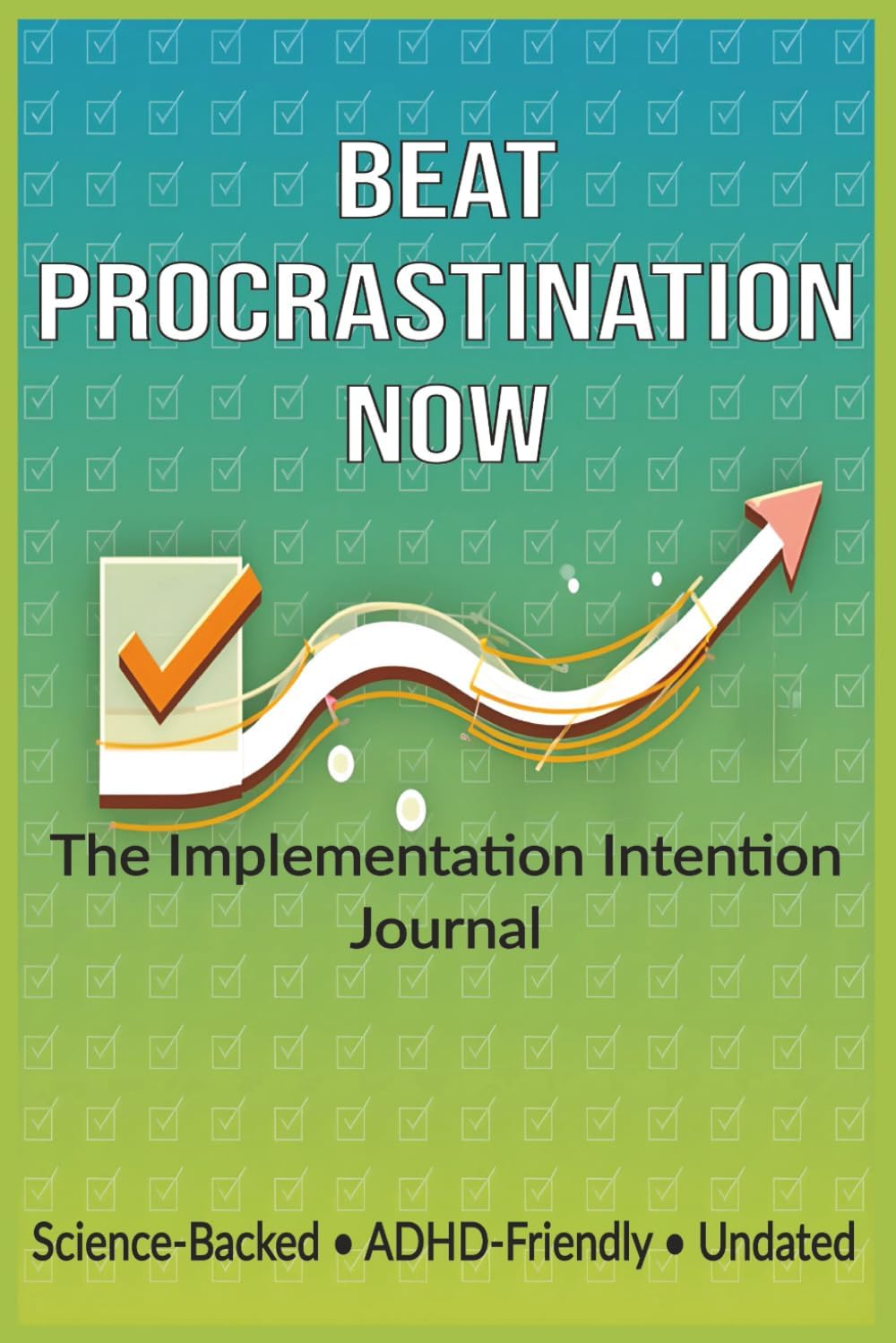
Beat Procrastination Now: Implementation Intention Journal
Source: amazon.com
16-week undated planner designed around if-then habit planning
The Wellthie One Review
This journal is built specifically around the implementation intention framework. Each week includes space to write your if-then plans, track your follow through, and reflect on what worked. The 16 week format gives you enough time to solidify multiple habits. We like that it is undated, so you can start any time without wasting pages.
Implementation Intention Journal Attributes
- 16-week undated format for flexible start dates
- Built-in if-then planning templates on each page
- Weekly reflection sections for habit tracking
- Compact size for daily carry
Step 4: Plan for Obstacles
Gollwitzer’s research also introduced “coping plans” for obstacles. These use the same if-then format but address what could go wrong. For example: “If it is raining when I planned to walk, I will do a 10 minute yoga video at home instead.” Having a backup plan prevents common obstacles from derailing your progress entirely.

Common Mistakes to Avoid
The most common mistake is being too vague. “I will exercise after work” is weaker than “When I change out of my work clothes, I will do 20 pushups in the bedroom.” Vague plans leave room for your brain to negotiate and delay. Specific plans remove that negotiation entirely.
Another mistake is choosing triggers that are inconsistent. If you do not eat breakfast every day, “after breakfast” is not a reliable trigger. Pick cues that happen every single day at roughly the same time. Consistency in the trigger creates consistency in the habit.
If you enjoy structured productivity methods, you might also like our guide on the 1-3-5 rule for daily productivity.
Advanced Techniques for Long Term Success
Stack Multiple Implementation Intentions
Once your first habit is solid (usually after 4 to 8 weeks), you can add a second implementation intention. Chain them together so the completion of one habit triggers the next. This is similar to what James Clear calls “habit stacking,” but implementation intentions add the extra layer of obstacle planning.
The Phoenix Journal Goal Planner

Source: amazon.com
Quarterly goal planner with daily habit tracking and reflection pages
The Wellthie One Review
The Phoenix Journal is one of the best planners for people who want structure without rigidity. It breaks your year into quarterly goals and then provides daily pages to track habits and plan your days. The reflection prompts help you learn from each week and adjust your approach. It pairs perfectly with implementation intentions because you can write your if-then plans right into the daily pages.
Phoenix Journal Attributes
- Quarterly goal setting with daily planning pages
- Built-in habit tracker and weekly reflection prompts
- Durable hardcover design that lasts all quarter
- Clean layout with plenty of space for if-then planning
Review and Adjust Weekly
Set aside 10 minutes each Sunday to review your implementation intentions. Ask yourself: Did I follow through this week? Was my trigger reliable? Do I need to adjust anything? This weekly check-in keeps your plans relevant and helps you catch problems early before they become patterns.

Start Today with One Simple Plan
You do not need to overhaul your entire life. You just need one good if-then plan. Pick a habit you have been wanting to build. Identify a reliable daily trigger. Write your implementation intention down on paper. Then follow through tomorrow morning.
The research is clear: people who make specific plans for when and where they will act are two to three times more likely to follow through compared to those who simply set goals. That is a massive advantage for such a simple technique. Give it a try and see what changes in your life over the next few weeks.
This post may contain affiliate links, which means we may receive a small commission, at no cost to you, if you make a purchase through a link.


