
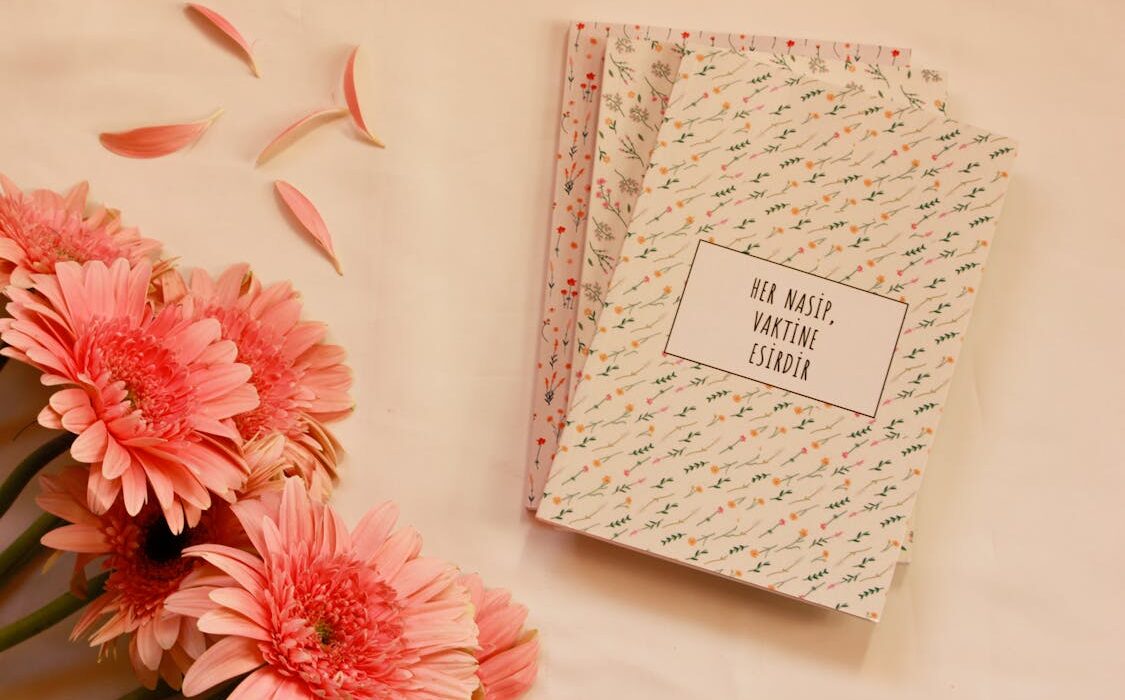
Spring reset journal prompts for mindfulness are exactly what I reach for when April arrives and I feel that itch to clear out more than just the closets. There is something about this season that naturally invites reflection. The days are longer, the air shifts, and suddenly everything I have been carrying since January feels ready to be sorted through and set down.
Journaling has been part of my wellness practice for years. Not the aspirational kind where I write three pages before sunrise, but the honest, sometimes messy kind where I ask myself hard questions and let whatever wants to surface come up. These 25 prompts are the ones I come back to every spring. They have helped me reset my direction, let go of patterns that were not working, and actually feel the freshness this season promises.

Why Spring Is the Perfect Time to Reset Your Journal Practice
We talk a lot about New Year’s as the time to reflect and start fresh. But January is often the hardest month of the year. It is cold, dark, and most people are still running on fumes from the holidays. Intentions made in that state tend to fizzle by February.
Spring is actually a much more natural time for renewal. In traditional Chinese medicine, spring is associated with the liver, which governs planning, vision, and the forward movement of energy in the body. Research in environmental psychology suggests that exposure to natural light and warmer temperatures genuinely shifts mood and cognitive function. Your body and mind are already primed for a reset. Journaling gives that energy direction.
If you are working on building this kind of reflective practice as a daily habit, my post on habit stacking for beginners walks through how to attach new habits to things you already do, which makes it much easier to stay consistent.
What you will learn in this video:
- How to use journaling as a practical tool for seasonal reflection and reset
- The difference between goal-setting journaling and mindfulness-based journaling
- How to create a spring journaling ritual that actually sticks
- Examples of journal prompts that go deeper than surface-level goal lists
How to Use These Spring Reset Journal Prompts for Mindfulness
Before I share the prompts, a few notes on approach that make a real difference.
Do not try to do all 25 in one sitting. Pick three to five per journaling session, and sit with them. The value is not in the quantity of answers. It is in the willingness to keep writing past your first response. The first answer is usually the one you already know. The interesting material lives in what comes after that.
Set a timer if you tend to get distracted. Even 15 minutes of focused writing produces more insight than an hour of half-present scribbling. And if a prompt brings up something uncomfortable, that is a signal to stay with it rather than skip it.
Category 1: Releasing What No Longer Serves You
Spring cleaning applies to the internal landscape too. These prompts help you identify what has been weighing on you and practice consciously setting it down.
- What belief have I been carrying that I know is not actually true for me anymore?
- Which relationship dynamic in my life drains more energy than it gives? What would I like to change about it?
- What habit or routine did I pick up during a hard season that I have been holding onto even though it no longer serves me?
- What am I still angry or disappointed about that I have not fully processed? What would it look like to let it move through me?
- If I cleared out one mental burden today, what would it be? Why have I been holding onto it?
The Five Minute Journal by Intelligent Change

Source: amazon.com
A structured daily journal designed to take just five minutes morning and evening; built around gratitude, intention-setting, and reflection.
The Wellthie One Review
Five Minute Journal Attributes
- Pre-designed prompts mean no blank page paralysis;-jw\ust open it and write
- Morning section includes daily intentions and three things to be grateful for
- Evening section includes a reflection on what made the day great and what could be improved
- Undated format means you can start any day and skip days without guilt
If the idea of freeform journaling feels too open-ended, the Five Minute Journal is a great entry point. The structure is simple and research-backed, built on positive psychology and gratitude practice. I keep one of these on my nightstand for the evenings when I do not have the energy for deeper reflection but still want to close the day with intention. It pairs well with the open-ended prompts in this post; use the structured journal for daily maintenance and the deeper prompts for weekly or monthly resets.


