
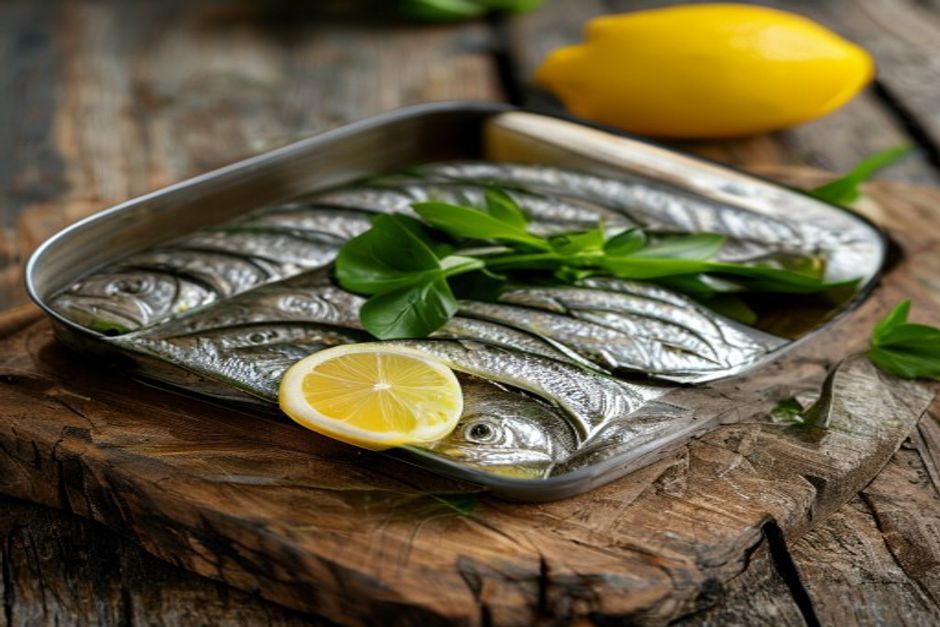
If you are looking for a simple, affordable way to boost your dog’s health, the answer might already be sitting in your pantry. Sardines are one of the most nutrient-dense foods you can share with your dog. They are packed with omega-3 fatty acids, protein, calcium, and CoQ10. Best of all, they are low in mercury compared to larger fish like tuna or salmon.
Many pet owners overlook sardines because they seem too simple. But veterinarians and canine nutritionists consistently recommend them as a whole-food supplement. In this guide, we will cover the benefits of sardines for dogs, how much to feed, which types are safest, and the best products to try.
Key Takeaways
- Sardines are rich in omega-3 fatty acids that support your dog’s skin, coat, joints, and heart.
- They are low in mercury and safe for most dogs when fed in the right amounts.
- Choose sardines packed in water with no added salt for the safest option.
What you will learn in this video:
- Why fish oil quality matters for your pet’s health
- Five important things to check when giving your dog omega-3 supplements
- How to tell if a fish oil supplement has gone rancid
- The difference between whole fish sources and processed fish oils

Why Sardines for Dogs Are a Nutritional Powerhouse
Sardines deliver an impressive nutritional profile in a tiny package. A single 3-ounce serving contains about 2 grams of omega-3 fatty acids, including both EPA and DHA. These are the two forms of omega-3 that your dog’s body can use directly without needing to convert them first.
EPA helps reduce inflammation throughout your dog’s body. This is especially helpful for dogs with joint stiffness, allergies, or skin irritation. DHA supports brain health and eye development. Puppies benefit from DHA for cognitive growth. Senior dogs benefit from it for maintaining mental sharpness.
Beyond omega-3s, sardines provide high-quality protein with all essential amino acids. They contain calcium and phosphorus from their edible bones, which supports your dog’s skeletal health. They also supply vitamin D, vitamin B12, and selenium. And unlike larger fish, sardines sit low on the food chain. They eat plankton, not other fish. This means they accumulate far less mercury and environmental toxins.
How Many Sardines Can Dogs Eat?
The right amount depends on your dog’s size. As a general guideline, most veterinarians suggest the following weekly amounts for canned sardines packed in water.
Small dogs under 20 pounds can have about 2 sardines per week. Medium dogs between 20 and 50 pounds can have 4 to 6 sardines per week. Large dogs over 50 pounds can have up to 8 sardines per week. Giant breeds over 90 pounds may tolerate up to 14 per week.
Start slow, especially if your dog has never eaten fish before. Give one sardine and watch for any digestive upset over the next 24 hours. Most dogs tolerate sardines very well, but a sudden large amount of any new food can cause loose stools.
Which Type of Sardines Is Safest for Dogs?
Not all sardines are created equal when it comes to feeding your dog. The best choice is sardines packed in water with no added salt. Avoid sardines packed in oil, especially soybean oil or sunflower oil. These oils can upset your dog’s stomach and add unnecessary calories.
Also avoid sardines with added seasonings like garlic, onion, mustard, or hot sauce. Garlic and onion are toxic to dogs even in small amounts. Always check the ingredient list. The label should ideally read just “sardines” and “water.”
Fresh sardines from a fish market are another great option if they are available in your area. You can lightly steam or bake them before serving. Remove any large bones if the sardines are whole, though most sardine bones are soft enough for dogs to eat safely.

If you want the cleanest option with no added salt, Wild Planet sardines are a trusted choice among pet owners and nutritionists.
Wild Planet Wild Sardines in Water, No Salt Added

Source: amazon.com
Sustainably caught, non-GMO, no salt added, 4.4 oz cans, pack of 12
The Wellthie One Review
Wild Planet is one of our top picks for feeding sardines to dogs. The “no salt added” version is ideal because excess sodium is not healthy for dogs. These sardines are wild-caught and sustainably sourced, which means cleaner fish with fewer contaminants. The 4.4-ounce cans are a convenient size. You can split one can across two or three servings for a medium dog. We appreciate that the ingredient list is just sardines and water. No fillers, no oils, no preservatives.
Wild Planet Sardines Attributes
- Wild-caught sardines packed in water with no added salt
- Non-GMO Project Verified and sustainably sourced
- Rich in omega-3 EPA and DHA, calcium, and vitamin D
- 12-pack of 4.4 oz cans for long-term value
5 Health Benefits of Sardines for Dogs
1. Healthier Skin and a Shinier Coat
Omega-3 fatty acids are one of the best natural remedies for dry, flaky, or itchy skin in dogs. Many pet owners report visible coat improvements within two to three weeks of adding sardines to their dog’s diet. The fur becomes softer, shinier, and less prone to shedding.
2. Joint Support and Mobility
The EPA in sardines helps reduce inflammation in joints. This is especially valuable for older dogs or breeds prone to hip dysplasia and arthritis. Sardines offer a whole-food alternative to turmeric supplements for dog joint pain or green lipped mussel for dogs.
3. Heart Health
DHA and EPA support cardiovascular function. Regular omega-3 intake may help maintain healthy heart rhythm and blood pressure in dogs. This is particularly important for breeds with a higher risk of heart conditions.
4. Brain Health and Cognitive Function
DHA is a building block of brain tissue. For puppies, it supports healthy brain development. For senior dogs, it may help slow cognitive decline and keep them mentally alert longer.
5. Stronger Bones and Teeth
The soft, edible bones in canned sardines provide bioavailable calcium and phosphorus. These minerals support bone density and dental health without the need for separate calcium supplements.

Sardines for Dogs vs Fish Oil Supplements: Which Is Better?
Both options provide omega-3 fatty acids. But whole sardines have several advantages over processed fish oil. Whole sardines contain protein, calcium, and other nutrients that fish oil alone does not. The omega-3s in whole fish are also less likely to oxidize compared to bottled fish oil, which can go rancid over time.
That said, fish oil supplements have their place. They are easier to dose precisely. They work well for picky eaters who refuse whole fish. And liquid sardine oil can be pumped directly onto kibble for zero-effort supplementation.
If your dog enjoys the taste and texture of whole sardines, that is the ideal choice. If convenience is your priority, a high quality sardine oil is a solid alternative.
Sardine Anchovy Oil for Dogs and Cats, 1296mg Omega

Source: amazon.com
Pharmaceutical grade, unscented, 17 oz pump bottle
The Wellthie One Review
This sardine and anchovy oil delivers 1296 mg of omega fatty acids per serving. The pump bottle design makes dosing easy. Just pump it directly onto your dog’s food. It is unscented, which is a big plus if you are sensitive to fish smells. The pharmaceutical grade formula means it has been purified to remove heavy metals and contaminants. We like the BPA-free aluminum bottle that protects the oil from light exposure, which helps prevent rancidity. This is a great option for dogs who will not eat whole sardines.
Sardine Anchovy Oil Attributes
- 1296 mg omega fatty acids per serving from sardines and anchovies
- Unscented, pharmaceutical grade formula
- BPA-free brushed aluminum bottle with pump dispenser
- 17 oz bottle provides months of daily use
How to Serve Sardines to Your Dog
There are several easy ways to add sardines to your dog’s diet. The simplest method is to open a can and place one or two sardines on top of your dog’s regular food. Most dogs find the smell irresistible and will eat them immediately.
You can also mash sardines into your dog’s kibble for a more even distribution. This works well for picky eaters who might try to eat around new foods. Another option is to freeze sardines in an ice cube tray with water or bone broth for a cooling summer treat.
For dogs who are new to sardines, start with a small piece rather than a whole fish. Watch for any signs of digestive upset like gas, loose stools, or vomiting. These reactions are rare but possible with any new food introduction.
Dehydrated Sardines: A Convenient Training Treat
If the idea of handling canned fish does not appeal to you, dehydrated sardines are a mess-free alternative. They are lightweight, shelf-stable, and easy to break into smaller pieces for training. Your dog gets the same nutritional benefits in a more portable format.
Granville Island Pet Treatery Dehydrated Sardines for Dogs

Source: amazon.com
Single ingredient dehydrated sardines, grain-free, 3.17 oz
The Wellthie One Review
The Granville Island Pet Treatery sardines are a single-ingredient treat that dogs go crazy for. They are gently dehydrated to preserve nutrients while removing moisture. This makes them crunchy, shelf-stable, and easy to carry in a treat pouch during walks or training sessions. We like that there is only one ingredient: sardines. No additives, no fillers, no grains. They are also a great option for dogs with food sensitivities because the simple ingredient list minimizes allergy risk.
Granville Island Dehydrated Sardines Attributes
- Single ingredient: 100% dehydrated sardines
- Grain-free, all-natural, no preservatives or additives
- Easy to break into smaller pieces for training rewards
- Suitable for both dogs and cats

When to Talk to Your Vet About Sardines
Sardines are safe for most healthy dogs. However, there are a few situations where you should check with your veterinarian first. Dogs with pancreatitis or a history of pancreatitis should be cautious because sardines contain fat that could trigger a flare-up. Dogs on a prescription diet should not add any foods without vet approval. And dogs taking blood-thinning medications may need monitoring because omega-3s can have a mild blood-thinning effect at high doses.
If your dog has a known fish allergy, sardines are obviously not appropriate. Symptoms of a fish allergy include itching, hives, vomiting, or diarrhea after eating fish. These reactions are uncommon but worth watching for during the first introduction.
Final Thoughts on Sardines for Dogs
Sardines are one of the simplest and most affordable ways to upgrade your dog’s nutrition. They provide omega-3 fatty acids, protein, calcium, and a range of vitamins in a form that most dogs love. Whether you choose canned sardines, dehydrated treats, or sardine oil, your dog’s skin, coat, joints, and overall health may all benefit.
Start with a small amount, choose products with no added salt or oil, and watch how your dog responds. Most pet owners notice improvements in coat quality and energy within the first few weeks. Sometimes the best health solutions are the simplest ones.
This post may contain affiliate links, which means we may receive a small commission, at no cost to you, if you make a purchase through a link.


