
Key Takeaways
- Slippery elm bark coats and soothes your dog’s digestive tract, helping with diarrhea, vomiting, and acid reflux.
- This natural supplement is safe for most dogs when dosed correctly by weight.
- Slippery elm works best as a short-term remedy while you identify the root cause of digestive upset.
If your dog has been dealing with an upset stomach, loose stools, or occasional vomiting, you have probably searched for something gentle that actually works. Slippery elm for dogs is one of the most trusted natural remedies in holistic veterinary care. It has been used for centuries to soothe irritated tissues in both humans and animals.
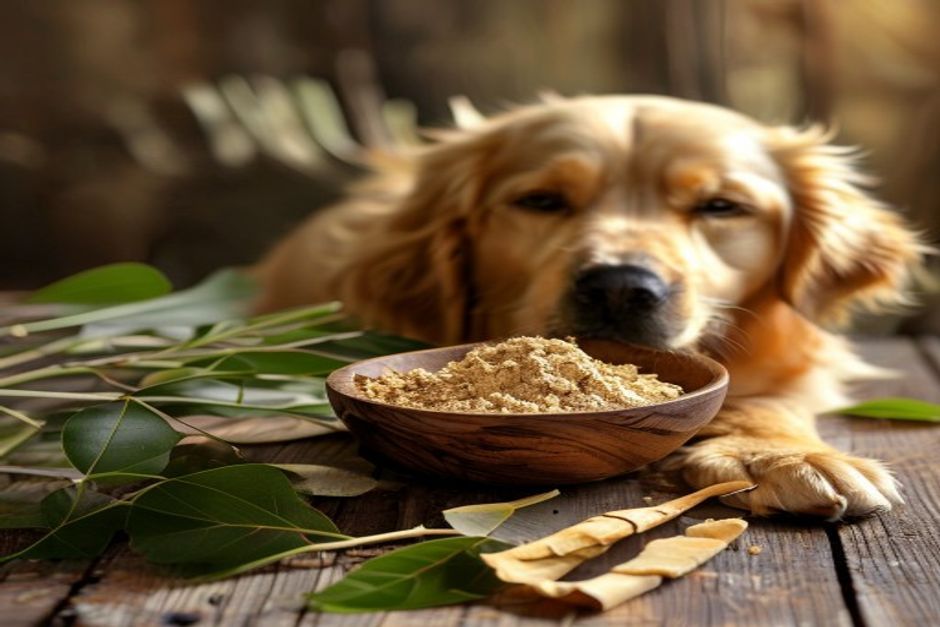
The inner bark of the slippery elm tree contains a substance called mucilage. When mixed with water, it forms a slick, gel-like coating. This coating lines the stomach, intestines, and throat, reducing irritation and giving inflamed tissues a chance to heal. Many veterinarians now recommend it alongside conventional treatments.
In this guide, we will cover how slippery elm helps dogs, the right dosage for your pet’s size, the best supplements available, and important safety tips every pet owner should know.
What you will learn in this video:
- How slippery elm bark works to soothe a dog’s digestive system
- The difference between powder and liquid forms for pets
- Proper dosing guidelines based on your dog’s weight
- When to use slippery elm versus seeing the vet right away
What Is Slippery Elm and Why Does It Help Dogs?
Slippery elm (Ulmus rubra) is a tree native to North America. The inner bark is the part used in supplements. It has a long history in traditional herbal medicine for treating digestive and respiratory issues.
The magic is in the mucilage. This soluble fiber absorbs water and expands into a thick, soothing gel. When your dog ingests it, the gel coats the lining of the stomach and intestines. Think of it like a protective bandage on the inside.

How Mucilage Soothes the Digestive Tract
The gel created by mucilage does several helpful things at once. It reduces inflammation in the gut lining. It slows down the passage of food, giving the intestines more time to absorb nutrients and water. It also helps firm up loose stools by absorbing excess fluid.
Research on mucilage-containing herbs shows they can reduce irritation in mucosal tissues. This is why slippery elm is often recommended for dogs with colitis, gastritis, or inflammatory bowel disease (IBD). It does not cure these conditions, but it may provide comfort while other treatments take effect.
Common Reasons Pet Owners Use Slippery Elm for Dogs
Most people discover slippery elm when their dog is having digestive trouble. Here are the most common situations where it may help.
Diarrhea and Loose Stools
This is the number one reason pet owners reach for slippery elm. The mucilage absorbs excess water in the intestines. It helps bulk up loose stools naturally. Many dogs show improvement within 24 to 48 hours.
Vomiting and Nausea
Slippery elm coats the stomach lining, which may reduce the urge to vomit. It can be especially helpful for dogs who throw up bile on an empty stomach. Giving a small dose before meals may calm a sensitive stomach.
Acid Reflux
Dogs can experience acid reflux just like people. The gel coating protects the esophagus from stomach acid. If your dog gulps, licks their lips often, or eats grass frequently, acid reflux could be the cause.
Sore Throat and Kennel Cough
The soothing properties extend beyond the gut. Slippery elm can coat an irritated throat, reducing discomfort from coughing. Some holistic vets suggest it as a supportive remedy during kennel cough recovery.
Best Slippery Elm Supplements for Dogs
Not all slippery elm products are created equal. Some are formulated specifically for pets with proper dosing instructions. Others use organic, sustainably sourced bark. Here are three well-reviewed options that pet owners trust.
Herbsmith Organic Slippery Elm

Source: amazon.com
Certified organic powder for dogs and cats
The Wellthie One Review
Herbsmith is a brand that many holistic veterinarians recommend by name. This organic slippery elm powder is pure, with no fillers or additives. It mixes easily into wet food or water. The 75g container lasts a while since you only need a small amount per dose. We like that it is USDA certified organic and sourced responsibly.
Herbsmith Organic Slippery Elm Attributes
- USDA certified organic slippery elm bark powder
- Safe for both dogs and cats
- No fillers, preservatives, or artificial ingredients
- Easy to mix into food or make into a slurry

How to Dose Slippery Elm for Dogs by Weight
Getting the dosage right matters. Too little may not help, and too much could cause constipation. Here are general guidelines that many holistic veterinarians suggest. Always check with your vet before starting any new supplement.
Powder Form Dosing
For slippery elm bark powder, the typical recommendation is about one-quarter teaspoon per 10 pounds of body weight. Mix the powder with a small amount of warm water to create a slurry. Let it thicken for two to three minutes before adding it to your dog’s food.
Small dogs (under 25 lbs): one-quarter to one-half teaspoon per dose. Medium dogs (25 to 50 lbs): one-half to one teaspoon. Large dogs (50 to 100 lbs): one to two teaspoons. Give the dose two to three times daily, ideally 30 minutes before meals for best absorption.
Liquid Extract Dosing
Liquid slippery elm extracts are pre-measured and easy to give. Follow the product label for exact amounts. Most liquid formulas suggest dosing by drops based on your dog’s weight. Liquids absorb faster than powders, making them a good choice for dogs who refuse food.
Animal Essentials Slippery Elm Drops

Source: amazon.com
Organic liquid herbal extract for easy dosing
The Wellthie One Review
Animal Essentials makes this liquid extract from organic slippery elm bark. The dropper bottle makes dosing simple and precise. You can add it directly to your dog’s water bowl or squirt it into their mouth. Many pet owners prefer the liquid form because picky eaters cannot detect it in food. The 1 oz bottle is compact and easy to travel with.
Animal Essentials Slippery Elm Drops Attributes
- Organic single-herb liquid extract
- Easy dropper for precise dosing
- Works for both dogs and cats
- Can be given directly or mixed into food and water
Safety Tips and Side Effects to Watch For
Slippery elm is considered very safe for dogs when used correctly. However, there are a few things to keep in mind before you start giving it to your pet.
Give It Separately from Medications
Because slippery elm coats the digestive tract, it can slow down how quickly your dog absorbs medications. Give slippery elm at least two hours before or after any prescription drugs. This ensures the medication works as intended.
Use It as a Short-Term Remedy
Slippery elm works best for temporary digestive issues. If your dog has chronic diarrhea or vomiting that lasts more than a few days, see your veterinarian. Long-term use without a diagnosis could mask a more serious problem.
Watch for Constipation
In rare cases, too much slippery elm can cause constipation. The mucilage absorbs water, so make sure your dog stays well hydrated. If stools become hard or dry, reduce the dose or stop temporarily.
Pregnancy Caution
Some herbalists advise against using slippery elm in pregnant dogs. While research is limited, it is best to consult your vet before giving it to a pregnant or nursing dog.
Slippery Elm vs. Pumpkin for Dog Digestion
Many pet owners wonder whether slippery elm or canned pumpkin is the better choice for digestive support. Both can help, but they work differently.
Pumpkin adds fiber to the diet, which can help with both diarrhea and constipation. It is widely available and most dogs like the taste. However, pumpkin does not coat or protect the gut lining the way slippery elm does.
Slippery elm is better suited for inflammatory conditions like gastritis, colitis, or acid reflux. It actively soothes irritated tissue rather than simply adding bulk. For mild, occasional loose stools, pumpkin may be enough. For more persistent or inflammatory digestive issues, slippery elm is often the stronger choice.
Some pet owners use both together. The fiber from pumpkin combined with the soothing mucilage of slippery elm can provide comprehensive digestive support. Ask your vet if this combination makes sense for your dog.
Pet Wellbeing Slippery Elm for Dogs

Source: amazon.com
Vet-formulated organic liquid for digestive and throat support
The Wellthie One Review
Pet Wellbeing is known for vet-formulated natural supplements. Their slippery elm liquid uses organic bark extract in a gentle glycerin base. The 2 oz bottle offers good value for medium to large dogs. We appreciate that a holistic veterinarian helped design the formula. It supports both digestive comfort and throat health, making it versatile for dogs dealing with multiple symptoms.
Pet Wellbeing Slippery Elm for Dogs Attributes
- Formulated by a holistic veterinarian
- Organic slippery elm bark extract
- Gentle glycerin base with no alcohol
- Supports both digestive tract and throat comfort
How to Make a Slippery Elm Slurry at Home
Making a slippery elm slurry is simple. You only need the powder and some warm water. Here is a quick method that works well for most dogs.
Start with the right amount of powder for your dog’s weight. Add about one tablespoon of warm (not boiling) water per quarter teaspoon of powder. Stir the mixture until smooth. Let it sit for two to three minutes. The slurry will thicken into a gel-like consistency.
You can add the slurry directly to your dog’s food. Some dogs accept it mixed into plain yogurt or bone broth. If your dog refuses food entirely, you can use a syringe (without the needle) to gently squirt the slurry into the side of their mouth.
When to See the Vet Instead
Slippery elm is a supportive remedy, not a replacement for veterinary care. Bring your dog to the vet right away if you notice any of these signs.
Bloody diarrhea or vomiting with blood requires immediate attention. Diarrhea lasting more than 48 hours without improvement needs professional evaluation. Lethargy, loss of appetite for more than a day, or signs of dehydration (dry gums, sunken eyes) are all reasons to call your vet.
Puppies, senior dogs, and dogs with existing health conditions should always be evaluated before starting any supplement. Your vet can confirm whether slippery elm is appropriate for your dog’s specific situation.
Final Thoughts on Slippery Elm for Dogs
Slippery elm is one of the gentlest, most effective natural remedies for canine digestive trouble. It coats, soothes, and protects irritated tissues without harsh side effects. Whether your dog is dealing with an occasional upset stomach or recovering from a bout of colitis, this herb may provide real comfort.
Start with a quality supplement, dose it properly for your dog’s weight, and give it separately from medications. Keep your vet in the loop, especially if symptoms persist. With the right approach, slippery elm can be a valuable addition to your dog’s wellness toolkit.
For more natural pet health tips, check out our guide on colostrum for dogs and our article about turmeric for dogs. You might also enjoy our piece on the best joint supplements for dogs.
This post may contain affiliate links, which means we may receive a small commission, at no cost to you, if you make a purchase through a link.
Have cats in the same household? Our companion guide on slippery elm for cat hairballs walks through the same gentle protocol scaled for felines, plus a brushing routine that cuts hairballs in half.