If you have ever spent April reaching for tissues, hiding indoors during peak pollen, or watching the kids ride bikes while your eyes water from across the porch, you already know how draining seasonal allergies can be. Quercetin for seasonal allergies is one of the more interesting plant compounds being studied as a natural antihistamine, and it has become a quiet favorite for people who would rather not spend three months on store-bought allergy pills.
This guide walks through how quercetin works, how to take it safely, the foods that contain it, and the supplements worth knowing about if you are considering trying it for the first time.
What Is Quercetin and Why Is It Called a Natural Antihistamine?
Quercetin is a plant flavonoid found in apples, onions, berries, capers, and leafy greens. It belongs to a family of compounds known for their antioxidant and anti-inflammatory effects.
The reason it gets called a “natural antihistamine” is simple. When your body reacts to pollen, mast cells release histamine. That histamine is what causes the runny nose, itchy eyes, and sneezing. Lab and clinical studies suggest that quercetin may help stabilize mast cells so they release less histamine in the first place. The National Library of Medicine has a useful overview of the research on quercetin and mast cell modulation.
It is important to be honest. Quercetin is not a fast-acting allergy pill. People who notice the most benefit usually take it daily, often starting a few weeks before allergy season begins. Think of it as steady support rather than a rescue dose.
What you will learn in this video:
- How quercetin works inside the body to calm histamine release
- The everyday foods that naturally contain quercetin
- Why quercetin is often paired with vitamin C and bromelain
- Why this compound shows up in conversations about chronic allergies and inflammation
How Quercetin May Help With Seasonal Allergy Symptoms
Most people who try quercetin for seasonal allergies are looking for relief from a familiar set of symptoms. The mast cell stabilizing effect is the main reason it gets discussed alongside antihistamines.
Symptoms that quercetin is studied for include:
- Itchy, watery eyes during high pollen days
- Runny nose and sneezing fits
- Mild sinus pressure linked to allergic inflammation
- Skin flushing and itching after contact with grasses or trees
- That heavy, tired feeling that often comes with peak pollen
Studies suggest quercetin may also support the gut barrier and overall immune balance, which matters more than people realize. A reactive immune system often goes hand in hand with a stressed gut. If that is part of your picture, our guide on how to improve gut health for allergies pairs nicely with adding quercetin to your routine.
Mold and mycotoxin work is brutal when it's actually mold and frustrating when it isn't. The same brain fog, fatigue, and inflammation show up across all four toxic load types, which is why so many people spend months on the wrong protocol before that becomes obvious. The 2-minute What's Draining Your Brain Tool helps confirm or rule out mold as your dominant load before you commit to the next phase of work.
NOW Foods Quercetin with Bromelain

Source: amazon.com
240 vegetable capsules, 800 mg quercetin plus 165 mg bromelain per serving
The Wellthie One Review
NOW Foods Quercetin with Bromelain Attributes
- 800 mg quercetin paired with 165 mg bromelain per two-capsule serving
- 240 vegetable capsules per bottle, a four-month supply at standard dosing
- Non-GMO and free from common allergens like soy, dairy, and gluten
- Trusted long-running brand with GMP-certified manufacturing
This is the bottle most beginners get pointed toward. The quercetin and bromelain combination is well studied because bromelain, a pineapple-derived enzyme, may improve quercetin absorption. The 240-count bottle gets you through a full pollen season at one or two capsules a day, which works out to a reasonable price per serving for a steady daily routine.
How Much Quercetin Should You Take for Allergies?
There is no official “allergy dose” of quercetin, but research and product labels generally point to a similar range.
Most studies on quercetin for allergic and inflammatory conditions use 500 to 1,000 mg per day. Some protocols split that across two doses with food. Higher doses up to 1,500 mg per day have been used in clinical settings, but they are typically not needed for everyday spring allergies.
A practical starting plan looks something like this:
- Begin with 500 mg once a day, taken with a meal
- If your symptoms peak in the afternoon, try splitting to 500 mg twice a day
- Start two to four weeks before your usual allergy season begins, so levels are built up before pollen counts rise
- Stay consistent. Quercetin works best as a daily habit, not an as-needed pill
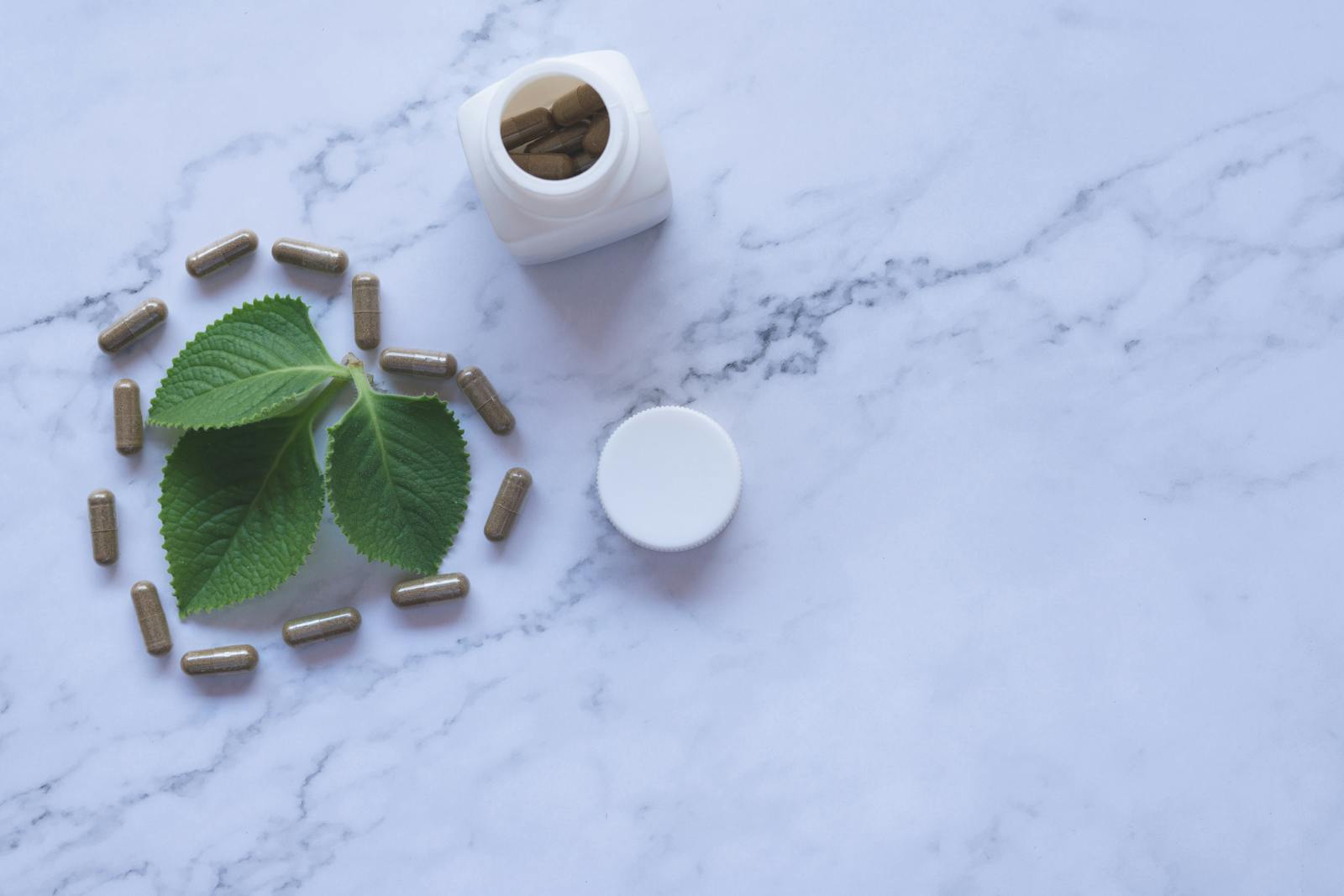
One small habit that helps: take quercetin with a fat-containing meal. As a flavonoid, it absorbs better in the presence of food, particularly something with a little olive oil, avocado, eggs, or nuts.
Foods Naturally High in Quercetin
You do not need a supplement to start getting more quercetin in your diet. Several common foods deliver meaningful amounts, and they are worth working into spring meals while pollen counts climb.
Top food sources include:
- Capers: the highest known food source per gram
- Red onions: the deeper purple varieties have more quercetin in the outer rings
- Apples with the skin on: the skin holds most of the flavonoid content
- Kale, spinach, and other dark leafy greens
- Berries: blueberries, blackberries, and cranberries
- Buckwheat: a quietly underrated grain alternative
- Green and black tea
- Dandelion greens
Realistically, food sources alone usually deliver 5 to 40 mg of quercetin a day, depending on your diet. That is well below the doses studied for allergy support. Food matters for overall flavonoid intake, but for seasonal symptom support most people layer in a supplement.
Best Quercetin Supplements to Look For
Walking into the supplement aisle can feel overwhelming. There are a lot of bottles with very similar labels. A few things to look for when choosing a quercetin supplement:
- Combination formulas with bromelain often absorb better than quercetin alone
- Added vitamin C can support both immune function and quercetin recycling in the body
- Veggie capsules if you want to avoid gelatin
- A clean ingredient list without unnecessary fillers, dyes, or artificial flavors
- Third-party testing or GMP certification for basic quality assurance
ForestLeaf Quercetin with Bromelain 1350 mg

Source: amazon.com
90 veggie capsules with quercetin, bromelain, vitamin C, and stinging nettle
The Wellthie One Review
ForestLeaf Quercetin with Bromelain Attributes
- 1,350 mg blend with 500 mg quercetin per serving
- Stacked with vitamin C and stinging nettle, both popular natural allergy supports
- Non-GMO, gluten free, and made in vegetarian capsules
- One-bottle format for people who want everything in a single capsule
This is a nice all-in-one option for people who would rather not juggle three different bottles each morning. The added stinging nettle and vitamin C give it more of a “spring allergy stack” feel. If you prefer a simpler quercetin-only product, the NOW Foods option above is a leaner choice.
Stacking Quercetin With Other Natural Allergy Supports
Quercetin works well on its own, but it is often paired with other plant compounds for layered support. The most common natural pairings include:
Stinging Nettle
Nettle leaf has a long traditional use for hay fever and is one of the more well known herbal antihistamines. Many people who use quercetin for spring allergies also drink nettle tea or take nettle capsules. If you want to learn more about that side of the story, our deep dive on nettle tea for spring allergies covers brewing, dosing, and the research behind it.
Oregon’s Wild Harvest Organic Nettle Capsules

Source: amazon.com
Certified organic stinging nettle, 600 mg per capsule, 90 capsules
The Wellthie One Review
Oregon’s Wild Harvest Nettle Capsules Attributes
- Certified organic stinging nettle leaf with intact stinging hairs (the traditional preference)
- 600 mg per capsule, with flexible dosing for sensitive users
- From a small Oregon herb farm with a strong reputation in the herbal community
- Non-GMO, gluten free, and made without unnecessary fillers
This is a good option for people who already drink nettle tea but want more concentrated daily support during peak season. Many readers like to pair one capsule of nettle in the morning with their quercetin dose.
Vitamin C
Vitamin C is well known for its role in immune health, and it has its own mild antihistamine effect at higher doses. It also helps recycle quercetin in the body, which is part of why combination formulas often include it.
Bromelain
Bromelain is an enzyme from pineapple that may reduce sinus inflammation and may help quercetin absorb better. That is why so many quercetin products bundle the two.
Local Raw Honey
Local honey is another folk favorite. The idea is that exposure to local pollen in trace amounts may gently familiarize the immune system. The science is mixed, but a daily spoonful is harmless and tastes great.
Is Quercetin Safe? Side Effects and Who Should Skip It
Quercetin is generally well tolerated when taken at common supplement doses for short periods. That said, no supplement is right for everyone.
Possible side effects can include:
- Mild headache
- Tingling in the arms or legs at very high doses
- Stomach upset, especially when taken on an empty stomach
People who should talk with a clinician before adding quercetin include:
- Anyone pregnant or nursing
- People taking blood thinners or blood pressure medication
- People taking antibiotics, since quercetin can affect how some are metabolized
- Anyone with kidney disease, since long-term high doses have not been well studied for kidney safety
As with most supplements, the safest approach is to start at the low end of the dose range, take it with food, and pay attention to how your body responds.
Putting Together Your Spring Allergy Routine
If you are building a calmer allergy season for the first time, a simple plan might look like this:
- Add 500 mg quercetin with bromelain in the morning, with breakfast
- Drink one cup of nettle tea or take a nettle capsule midday
- Eat at least one quercetin-rich food a day, such as an apple with the skin or a small red onion in your salad
- Keep your bedroom windows closed on high pollen days, and rinse your face and hair before bed
- Support your nervous system with sleep, hydration, and stress management, which all influence how reactive your immune system feels. Practices like the ones in our cortisol-lowering guide can help here
Notice that none of these are quick fixes. They build on each other. The point of quercetin in this stack is steady, daily support, not a single pill that erases symptoms.
Final Thoughts on Quercetin for Seasonal Allergies
Spring should feel hopeful, not exhausting. Quercetin is one of the more interesting tools in the natural allergy world because it works with your body’s mast cells rather than just blocking symptoms after they appear. Add it to a thoughtful diet, daily nettle, and a low-pollen home routine, and the season can feel a lot more livable.
Start with one bottle, give it a few weeks, and see how your body responds. Most people who stick with it through a full season notice a real difference by the second year, when they remember to start before the trees start dropping pollen.
If sinus pressure is one of your worst allergy symptoms, my new guide on bromelain for sinus congestion walks through the pineapple-derived enzyme that pairs perfectly with quercetin for natural decongestant support.
This post may contain affiliate links, which means we may receive a small commission, at no cost to you, if you make a purchase through a link. We only recommend products we trust.
Quercetin pairs nicely with other plant allergy support. Many readers also use elderberry syrup for spring allergies as a daily ritual through pollen season for additional histamine balance.
For a broader playbook, see our guide on natural ways to lower histamine in the body, which expands on the diet, gut, and lifestyle pieces of this protocol.