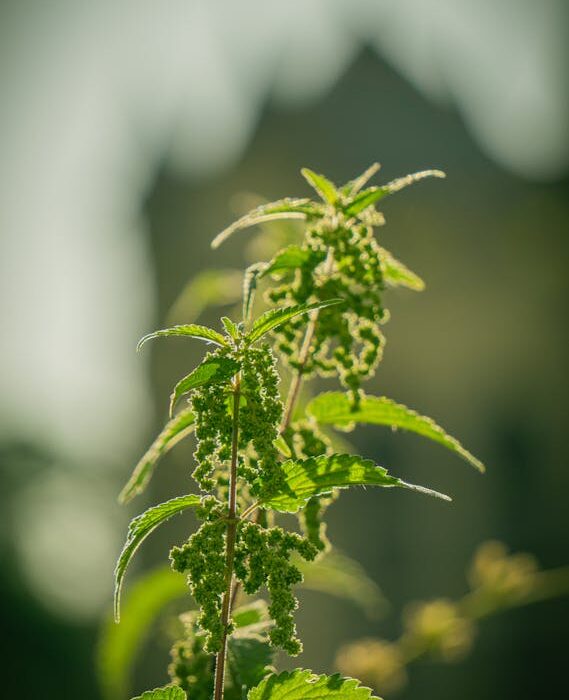
If spring arrives and your eyes start itching, your nose runs, and you wake up with a puffy face, you are not alone. I have been there for years. Nettle tea became one of the first natural tools I reached for before I ever considered an over the counter antihistamine, and it has earned a permanent spot in my spring routine.
Nettle tea for spring allergies is one of the oldest herbal remedies still used today. Traditional herbalists have relied on stinging nettle, known in Latin as Urtica dioica, to calm seasonal misery for generations. Modern research is starting to catch up with what herbal practitioners already knew.
Here is what you need to know before you brew your first cup, including how it may help, how to make it properly, and the specific products I reach for during peak allergy season.
Why Nettle Tea for Spring Allergies Works
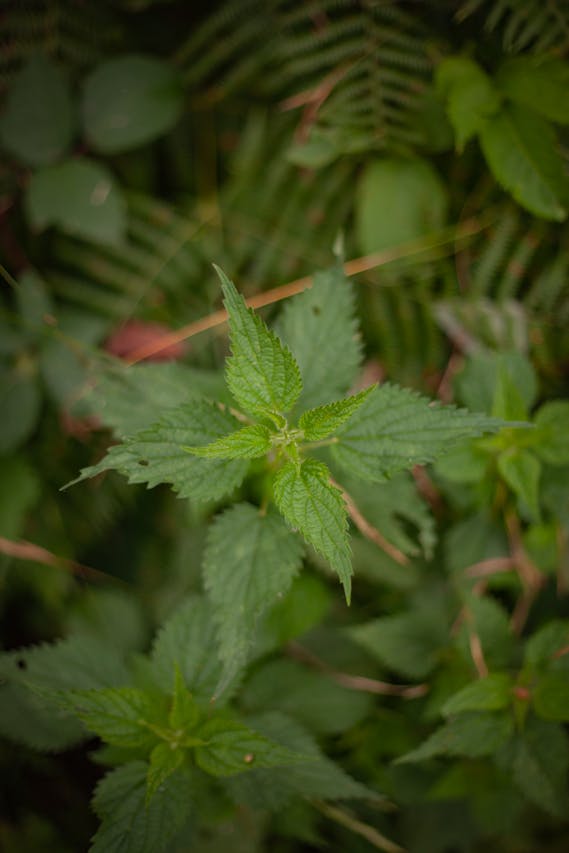
Stinging nettle contains naturally occurring compounds that may influence how your body reacts to pollen. Researchers have studied its effects on histamine, the chemical your body releases when it detects an allergen. When histamine surges, you get the sneezing, itching, and congestion you know too well.
A small study published on the National Institutes of Health database found that a freeze dried nettle preparation may help reduce allergic rhinitis symptoms. The authors noted that more research is needed, but the early results were encouraging enough to make nettle worth exploring if you want a gentler first step.
Nettle also contains quercetin, a plant flavonoid known for its effect on mast cells, the immune cells that release histamine. Quercetin is sold as a standalone supplement for allergy sufferers, but drinking nettle gives you a gentler dose alongside other plant compounds that work together.
Watch: How Nettle Tea May Help Seasonal Allergies
What you will learn in this video:
- Why stinging nettle is considered nature’s antihistamine
- How to brew nettle tea for maximum benefit
- Which parts of the plant have the strongest allergy supporting effect
- Simple recipe ideas for sipping nettle daily during pollen season
My Personal Experience With Nettle Tea for Allergy Season
I started drinking nettle tea about four years ago. I had tried every spray, pill, and diet shift I could think of, and my spring eye itch still came back every year like clockwork. A naturopath friend handed me a bag of loose nettle leaf and told me to start two weeks before tree pollen typically peaked in my area.
The first thing I noticed was not even related to allergies. My energy felt steadier and my morning brain fog lifted a little sooner. Then around the ten day mark, spring arrived and I braced for the sneeze fits. They were noticeably milder. My eyes still watered on high pollen days, but I was not reaching for tissues the way I had the year before.
What worked for me may not be a miracle cure for you. Your body is different, and your pollen exposure is different. But if you want to try something inexpensive, natural, and low risk before escalating, nettle is an easy place to start.
If you want to layer in additional allergy support, I also wrote about how to improve gut health for allergies, which explains why so much of your histamine response starts in the gut.
How to Brew Nettle Tea the Right Way
Most people brew nettle the same way they brew green tea: pour near boiling water over a tea bag, wait three minutes, drink. That works, but you are leaving a lot of the plant behind.
For allergy support, I recommend a long infusion. Place one heaping tablespoon of dried loose nettle leaf in a quart jar. Pour boiling water over it, cover, and let it sit for four hours or overnight. Strain and drink throughout the day. This method extracts more minerals and plant compounds than a quick steep.
If you are using tea bags, steep two bags in a mug for at least ten minutes, covered. Covering the cup keeps the volatile compounds from escaping with the steam.
How Much to Drink Per Day
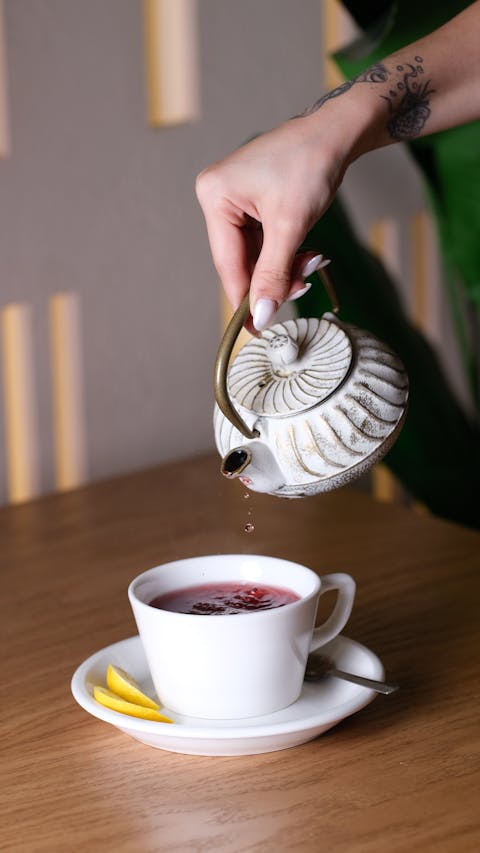
I aim for two to three cups per day during heavy pollen weeks. On maintenance days outside of peak season, one cup in the morning is plenty. Some herbalists recommend drinking a full quart per day for the first two weeks when you are building up a reserve before allergy season hits.
Listen to your body. Nettle is mildly diuretic, which means it gently encourages urination. If you notice that effect, it is normal. Just make sure you are drinking regular water too.
When to Start Drinking It
The biggest lesson I learned was timing. Starting nettle two weeks before pollen spikes is more effective than starting on the day your symptoms arrive. Your immune system needs time to respond. Watch your local pollen forecast and set a reminder on your calendar.
My Recommended Nettle Tea Products
Quality matters with any herb. I stick to organic sources because nettle can absorb whatever is in the soil where it grows. These are the products I keep on rotation during allergy season.
Traditional Medicinals Organic Nettle Leaf Tea
The easy starter tea with pre portioned bags and a trusted name

The Wellthie One Review
This is the one I hand to friends who are new to herbal teas. The bags are compostable, the sourcing is clean, and the flavor is mild with a grassy, earthy finish. Sixteen bags go quickly during peak season, so I stock up.
Traditional Medicinals Nettle Tea Attributes
- USDA organic, non GMO verified, kosher
- Sixteen compostable tea bags per box
- Caffeine free, safe for daytime and evening sipping
- Single ingredient: organic stinging nettle leaf
- Pharmacopoeial grade herb, tested for identity and quality
If you prefer brewing loose leaf, especially for that long overnight infusion I described earlier, a cut and sifted organic nettle is a better fit. You get more tea per dollar, and you can control the strength. For more simple herbal rituals like this, see my guide on digestive bitters for bloating if you are building a small home apothecary.
FGO Organic Nettle Leaf Loose Tea
Cut and sifted organic nettle for overnight infusions and strong brews

The Wellthie One Review
The four ounce resealable bag goes a long way because a little loose leaf makes a concentrated brew. I use this one for the overnight quart jar method. The aroma is clean and fresh, not musty or dusty the way some bulk herbs can be.
FGO Organic Nettle Leaf Loose Tea Attributes
- Certified USDA organic, non GMO
- Cut and sifted, ready for loose leaf brewing
- Resealable bag keeps the leaves fresh between uses
- Caffeine free, single ingredient
- Makes dozens of cups or multiple overnight infusions
What If You Do Not Like the Taste?
Nettle has a green, hay like flavor. Some people describe it as the taste of a summer field. Others find it a little too earthy. If you are in the second camp, try a few simple tweaks.
Add a squeeze of lemon for brightness. A drizzle of raw honey softens the bitterness and adds its own mild pollen exposure, which some allergy sufferers swear by for local tolerance. You can also blend nettle with peppermint, ginger, or lemon balm. Those combinations mask the grassiness while keeping the allergy benefits intact.
Iced nettle is another trick. Brew it strong, pour over ice, and add a sprig of mint. On warm pollen heavy afternoons, a cold glass feels better than a hot cup anyway.
Going Beyond Tea: When to Consider a Capsule
Some people find tea is not convenient for daily consistency, especially during busy workdays. A standardized nettle leaf capsule or a nettle and quercetin combination can be a practical alternative. The combination works well because quercetin is fat soluble and absorbs better with food.
Eclectic Herb Nettle Quercetin Capsules
A nettle and quercetin duo for daily allergy support in a convenient capsule

The Wellthie One Review
Eclectic Herb uses fresh freeze dried nettle leaf, which preserves more of the plant’s active compounds than standard drying. Pairing the nettle with quercetin gives you two allergy friendly plant compounds in one capsule, which is why this blend has held up with herbalists for years.
Eclectic Herb Nettle Quercetin Attributes
- Ninety vegan capsules per bottle
- Non GMO, free of common allergens
- Fresh freeze dried nettle leaf combined with quercetin
- Third party tested for purity and potency
- Made in the United States at a certified facility
Who Should Be Careful With Nettle Tea
Nettle is considered very safe for most adults, but there are a few situations where you should check with your healthcare provider first. If you take blood thinners, blood pressure medication, diuretics, or lithium, nettle may interact with those. Pregnant women typically avoid nettle in the first trimester, though many midwives recommend it later in pregnancy for mineral support.
Start with one small cup the first day. Wait a few hours. If you feel fine, work up to your daily target. This is how I approach any new herb, and it has saved me from surprises more than once.
Putting It All Together for Your Allergy Season
Here is the simple protocol that works for me. Start nettle tea two weeks before pollen peaks in your area. Drink two to three cups per day during heavy weeks. Use tea bags for convenience, or a long overnight infusion for maximum plant compounds. If tea is not realistic for your schedule, a nettle and quercetin capsule is a solid alternative.
Pair your tea with the basics that calm any immune overreaction. Keep pollen off your pillow by washing bedding frequently. Support your gut with fermented foods. Filter the air in your bedroom while you sleep. Small things stack up. If you want one more gentle habit to combine with nettle season, my piece on how to regulate your nervous system naturally walks through exercises that may calm histamine reactions by lowering baseline stress.
Nettle is not a miracle, but it is the kind of gentle, time honored remedy that fits a natural first approach. If you have been reaching for antihistamines every spring and wondering if there is a calmer way, this is a good first experiment. Brew a cup tonight, and start a week earlier than you think you need to. Your spring self will thank you.
Looking for another natural antihistamine to pair with nettle? Our guide on quercetin for seasonal allergies walks through how this plant flavonoid works as a natural mast cell stabilizer.
This article may contain affiliate links. As an Amazon Associate, The Wellthie One earns from qualifying purchases at no extra cost to you. This small commission helps us keep creating content like this. The information above is for educational purposes only and is not intended to diagnose, treat, cure, or prevent any disease. Always consult a qualified healthcare provider before adding a new herb to your routine.


