
If you are searching for how to use bee pollen for seasonal allergies at home, here is the short version: start with a tiny amount of raw, local bee pollen (a few granules under the tongue), take it daily for several weeks before your worst allergy season, and slowly build up to about a teaspoon. The idea is gentle immune exposure to local pollen, which some people find takes the edge off seasonal symptoms. It is not magic and it is not a pill. But it might be the most interesting superfood I keep coming back to in my own spring routine.
I am Andrea, and I will be upfront: I am not a pill-taker. I tried the fancy prescription allergy meds for years and hated the fogginess. When a friend at the farmers market handed me a jar of local bee pollen and said “just try a few granules,” I was skeptical. Three springs later, I still start nibbling granules in late February to prep for the April pollen wave here. Below is everything I wish someone had told me in plain language the first time.
Find Your Bee Product Match
Goal × allergy status × format = matched bee product (pollen / propolis / royal jelly / honey).
What you will learn in this video:
Bee products worth keeping on hand


- How bee pollen may train the immune system to recognize local pollens
- The small-dose starting protocol used by many natural health practitioners
- Safety signs to watch for on day one, especially if you have any bee sting history
- Why sourcing matters: raw, unheated, and ideally from hives within 50 miles of where you live
What Is Bee Pollen and Why Do People Use It for Allergies?
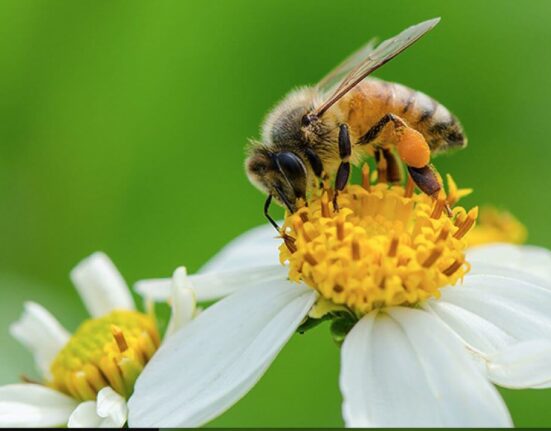
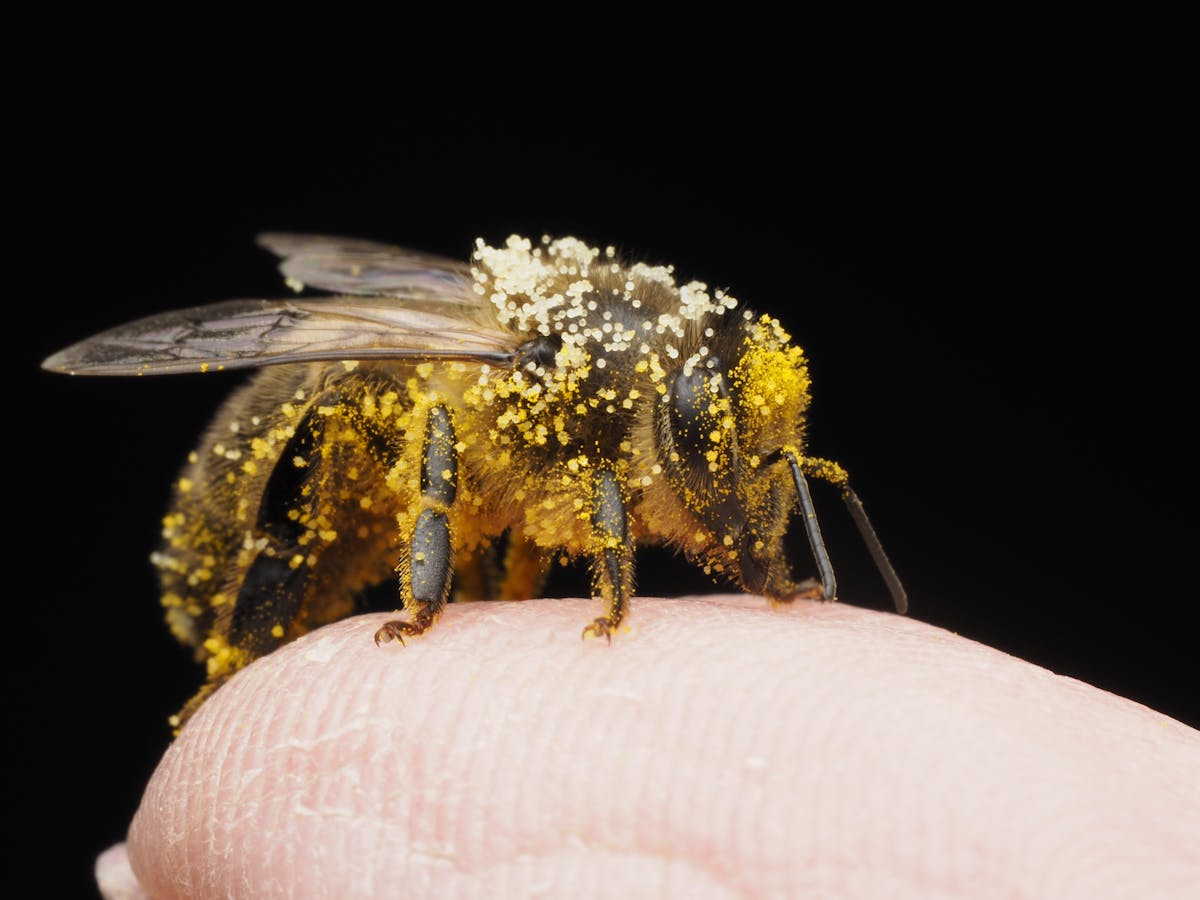
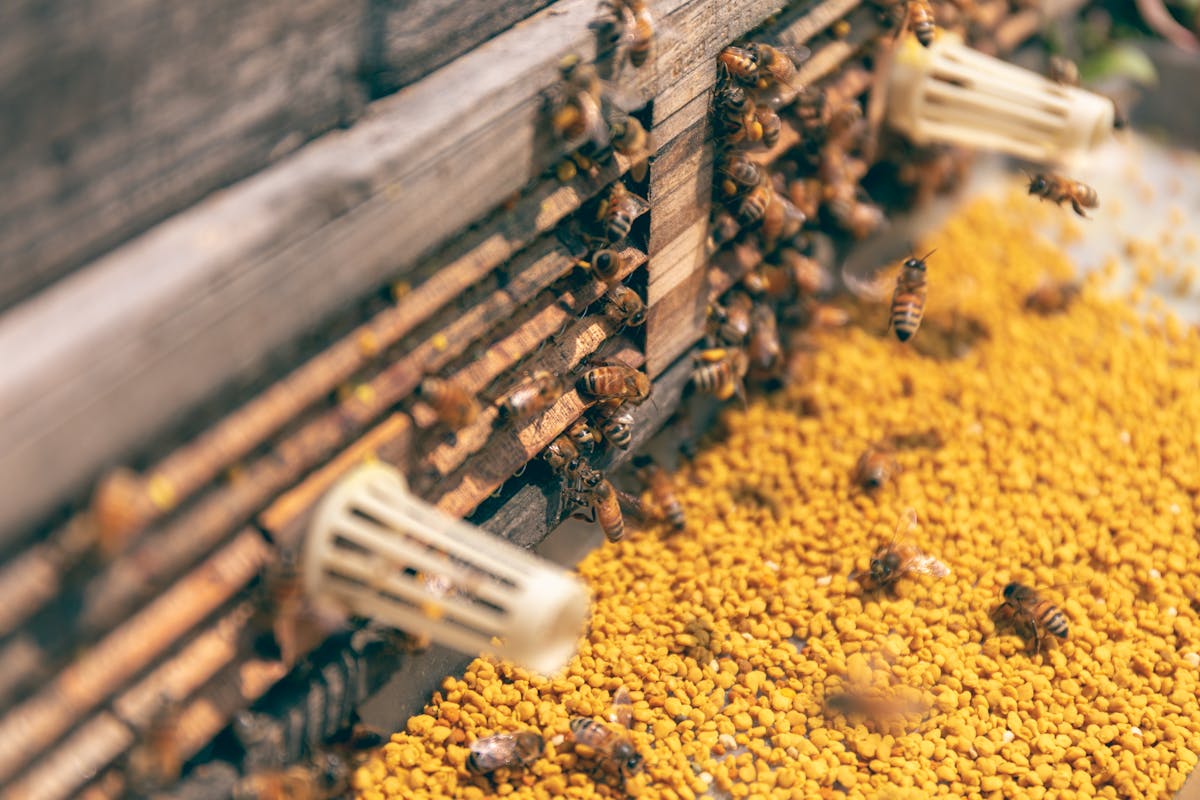
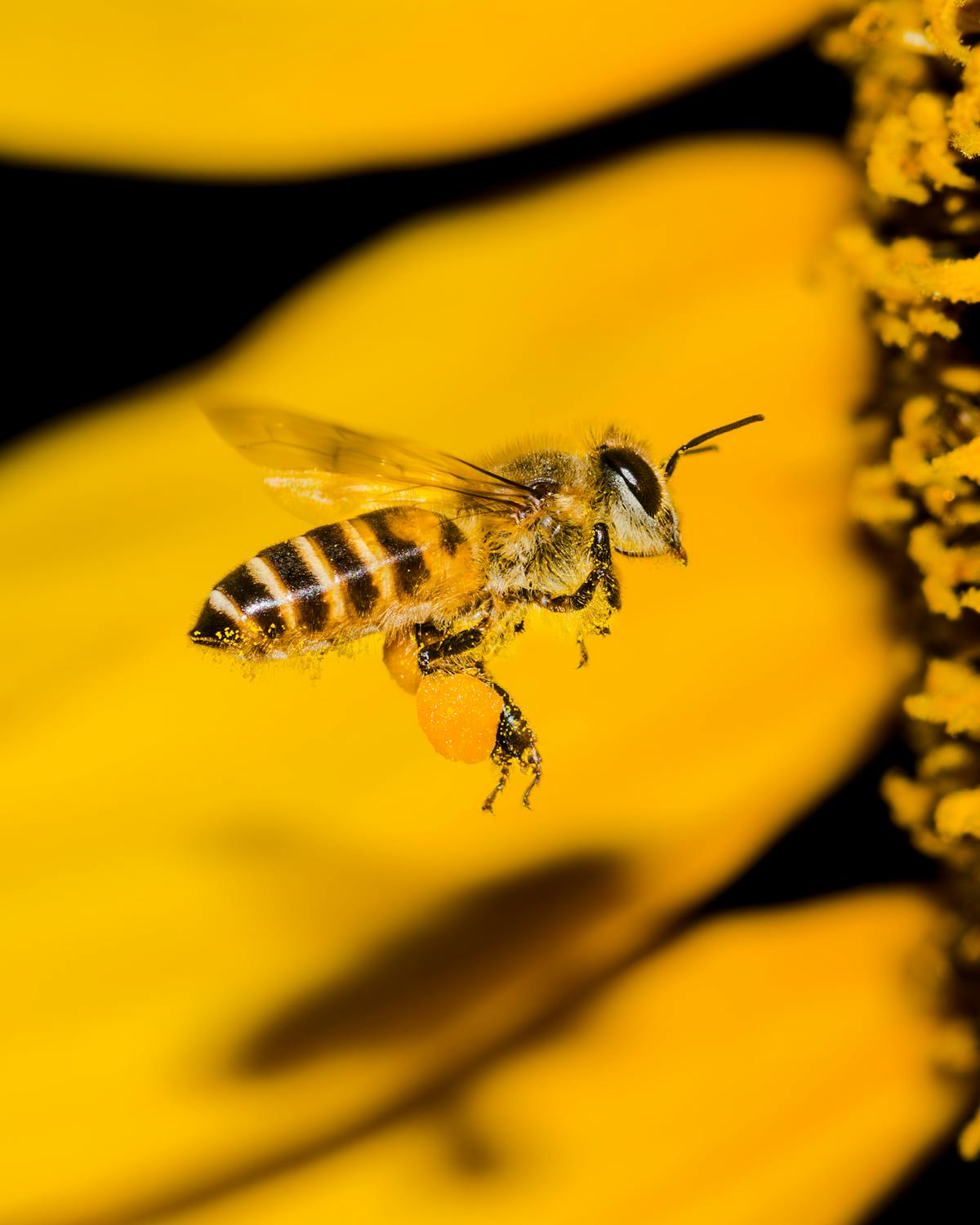
Bee pollen is the tiny granule worker bees pack onto their legs as they visit flowers. Honeybees mix flower pollen with a touch of nectar and their own enzymes, then bring it home to feed the colony. A beekeeper collects a portion at the hive entrance using a pollen trap, which is why granules from different farms can vary in color, from pale yellow to brick red.
The theory behind using it for seasonal allergies is similar to how allergy immunotherapy works: exposing the immune system to small, steady doses of local pollen may help it stop overreacting to the same pollen when it arrives on the wind. A 2008 study published in the journal Annals of Allergy, Asthma and Immunology examined honeybee products and allergic rhinitis and suggested some symptom benefits, though more research is needed. Studies suggest it may help, but bee pollen is not an FDA-approved allergy treatment.
Nutritionally, bee pollen is also interesting. It contains small amounts of protein, B vitamins, trace minerals, amino acids, and antioxidants. That is why it is often called a superfood. You are not eating it for the calories, you are eating it as a concentrated garden in granule form.
Mold and mycotoxin work is brutal when it's actually mold and frustrating when it isn't. The same brain fog, fatigue, and inflammation show up across all four toxic load types, which is why so many people spend months on the wrong protocol before that becomes obvious. The 2-minute What's Draining Your Brain Tool helps confirm or rule out mold as your dominant load before you commit to the next phase of work.
Who Should Skip Bee Pollen
If you have ever had a severe reaction to a bee sting, do not experiment with bee pollen. If you have known allergies to honey or other bee products, talk to your doctor first. Pregnant or breastfeeding women should check with their provider. Kids under age one should never be given bee pollen or raw honey.
How to Use Bee Pollen for Seasonal Allergies: My Step-by-Step Routine
This is the protocol I worked up to after a lot of trial and error. It is gentle and it respects the fact that bee pollen is a real food with real compounds. There are no shortcuts here, just patience.
What’s draining your brain?
Brain fog, fatigue, sluggish digestion — usually one of 4 toxic load types is behind it: heavy metals, parasites, mold, or burned-out adrenals. Each type needs a completely different protocol. Take the 2-minute quiz to find out which one is draining you.
Step 1: Start With a Tiny Dose for Three Days
On day one, place two or three granules under your tongue and let them dissolve. That is it. You are watching for any tingle, itch, stomach upset, or swelling. If anything feels off, stop and do not continue. If you feel fine, repeat the same dose on day two and day three.
Step 2: Slowly Build Up Over Two Weeks
After three calm days, increase to a quarter teaspoon in the morning. Every three to four days, add another small pinch. I personally work up to about a teaspoon daily over roughly two weeks. Some people go to a tablespoon, but a teaspoon has been enough for me.
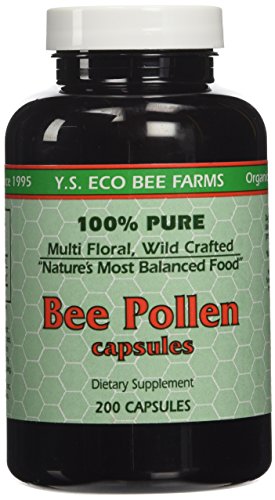
Raw Bee Pollen Granules, 3.5 oz Starter Size

Source: amazon.com
A small 3.5 oz jar of raw granules. Great for a first-time trial before committing to a larger jar.
Check Price On AmazonThe Wellthie One Review
Raw Bee Pollen Granules Attributes
- Small 3.5 oz jar keeps the commitment low for beginners
- Raw and unheated granules for maximum nutrient integrity
- Mild, slightly floral flavor
- Resealable pouch keeps the granules dry
This is the jar I recommend to anyone who is nervous about trying bee pollen. The smaller size means you can finish it in a few weeks, check how your body responds, and decide whether to upgrade to a bigger jar next season. I like that it is raw, not toasted, because heat can degrade some of the delicate enzymes in the pollen.
Step 3: Take It Consistently, Not Randomly
Bee pollen is not like an antihistamine you pop when symptoms hit. The theory relies on daily, steady exposure. I take mine first thing in the morning with a glass of water or stirred into yogurt. If you are trying it for allergy support, plan to start four to six weeks before your worst symptom window.
Why Local Bee Pollen Matters More Than Fancy Packaging
This is the part most blog posts skip. If you are hoping bee pollen will nudge your immune system toward tolerance of the pollens floating around your yard, then the bees producing it should be feeding from plants in your region. A jar of bee pollen from halfway across the country will still be nutritious, but it will not contain the specific pollens making you sneeze in your own driveway.
I always check the farmers market first. When that fails, I look for brands that disclose the state or country where the pollen was collected. Some of the large-batch brands blend pollen from multiple regions, which can be a plus if you travel or a minus if you want hyper-local exposure. For general nutrition and a consistent, clean product, I like trusted organic options.
HACIBALI Organic Bee Pollen Granules, 1 lb

Source: amazon.com
EU and USDA organic certified, raw granules from Anatolian hives. Good option when local is not available.
Check Price On AmazonThe Wellthie One Review
HACIBALI Organic Bee Pollen Attributes
- USDA and EU organic certified for clean sourcing
- 1 lb jar lasts for months at a teaspoon per day
- Halal, Kosher, and GMP audited
- Consistent granule size and mild natural aroma
If you cannot find a local source at your farmers market, this is the jar I order online. The organic certifications give me peace of mind about pesticide exposure, and the flavor is mild enough to sprinkle over oatmeal without overpowering breakfast. At a teaspoon a day, a 1 lb jar has lasted our household through a full allergy season.
Easy Ways to Actually Eat Bee Pollen
Plain granules are fine, but after a few weeks most people want to change it up. Here are the ways I rotate through depending on my mood.
- Under the tongue: the fastest method. A few granules dissolve in about two minutes.
- In yogurt: sprinkle a teaspoon over plain Greek yogurt with honey and berries.
- On oatmeal: add after cooking so the granules do not overheat.
- In smoothies: blend with a banana, frozen blueberries, and a little almond milk.
- On toast with honey: a simple classic that works for kids over age one.
One note on heat: try not to cook bee pollen. The delicate enzymes and some vitamins are heat-sensitive. Warm oatmeal is fine, but do not bake it into muffins and expect the same benefits.
Research behind bee products
- Nouri-Aria KT, et al. (2004). Grass pollen immunotherapy induces mucosal and peripheral IL-10 responses and blocking IgG activity. Journal of Immunology, 172(5):3252-9. [DOI]Mechanism research: grass pollen immunotherapy (similar mechanism to oral bee-pollen exposure) induces IL-10-mediated immune tolerance + protective IgG4 antibodies that block IgE-allergen complexes – the immunological basis for the “build up tolerance” approach with locally-sourced bee pollen.
- Francis JN, et al. (2003). Induction of IL-10+CD4+CD25+ T cells by grass pollen immunotherapy. Journal of Allergy and Clinical Immunology, 111(6):1255-61. [DOI]Regulatory T-cell induction is the mechanism behind sustained allergy benefits from immunotherapy. Bee pollen taken orally over 4-6+ weeks may engage the same pathway when sourced from local plants.
What I Pair It With (and What I Do Not)
Bee pollen is one piece of a bigger routine. The things that actually move the needle for my spring allergies, in order of impact, look more like this: a really clean HEPA air filter running in the bedroom, rinsing my sinuses with a saline rinse at night, showering after time outside to wash pollen off my hair, and making sure my gut is in good shape with fermented foods. Bee pollen sits on top of that, not instead of it. You can read more in my guide on how to improve gut health for allergies, which covers the gut and immune connection in more detail.
Things I do not pair bee pollen with: heavy antihistamines on the same day I am starting out, because it can be hard to separate a mild reaction from the drowsy side effect of the pill. I also skip it when I am traveling to brand new regions where I cannot source local pollen, since the benefit specifically comes from the match to local flora.
For people still working on their broader immune foundation, I found my earlier post on how to regulate your nervous system naturally really useful, because a stressed nervous system tends to mean a more reactive immune system.
Best Bee Pollen for Families and Bigger Households
If more than one person in your house is trying bee pollen, or you eat it often, a small jar will disappear fast. For regular use, I prefer buying a larger size. It is more cost-effective per ounce, and you are less likely to run out in the middle of your build-up phase.
Micro Ingredients Pure Bee Pollen Granules, 2 lb

Source: amazon.com
Larger 2 lb size for households who already know bee pollen agrees with them. Fresh harvest, raw, and non-GMO.
Check Price On AmazonThe Wellthie One Review
Micro Ingredients Bee Pollen Attributes
- Large 2 lb size, best value by weight in this roundup
- Fresh harvest, raw, and unheated
- Rich in B vitamins, minerals, and antioxidants
- Keto-friendly and non-GMO
I keep this jar as the household workhorse. My favorite use is stirring a teaspoon into morning yogurt, which is the easiest way for busy families to build the habit. The granules are uniform and the flavor is mild enough that picky eaters do not complain.
Common Mistakes People Make With Bee Pollen
- Starting with a full tablespoon on day one. This is the fastest way to scare yourself off if your body does not love it. A few granules first, always.
- Taking it only during peak symptoms. The immune exposure idea works best with weeks of consistent small doses before the worst pollen hits.
- Cooking with it. Heat degrades the enzymes. Sprinkle it on, do not bake it.
- Storing it warm. Keep your jar in the fridge or freezer after opening to preserve freshness.
- Expecting miracles. Bee pollen is one tool. It stacks with good sleep, clean air, and a supported gut. It does not replace any of them.
How Long Until You Notice Anything
Most people who try bee pollen for seasonal allergies give it an four to six weeks of daily use before judging results. Some notice small shifts in energy or skin within a couple of weeks. The allergy-specific benefit, if it shows up for you, is usually a subtle drop in reactivity, fewer dramatic sneezing fits or a less stuffy morning, rather than a dramatic overnight change.
Keep in mind that pollen seasons vary year to year. If the local oak count is off the charts, even the best routine will have limits. I track how I feel in a simple notebook each spring so I can compare years rather than relying on memory.
Bee Pollen Storage and Freshness
Fresh bee pollen has a slightly moist, springy texture. Dried or shelf-stable granules are more brittle and keep longer. Either way, once you open the jar, it is best stored in the fridge to preserve the volatile compounds and keep it from clumping. A tight seal is essential because bee pollen readily absorbs moisture from the air, which can cause mold over time.
I keep a small working jar at room temperature for the week and store the main supply in the freezer. This has worked well for keeping granules fresh for months. If you ever see a color change to gray or smell anything off, discard it.
Bee Pollen vs. Local Honey for Allergies
A quick word because people often ask. Local raw honey is honey made from the nectar bees collect in your area, and some people swear by it for allergy support. The catch is that honey contains very little actual pollen compared to a jar of bee pollen granules. Honey might be soothing and tasty and slightly exposing, but bee pollen is the concentrated form. Many people use both.
Final Thoughts From My Pantry
Bee pollen is not a pill, and it is not a cure. It is a small daily ritual, paired with the less-glamorous basics like clean air, good sleep, and a healthy gut, that may nudge your immune system toward a less reactive stance during pollen season. It takes patience, local sourcing, and a willingness to start small and watch your body carefully.
If you have stuck with natural allergy protocols before, the rhythm will feel familiar. If bee pollen is new to you, give it four to six weeks before deciding, and keep it in the context of a full routine. For more of my natural routines, check out my guide on how to detox microplastics from your body naturally, which layers cleanly with a clean-eating spring reset.
This post may contain affiliate links, which means we may receive a small commission, at no cost to you, if you make a purchase through a link.
Why bee products work alongside drainage, not instead of it
Bee pollen, propolis, royal jelly, and raw honey are concentrated bioactive foods. They support immune modulation, hormone metabolism, mucosal healing – but they cannot do what they’re built for if your drainage pathways are clogged. Seasonal allergies amplified by mold exposure, gut dysbiosis driving immune chaos, accumulated environmental toxins keeping inflammation high – these are upstream of what bee products can address.
The Toxic Load Assessment maps where YOUR system is bottlenecked so the bee products you’re taking finally have the room to work – rather than just helping you manage symptoms while the underlying load keeps growing.
Take the Toxic Load Assessment →