

What Is Brain Dump Journaling?
Brain dump journaling is the practice of writing down every thought in your head. You do not filter, organize, or judge what comes out. You simply transfer your mental clutter onto paper.
Think of it as emptying a crowded drawer. Everything gets pulled out so you can see what is actually there. Once it is all on paper, your mind feels lighter and clearer.
This technique works for anyone who feels mentally overloaded. It is especially helpful for people who deal with racing thoughts, long to-do lists, or constant worry.
What you will learn in this video:
- A quick brain dump method that clears mental fog in minutes
- Why writing things down reduces anxiety and overwhelm
- How to turn a brain dump into an action plan
- Simple tips you can use starting today

Why Brain Dump Journaling Helps with Overwhelm
Your brain can only hold so many thoughts at once. When it gets overloaded, you feel stuck. Brain dump journaling creates space by moving thoughts out of your head.
Research on expressive writing shows real benefits. Studies suggest it can reduce intrusive thoughts by up to 35 percent. It may also improve sleep onset by about nine minutes.
Writing things down gives you a sense of control. You can see your worries on paper instead of feeling them swirl inside. This simple shift helps you separate real problems from mental noise.
Anxiety feeds on uncertainty. A brain dump makes the uncertain feel manageable. Once you can read your thoughts, you can decide what actually needs your attention.
How to Do a Brain Dump in 5 Simple Steps
You do not need special tools or training. A pen and a blank page are enough to get started. Follow these five steps for your first session.
Step 1: Set a Timer for 15 Minutes
Give yourself a clear window of time. Fifteen minutes is enough to get most thoughts out. Setting a timer removes the pressure of wondering when to stop.
Step 2: Write Everything Down
Do not hold back. Write tasks, worries, ideas, feelings, and random thoughts. Spelling and grammar do not matter here. Speed matters more than neatness.
Step 3: Do Not Organize While Writing
Resist the urge to sort or prioritize as you go. That comes later. Right now, your only job is to empty your mind onto the page.
Step 4: Review and Sort
After writing, take two minutes to scan your list. Circle anything urgent. Cross out anything that does not actually need your attention. Group similar items together.
Step 5: Pick Your Top Three
Choose the three most important items from your dump. These become your focus for the day. Everything else can wait.

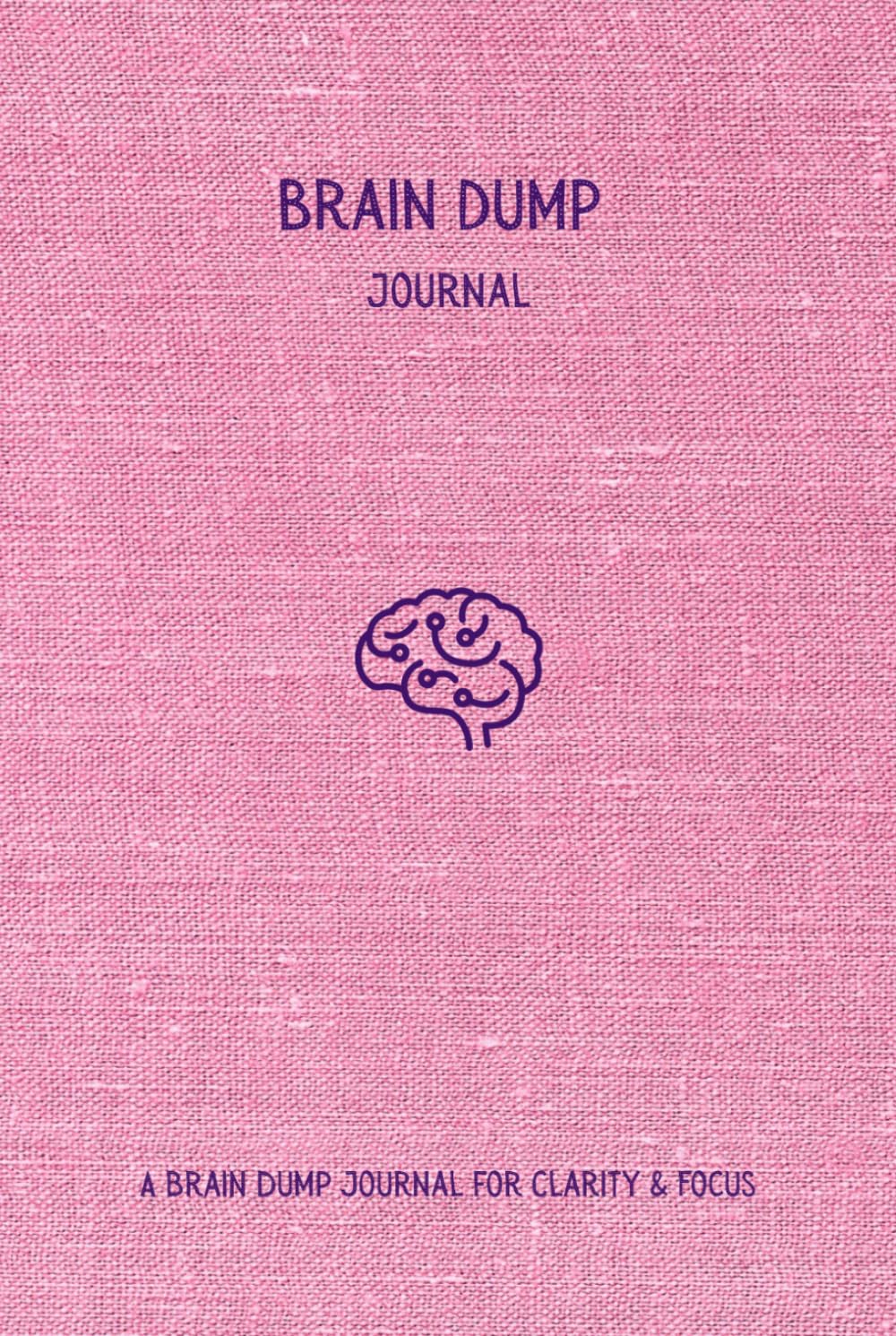
Brain Dump Journal by Enzo Rossi
Source: amazon.com
A minimalist notebook designed for clarity, focus, and mental reset
The Wellthie One Review
This journal by Enzo Rossi keeps things clean and simple. The minimalist layout gives you plenty of open space to write freely. There are no complicated prompts or sections to fill in. It is designed to help you get thoughts out of your head fast. The compact size makes it easy to carry in a bag or keep on your nightstand.
Brain Dump Journal by Enzo Rossi Attributes
- Minimalist design with open writing space
- 120 pages for daily or weekly brain dumps
- Compact size that fits in a bag or on a desk
- Simple layout that encourages free-flow writing
The Best Times to Brain Dump
Brain dump journaling works best at key transition points in your day. These are the moments when mental clutter tends to pile up the most.
Before bed: Racing thoughts at night are one of the top causes of poor sleep. A quick brain dump clears the mental queue so you can rest.
Before focused work: Dump distractions onto paper before you start a project. This helps you concentrate on one task at a time.
During emotional overwhelm: When everything feels like too much, writing it down breaks the cycle. It moves you from feeling to thinking.
Sunday evening: Many people feel the “Sunday scaries” before the work week. A brain dump on Sunday night helps you walk into Monday with a clear plan. You can also try habit stacking to make brain dumping part of your routine.

Brain Dump Journal 2026: ADHD-Friendly Planner

Source: amazon.com
ADHD-friendly planner with mood tracker, anxiety pages, and weekly planning layouts
The Wellthie One Review
This planner is built for people who need more structure. It includes mood trackers, anxiety pages, and space for weekly planning. The ADHD-friendly layout keeps things visual and easy to follow. If you struggle with focus or time management, this journal meets you where you are. It balances flexibility with just enough structure to keep you on track.
Brain Dump Journal 2026 ADHD-Friendly Planner Attributes
- Monthly and weekly planning sections
- Built-in mood tracker and anxiety pages
- Designed for ADHD and neurodivergent minds
- Includes appointment and expense tracking
Tips to Make Brain Dump Journaling a Habit
Like any practice, brain dump journaling works best when you do it regularly. Here are some tips to help it stick.
Keep your journal in the same spot every day. Make it visible so you remember to use it. A journal on your nightstand works well for bedtime brain dumps.
Pair it with something you already do. Write right after your morning coffee or right before brushing your teeth at night. This “habit stacking” approach makes new habits feel automatic.
Do not aim for perfection. Some days your brain dump will be messy and short. That is fine. The goal is consistency, not polish.
Try different formats to see what works for you. Some people prefer lists. Others prefer long-form writing. There is no wrong way to do a brain dump.

The Brain Dump Notebook by Djowo Freez

Source: amazon.com
Minimalist daily planner with task capture, to-do lists, and productivity organizer sections
The Wellthie One Review
This notebook bridges the gap between freewriting and planning. It gives you space to dump your thoughts and then organize them into tasks. The daily task list and priority tracker help you turn a chaotic brain dump into a clear action plan. It is ideal if you want a journal that does double duty as a planner.
The Brain Dump Notebook Attributes
- Structured sections for tasks, ideas, and thoughts
- Built-in daily to-do list and priority tracker
- Minimalist design that is easy to navigate
- Works as both a brain dump journal and daily planner
Who Benefits Most from Brain Dump Journaling
Brain dump journaling helps almost anyone. But some people benefit more than others. If you deal with chronic overthinking, this practice can be a game changer.
People with ADHD often find it helpful for managing scattered thoughts. Parents juggling multiple responsibilities use it to stay organized. Students use it before exams to clear test anxiety.
Even if you do not feel overwhelmed right now, regular brain dumps can prevent stress from building up. Think of it as mental maintenance rather than emergency relief.
This post may contain affiliate links, which means we may receive a small commission, at no cost to you, if you make a purchase through a link.


