
Build My 3-Day Low-Histamine Starter Plan
Tell us your situation. Get a personalized 3-day meal scaffold + supplement stack to start today.
STEP 1 OF 3 — HOW SEVERE
STEP 2 OF 3 — EATING STYLE
STEP 3 OF 3 — MAIN SYMPTOM
A low-histamine diet is a short-term eating approach that lowers the amount of histamine coming in through food, so an already-overloaded system gets a chance to settle. If you flush after a glass of wine, get headaches from leftovers, or feel itchy and congested after certain meals, food histamine may be tipping you over the edge. The goal here is not to eat this way forever — it is to calm the symptoms enough that you can figure out what is actually driving them.
Below you will find a clear list of low-histamine foods to enjoy, the high-histamine foods worth limiting, the one rule about freshness that matters more than any list, and a simple sample day to show how easy it can be. We will also cover where a low-histamine diet fits into the bigger picture, because food is only ever half the story.
Food is only half the histamine story
A low-histamine diet calms the symptoms, but what keeps your bucket overfilling is usually an upstream pattern — a stalled liver, low DAO, stress, or a toxic backlog. Knowing which one is yours is what turns weeks of careful eating into lasting relief instead of an endless food list.
Find My Toxic Load Type — Free 90-Second Quiz →Low-Histamine Supplement Stack




Find My Histamine Trigger Match
Histamine spillover usually traces back to one of 4 upstream drivers. Answer 5 quick questions and you'll see which one is most likely loading your bucket right now — plus 3 immediate moves to start clearing it.

What a low-histamine diet actually is
Histamine is a natural compound found in many foods, and it builds up as food ages, ferments, or is stored. Your body normally breaks down food histamine with an enzyme called DAO (diamine oxidase) made in your gut. When your DAO can't keep up — because of gut inflammation, genetics, certain medications, or simply too much histamine arriving at once — the excess spills over and triggers symptoms that look a lot like an allergy: flushing, hives, headaches, congestion, loose stools, racing heart, or anxiety.
A low-histamine diet works by lowering the incoming load so your DAO can catch up. It is not a cure and it is not a forever diet. Think of it as taking weight off the scale long enough to see what else is on it.

Solaray DAO Enzyme 60,000 HDU
DAO is the enzyme that breaks down histamine in food. Taking a DAO supplement 15 minutes before a meal you can't fully control (a restaurant dinner, travel) gives your gut backup so an occasional higher-histamine plate is less likely to tip you over.
View on Amazon →Low-histamine foods to enjoy
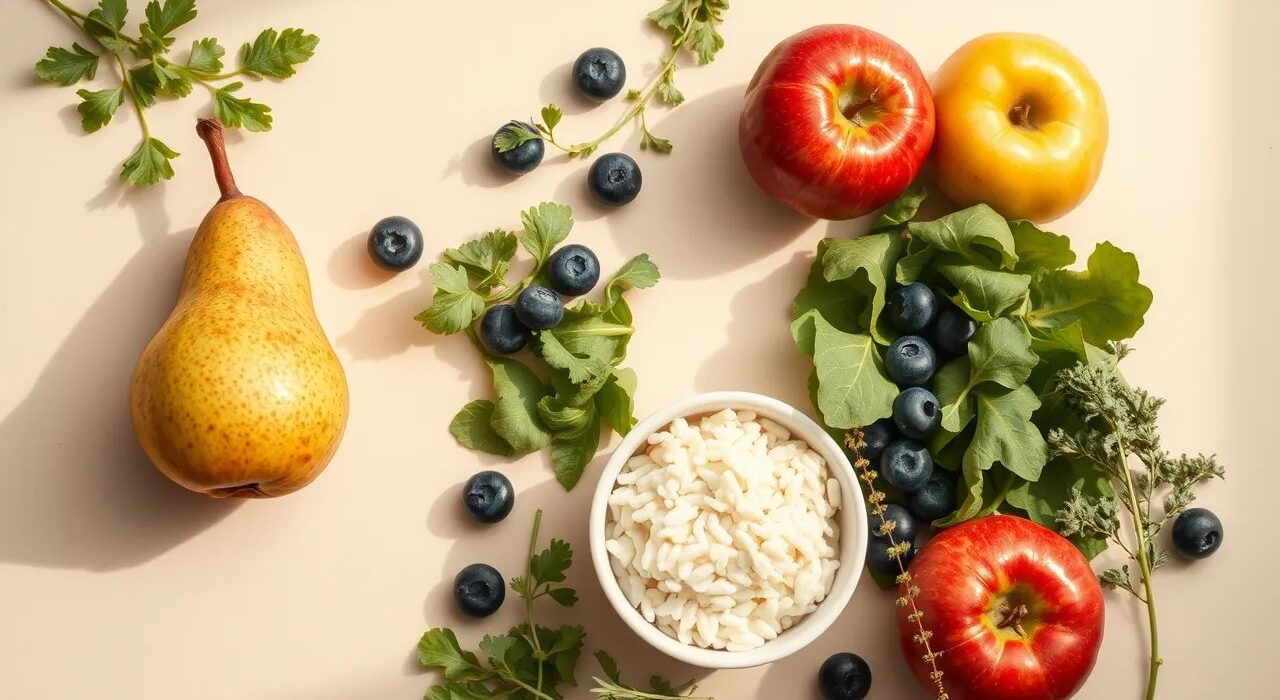
The freshest, simplest foods are almost always the lowest in histamine. Build your plate around freshly cooked meat and poultry, most fresh vegetables, gentle fruits like apple, pear, blueberry and mango, and simple grains like rice, quinoa, and oats. Cook with olive or coconut oil, season with fresh herbs, and you have a meal that is naturally low-histamine without much effort.

Leafy greens are great with one exception — spinach is naturally high in histamine, so swap it for lettuce, arugula, or fresh kale. Fresh is the operative word throughout: a freshly cooked chicken breast is low-histamine, but the same chicken as deli meat or three-day-old leftovers is not.
High-histamine foods to limit
Three groups tend to cause the most trouble. First, naturally high-histamine foods: aged cheeses, cured and smoked meats, fermented foods (sauerkraut, kimchi, yogurt, kombucha, soy sauce), alcohol — especially wine and beer — vinegar, and anything aged or leftover. Second, “histamine liberators” that prod your own cells to release histamine even though they are not high in it themselves: citrus, strawberries, tomatoes, chocolate, and shellfish. Third, DAO blockers: alcohol is the big one, which is why a glass of wine so often sets people off.
A few common surprises land on the limit list too: tomato, spinach, eggplant, and avocado are all naturally higher in histamine, and many people are caught off guard by them. You do not have to avoid every item perfectly — the aim is to pull the overall load down, not to chase a flawless plate.
The freshness rule that matters more than any list
Here is the single most useful thing to understand: histamine is not fixed in a food — it climbs the longer that food sits. Bacteria convert the amino acid histidine into histamine over time, so a piece of fish that is low-histamine at the moment it is caught can be high-histamine a day later in the fridge. The same is true for cooked meat and leftovers.

This is why two practical habits beat any food list: cook in batches and freeze portions immediately rather than refrigerating leftovers for days, and buy the freshest meat and fish you can, using it the same day. Get the freshness piece right and a low-histamine diet becomes far more forgiving.
A simple low-histamine day
You do not need fancy recipes to eat low-histamine — you need fresh, simple plates. Here is what a typical day can look like:
- Breakfast: oatmeal with fresh blueberries and a sliced pear, or scrambled eggs (fresh) with sauteed zucchini.
- Lunch: a fresh-cooked chicken breast over rice with steamed broccoli and a drizzle of olive oil.
- Snack: a fresh apple, a handful of blueberries, or rice cakes with a little fresh-cooked turkey.
- Dinner: freshly cooked grass-fed beef or turkey with quinoa and roasted carrots, zucchini, and arugula.
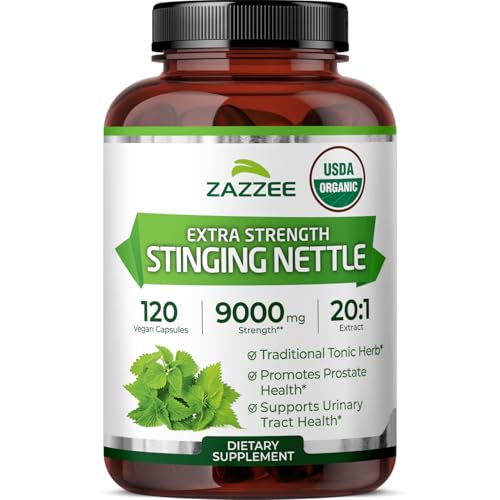
- Drinks: water, fresh nettle or chamomile tea, and freshly brewed coffee in moderation if it agrees with you.
Notice the pattern: nothing aged, nothing fermented, nothing sitting around. Cook it fresh, eat it that day, and freeze the rest.
Beyond the plate: support your DAO and mast cells
Diet does the heavy lifting, but a couple of targeted supports can make the reset smoother — especially for the meals you can't fully control.

ForestLeaf Quercetin with Bromelain 1350 mg
Quercetin is a natural flavonoid that helps stabilize mast cells so they release less histamine in the first place. Paired with bromelain for absorption, it is a gentle daily add-on while you reset.
View on Amazon →
Pure Encapsulations Magnesium (Glycinate) – 180 Caps
Mast cells need adequate magnesium to stay calm, and most people run low. Magnesium glycinate is the most absorbable form and gentle on the gut — 300–400mg at night supports both sleep and steadier histamine release.
View on Amazon →For the full set of strategies beyond food — gut repair, lowering your stress floor, and the supplement details — see our companion guide, How to Lower Histamine Levels Naturally.

A low-histamine diet is one of the most effective ways to feel better fast — but if you find you have to keep the list strict forever, that is a clue. Histamine overload almost always sits downstream of something else: a liver that can't clear fast enough, a depleted gut making too little DAO, or a backlog of toxins quietly priming your mast cells. The diet manages the smoke. Calming the underlying load is what lets you widen the menu again.
Find Your Toxic Load Pattern (Free 90-Second Quiz) →How long should you follow a low-histamine diet?
Most people follow a strict version for two to four weeks, long enough to see whether symptoms ease. If they do, that is your confirmation that food histamine was part of the picture. From there, you slowly reintroduce foods one at a time to find your personal threshold — almost no one needs to avoid every high-histamine food forever. If four weeks of careful eating brings no change at all, histamine in food probably is not your main driver, and that is genuinely useful information too.
For Further Reading
A low-histamine diet is one piece of the puzzle. The broader strategies — herbs, gut healing, and lifestyle — are in How to Lower Histamine Levels Naturally, and if histamine is just one of several things weighing you down, the toxic-load approach to detox shows how the bigger picture fits together.
Frequently Asked Questions
What foods are highest in histamine?
The biggest offenders are aged cheeses, cured and smoked meats, fermented foods (sauerkraut, kimchi, yogurt, kombucha, soy sauce), alcohol — especially wine and beer — vinegar, and any leftover or aged meat and fish. Tomato, spinach, eggplant, and avocado are higher-histamine surprises.
Can you drink coffee on a low-histamine diet?
Coffee is not high in histamine, but it can act as a mild histamine liberator for some people, meaning it nudges your cells to release histamine. Freshly brewed and in moderation, many people tolerate it fine — pay attention to how you feel and adjust.
How long does it take to feel better on a low-histamine diet?
Many people notice a difference within one to two weeks, and most do a strict version for two to four weeks before reintroducing foods. If nothing changes after four weeks, food histamine probably is not your main driver.
Is a low-histamine diet permanent?
Almost never. It is a short-term reset to calm symptoms, followed by slow reintroduction to find your personal threshold. The long-term goal is to address why your histamine bucket overfills so you can eat a much wider range of foods.
What can I eat for breakfast on a low-histamine diet?
Good options include oatmeal with fresh blueberries and pear, freshly scrambled eggs with sauteed zucchini, or rice porridge with apple. The key is fresh and simple — skip aged cheese, cured breakfast meats, citrus, and yogurt.
Affiliate disclosure: As an Amazon Associate, The Wellthie One earns from qualifying purchases. We only recommend products we have used or carefully researched. This article is for educational purposes and is not medical advice. Histamine intolerance can overlap with other conditions, so please work with a qualified healthcare provider before making major dietary changes or starting new supplements.


