
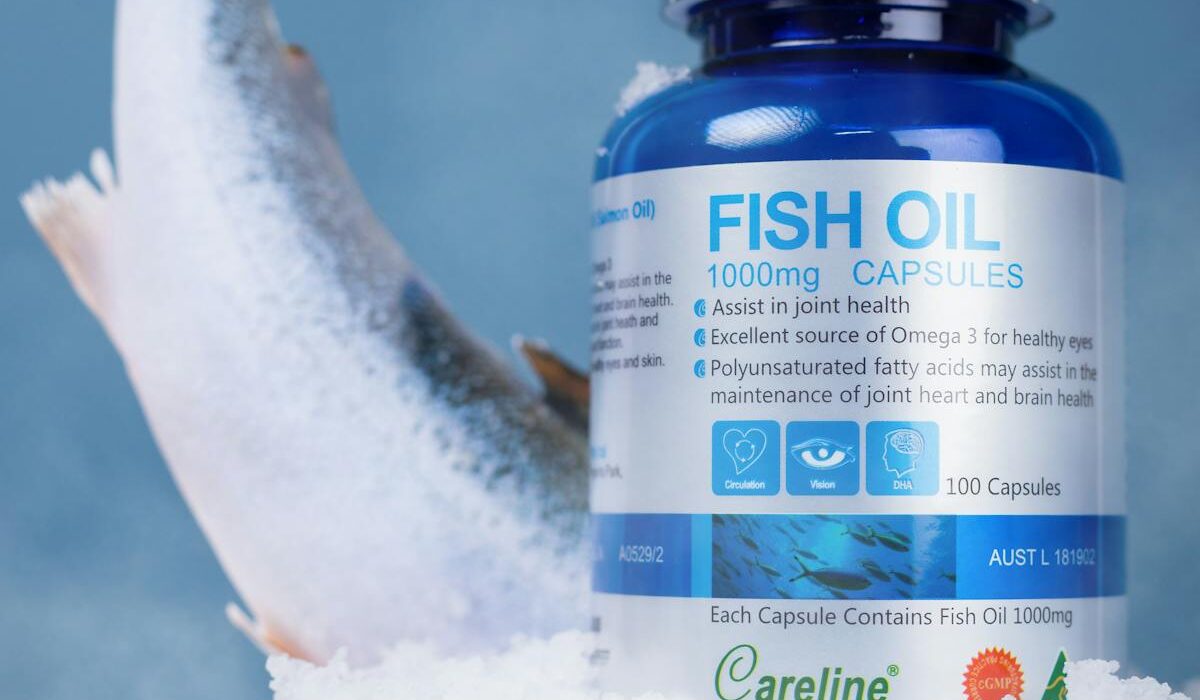
Salmon oil for dogs is a liquid omega 3 supplement made from wild caught salmon. A daily teaspoon poured over food may help reduce itchy skin, promote a glossy coat, support joint comfort in older dogs, and quietly back up heart and brain health. Most owners notice the coat shine within 3 to 4 weeks of consistent use.
Below you will find what salmon oil actually does for dogs, dosing by body weight, three salmon oils we trust for clean sourcing, and the simple rules for safe daily use.
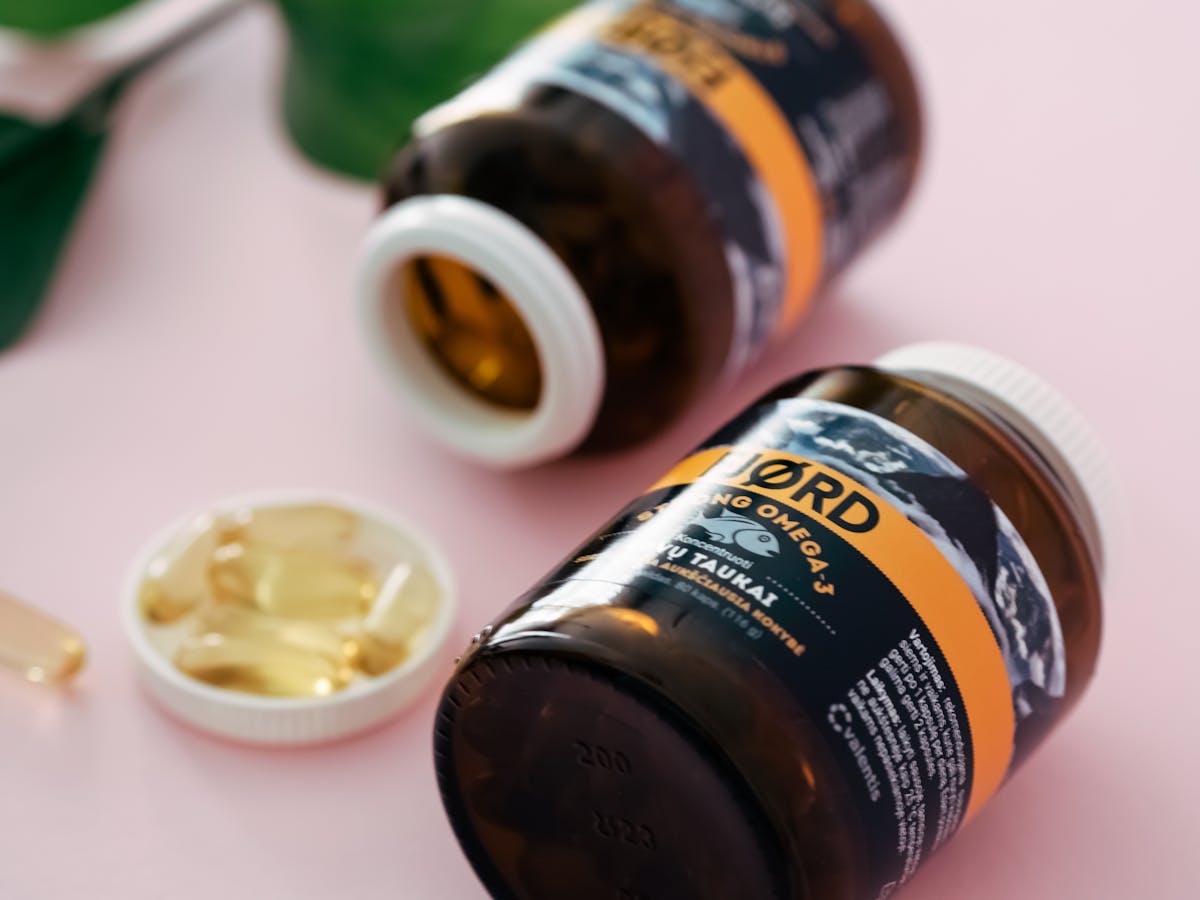
Why Salmon Oil for Dogs Works
Salmon oil is rich in EPA and DHA, two omega 3 fatty acids that the dog body cannot make on its own. These fats are essential for skin barrier function, joint lubrication, brain development in puppies, and quieter inflammation in older dogs. Most commercial dog food is heavy on omega 6 fats and light on omega 3, which leads to a chronic inflammation imbalance.
Veterinary research summarized by the American Animal Hospital Association notes that EPA and DHA from fish oil are associated with improved coat quality, reduced itch, and supportive effects on joint inflammation in dogs. The benefits compound when used consistently over weeks rather than days.
The most visible result for most owners is the coat. Within 3 to 4 weeks of a daily teaspoon, dull dry coats start to shine. Light dandruff fades. Hot spots flare less often. Older dogs move with a little more ease, especially in the mornings. None of this is dramatic in week one, but the cumulative shift is unmistakable by week six.
What you will learn in this video:
- The five rules to follow before adding any fish oil to your dog meals
- How to spot oxidized or rancid fish oil before it harms your dog
- Why bottled glass over plastic matters for omega 3 stability
- The right dose by body weight and what to do if you miss a day
How Much Salmon Oil per Day for Dogs
Dosing matters. Too little does nothing. Too much can cause loose stools and weight gain. A simple rule of thumb works for most dogs.
Salmon oil dosing chart
- Small dog (under 20 lbs): 1/4 to 1/2 teaspoon per day
- Medium dog (20 to 50 lbs): 1/2 to 1 teaspoon per day
- Large dog (50 to 90 lbs): 1 to 1.5 teaspoons per day
- Extra large dog (over 90 lbs): 1.5 to 2 teaspoons per day
Always start with the lower dose for the first week. If stools stay normal, scale up to the higher dose. If you see loose stools, cut back. This is the slowest, gentlest way to add a new supplement.
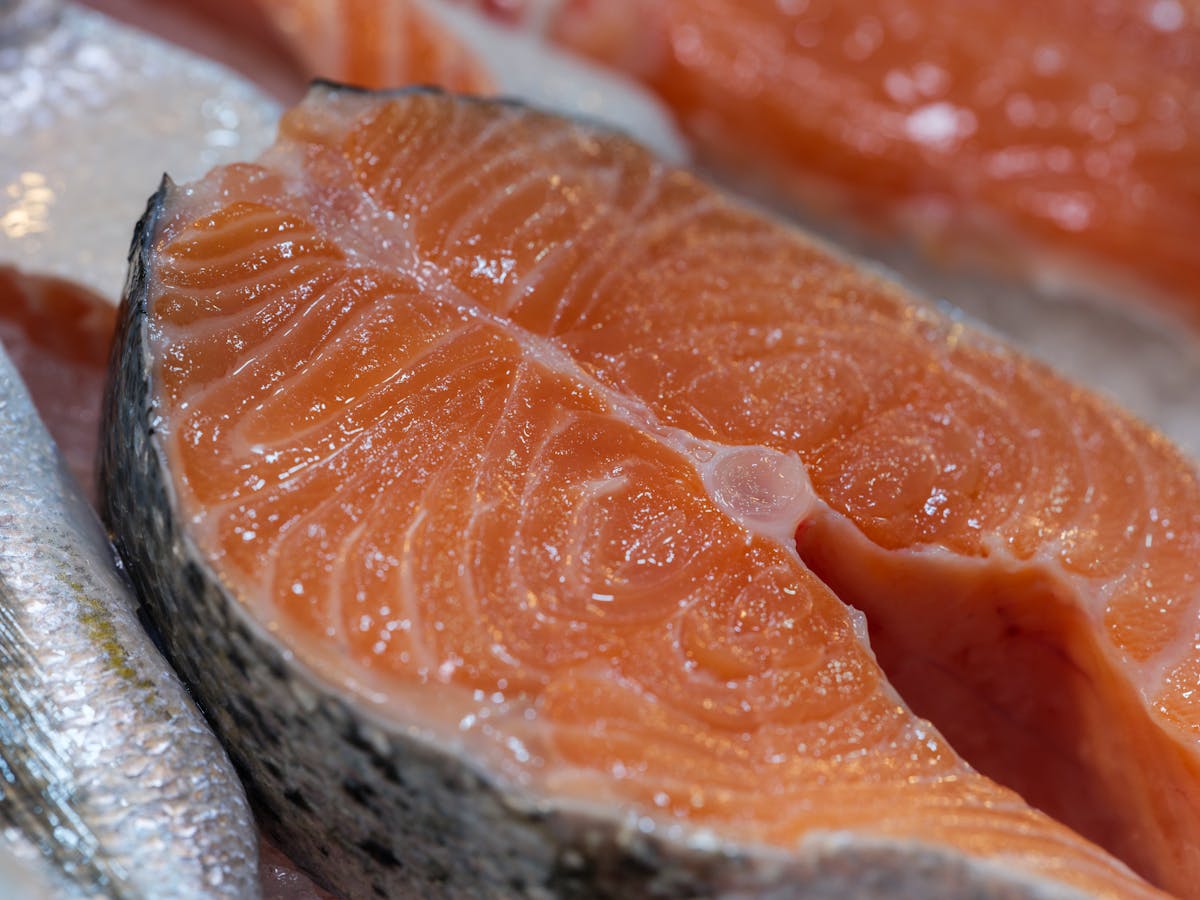
Best Salmon Oil for Dogs Picks
The two things to verify before you buy: wild caught versus farmed (wild is cleaner) and packaging in dark glass or BPA free pump bottles (light and air destroy omega 3s in days). Avoid any brand sold in clear plastic.
Native Pet Wild Alaskan Salmon Oil for Dogs and Cats

Source: amazon.com
Wild caught Alaskan salmon oil pump bottle for skin, coat, joint, heart support.
The Wellthie One Review
Native Pet Wild Alaskan Salmon Oil for Dogs and Cats Attributes
- Wild caught from Alaskan waters, traceable supply chain
- Pump dispenser keeps oxygen out, preserves freshness
- Single ingredient: pure salmon oil, no fillers or flavorings
- Made with the same standards used for human grade omega 3 supplements
Native Pet is the brand we trust most for clean salmon oil. The pump dispenser is what makes the difference; oxygen exposure goes way down compared to a screw cap bottle. We pump one to two squeezes onto food daily. The salmon scent is real but not fishy in the bad way.
The Budget Friendly Pick With Solid Quality
If you want a lower price point but still want quality sourcing, Zesty Paws is widely available and tests every batch for purity. The pollock blend in their formula adds extra omega 3 variety.
Zesty Paws Wild Alaskan Pollock and Salmon Oil

Source: amazon.com
32 ounce pump bottle blending wild pollock and salmon oil for skin and coat support.
The Wellthie One Review
Zesty Paws Wild Alaskan Pollock and Salmon Oil Attributes
- Wild Alaskan blend of pollock and salmon oil
- Larger 32 ounce bottle, lasts months for medium dogs
- Pump dispenser preserves freshness once opened
- Tested for heavy metals and freshness in every batch
A reliable mid range option. The 32 ounce size is the best value per teaspoon. Many owners find the pollock blend has a milder smell than pure salmon oil. Store in a cool dark cupboard or the fridge after opening.
For the Itchy Dog That Needs Real Support
If your dog has chronic skin issues, hot spots, or seasonal allergies, a higher EPA salmon oil paired with a longer commitment makes a noticeable difference. Natural Dog Company makes a clean blend specifically positioned for skin and coat trouble.
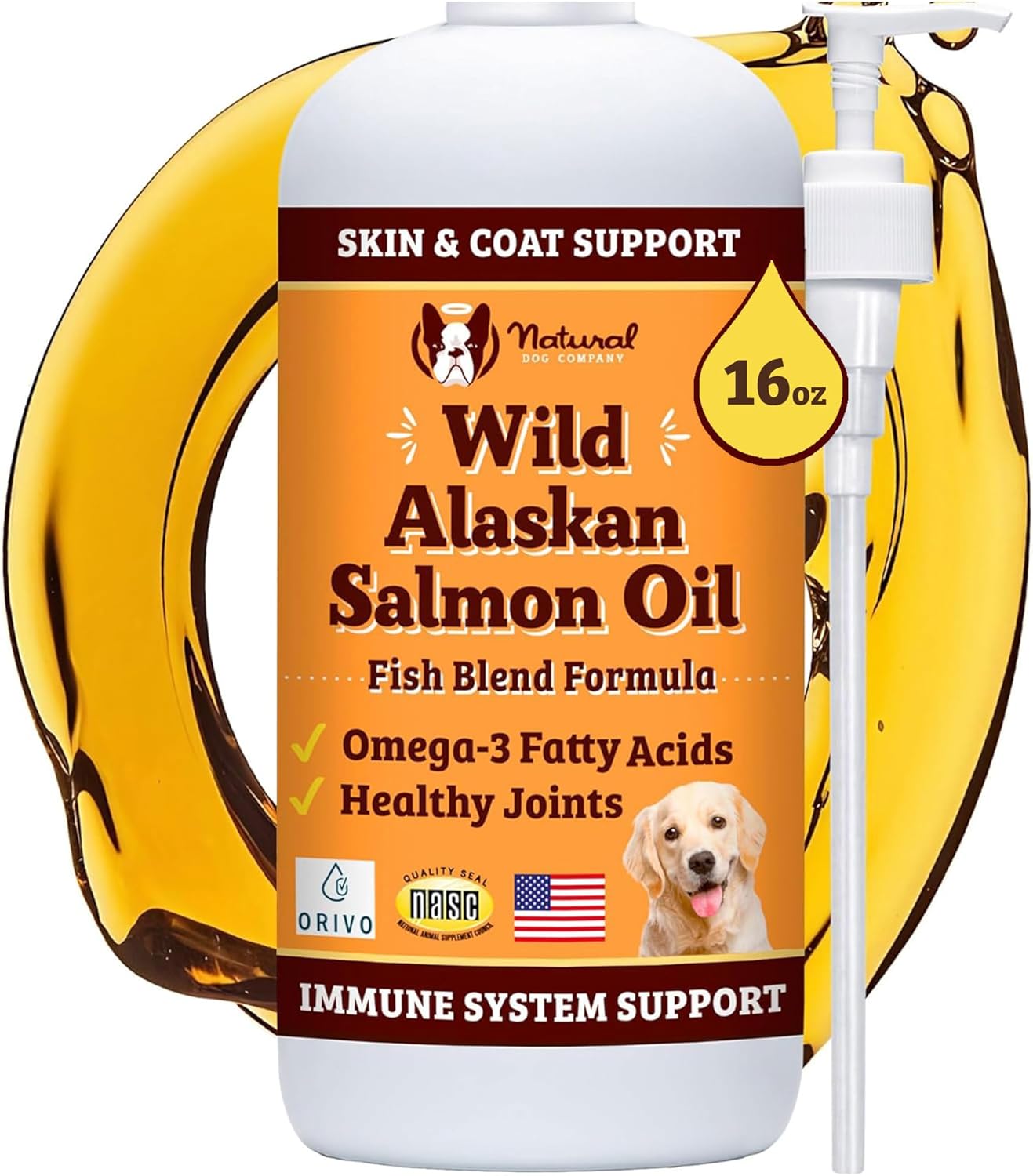
Natural Dog Company Wild Alaskan Salmon Oil
Source: amazon.com
16 ounce pump bottle, wild Alaskan salmon oil for itch, joints, immune support.
The Wellthie One Review
Natural Dog Company Wild Alaskan Salmon Oil Attributes
- Wild Alaskan sourcing with traceable supply chain
- Pump dispenser preserves omega 3 freshness
- Marketed specifically for itchy skin and dull coats
- Made by a brand focused exclusively on dog wellness products
For the dog that scratches all summer, this is the salmon oil we recommend. Pair it with our piece on coconut oil for dog paws for a complete topical and internal approach to skin health. Most dogs see a meaningful improvement at week 4 to 6.
How to Add Salmon Oil to Meals
Pour the daily dose directly over wet or dry food, stir, and serve. Most dogs love the taste. If your dog hesitates, mix the oil into a small spoon of plain Greek yogurt or pumpkin puree first, then mix that into the meal. The yogurt masks the strong scent until the dog is used to it.
Avoid pouring salmon oil onto hot food. The heat starts to oxidize the oil and lowers the omega 3 benefit. Add it to room temperature meals or let warm food cool first.
What to Expect Over the First 8 Weeks
Week 1: nothing visible. The dog enjoys the new food taste.
Week 2: stool may briefly soften. If it does, drop the dose by half.
Week 3 to 4: coat starts to look glossier. Light dandruff fades.
Week 5 to 6: hot spots flare less often. Itchy paws calm down.
Week 7 to 8: older dogs move easier in the mornings. Eyes look brighter.
If you stack salmon oil with our recommended sardines as a food topper twice a week, the omega 3 benefit doubles without overdosing on any single source.
How to Spot Bad Salmon Oil
Fishy smell that makes you wrinkle your nose: oxidized.
Cloudy or with white sediment that does not shake out: oxidized.
In a clear plastic bottle: cheap and probably degraded.
No clear sourcing claim or batch number: skip it.
Fresh salmon oil smells faintly of the ocean, not of dead fish. Store opened bottles in the fridge to extend life. Most pump bottles are good for 90 days after opening.
Who Should Skip Salmon Oil
Dogs on blood thinners, dogs with pancreatitis history, and dogs with known fish allergies should hold off or talk to a vet first. For everyone else, this is one of the safest, most evidence supported supplements available for dogs.
The Bottom Line on Salmon Oil for Dogs
Salmon oil for dogs is one of the highest impact, lowest effort supplements you can add to a daily routine. Pick a wild caught oil in a dark pump bottle, dose by body weight, and give it 6 weeks before deciding. The shift in coat, skin, and joint comfort is consistent across breeds and ages, and a single bottle usually pays back the cost in fewer hot spot vet visits.
If you want a probiotic counterpart to your omega-3 routine, try our kefir for dogs gut health guide. The two toppers stack beautifully on different days.
This post may contain affiliate links, which means we may receive a small commission, at no cost to you, if you make a purchase through a link.


