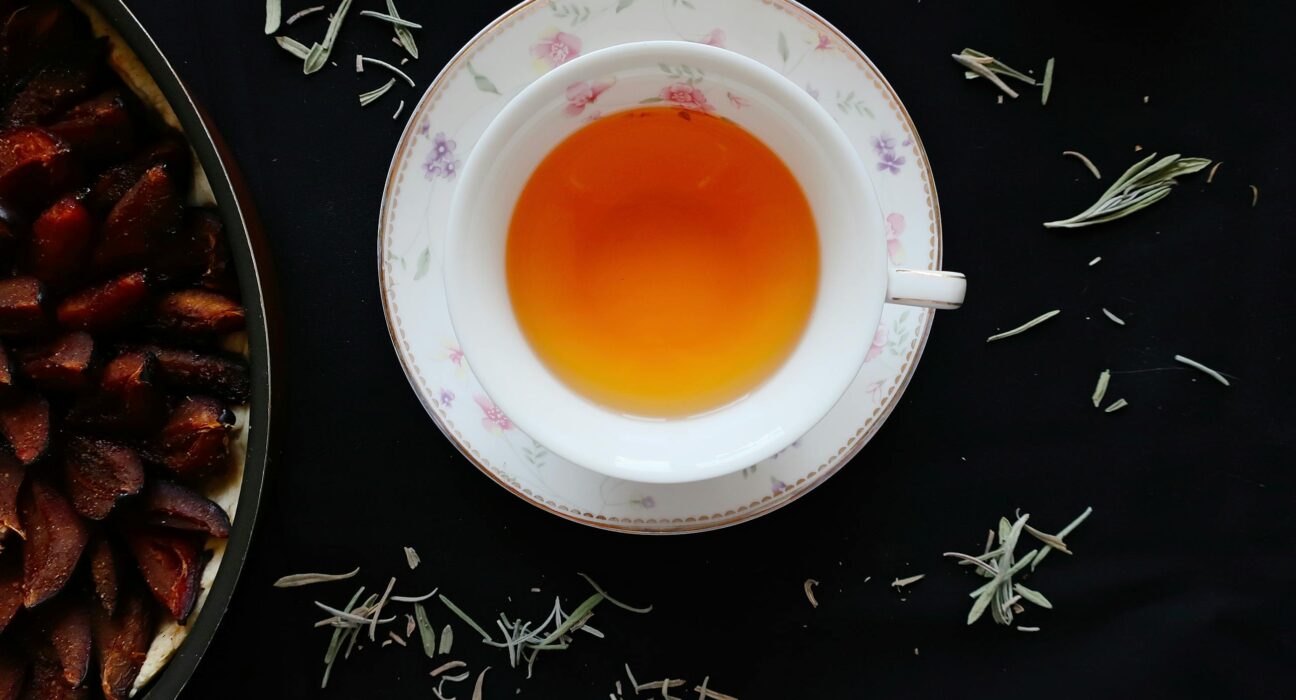
Ume tea (umeboshi-cha) is the centuries-old Japanese morning ritual that doctors in Tokyo prescribe for digestion, hangover, and post-illness recovery. It is sour, salty, deeply mineralizing, and one of the few traditional remedies with modern research backing for several of its claims. This guide walks through the 4 most documented benefits and includes a free Recipe Tool that gives you the exact preparation for your specific goal.
Free Ume Tea Match Tool · 4 Steps
Find My Ume Tea Recipe
Four quick questions, then the tool gives you the exact ume tea preparation, dose, and timing for your specific goal. Most people brew ume wrong (too weak, wrong time of day) and miss the effect.
Step 1 · Your primary goal
Digestion / nausea / heartburn
Alkalize after high-acid eating
Hangover relief
Immune / cold prevention
Energy / morning ritual
Recovery from chronic fatigue
Step 2 · What you have access to
Whole umeboshi plums
Umeboshi paste only
Ume plum vinegar
Ume tea bags
Step 3 · When you will drink it
First thing on empty stomach
With or after meals
Evening / before bed
As-needed (acute symptoms)
Step 4 · Salt tolerance
Normal — I salt my food
Sensitive (BP / kidney issues)
I love salty
Why You Need to Alkalize in the First Place
If you need to alkalize daily, your acid load is coming from somewhere — find the source
Ume tea is one of the most effective alkalizing drinks in traditional medicine, but it works best as part of a broader strategy. Chronic acidity comes from a small set of root causes: chronic stress (cortisol acidifies), high-glycemic diet, dehydration, synthetic fragrance and plastic exposure (adds to the toxic load liver clears as acid), and gut dysbiosis. Alkalize daily AND reduce the inputs and you stop chasing the same symptom every morning.
The 90-second Toxic Load Assessment shows which of those root sources is most active in your case and gives you the three swaps that move your terrain.

What is ume tea?
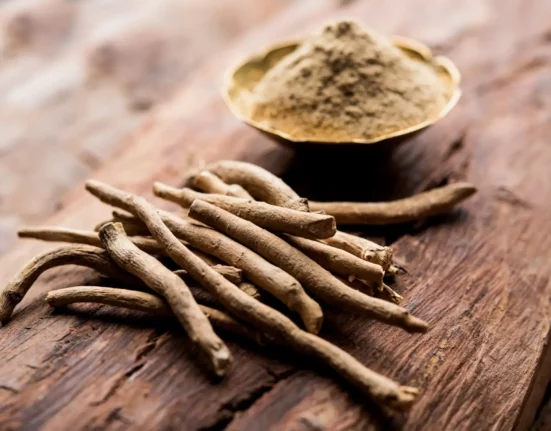
Ume tea is hot water steeped with umeboshi — Japanese pickled plums (technically the fruit of Prunus mume, an apricot-plum hybrid) that have been salt-cured and sun-dried for months, traditionally with red shiso leaves that give them their characteristic deep purple color. The tea can be made with the whole plum, plum paste, or ume plum vinegar (the brine byproduct). All three forms produce a tea that is intensely sour, salty, mineral-rich, and the bridge between Japanese folk medicine and modern functional medicine.

Clearspring – Organic Japanese Umeboshi Plums – 200g
Check on Amazon →
Traditional sun-dried, salt-cured Japanese umeboshi plums. Look for products with only plums, salt, and shiso leaves on the ingredient list — that is true traditional preparation.

Eden Ume Plum Vinegar, Traditionally Made in Japan, No Chemical Additives, 10 oz
Check on Amazon →
Eden Foods Ume Plum Vinegar is the byproduct of umeboshi production and the easiest format for most American kitchens — splash on salads, use in dressings, or add 1 tbsp to hot water for instant ume tea.

Haiku Tea Kukicha Twig Organic, 16 ct
Check on Amazon →
Kukicha (Japanese twig tea) is the traditional pairing with umeboshi in the classic ume-sho-bancha recipe. Very low caffeine, naturally alkalizing, gentle enough for daily morning use.
The 4 most documented benefits of ume tea
1. Digestion + nausea relief (the original use case)
Ume’s citric acid stimulates digestive enzyme production and bile flow. The salt content stimulates hydrochloric acid production in the stomach, which is critical for breaking down protein. Studies in Japan have measured improvement in gastric emptying with regular umeboshi consumption. For acute nausea (morning sickness, motion sickness, post-meal heaviness), 1 cup of ume tea typically produces relief within 20 minutes.
2. Alkalizing effect on body pH
Despite tasting acidic, umeboshi has an alkalizing metabolic effect once digested — the citric acid is converted, leaving alkaline mineral residue (potassium, calcium, magnesium). One umeboshi has measurable alkalizing impact equivalent to several glasses of alkaline water, at a small fraction of the cost. For people whose diets are acid-forming (high meat, sugar, processed grain, coffee, alcohol), daily ume tea acts as a gentle daily reset.
3. Hangover remedy
The traditional Japanese morning-after drink combines all four ume-tea mechanisms: hydration, alkalizing (alcohol leaves the body acidic), electrolyte restoration (alcohol is diuretic), and liver support (the bitter compounds in shiso-cured ume support phase 2 detoxification). Most users report meaningful improvement within 45 minutes — better than coffee or sports drinks for the same purpose.
4. Immune and antimicrobial support
Ume contains polyphenols including mumefural and lignans with documented antimicrobial activity against several respiratory and gut pathogens in lab studies. Combined with the alkalizing effect (immune cells function better in less-acidic terrain), regular ume tea consumption is associated with fewer winter respiratory infections in Japanese cohort data.
How to make ume tea (the proper way)
- Water temperature matters: use water that is hot but not boiling (about 180°F / 82°C). Boiling water destroys some of the volatile compounds and concentrates the salt taste.
- Steep covered: 5-10 minutes depending on form. Whole plums need longer; paste and vinegar dissolve almost instantly.
- Mash the plum: for whole umeboshi, use the back of a spoon to break it open in the cup so the inside compounds release into the water.
- Add traditional companions: fresh ginger slice (digestive support), a small piece of kukicha twig tea (gentle caffeine, more flavor depth), or shoyu (traditional ume-sho-bancha recipe).
- Drink while warm: the effects are strongest in the first 20-30 minutes after preparation.
Who should not drink ume tea (or should modify it)
- People with hypertension or kidney disease: traditional umeboshi is heavily salt-cured (18-20% salt). The tea form is lower but still meaningful sodium. Use commercial tea bags (much lower salt) or check with your doctor.
- People on lithium: sodium content can interact with lithium clearance. Discuss with prescriber.
- People with severe stomach ulcers: the acidity can aggravate active ulcers. Let them heal first.
- Children under 2: the salt content is too high for the appropriate dose-per-body-weight.
The research behind ume tea (Prunus mume) (PubMed citations)
According to PubMed, the claims in this article are backed by peer-reviewed research. Click any DOI to read the full study.
-
Bailly C. (2019). Anticancer properties of Prunus mume extracts (Chinese plum, Japanese apricot). Journal of Ethnopharmacology, 246:112215. [DOI]
Comprehensive review of 2,000+ years of medicinal use of Prunus mume (ume) in East Asia. Documents hepatoprotective, anti-inflammatory, antioxidant, and antibacterial properties of ume extracts — the full pharmacological case for the traditional morning ritual.
-
Kim CK, Yu J, Lee M. (2023). Molecular Networking-Guided Isolation of a Phenolic Constituent from Prunus mume Seed and Its Antioxidant and Anti-Inflammatory Activities. Foods, 12(6):1146. [DOI]
Identified the specific phenolic compounds in Prunus mume responsible for its anti-inflammatory effect, including down-regulation of iNOS and COX-2 (the two enzymes most central to inflammatory pain). Supports the alkalizing + anti-inflammatory claims for daily ume tea use.
-
Morimoto-Yamashita Y, et al. (2011). MK615: a new therapeutic approach for the treatment of oral disease. Medical Hypotheses, 77(2):258-60. [DOI]
Demonstrated that MK615 (an extract of Prunus mume / ume) inhibits oral bacterial growth including Streptococcus mutans. Adds an additional documented antimicrobial mechanism for ume tea’s immune support claims.
Citations retrieved from PubMed.
Frequently asked questions
Can I drink ume tea daily?
Yes, most healthy adults can drink 1-2 cups daily. The traditional ume-sho-bancha morning ritual is taken daily for months at a time by macrobiotic practitioners with no ill effect, often replacing coffee. Watch your total daily sodium and adjust if needed.
What does ume tea taste like?
Sour and salty are the dominant notes, with a slight earthy plum flavor underneath. The first cup is an acquired taste for most Western palates; by the third or fourth cup most people find it pleasant. Adding ginger and a small amount of honey makes the introduction easier.
Where do I buy traditional umeboshi?
Japanese grocery stores carry the highest-quality traditional preparations. Online, Eden Foods and Ohsawa are the most reliable American-distributed brands using traditional sun-cured, shiso-leaf process. Watch out for cheap commercial umeboshi colored with red dye and preserved with synthetic ingredients — those will not produce the same effects.
Is ume tea the same as plum tea?
No — most “plum tea” sold in Western stores is dried plums (prunes) steeped in water for a sweet, mildly laxative drink. Ume tea uses the specifically Japanese umeboshi (salt-cured ume plums) and produces a sour, salty, alkalizing drink with a very different taste and effect profile.
How long until I notice effects?
Digestive and hangover effects are usually felt within 30-60 minutes. Alkalizing effects build over a few days of daily consumption. The chronic fatigue / energy restoration protocols are cumulative — most people notice change at the 3-4 week mark with consistent daily use.
Adrenal-cortisol exhaustion mimics so many other things — heavy metal burden, parasite drain, mold inflammation — that telling them apart from symptoms alone is almost impossible. The protocols are very different. Adaptogens won't fix metals, binders won't fix burnout. The 2-minute What's Draining Your Brain Tool places you in one of four root causes so the protocol you commit to actually matches what's driving your fatigue.