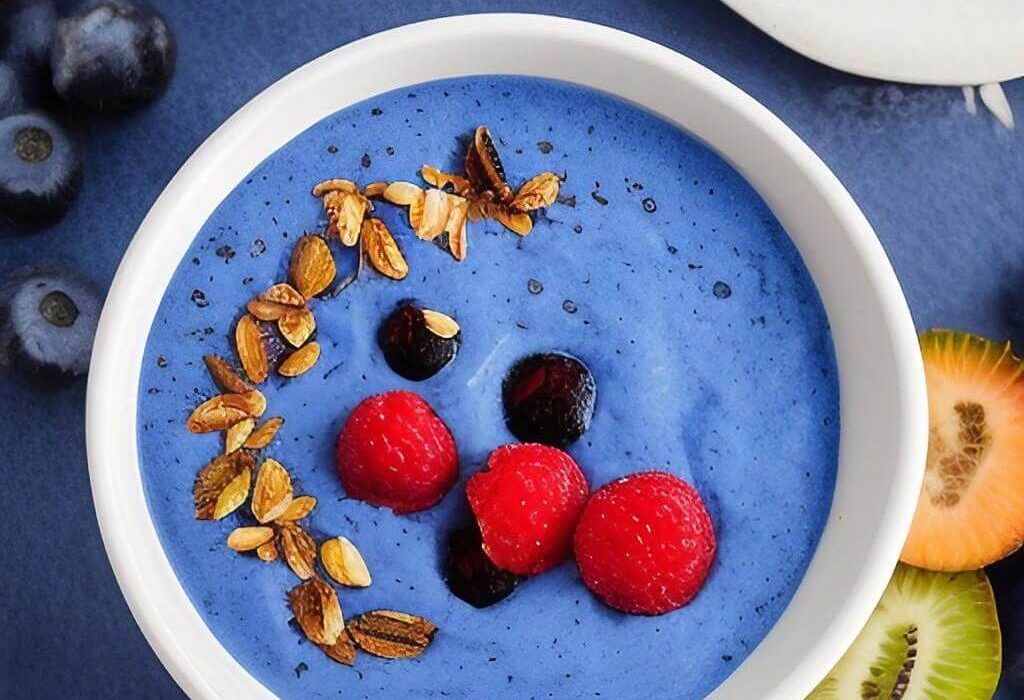
Move over, kale smoothies, the latest superfood craze is taking the internet by storm. Blue spirulina is a type of blue-green algae packed with vitamins, minerals, and other beneficial compounds that can help boost your health in many ways.
Why so much fatigue and inflammation?
It has a vivid blue color that stands out from other traditional superfoods and it’s fun to make creative recipes with it.
So, is blue spirulina the latest trend for better health or just another trendy fad? Read on to learn about this fascinating ingredient and find out if it’s worth adding to your diet.


What is the history of blue spirulina?
Blue spirulina has been used for centuries in traditional Chinese medicine and Indian Ayurvedic medicine for its purported health benefits.
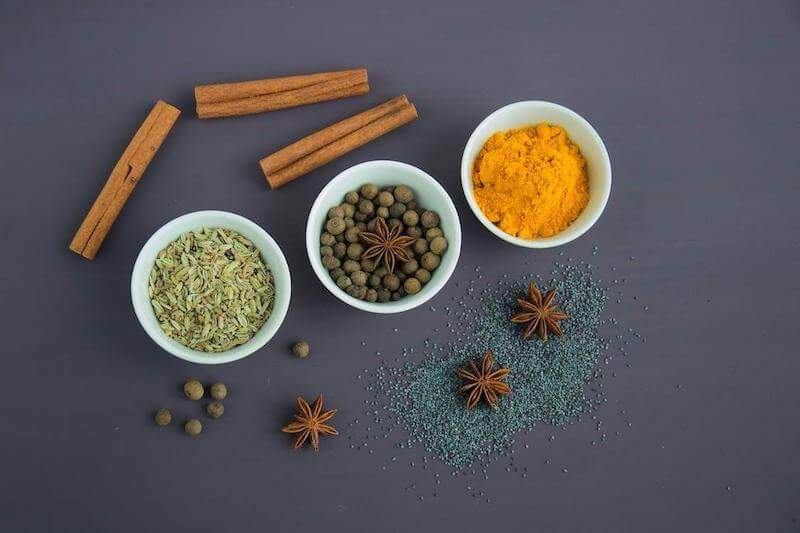
5 Tenants of Traditional Chinese Medicine and Indian Ayurvedic Medicine
- Balance: Both traditional Chinese medicine and Indian Ayurvedic medicine emphasize the importance of maintaining balance between the body’s physical, mental and spiritual elements.

- Focus on Prevention & Wellness: Traditional Chinese and Ayurvedic medicines focus on preventing illnesses rather than treating symptoms.
This includes eating healthy, exercising regularly, avoiding external toxins and maintaining a positive attitude.

- Qi & Prana: Both these healing modalities believe in the flow of energy or qi (in Chinese medicine) and prana (in Ayurveda).

It is believed that when this life-force energy is disrupted it results in various diseases.
- Herbs & Natural Substances
Herbal remedies are an essential part of both traditional Chinese medicine and Indian Ayurvedic medicine for treating various ailments.
Bentonite, charcoal, chelation, cilantro, mercury chasing — these protocols all assume heavy metals are your dominant toxic load. For some people they are. Plenty of others land in this kind of work suspecting metals when adrenal exhaustion, parasites, or mold are actually doing more of the damage, and the protocols look very different depending which one is yours. If you want to sort it out before committing to weeks of binders, the 2-minute What's Draining Your Brain Tool places you in one of four root cause types so the next thing you try has a real chance of working.
These herbal remedies contain natural ingredients like roots, tree bark and curative teas that can help with specific health issues.
- Positive Mindset: Health is not just about physical wellness but also mental wellbeing according to both these healing practices.

A healthy lifestyle involves cultivating a positive mindset which includes daily meditation, yoga practice, prayer etc.
Through Chinese and Ayurveda healing, blue spirulina has a long history of treating various ailments.
There’s no denying that blue spirulina packs some serious nutritional punch!
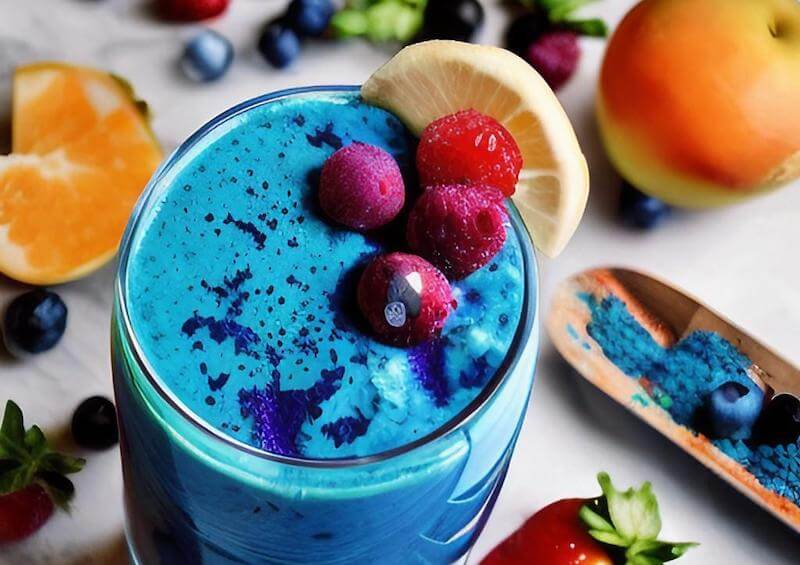
What does blue spirulina taste like?
While the taste of blue spirulina can vary depending on how it is prepared, it is generally earthy and slightly sweet. Some people also describe it as tasting like seaweed.
Blue spirulina can also have a slightly salty, seaweed-like taste. It is usually added to smoothies, juices or bowls to enhance the flavor and nutritional benefits of the product. Some people like the taste, others find it slightly off-putting.
Is blue spirulina good for you?
7 ways that blue spirulina will take your health to the next level
So, what are the actual health benefits of blue spirulina? Blue spirulina is a good source of protein, vitamins, and minerals.
It gets its color from phycocyanin, which is a pigment that is also found in green spirulina. This pigment is known for its antioxidant and anti-inflammatory properties.
This blue-green algae is said to have a host of health benefits, from boosting energy levels to supporting gut health.
- Boosts Energy Levels: Blue spirulina contains high levels of chlorophyll, which is known for its ability to increase energy levels and improve stamina.

It binds to toxins in the body and helps to remove them, resulting in increased vitality and refreshed feeling.
- Aids Digestion: Blue spirulina is also said to be effective in aiding digestion. The blue pigment helps to break down fats and neutralize acids in the stomach, leading to improved digestion and regular bowel movements.
- Supports Gut Health: The high levels of chlorophyll in blue spirulina also make it beneficial for gut health.
Chlorophyll has antibacterial properties, which can help to fight off bad bacteria and yeast in the gut, keeping your digestive system healthy.
- Detoxifies the Body
Blue spirulina can also help to detoxify your body by binding to heavy metals and toxins and helping to remove them from your system. This superfood is especially rich in iron, which plays an important role in detoxification.

- Strengthen the Immune System
Blue spirulina contains antioxidants which can help to boost our immune system and make us more resistant to illnesses.
- Promote Mental Cognition
The nutrients present in blue spirulina help to improve focus, alertness, and mental clarity. It can also support cognitive improvement over time.

- Increase Metabolism
Blue spirulina contains certain vitamins and minerals which help boost metabolism and aid in weight loss. This makes it an ideal supplement for people looking to shed some extra pounds.

Where to buy blue spirulina?
Most better grocery stores that have a health food section will carry blue spirulina. It can also be purchased online.
3 high-quality brands to try:
Here’s the part most superfood articles skip: an antioxidant like spirulina helps your body mop up damage, but if something keeps generating that damage, you’re always playing catch-up. For many people the source is an everyday toxic load — the steady pull of processed food, plastics and pollutants that keeps inflammation simmering.
Mopping up damage, or stopping the source?
Organic Blue Spirulina Powder – 100% Pure Superfood
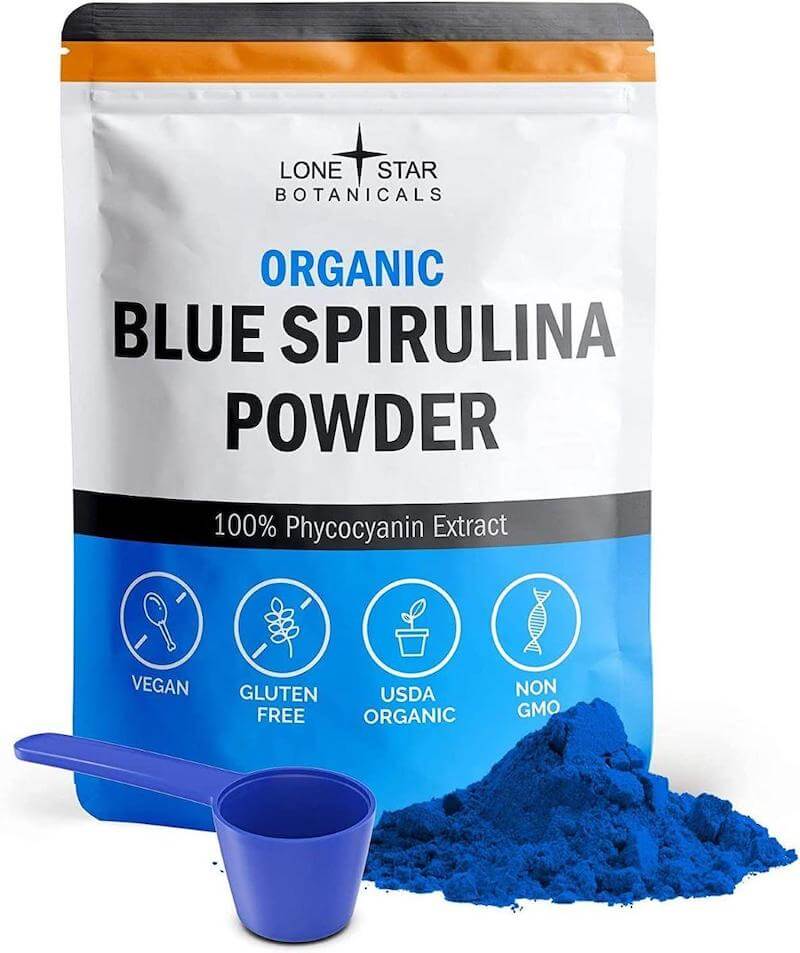
Good things to know about Lone Star Botanicals blue spirulina:
- A gorgeous electric blue color which adds nutrition and incredible color to your dishes
- Packed with nutrition
- USDA certified organic and pure
- Aids in weight loss efforts
- Highly rated on Amazon
1. KOS USDA Organic Blue Spirulina Powder
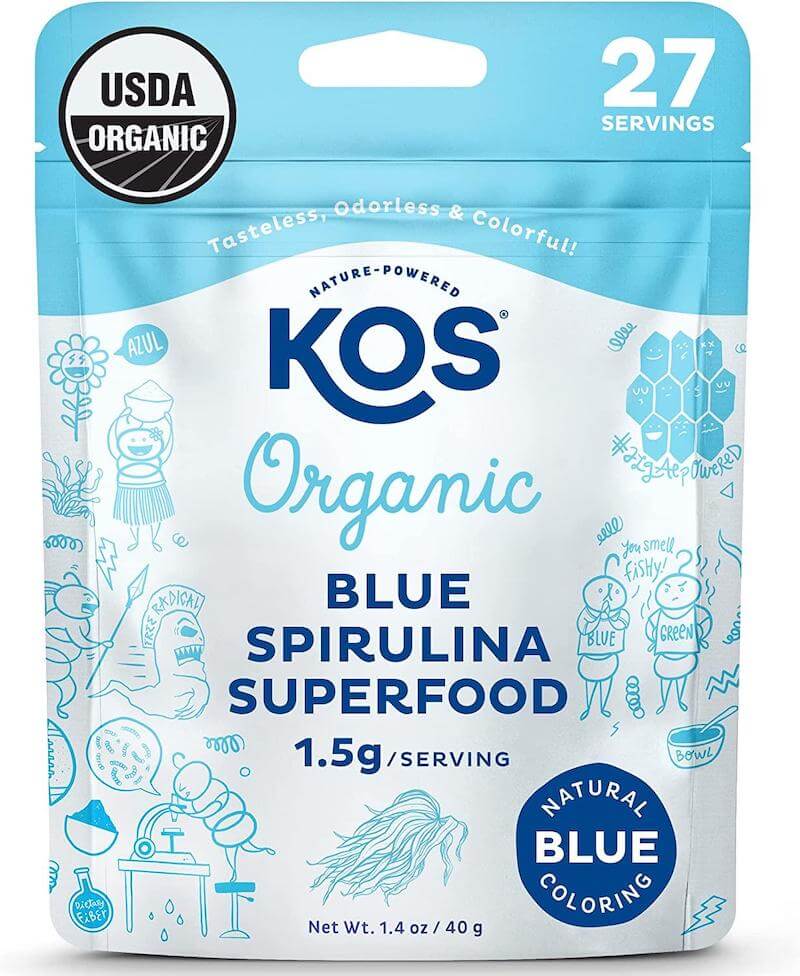
Good things to know about KOS Organic Blue Spirulina:
- Phycocyanin
- Vegan Algae Superfood
- Natural Food Coloring for Smoothies & Protein Drinks
- Plant Based
- Non GMO
- 27 Servings
- Highly rated on Amazon
2. Microingredients Organic Blue Spirulina Powder
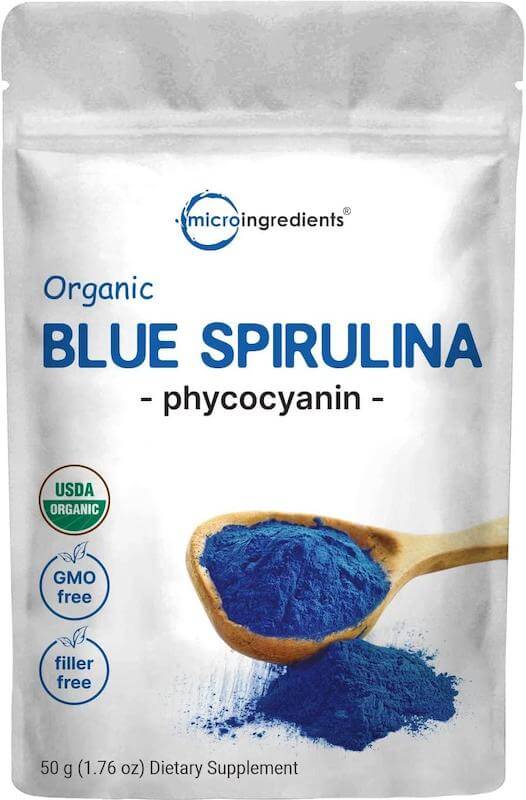
Good things to know about Microingredients Organic Blue Spirulina:
- Phycocyanin Extract
- No Fishy Smell
- 100% Vegan Protein from Blue-Green Algae
- Natural Luminous Blue Food Coloring
- for Smoothies, Baking, Drinks & Cooking
- 50 Servings
- Highly rated on Amazon
To learn how to make a delicious blue spirulina smoothie bowl, Mabel’s Labels shows you how here:
Concluding thoughts on blue spirulina, an incredible superfood
Whether or not you choose to add blue spirulina to your diet, one thing’s for sure-this superfood trend is here to stay!
Thanks to its impressive nutrient profile, blue spirulina offers a host of potential health benefits that are hard to ignore. If you’re looking for a natural way to boost your energy levels or support gut health, this algae may be worth trying out!
More from thewellthieone.com
What the research actually says
Spirulina is one of the better-studied algae supplements. Based on articles retrieved from PubMed, here is what the evidence supports — and the catch with the ‘blue’ version.
Antioxidant, immune and anti-inflammatory activity
A detailed review concludes spirulina activates the body’s antioxidant enzymes, inhibits lipid peroxidation, scavenges free radicals, and can modulate immune and inflammatory responses — with phycocyanin (the blue pigment) and beta-carotene identified as key actives. It also notes spirulina can protect against exercise-induced muscle damage (Wu et al., Archives of Toxicology 2016; DOI: 10.1007/s00204-016-1744-5).
Whole vs. blue spirulina
Whole spirulina is a high-quality protein source rich in B12-like compounds, beta-carotene and iron, and has a good safety record (Gutiérrez-Salmeán et al., Nutricion Hospitalaria 2015; DOI: 10.3305/nh.2015.32.1.9001). ‘Blue’ spirulina is mostly the isolated phycocyanin pigment — great as an antioxidant and natural color, but lighter on those whole-food nutrients.
Frequently asked questions
What is blue spirulina, exactly?
It’s phycocyanin — the blue pigment extracted from spirulina. It’s prized as an antioxidant and natural food coloring, but it doesn’t carry the full protein and nutrient load of whole spirulina.
Is blue spirulina better than regular spirulina?
For antioxidant color and a milder taste, yes. For overall nutrition (protein, iron, B12-like compounds), whole spirulina delivers more.
What are the proven benefits?
The strongest evidence is for antioxidant, anti-inflammatory and immune-modulating activity, plus protection against exercise-induced oxidative stress.
Is spirulina safe?
Generally yes, with a good safety record — but quality matters. Buy from brands that test for heavy metals and microcystin, and check with a provider if you’re pregnant, autoimmune, or on immunosuppressants.
The links used on thewellthieone.com are affiliate links, which may provide a small commission. This does not increase the price of the goods for the consumer whatsoever. What it does is ensure that useful content like this can continue to be produced. Thank-you for enjoying our content and allowing us to continue to provide more.