

If anxiety is a part of your life, then you know how pervasive it can be. It can be difficult to stand up to the false messages that it sends our way. Standing up to those lies can make all the difference in your mental health and overall wellbeing. Let’s explore why it’s important to recognize when anxiety is lying and how you can challenge and beat those false messages.
Anxiety isn’t a character flaw.


The Nature of Anxiety-Generated Lies
Anxiety often presents itself as an uninvited guest. It is one with a tendency to overreact and speak in absolutes. When the anxious thoughts come, they are usually presented as immutable truths, even though they are anything but true.

For example, if you’re worried about a project at work, you might think, “I will never get this done on time; I’m doomed to fail!” It’s easy to believe these lies because they seem so convincing—but that doesn’t mean that they are true.
7 falsehoods that show that your anxiety is lying to you.
- that you’re not good enough
One of the biggest lies that anxiety can fool you into believing is that you’re not good enough. This lie can manifest itself in a number of ways, such as thinking that you’re not smart enough, talented enough, or worthy of love and respect. This lie can be incredibly debilitating, as it can prevent you from pursuing your dreams and goals.
- that you’re powerless
Another lie that anxiety can tell you is that you’re powerless. This lie can make you feel like no matter what you do, you’ll never be able to achieve your goals or overcome your challenges. This lie is particularly harmful, as it can lead to feelings of hopelessness and despair.

- that you’re alone
Anxiety can also trick you into thinking that you’re alone in your struggle. This lie can make you feel isolated and like nobody understands what you’re going through. It’s important to remember that millions of people suffer from anxiety, so you are certainly not alone in your battle.
- Something bad is going to happen
One of the most common lies that anxiety tells is that something bad is going to happen. This fear can manifest itself in a number of ways, such as thinking that you’re going to fail, get sick, or be rejected by others. This fear can be incredibly crippling, as it can prevent you from taking risks and trying new things.

- that you’re not normal
Another lie that anxiety likes to tell is that you’re not normal. This lie can make you feel like there’s something wrong with you because of the way anxiety makes you feel and behave. It’s important to remember that there’s nothing wrong with you and that anxiety is a completely normal reaction to stress.
- that your anxiety will never leave you
Anxiety can also convince you that your symptoms are here to stay and will never go away. This lie can be incredibly discouraging, as it can make recovery seem impossible.
Bentonite, charcoal, chelation, cilantro, mercury chasing — these protocols all assume heavy metals are your dominant toxic load. For some people they are. Plenty of others land in this kind of work suspecting metals when adrenal exhaustion, parasites, or mold are actually doing more of the damage, and the protocols look very different depending which one is yours. If you want to sort it out before committing to weeks of binders, the 2-minute What's Draining Your Brain Tool places you in one of four root cause types so the next thing you try has a real chance of working.
It’s important to remember that recovery is possible and that many people have been able to successfully manage their anxiety symptoms.


Anxiety may also try to convince you that treatment won’t work for you. This lie can prevent you from seeking out the help that you need to recover.
You may discover by seeking help that there are hormone imbalances that cause anxiety and that they need to be addressed. This can help reduce your anxiety by bringing them back into balance.
It’s important to remember that treatment has helped millions of people manage their anxiety effectively, so there’s a good chance it will help you as well.
Related Blogs
Can I wrap chicken in foil in an air fryer?
Getting into Practice: Recognizing Falsehoods
Learning not to believe everything that anxiety tells us takes practice. One helpful way to do this is by writing down what your anxiety says about you and then reframing it in a more positive light.
For example, if your anxious thought is “I am an embarrassment; everyone will laugh at me,” respond with something like “Nobody knows what I am thinking; I have nothing to be embarrassed about.” This simple technique helps us recognize the falsehood behind our anxious thoughts and replace them with more accurate realizations.
Here’s something the ‘just think positive’ advice skips: your mindset matters, but so does your body’s baseline. When a body carries a heavy toxic load — from poor sleep, processed food, caffeine, and chemical exposures — the nervous system tends to sit closer to ‘alarm,’ so anxious thoughts land harder. Calming the body makes calming the mind easier.
Is your body stuck on high alert?
Face Anxiety in the Face
Anxiety loves attention and affirmation, so don’t give it any! You can do this by focusing on positive things such as self-care activities or engaging in mindful exercises like meditation or breathing techniques whenever anxious thoughts start entering your mind.

These activities help keep your mind focused on something productive instead of spiraling into fear-based thought patterns generated by anxiety.
Additionally, talking about these feelings openly with someone else helps put things into perspective and allows for a different point of view from an objective source, which can help take away some of the power anxiety has over our lives.
5 ways to recognize and beat the falsehoods that anxiety brings into your mind
- Anxiety is normal.
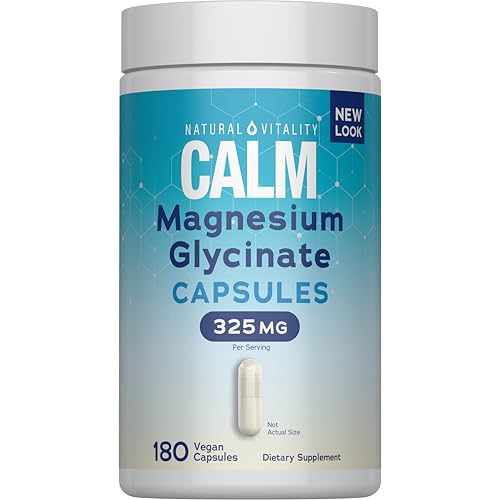
Anxiety is a normal human emotion that everyone experiences at one point or another. While it can be uncomfortable, it is not something that should be feared or avoided. Understanding that anxiety is a normal part of life can help you to better cope with it when it does occur. There are natural supplements such as GABA that can help tremendously to relieve anxiety that you can look into to see what is right for you.

- Anxiety is not dangerous.
Contrary to what many people believe, anxiety is not dangerous. It may cause some physical symptoms, such as increased heart rate and sweating, but these are simply the result of the body’s natural stress response. Anxiety itself cannot harm you.
It is important to realize that some foods need to be consumed less to help curb anxiety. Once you are aware of foods to avoid if you are excessively anxious, you can start to enjoy less bouts of anxiety.
- You are not alone.
Anxiety is a very common emotion, affecting millions of people around the world. Knowing that you are not alone in your experience can help to ease some of the fear and isolation that anxiety can bring.

- There are things you can do to help ease your anxiety.
While there is no cure for anxiety, there are things that you can do to help ease your symptoms. Exercise, relaxation techniques, and talking to someone about your anxiety can all be helpful in managing your condition.
- You will get through this.
Anxiety may feel overwhelming at times, but it is important to remember that it is only temporary. With time and effort, you will be able to overcome your anxiety and live a happy and fulfilling life.
Busting out of the FEAR will send your anxiety packing
The FEAR Concept
Anxiety can be debilitating and disruptive to one’s life, often causing individuals to live in fear of the unknown future. The FEAR concept is simply:
False
Evidence
Appearing
Real
FEAR will help shed light on where this fear originates by addressing our misinterpretations and misperceptions of the world around us. Becoming aware of our own headspace and understanding how we sometimes inaccurately perceive danger or threat can empower us to take back control over our own lives.
Knowing that many irrational fears are simply evidence masquerading as reality can be a welcome relief, leading us to healthier, less anxious states of mind.

With practice and lots of self-reflection, recognizing these misinterpretations can make all the difference in gaining greater awareness, which, in turn, has been shown to diminish anxiety.
Concluding thoughts regarding your anxiety is lying to you.
At its core, anxiety is just another emotion we experience throughout life, and like any emotion, it passes eventually if we let it.
It’s important not to get caught up in believing every single thing that our anxious minds tell us, because many times these messages are simply untrue or exaggerated versions of reality.
As long as we make sure to stay mindful of our own thought patterns and actively challenge any false beliefs generated by our anxieties, we will always be able to see through the lies and regain control over our lives again.
We hope you found the information contained in this article to be helpful.
More from thewellthieone.com
What the research actually says
Anxiety is real, common, and treatable. Based on an article retrieved from PubMed — plus well-established therapy principles — here is what genuinely helps.
Movement calms anxiety
A 2024 meta-analysis of randomized trials found that mind-body exercise (such as tai chi, yoga, Pilates, qigong and mindfulness-based practices) produced significant reductions in anxiety and depression and improved sleep quality. The study was in peri- and postmenopausal women, but it adds to a large body of evidence that gentle, regular movement is a real anxiety tool (Xu et al., Menopause 2024; DOI: 10.1097/GME.0000000000002336).
Why ‘naming the lie’ works
Anxiety distorts thinking — it catastrophizes, mind-reads and demands certainty. A core idea in cognitive behavioral approaches is that noticing and gently challenging those distorted thoughts loosens their grip. You don’t have to win the argument with anxiety; simply labeling a thought as ‘an anxious prediction, not a fact’ creates space to choose your next step.
Frequently asked questions
Is my anxiety lying to me?
Often, yes — in the sense that anxiety distorts thinking, predicting worst-case outcomes and assuming the worst about what others think. Recognizing a thought as an anxious prediction (not a fact) is a powerful first step.
What actually helps with anxiety?
Evidence-based tools include regular movement, slow breathing, grounding techniques, gently challenging distorted thoughts, good sleep, and limiting caffeine and alcohol. For persistent anxiety, therapy and professional support are highly effective.
Can exercise really reduce anxiety?
Yes — research consistently links regular movement, including gentle mind-body practices like yoga and tai chi, with lower anxiety and better mood and sleep.
When should I get professional help?
If anxiety is intense, lasts most days, interferes with work or relationships, or you’re struggling to cope, reach out to a mental-health professional. Seeking help is a sign of strength, not weakness.
The links used on thewellthieone.com are affiliate links, which may provide a small commission. This does not increase the price of the goods for the consumer whatsoever. What it does is ensure that useful content like this can continue to be produced. Thank-you for enjoying our content and allowing us to continue to provide more.