

It is 1918. Charles Schwab, the head of Bethlehem Steel, is trying to make his company run more smoothly. A consultant named Ivy Lee shows up and says he can boost productivity in 15 minutes a day. Schwab is skeptical. Lee tells him to try the method for three months, then send whatever check he thinks it was worth.
Three months later, Schwab sends Lee a check for 25,000 dollars. That would be more than 400,000 in today’s money. The method, now called the Ivy Lee Method, is one of the simplest and most enduring productivity routines ever invented. You can use it tonight, with nothing more than a piece of paper and a pen.
This guide walks you through exactly how the Ivy Lee Method works, why a century-old routine still beats modern productivity apps for most people, and the small tweaks that make it stick. You will also see a short list of well-reviewed planners and notebooks that suit the method, if a clean tool helps you commit.
Key Takeaways
- Each evening, write down the six most important tasks for tomorrow, in order of priority.
- The next day, work on task one until it is finished, then move to task two, and so on.
- Whatever does not get done becomes the starting point for the next evening’s list.
- The list is capped at six. This limit forces real prioritization, which is where most productivity systems fail.
- The method works because it removes morning decision fatigue and protects single-task focus.
What Is the Ivy Lee Method?
The Ivy Lee Method is a simple five-step daily routine designed to focus your effort on the few tasks that actually move things forward. Lee was a 19th and early 20th century public relations pioneer who also consulted for major corporations on operations. His method survives because it is short, clear, and ruthless about priorities.
The five rules of the method are unchanged from 1918. At the end of each work day, write down the six most important tasks you need to accomplish tomorrow. No more than six, ever. Rank them in true order of importance. The next morning, start with task one and work on it until it is complete. Then move to task two. Do not skip ahead. At the end of the day, move unfinished tasks to a new list of six for the following day.
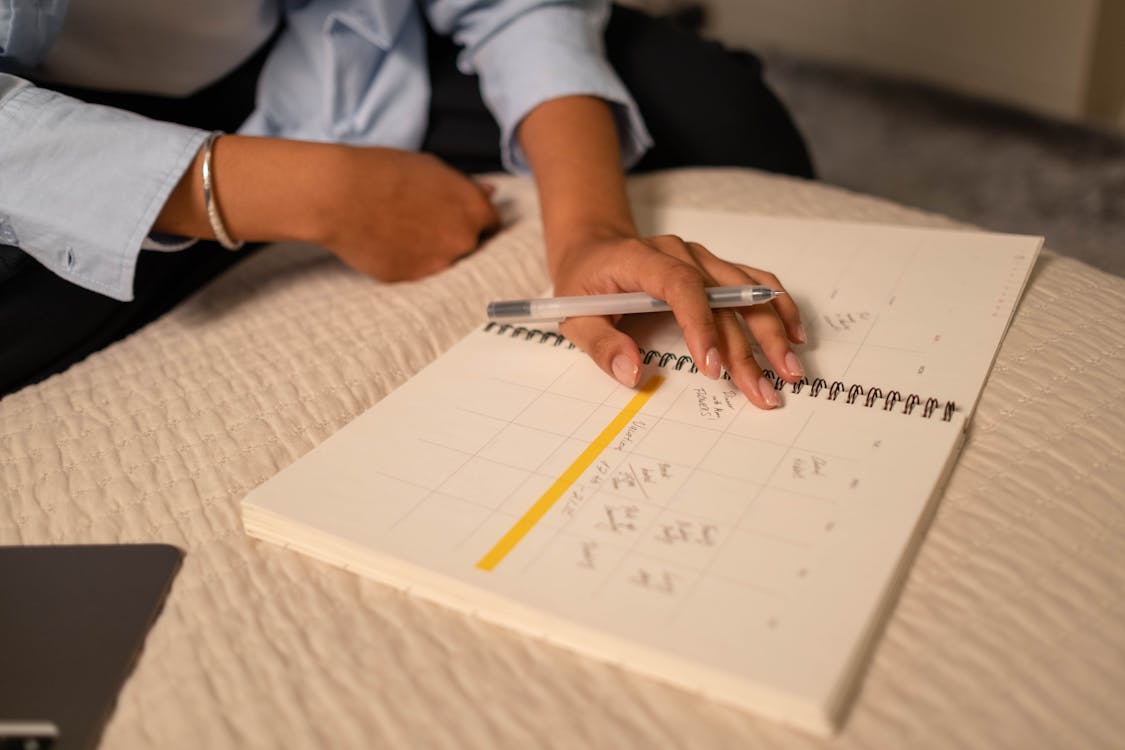
Why a 100-Year-Old Routine Still Beats Modern Apps
Most productivity apps fail because they allow infinite lists, endless tagging, and constant rearranging. They turn task management into a hobby. The Ivy Lee Method does the opposite. The cap of six tasks is non-negotiable, so you cannot dodge real choices about what matters most.
Writing the list the night before is the other key. Your brain stops chewing on tomorrow once it sees the plan on paper. Sleep is calmer. You wake up already knowing the first move, which removes the most expensive form of friction at the start of the day. Cognitive scientists call this implementation intention, and it is one of the most reliably effective findings in behavior change research.
What you will learn in this video:
- The full story of Ivy Lee, Charles Schwab, and the 25,000 dollar test
- The five-step routine, broken down with concrete examples
- Why six tasks is the magic number for daily focus
- How to adapt the method if you have a reactive job with many small interruptions
The Five Steps of the Ivy Lee Method, in Detail
Step 1: At the End of Each Workday, Write Down Six Tasks
Pull out a notebook or planner around the end of your work shift. Write down the six most important things you must accomplish tomorrow. Be concrete. “Finish project X draft” is better than “work on project X.” Make each task something you could reasonably finish in one sitting.
Step 2: Rank Them by True Priority
This is the hardest step. You may have to ask which task moves the needle most for your goals, your team, or your business. Honesty matters more than comfort. Often the most important task is the one you have been avoiding.
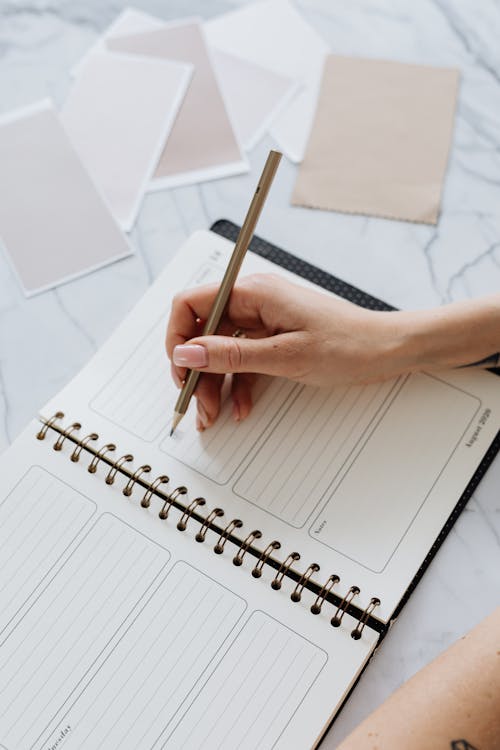
Step 3: Start with Task One in the Morning
When you sit down to work, do not check email. Do not scroll. Open the list and start on task one. Stay with it until it is fully done. The lift from finishing the hardest item first creates real momentum for the rest of the day.
Step 4: Move Down the List, One Task at a Time
Once task one is finished, move to task two. The order matters. You do not get to jump to easier tasks just because they are more pleasant. The system protects you from busywork by forcing sequence.
Step 5: Carry Unfinished Tasks to Tomorrow
At the end of the day, anything still undone moves to the new list of six. Do not feel bad if you only completed three or four tasks. The point is that you spent your day on the highest leverage work, not on inbox triage and Slack.
A Simple Tool That Makes the Method Stick
You do not need a fancy tool to run the Ivy Lee Method. A blank notepad and a pen work fine. That said, a clean dedicated planner can help you commit to the practice in the first 30 days. The right format keeps the six-task limit visible, which is half the battle.
Roterunner Purpose Planner Notebook

Source: amazon.com
Undated B5 daily, weekly, and monthly productivity planner with focused space for top priorities.
The Wellthie One Review
This planner is undated, so you can start any day without wasting blank pages. The daily layout gives you a clear space for top tasks, which fits the Ivy Lee six-task rule nicely. We like that it includes a small reflection prompt at the end of each day. A short evening review is the secret sauce of this method.
Roterunner Purpose Planner Attributes
- Undated 12 month layout, B5 size at 7.5 by 9.8 inches
- Daily, weekly, and monthly pages for clear top priorities
- Built-in goal setting prompts and end-of-day reflection space
- Lay-flat binding for easier left-hand and right-hand writing
Common Mistakes That Sink the Ivy Lee Method
The method is so simple that people often break it without realizing. The first common error is writing more than six tasks. The cap is the whole point. If everything is important, nothing is. The second common error is ranking by what is easy or pleasant instead of what is important. The third is checking email or messages before starting task one.
If you find yourself routinely failing to finish even three tasks, the problem is usually that the tasks are too big. Break larger projects into the next physical move, not the whole goal. “Draft section one of the report” beats “write the report.” For more on breaking down big work, our guide on the two minute rule is a useful companion.

How to Adapt the Method to a Reactive Job
If your work involves many small interruptions, the strict version of the Ivy Lee Method can feel unrealistic. The fix is not to abandon it, but to adjust the timing. Schedule two protected blocks of 90 minutes each day. Use those blocks to power through your six-task list in order. Outside the blocks, you can handle the reactive flow of email, calls, and quick requests.
This hybrid version is what many leaders, doctors, and parents quietly run. It keeps the method’s core benefit, which is finishing the work that matters, while accepting that you do not control every minute of your day.
Hourly Planner & Appointment Book

Source: amazon.com
8.5 by 11 inch hourly planner with 30 minute time slots, ideal for protecting blocks of deep focus.
The Wellthie One Review
If your work is meeting heavy, an hourly planner is more useful than a daily one. This Productivity Store planner gives you 30 minute slots so you can carve out two 90 minute focus blocks and protect them like meetings. Write your six tasks at the top of the page, then time-block the work for each one inside the focus windows. The combination is powerful.
Hourly Planner Attributes
- 8.5 by 11 inch size with 30 minute time slots for the full workday
- Space for top priorities, notes, and gratitude on every page
- Premium thick paper that resists bleed-through with pens and highlighters
- Durable hardcover binding designed to lay flat on the desk
How to Pair the Ivy Lee Method With Time Blocking
Time blocking and the Ivy Lee Method work better together than either does alone. Use Ivy Lee to choose what matters. Use time blocking to protect when you will work on it. Many people new to either system try to do both at once and get tangled up. Start with Ivy Lee for the first two weeks. Once the six-task habit feels natural, add light time blocks for tasks one and two each morning.
If you want a deeper look at scheduling around how your brain actually works, our guide on the Pomodoro Technique for deep work pairs well with this article.
What Happens After 30 Days of the Ivy Lee Method
People who run the method for a full month report a few common shifts. The first is calmer evenings. Once tomorrow’s plan is on paper, your mind lets go of it. Sleep usually improves. The second shift is faster mornings. You skip the 20 minutes of “what should I do first” anxiety and dive into real work right away.
The third shift is the most useful and the least obvious. By writing down only six tasks per day, you start to see how much you were telling yourself you would do, but never actually doing. Six tasks per day adds up to 30 per week. That is real output. The illusion of being busy with 40 open tabs falls away.

A Lightweight Tool for the Minimalist
If a full planner feels like too much, a simple to-do list pad is enough. The whole power of the method is in the six-line cap, not in the tool. A purpose-built pad can help remove the temptation to keep writing past six.
To Do List Notepad with Multiple Sections

Source: amazon.com
Spiral daily planner notepad with priority sections, perfect for keeping the six-task list visible.
The Wellthie One Review
If a thick planner feels like one more thing to manage, a simple notepad is a kinder entry point. This one has a tear-off design, so you start each day with a clean sheet. We like the multiple functional sections, which let you list your six tasks, jot quick notes, and track follow-ups without leaving the page.
To Do List Notepad Attributes
- 6.5 by 9.8 inch size, sits comfortably on most desks
- 60 sheets per pad with spiral binding that lays flat
- Multiple sections for tasks, priorities, and quick notes
- Tear-off pages let you reset cleanly each day
Final Thoughts on the Ivy Lee Method for Daily Productivity
The Ivy Lee Method has stayed useful for more than a century because it solves the deepest problem in productivity. The problem is not speed. The problem is choosing what to do at all. By forcing you to pick six things the night before and work them in order, the method gives back something rare in modern work. It gives back a clear, focused day.
Try it for seven days. Keep the list to six. Rank them honestly. Start at task one without checking email first. Carry the leftovers forward. By the end of the week you will know whether the method fits your life. Most people who try it for two weeks never go back to bigger systems.
Productivity is not about doing more. It is about doing the right work without distraction. The Ivy Lee Method is one of the few systems that quietly delivers that, again and again, with nothing more than a notebook and a pen.
This post may contain affiliate links, which means we may receive a small commission, at no cost to you, if you make a purchase through a link.